Category
page 1Spanish Inquisition
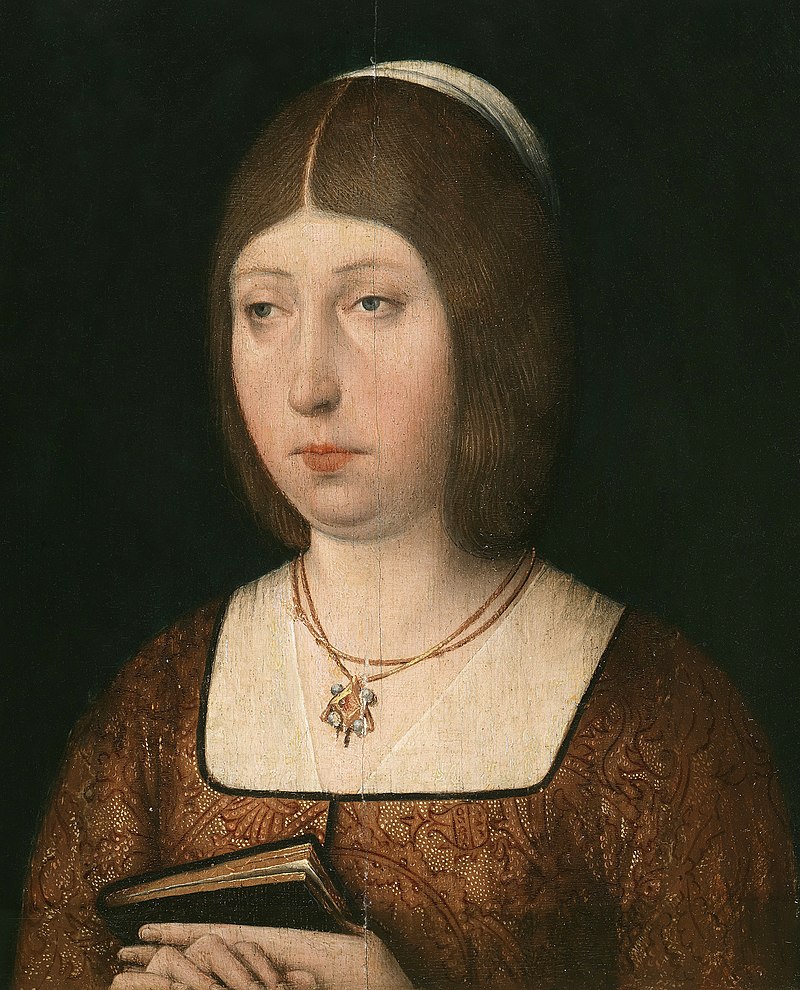
Isabella I of Castile
queen of the Crown of Castile, from 1474 to 1504; first queen of a dynastically-united Spain, from 1479 to 1504 (1451–1504)

Spanish Inquisition
ecclesiastical court system under the control of the kings of Spain (1478-1834)

Catholic Monarchs
title for Queen Isabella I of Castile and King Ferdinand II of Aragon
Tomás de Torquemada
Grand Inquisitor of Spain (1420-1498)

Morisco
Moriscos (, ; ; "Moorish") were former Muslims and their descendants whom the Catholic Church and Habsburg Spain commanded to forcibly convert to Christianity or face compulsory exile after Spain outlawed Islam. Spain had a sizeable Muslim population, the mudéjars, in the early 16th century.

auto-da-fé
thumb|Saint Dominic anachronistically presiding over an auto de fe, by [[Pedro Berruguete (around 1495)]]
Alhambra Decree
1492 decree expelling Jews from Spain

Marrano
thumb|300px|Marranos: A secret Passover Seder in Spain during the times of Inquisition. An 1893 painting by [[Moshe Maimon.]]
Marranos were Spanish and Portuguese Jews, as well as Navarrese Jews, who converted to Christianity, either voluntarily or by Spanish or Portuguese royal coercion, during the fifteenth and sixteenth centuries, but who continued to practice Judaism in secret or were suspected of it. They are also called crypto-Jews, a term increasingly preferred in scholarly works over Marranos.
Black Legend
supposed tendency in historical writing demonising Spain and the Spanish Empire
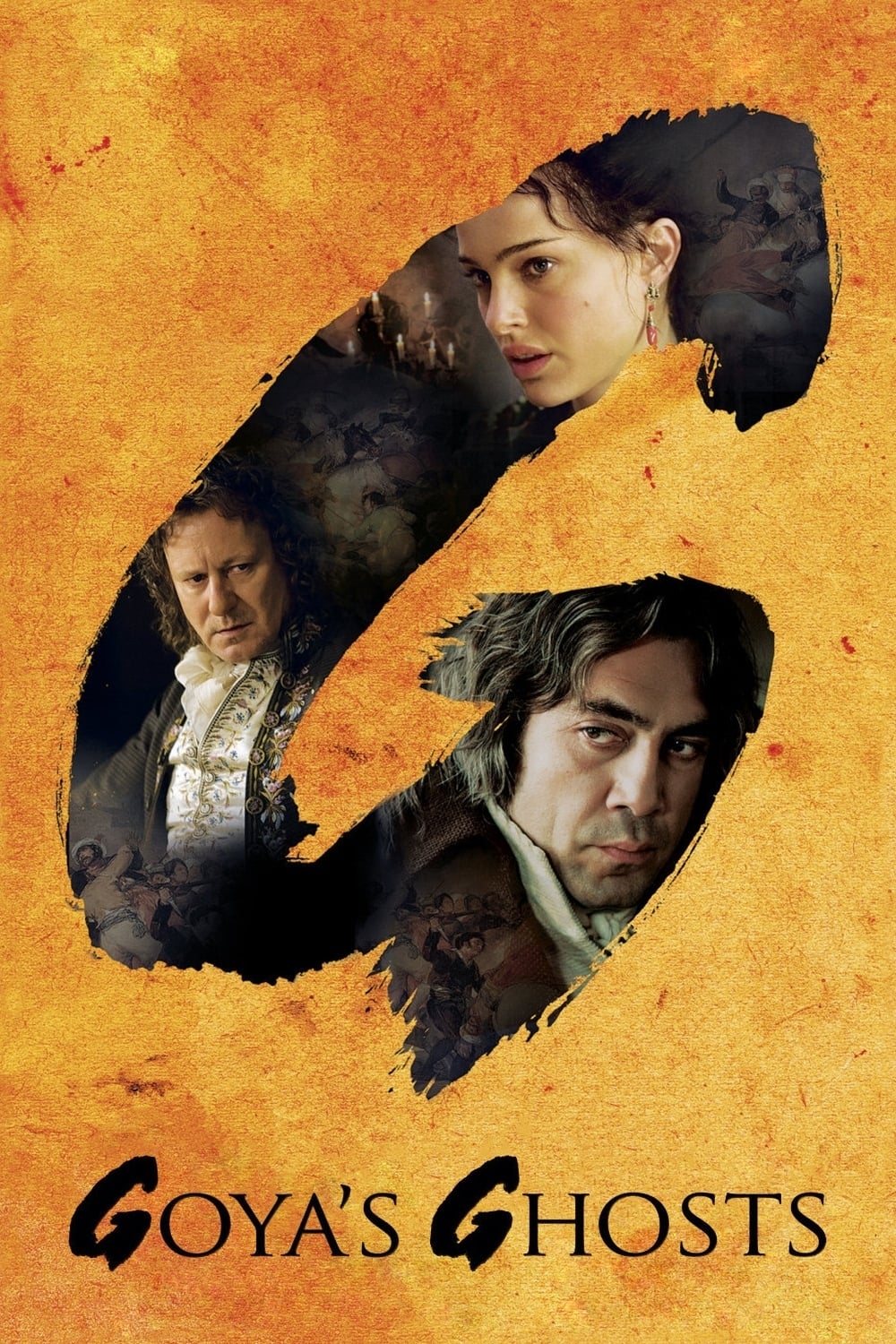
Goya's Ghosts
2006 film by Miloš Forman
Francisco Pacheco
Spanish painter and teacher (1564-1644)
Expulsion of the Moriscos
17th century expulsion of Moriscos from Spain

Converso
A converso (; ; feminine form conversa, ) was a Jew who converted to Catholicism in Spain or Portugal, particularly during the 14th and 15th centuries, or one of their descendants.

Crypto-Judaism
Crypto-Judaism is the secretive adherence to Judaism while publicly professing to be of another faith. Practitioners are referred to as "crypto-Jews" (from the Greek word kryptos – , 'hidden').
New Christian
community descended from Muslims and Jews

capirote
thumb|Holy Week in Malaga|Procession of the Reales Cofradías Fusionadas in Malaga
thumb|Holy Week in Malaga|Brotherhood with green capirotes in Malaga
thumb|Brotherhood of Saint Rochus with velvet capirotes
thumb|Brotherhood with silk capirotes
A capirote is a Christian pointed hat of conical form that is used in Italy, Spain and Hispanic countries by members of a confraternity of penitents, particularly those of the Catholic Church. It is part of the uniform of such brotherhoods including the Nazarenos and Fariseos during Lenten observances and reenactments during Holy Week in Spain and its f
expulsion of the Jews from the territories of the Crowns of Castile and Aragon
Expulsion of Jews from the territories of the Crowns of Castile and Aragon in 1492
Grand Inquisitor of Spain
president of the council of the Spanish Supreme Inquisition
Juan Antonio Llorente
writer
Limpieza de sangre
Spanish oppressive policies against crypto-Jews and crypto-Muslims

Cathedral of the Sea
novel by Ildefonso Falcones

Sanbenito
thumb|220px|A convicted heretic before the Inquisition, wearing a sanbenito and a [[capirote (Francisco de Goya)]]
The sanbenito (; Catalan: gramalleta, sambenet, Portuguese: sambenito) was a penitential garment that was used especially during the Portuguese and Spanish Inquisitions. It was similar to a scapular, either yellow with red saltires for penitent heretics or black and decorated with devils and flames for impenitent heretics to wear at an auto-da-fé (meaning 'act of faith').
alumbrados
The '''' (, illuminated), also called the '''', were the practitioners of a mystical form of Christianity in the Crown of Castile during the 15th–16th centuries. Some were only mildly heterodox, but others held views that were clearly heretical, according to the contemporary rulers. Consequently, they were firmly repressed and became some of the early victims of the Spanish Inquisition.
Basque witch trials
Witch persecution and process in northern Navarre (1610-1611)

Gregorio Mayans
Historian, linguist and writer
The Inquisition Tribunal
painting by Francisco de Goya
Directorium Inquisitorum
1376 book by Nicholas Eymerich
Holy Child of La Guardia
Spanish saint
The Spanish Inquisition
Monty Python sketch
Palacio de los Olvidados
museum in Granada, Spain
Mexican Inquisition
Expansion of the Spanish Inquisition to New Spain
Alonso de Salazar Frías
Spanish inquisitor
Almodrote
thumb|A bowl of almadroc
Almadroc is a garlic-cheese sauce from medieval Catalan cuisine from the Llibre de Sent Soví. There is a similar recipe in the Llibre del Coch by Rupert de Nola for almadrote, a sauce made with garlic, eggs, cheese and broth that was served with partridge. In modern usage it refers to an oil, garlic and cheese sauce served with eggplant casserole. Almadrote may have pre-Inquisition Sephardic origins and served with eggplant has become widespread in modern Turkish cuisine.
María de Zozaya
alleged witch
Black Legend of the Spanish Inquisition
Theory on propaganda
Lope de Barrientos
Spanish bishop (1382-1469)
Bernardino de Escalante
Spanish soldier, priest, geographer and writer
Sister María Justa de Jesús
Spanish Franciscan nun and mystic