Category
page 1Spanish West Indies

Cuba
Cuba, officially the Republic of Cuba, is an island country in the Caribbean. It comprises the eponymous main island as well as 4,195 islands, islets, and cays. Situated at the convergence of the Caribbean Sea, Gulf of Mexico, and Atlantic Ocean, Cuba is located east of the Yucatán Peninsula, south of both Florida and the Bahamas, west of Hispaniola, and north of Jamaica and the Cayman Islands. Havana is the largest city and capital. Cuba is the third-most populous country in the Caribbean after Haiti and Dominican Republic, with about 10 million inhabitants. It is the largest country in the C

Dominican Republic
Dominican Republic is a country on the Caribbean island of Hispaniola in the Greater Antilles of the Caribbean Sea in the North Atlantic Ocean. It shares a maritime border with Puerto Rico to the east and a land border with Haiti to the west, occupying the eastern five-eighths of Hispaniola which, along with Saint Martin, is one of only two islands in the Caribbean shared by two sovereign states. In the Antilles, the country is the second-largest nation by area after Cuba at 48,671 square kilometers (18,792 sq mi) and second-largest by population after Haiti with approximately 11.4 million people in 2024, of whom 3.6 million reside in the metropolitan area of Santo Domingo, the capital city.
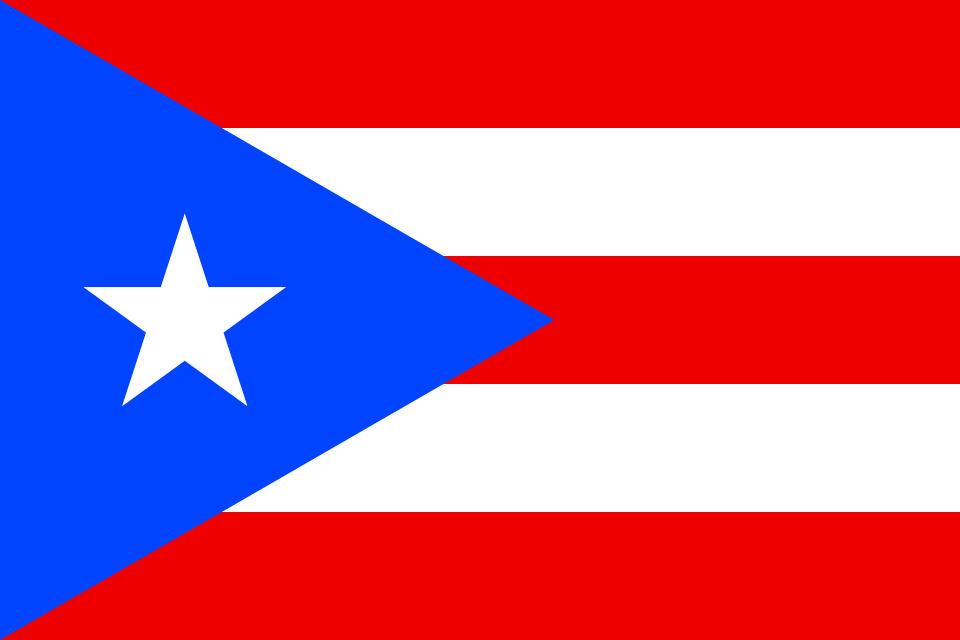
Puerto Rico
Puerto Rico, officially the Commonwealth of Puerto Rico, is a self-governing Caribbean archipelago and island organized as an unincorporated territory of the United States under the designation of commonwealth. It is located between the Dominican Republic in the Greater Antilles and the U.S. Virgin Islands in the Lesser Antilles. Located about 1,000 miles (1,600 km) southeast of Miami, Florida, it consists of the eponymous main island and numerous smaller islands, including Vieques, Culebra, and Mona. With approximately 3.2 million people, it is divided into 78 municipalities, of which the most populous is the capital municipality of San Juan, followed by those within the San Juan metropolitan area. Spanish and English are the official languages of the government, though Spanish predominates.

Santo Domingo
capital of the Dominican Republic

Hispaniola
Hispaniola is an island in the Greater Antilles of the Caribbean, located between Cuba and Puerto Rico. It is the most populous island in the West Indies and the second-largest by land area, after Cuba. Covering an area of , it is divided into two separate sovereign countries: the Spanish–speaking Dominican Republic () to the east and the French and Haitian Creole–speaking Haiti () to the west. The only other divided island in the Caribbean is Saint Martin, which is shared between France () and the Netherlands (). At the time of the European arrival of Christopher Columbus, Hispaniola was home
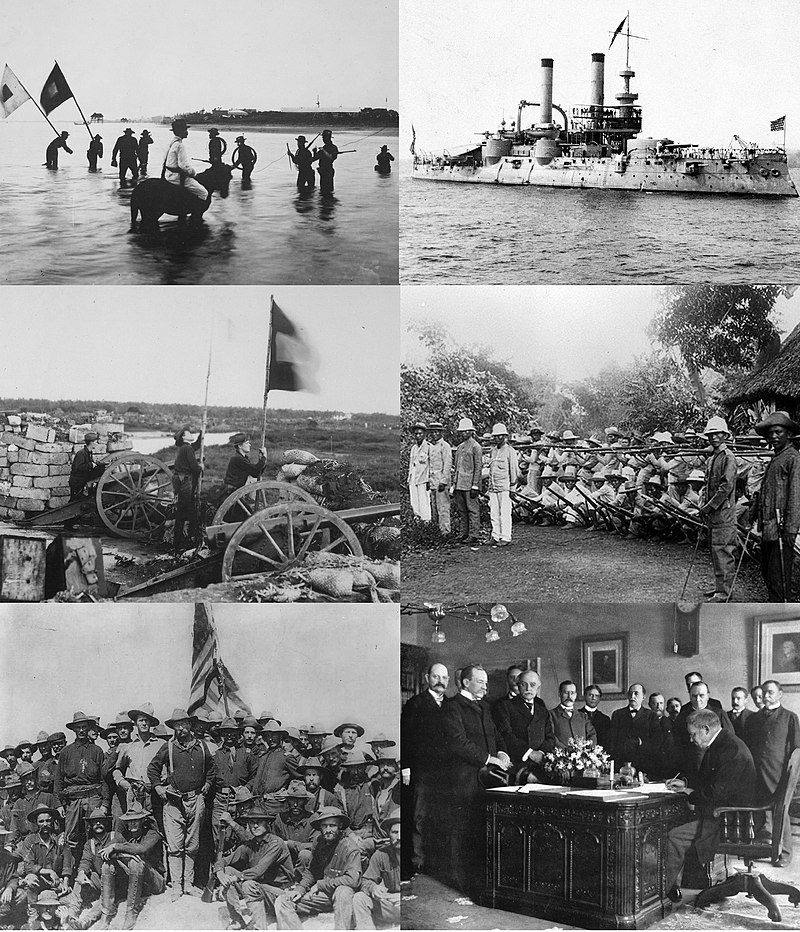
Spanish–American War
1898 conflict between Spain and the United States

Trinidad
thumb|Moruga – [[Christopher Columbus monument. Columbus landed here on his third voyage in 1498. This is on the southern coast of the island of Trinidad]]

New Spain
viceroyalty of the Spanish Empire (1535-1821)

Arahuacos (Arawak)
The Arawak are a group of Indigenous peoples of northern South America and the Caribbean. The term "Arawak" has been applied at various times to different Indigenous groups, from the Lokono of South America to the Taíno (Island Arawaks), who lived in the Greater Antilles and northern Lesser Antilles in the Caribbean. All these groups spoke related Arawakan languages.
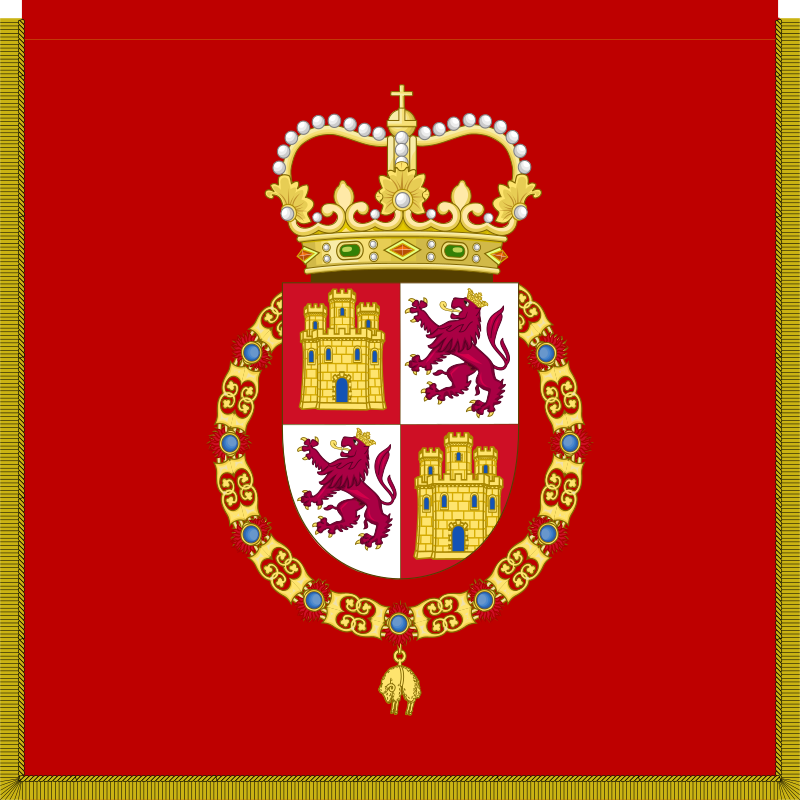
Spanish colonization of the Americas
overseas expansion under the Crown of Castile

Taíno people
The Taíno were the Indigenous peoples in most of the West Indies, in the Caribbean region of the Americas. Their culture has been continued today by their descendants and by Taíno revivalist communities. They were the first New World peoples encountered by non-Norse Europeans. Part of the Arawak group of Indigenous peoples in the Americas, the Taíno are also referred to as Island Arawaks or Antillean Arawaks.
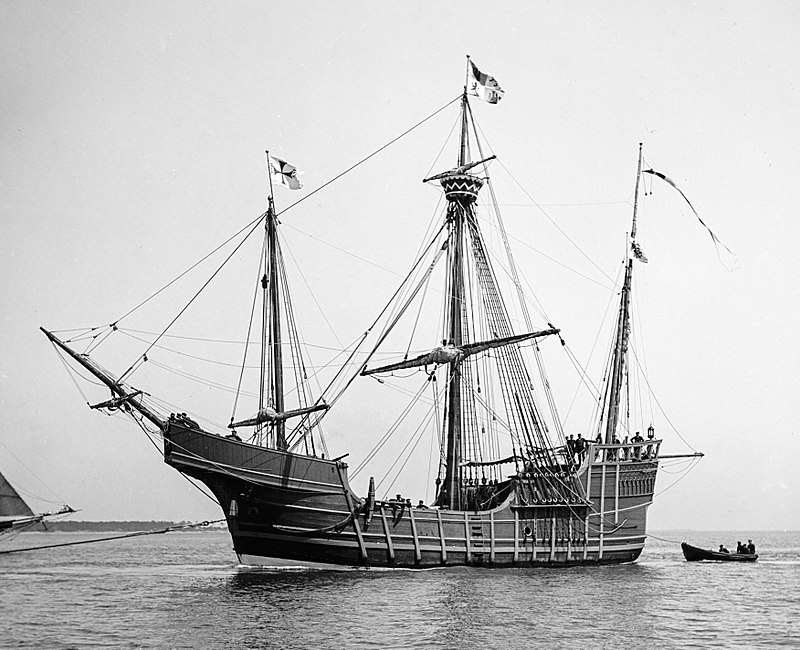
Santa Maria
carrack used by Christopher Columbus

encomienda
thumb|200px|Francisco Hernández Girón was a Spanish encomendero in the [[Viceroyalty of Peru who protested the New Laws in 1553. These laws, passed in 1542 but repealed in 1545, gave certain rights to indigenous peoples and protected them against abuses. Drawing by Felipe Guamán Poma de Ayala.]]

Vicente Yáñez Pinzón
Spanish navigator, explorer
Pinta
caravel used by Christopher Columbus
Juan de Grijalva
Spanish conquistador (1490-1527)

Bartholomew Columbus
Italian explorer (c. 1461 – 1515)
Niña
caravel used by Christopher Columbus, ship, 1491
Spanish treasure fleet
convoy system used by the Spanish Empire from 1566 to 1790
history of Jamaica
History of the island of Jamaica
Diego Columbus
Spanish governor of the Indies and son of Christopher Columbus
history of the Dominican Republic
aspect of history

La Isabela
historic site in the Dominican Republic
history of Belize
aspect of history
Spanish West Indies
Spanish possession in the Caribbean between 1492-1898
Martín Alonso Pinzón
Spanish explorer
piracy in the Caribbean
piracy in the Caribbean region from the 1500s to the 1830s
Bernardo de Gálvez
Spanish colonial administrator (1746-1786)
history of Trinidad and Tobago
History of Trinidad and Tobago from pre-Columbian period
Council of the Indies
administrative organ of the Spanish Empire
Captaincy General of Cuba
Spanish 1607–1898 possession in the Caribbean

La Navidad
fort on the northeast coast of Haiti
Captaincy General of Santo Domingo
Spanish 1493-1821 possession in the Caribbean
Caribbean Spanish
regional Spanish dialect
A Short Account of the Destruction of the Indies
1551 text by Bartolomé de Las Casas
history of Puerto Rico
aspect of history
Spanish Jamaica
Spanish 1509-1655 possession in the Caribbean
Captaincy General of Puerto Rico
Spanish 1580-1898 possession in the Caribbean

repartimiento
The Repartimiento () (Spanish, "distribution, partition, or division") was a colonial labor system imposed upon the indigenous population of Spanish America and the Philippines. In concept, it was similar to other tribute-labor systems, such as the ''mit'a of the Inca Empire or the corvée of the Ancien Régime de France: Through the pueblos de indios, the Amerindians were drafted work for cycles of weeks, months, or years, on farms, in mines, in workshops (obrajes''), and public projects.
Narváez expedition
16th-century Spanish journey of exploration in North America
Camilo de Polavieja
Governor-General of the Philippines, Governor of Puerto Rico, Governor of Cuba (1838–1914)
Laws of the Indies
entire body of laws issued by the Spanish Crown for the American and the Philippine possessions of its empire
Columbian Viceroyalty
Spanish Main
historical region
Spanish Province of Santo Domingo
1861 Santo Domingo Rejoins Spain as an overseas province
Adrián de Moxica
Spanish explorer
Royal Audiencia of Santo Domingo
first court of the Spanish crown in America
Pleitos colombinos
Lawsuits of heirs of Christopher Columbus against Spain
Christopher Myngs
Royal Navy admiral
Antillean Confederation
proposed state by Ramón Emeterio Betances

Alonso Manso
Roman Catholic bishop
Battle of Santo Domingo
1586 early battle in the Anglo-Spanish War
Battle of St. Kitts
Spanish capture of St. Kitts in 1629
Diego de Villalba y Toledo
Cuban military personnel
José Antonio Raón Gutiérrez
Spanish military personnel
Sampson Medal
Medal Commemorating Naval Engagements in the West Indies