Category
page 1Spring equinox
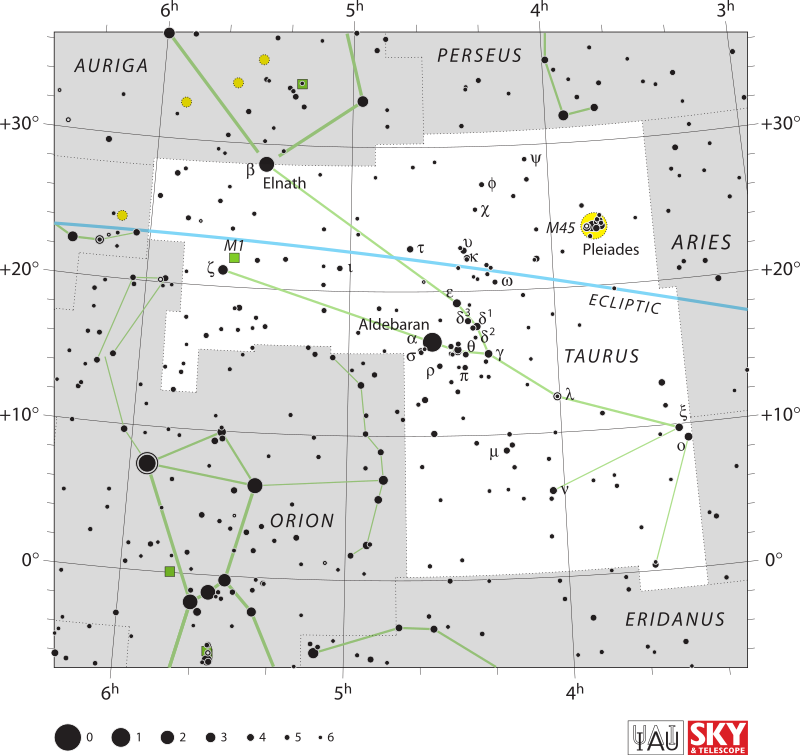
Taurus
zodiac constellation straddling the celestial equator

Nowruz
Nowruz (, , ) is New Year's Day on the Iranian calendars, including the currently used Solar Hijri calendar. Historically, it has been observed by Iranian peoples, but is now celebrated by many Persianate cultures worldwide. It is a festival based on the Northern Hemisphere spring equinox, and thus usually coincides with a date between 19 March and 22 March on the Gregorian calendar.

Navaratri
thumb|Durga Puja pandal

Brú na Bóinne
archaeological site

computus
calculation of the date of Easter
first point of Aries
point on the celestial sphere
March equinox
the equinox on the earth when the Sun appears to leave the southern hemisphere and cross the celestial equator
September equinox
the equinox on the earth when the Sun appears to leave the nothern hemisphere and cross the celestial equator
Morana
deity

Ēostre
thumb|right|Ostara (1884) by Johannes Gehrts. The goddess flies through the heavens surrounded by Roman-inspired putti, beams of light, and animals. Germanic people look up at the goddess from the realm below.
wheel of the year
annual cycle of seasonal festivals observed by many modern Pagans
sidereal astrology
Forms of astrology
Sun outage
interruption in or distortion of geostationary satellite signals caused by interference from solar radiation

Higan
thumb|right|In Japan the red spider lily signals [[shūbun, the arrival of fall. Many Buddhists will use it to celebrate the arrival of fall with a ceremony at the tomb of one of their ancestors.]]
is a Buddhist holiday exclusively celebrated by Japanese sects for seven days; three days before and after both the Spring equinox (shunbun) and Autumnal equinox (shūbun). It is observed by nearly every Buddhist school in Japan. The tradition extends from mild weather that occurs during the time of equinoxes, though the origin of the holiday dates from Emperor Shōmu in the 8th century. People who no
Dita e Verës
Public holiday in Albania
Vernal Equinox Day
public holiday in Japan
La Hougue Bie
historic site, with museum, in the Parish of Grouville, Jersey
Hilaria
The Hilaria (; Latin "the cheerful ones", a term derived from the borrowed adjective "cheerful, merry") were ancient Roman religious festivals celebrated on the March equinox to honor Cybele.
Long Meg and Her Daughters
Neolithic stone circle near Penrith, England
Anjana
Good fairies of Cantabria