Category
page 1Suicide-inducing parasitism

Acanthocephala
Acanthocephala (Greek , '''' 'thorn' + , '''' 'head') is a group of parasitic worms known as acanthocephalans, thorny-headed worms, or spiny-headed worms, characterized by the presence of an eversible proboscis, armed with spines, which it uses to pierce and hold the gut wall of its host. Acanthocephalans have complex life cycles, involving at least two hosts, which may include invertebrates, fish, amphibians, birds, and mammals. About 1,420 species have been described.

Nematomorpha
Nematomorpha (sometimes called Gordiacea, and commonly known as horsehair worms, hairsnakes, or Gordian worms) are a phylum of parasitoid animals similar to yet distinct from nematode worms in morphology, hence the name. Most species range in size from , reaching in extreme cases, and in diameter. Horsehair worms can be discovered in damp areas, such as watering troughs, swimming pools, streams, puddles, and cisterns. The adult worms are free-living, but the larvae are parasitic on arthropods, such as beetles, cockroaches, mantises, orthopterans, and crustaceans. About 351 freshwater species a

Toxoplasma gondii
obligate intracellular parasitic protozoan that causes toxoplasmosis

Ampulex compressa
species of wasp

Ophiocordyceps unilateralis
species of fungus

Dicrocoelium dendriticum
parasite fluke
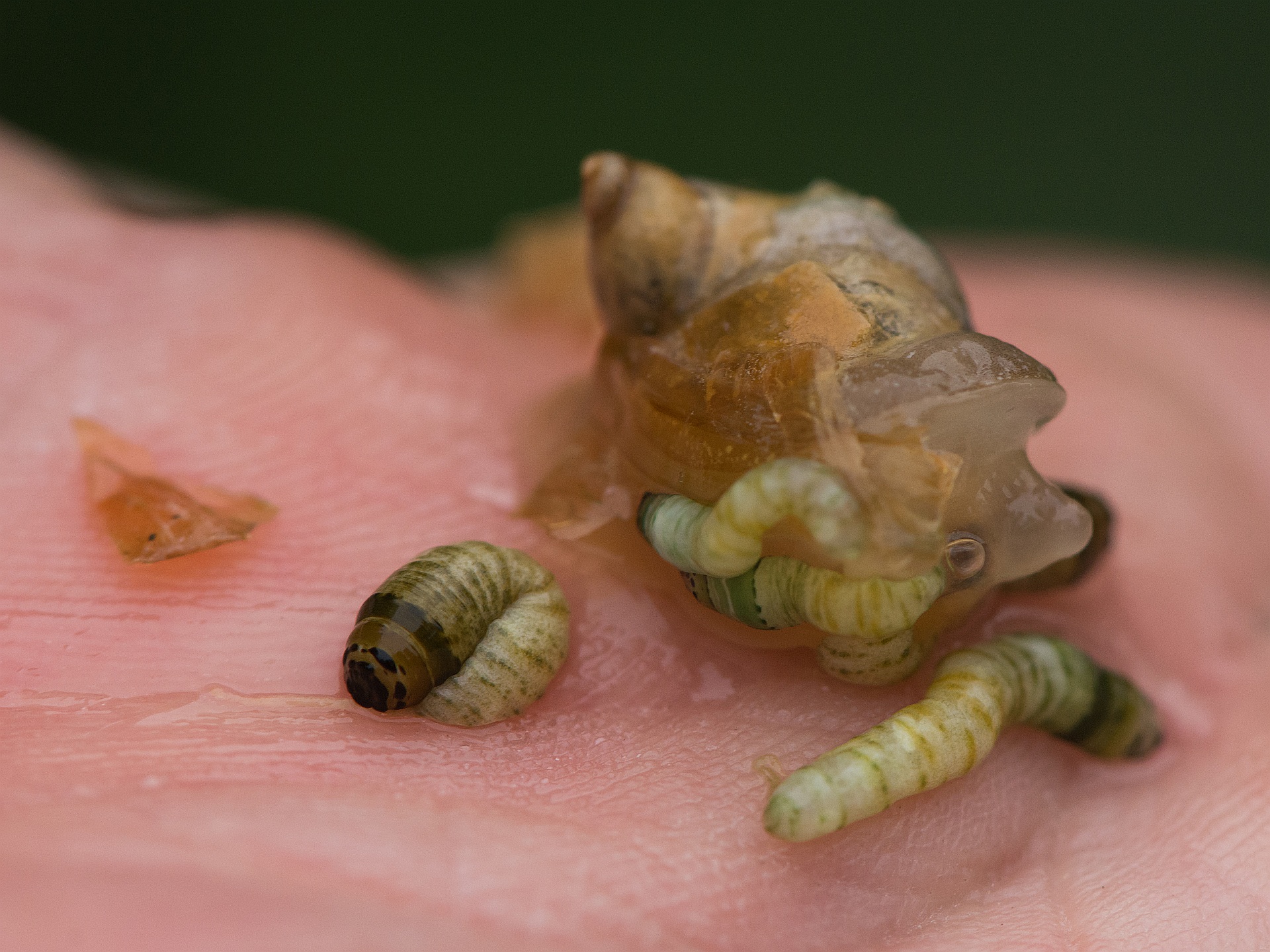
Leucochloridium paradoxum
parasitic flatworm, typically found in land snails.
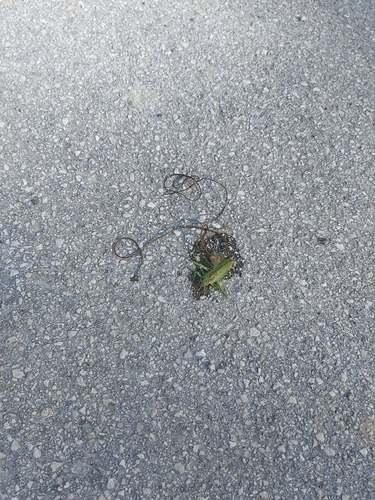
Spinochordodes tellinii
species of worm

Glyptapanteles
Glyptapanteles is a genus of endoparasitoid wasps found in all continents, except Antarctica. The larvae of Glyptapanteles species are able to manipulate their hosts into serving as bodyguards.
Paragordius tricuspidatus
species of worm
Leucochloridium
Leucochloridium is a genus of parasitic trematode worms in the order Diplostomida. It Is the sole genus in the family Leucochloridiidae. Members of this genus cause pulsating swellings in the eye-stalks of snails (a phenomenon colloquially called a zombie snail), so as to attract the attention of predatory birds required in the parasites' lifecycle.
Hymenoepimecis argyraphaga
species of insect

Pomphorhynchus laevis
species of worm
Galactosomum
Galactosomum is a genus of flukes in the family Heterophyidae. There are currently 28 recognised species within the genus. They mainly infect aquatic birds, but often infest fish as larvae. Three species are known to use marine mammals as hosts.

Paragordius varius
species of worm
Acanthocephalus dirus
species of worm