Category
page 1Suicide types
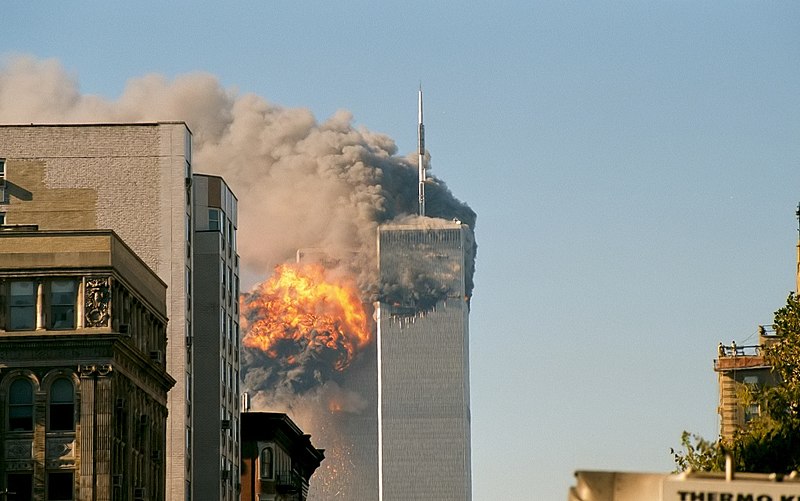
suicide attack
attack in which the attacker knows they will die

assisted suicide
suicide committed by someone with assistance from another person or persons, typically in regard to people suffering from a severe physical illness
copycat suicide
emulation of another suicide
%2C%201567.jpg)
Jauhar
thumb|The Rajput ceremony of Jauhar, 1567, as depicted by Ambrose Dudley in Hutchinsons History of the Nations,
Jauhar, sometimes spelled Jowhar or Juhar, was a practice of mass self-immolation by Rajput kshatriya women and girls in the Indian subcontinent to avoid capture, sex slavery, enslavement, and rape when facing certain defeat during a war. Some reports of jauhar mention women committing self-immolation along with their children, Jauhar performed to avoid rape and necrophilia by the invading armies. This practice was historically observed in the northwest regions of India, with the mo
sokushinbutsu
is a type of Buddhist mummy. In Japan the term refers to the practice of Buddhist monks observing asceticism to the point of death and entering mummification while alive. Although mummified monks are seen in a number of Buddhist countries, especially in Southeast Asia where monks are mummified after dying of natural causes, it is believed that it is only in Japan where monks have induced their own deaths by starvation.

Sallekhana
thumb|alt=Nishidhi stone with 14th century old Kannada inscription from Tavanandi forest|Nishidhi, a 14th-century Hero stone|memorial stone depicting the observance of the vow of Sallekhana with old Kannada inscription. Found at Tavanandi forest, [[Karnataka, India.]]
altruistic suicide
killing of oneself to help others or advance a larger aim

shinjū
is a Japanese term meaning "double suicide", used in common parlance to refer to any group suicide of two or more individuals bound by love, typically lovers, parents and children, and even whole families. A double suicide without consent is called and it is considered as a sort of murder–suicide.
suicide pact
agreement between multiple individuals to kill themselves
Prayopavesa
Prayopavesa (, , ) is a practice in Hinduism that denotes the death by fasting of a person who has no desire or ambition left, and no responsibilities remaining in life. It is also allowed in cases of terminal disease or great disability. A similar practice exists in Jainism, termed Santhara.
voluntary euthanasia
active ending of life of a patient, at the patient's request or with consent
honor suicide
suicide to escape the shame of an immoral action, such as having had extra-marital sexual relations or defeat in battle