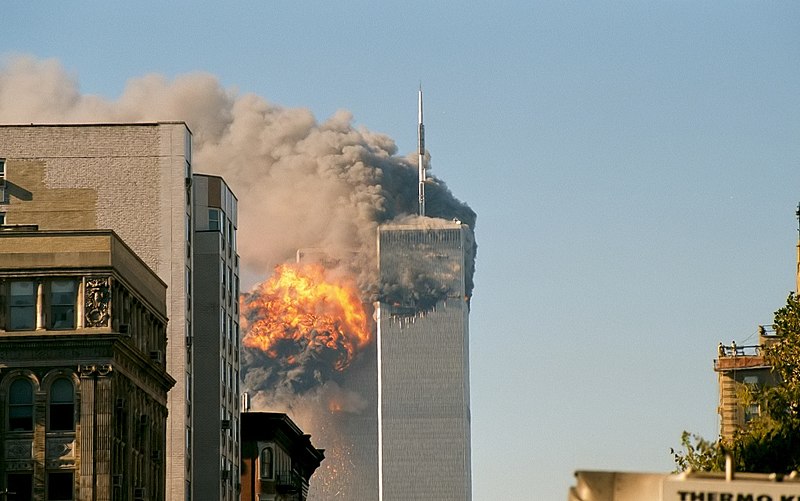
File:UA_Flight_175_hits_WTC_south_tower_9-11.jpeg · Wikimedia Commons · See Wikimedia Commons
suicide attack
Sign in to saveAlso known as suicidal attack, kamikaze attack
attack in which the attacker knows they will die
A suicide attack is an act of violence in which the person carrying out the attack expects or intends to die as a result. These attacks matter because they represent a particularly severe form of violence that has significant impacts on public safety, national security, and counter-terrorism efforts worldwide.
AI-generated from the Wikipedia summary — may contain errors.
Wikidata facts
- Instance of
- manner of death
- Subclass of
- attack
- Has part
- Suicide
- Image
- Samson.gif
Show 4 more facts
- Commons category
- Suicide terrorism
- topic's main category
- Category:Suicide bombing
- uses
- suicide weapon
- partially coincident with
- bomb attack
Sources (2)
via Wikidata · CC0
~40 min read
Encyclopedic overview
(Learn how and when to remove this message)
A suicide attack (also known by a wide variety of other names, see below) is a deliberate attack in which the perpetrators intentionally end their own lives as part of the attack. These attacks are a form of murder–suicide that is often associated with terrorism or war. When the attackers are labelled as terrorists, the attacks are sometimes referred to as an act of suicide terrorism. Military use of suicide is not directly regulated by international law, but suicide attacks sometimes violate prohibitions against perfidy or targeting civilians. Suicide attacks have occurred in various contexts, ranging from military campaigns—such as the Japanese kamikaze pilots during World War II (1944–1945)—to more contemporary Islamic terrorist campaigns—including the September 11 attacks in 2001. Suicide attacks have been used by a wide range of political ideologies, from far-right (Japan and Germany in WWII) to far-left (such as the PKK and JRA).
Excerpted from Wikipedia’s “suicide attack” article, available under the CC BY-SA 4.0 licence.