Category
page 1Suicides by poison
.jpg)
Socrates
Socrates (; ; – 399 BC) was an ancient Greek philosopher from Classical Athens, perhaps the first Western moral philosopher, and a major inspiration on his student Plato, who largely founded the tradition of Western philosophy. An enigmatic figure, Socrates authored no texts and is known mainly through the posthumous accounts of classical writers, particularly his students Plato and Xenophon. These accounts are written as dialogues, in which Socrates and his interlocutors examine a subject in the style of question and answer; they gave rise to the Socratic dialogue literary genre. Contrad

Cleopatra
Cleopatra VII Thea Philopator (; 70/69 BC10 or 12 August 30 BC) was Queen of the Ptolemaic Kingdom of Egypt from 51 to 30 BC, and the last active Hellenistic pharaoh. A member of the Ptolemaic dynasty, she was a descendant of its founder Ptolemy I Soter, a Macedonian Greek general and companion of Alexander the Great. Her first language was Koine Greek, and she is the only Ptolemaic ruler known to have learned the Egyptian language, among several others. After her death, Egypt became a province of the Roman Empire, marking the end of the Hellenistic period in the Mediterranean,

Hannibal
Hannibal (; ; 247 – between 183 and 181 BC) was a Carthaginian general and statesman who commanded the forces of Carthage in their battle against the Roman Republic during the Second Punic War. Hannibal lived during a period of great tension in the Mediterranean Basin, triggered by the emergence of the Roman Republic as a great power with its defeat of Carthage in the First Punic War. Revanchism prevailed in Carthage, symbolized by the pledge that Hannibal made to his father to "never be a friend of Rome".

Demosthenes
Demosthenes (; ; ; 384 – 12 October 322 BC) was a Greek statesman and orator in ancient Athens. His orations constitute a significant expression of contemporary Athenian intellectual prowess and provide insight into the politics and culture of ancient Greece during the 4th century BC. Demosthenes learned rhetoric by studying the speeches of previous great orators. He delivered his first judicial speeches at the age of 20, in which he successfully argued that he should gain from his guardians what was left of his inheritance. For a time, Demosthenes made his living as a professional s

Boudica
Boudica or Boudicca (, from Brythonic * 'victory, win' + * (adjectival suffix), i.e. 'Victorious Woman', known in Latin chronicles as Boadicea or Boudicea, and in Welsh as '''''', ) was a queen of the ancient British Iceni tribe, who led a failed uprising against the conquering forces of the Roman Empire in AD 60 or 61. She is considered a British national heroine and a symbol of the struggle for justice and independence.

Cai Lun
Chinese official credited with inventing paper (died 121)

Paul Lafargue
writer, journalist, literary critic and revolutionary; also known for being Karl Marx's son-in-law (1842-1911)

Karl Haushofer
German philosopher (1869-1946)
Thomas Chatterton
English poet and forger (1752-1770)

Eleanor Marx
English-born activist and daughter of Karl Marx (1855–1898)
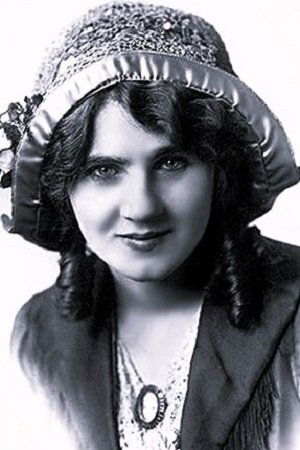
Florence Lawrence
Canadian-American actress (1886-1938)

Lü Buwei
Chinese merchant and politician of the Qin state (291–235 BC)

Hans-Georg von Friedeburg
German navy officer, U-boot commander, Admiral in the Kriegsmarine (1895-1945)
Mordechai Anielewicz
leader of the anti-Nazi Jewish Combat Organization (1919–1943)
Abdel Hakim Amer
Egyptian military officer and politician (1919–1967)
Penelope Delta
Greek children's writer (1874–1941)

Sophonisba
thumb|300px|The Death of Sophonisba (Pittoni)|The Death of Sophonisba, by [[Giambattista Pittoni ( 1718)]]
Vachel Lindsay
American poet (1879–1931)
Ernst Weiss
Czech physician and writer (1882-1940)
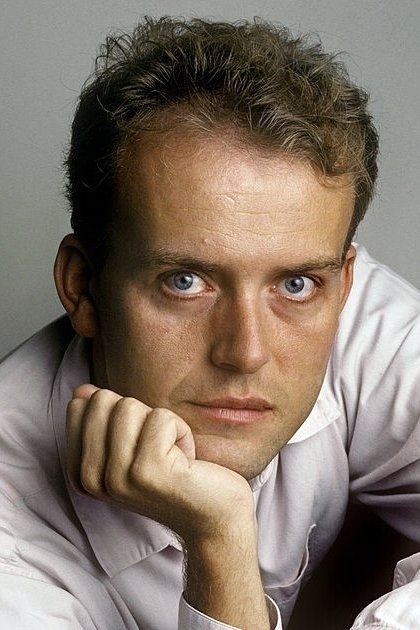
Hervé Guibert
French writer, photographer and journalist (1955-1991)
Géza Csáth
Hungarian writer, playwright, musician, music critic and psychiatrist (1887–1919)
Marshall Applewhite
American cult leader (1931–1997)
Galdan Boshugtu Khan
Khong Tayiji or khan of the Dzungaria in the 17th century
Anita Rée
German painter (1885–1933)
John Suckling
English poet
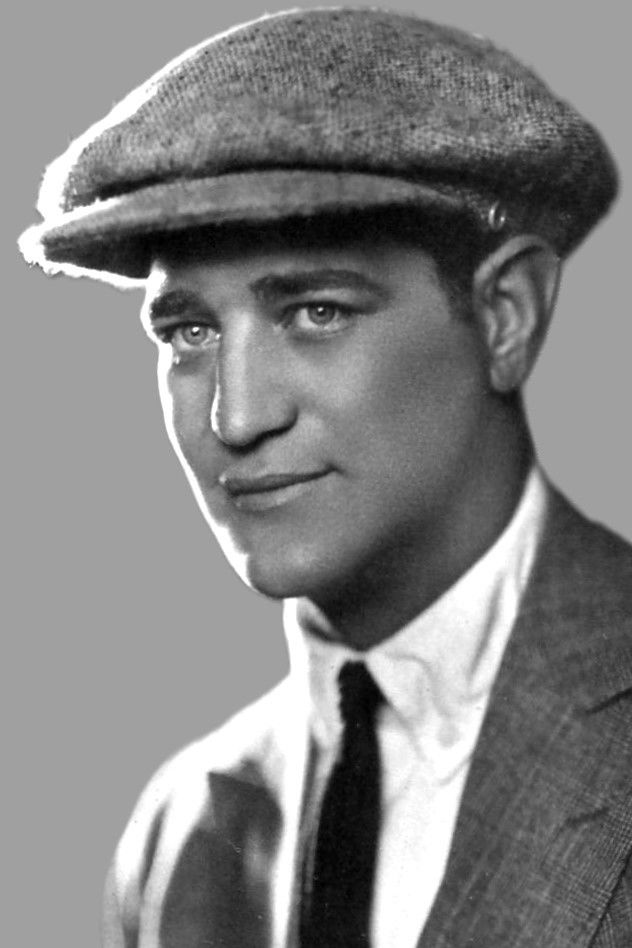
Art Acord
American silent film actor, stuntman, ranch hand (1890–1931)
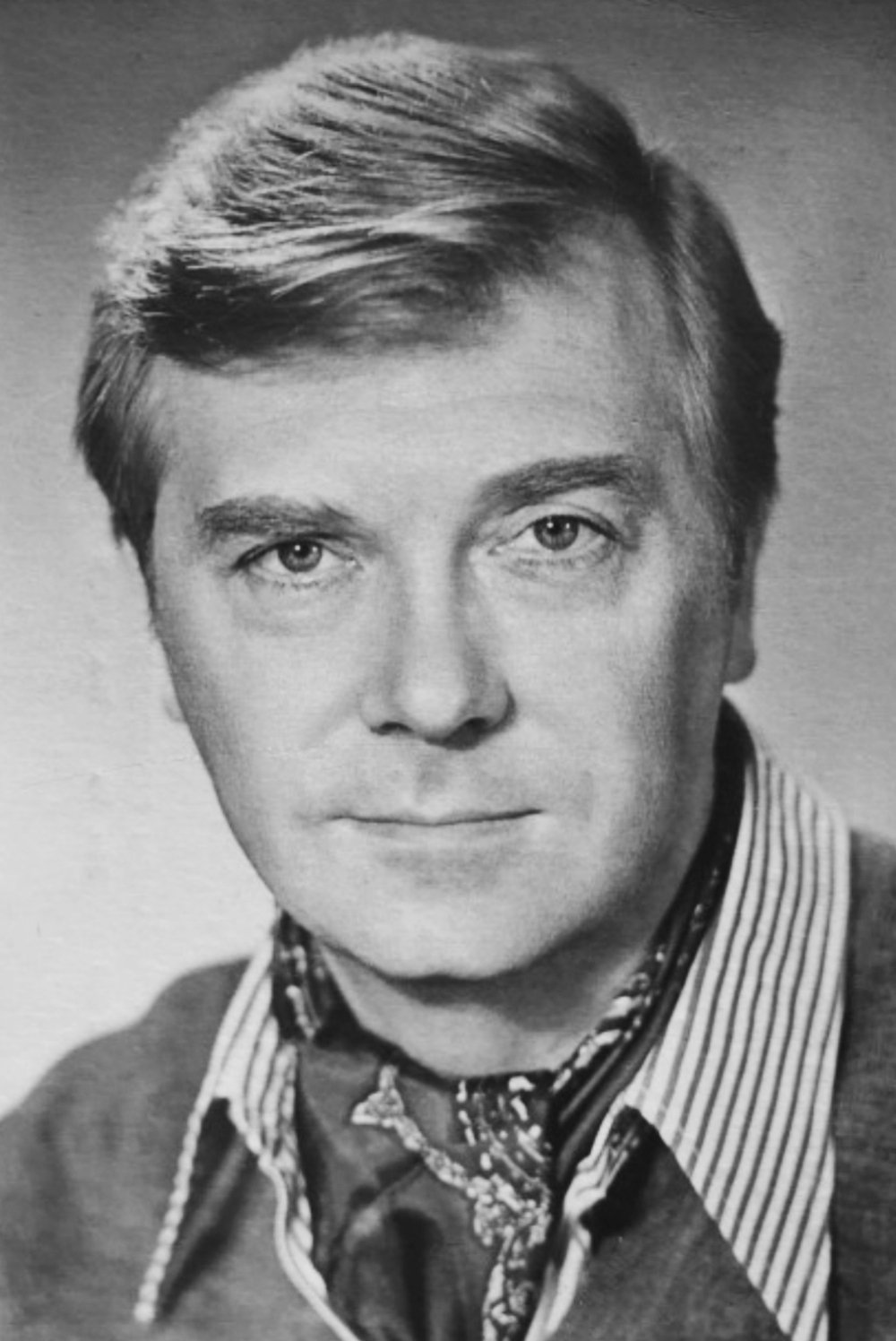
Anatoly Kuznetsov
Soviet and Russian actor (1930–2014)
Hans von Pechmann
German chemist (1850–1902)
Charlotte Mew
British poet (1869–1928)
Paul Robin
French anarchist pedagogue
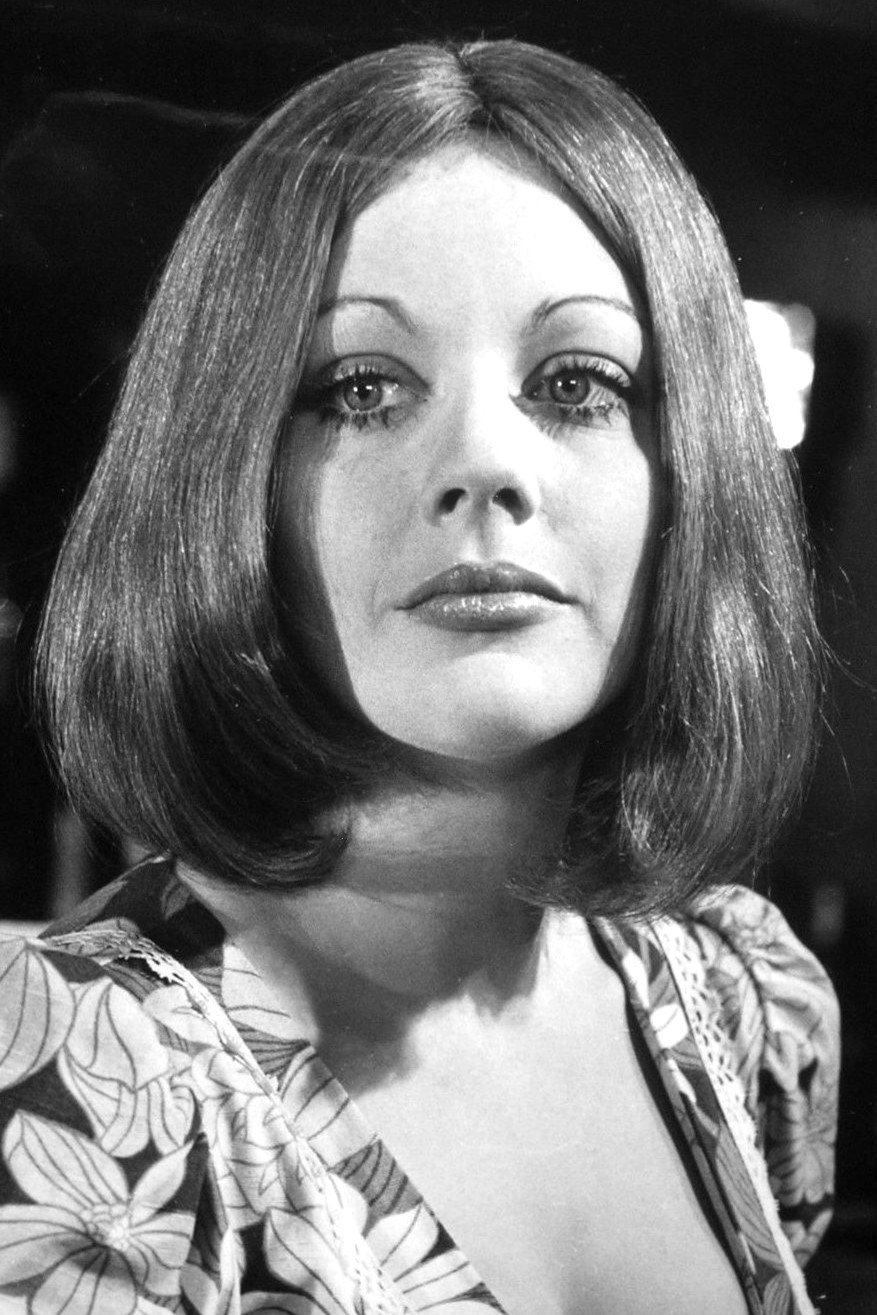
Angela Scoular
English actress (1945–2011)
Khurshid of Tabaristan
8th-century Ispahbadh of Tabaristan
Margaret Laurence
Canadian novelist and short story writer (1926-1987)
Hurşid Ahmed Paşa
Ottomon governor
Aleksander Czekanowski
Polish explorer and geologist (1833–1876)

Empress Jia Nanfeng
Chinese Jin dynasty empress consort (257–300)
Veronica Micle
Romanian writer (1850-1889)
Sima Lun
Prince of Zhao and Jin dynasty usurper (died 301)
death of Cleopatra
a significant event marking the death of the penultimate Ptolemaic ruler of Egypt in 30 BC
Gao Gang
Chinese politician (1905-1954)
Maria Czaplicka
Polish anthropologist (1884–1921)
Rikichi Andō
Japanese general (1884-1946)

Isabella Blow
Magazine editor, stylist, actress, model (1958–2007)
Adrienne Monnier
French writer and business woman (1892-1955)
Thomas Lovell Beddoes
English poet, dramatist and physician (1803–1849)
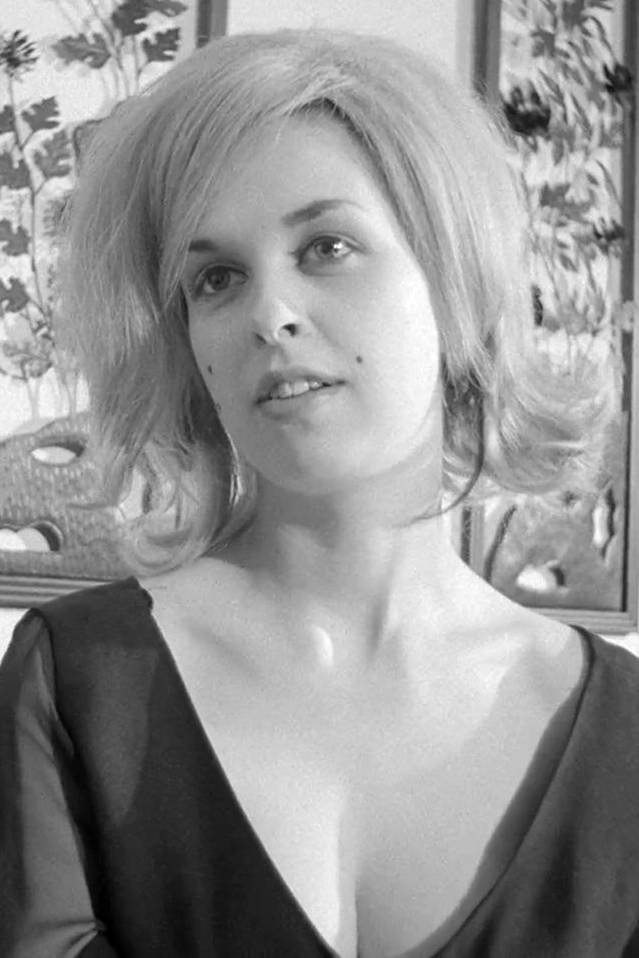
Adela Florence Nicolson
English poet (1865–1904)
Mădălina Manole
Romanian singer (1967–2010)
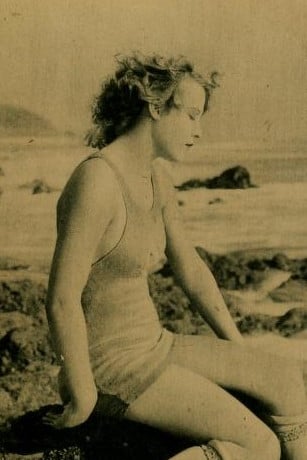
Marvel Rea
actress from the United States
Friedrich Panzinger
German Nazi SS officer and Holocaust perpetrator (1903–1959)
Alexandru Papană
Romanian bobsleddert (1906–1946)
Karl-Gustav Sauberzweig
German general (1899–1946)

Leila Lopes
actress, journalist and television presenter (1959-2009)
Harro Harring
Frisian-Danish revolutionary and writer (1798-1870)
Ptolemy
Ancient Macedonian general
Tiffany Simelane
Swazi model (1988–2009)
Francis Ellingwood Abbot
American philosopher and theologian (1836-1903)
Wang Yirong
Chinese official and scholar (1845–1900)
Hans Eppinger
Austrian physician (1879-1946)
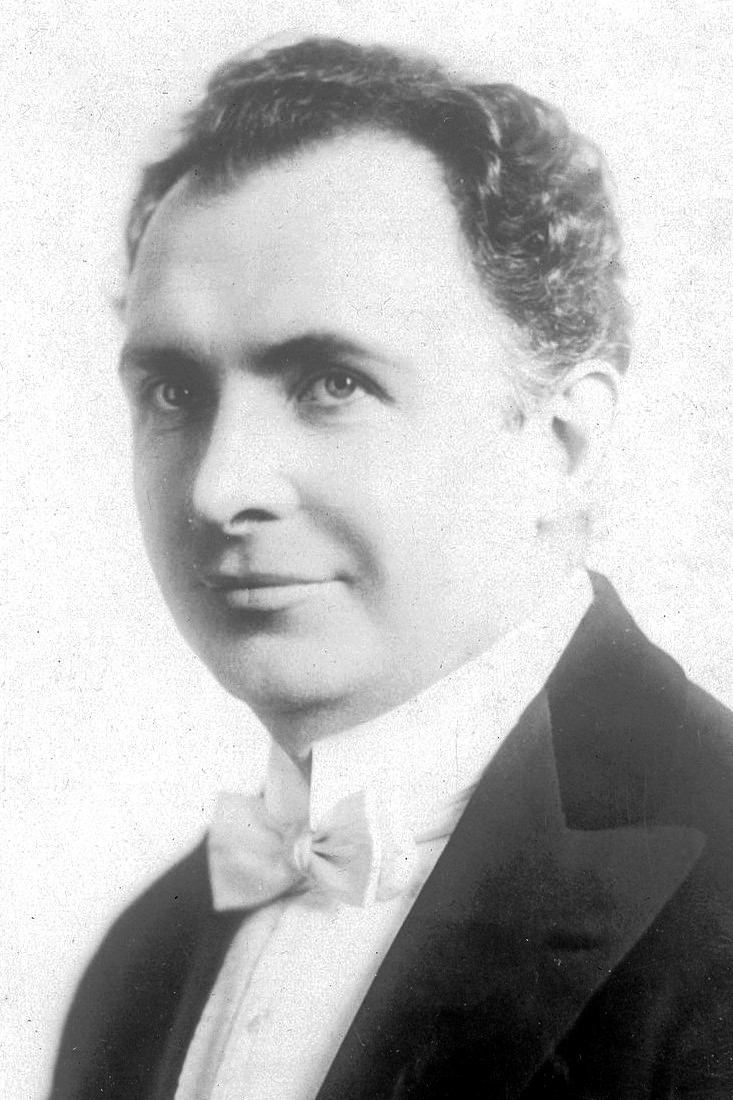
George Periolat
actor (1874-1940)
François Genoud
Swiss Nazi collaborator (1915-1996)