Category
page 1Taishō era
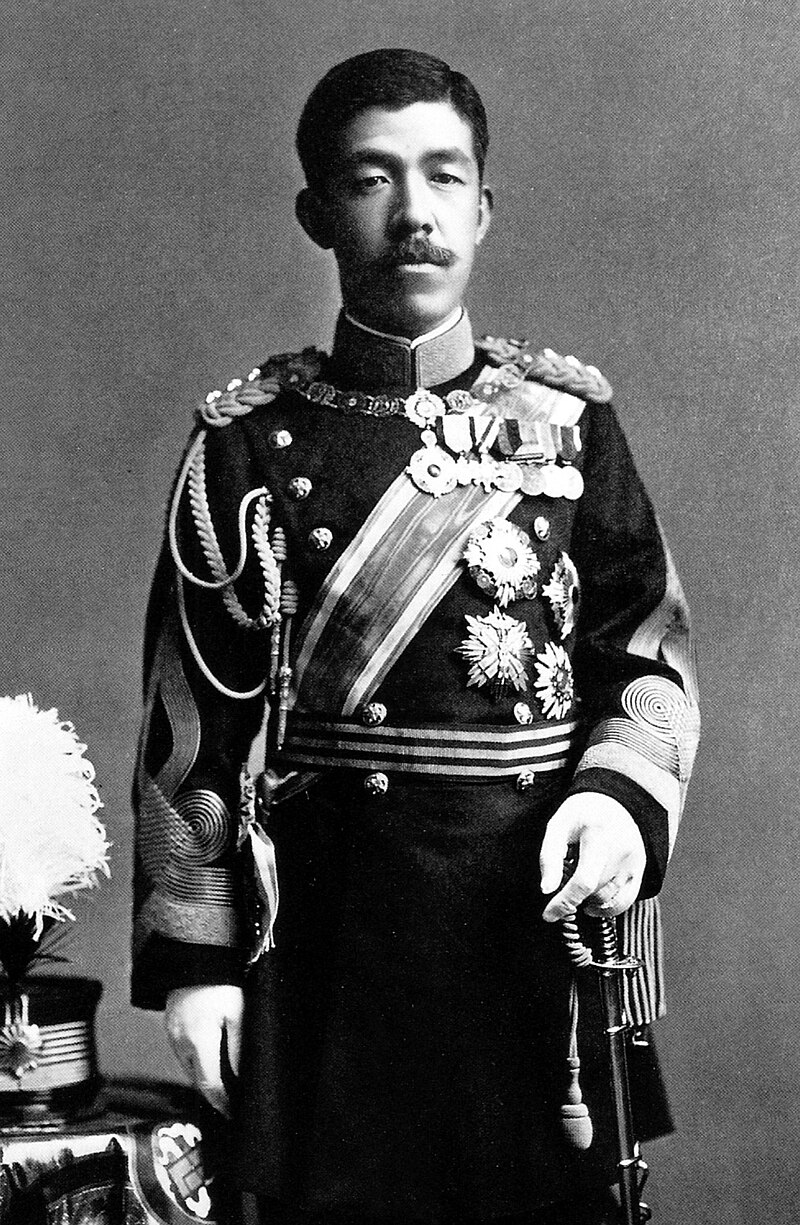
Emperor Taishō
Emperor of Japan from 1912 until 1926

Taishō period
period of Japanese history from 1912 to 1926, under the reign of Emperor Taishō
Japan during World War I
period of Japanese history from 1914 to 1918
Racial Equality Proposal
1919 proposal by Japan to the Paris Peace Conference
Sankebetsu brown bear incident
worst bear attack in Japanese history
Musashi Imperial Graveyard
cemetery in Nagabusamachi, Tokyo, Japan
Taisho Democracy
liberal and democratic trend in Japan during the Taishō period
Reimeikai
was a Japanese "educational society" formed in Japan's Taishō period. The members declared themselves committed "to strive for the stabilization and enrichment of the life of the Japanese people in conformity with the new trends of the postwar world."
Meiji Memorial Picture Gallery
museum in Japan
hōanden
thumb|250px|Hō-an-den in a school in Sakuragawa, Ibaraki|Sakuragawa, [[Ibaraki Prefecture; Greek temple type]]
In Imperial Japan, between the 1910s and 1945, a was a small shrine- or temple-like building that housed a photograph of the incumbent Emperor and Empress (Emperor Meiji, Emperor Taishō, Emperor Shōwa, Empress Shōken, Empress Teimei and Empress Kōjun) together with a copy of the Imperial Rescript on Education. A Hō-an-den was typically installed at elementary schools, though also at a number of other institutions. This served as a place for the veneration of the Emperor of Japan.