Category
page 1Taxa described in 1810
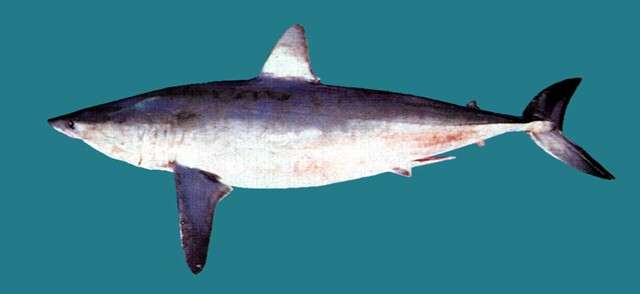
mako shark
Isurus (meaning "equal tail") is a genus of mackerel sharks in the family Lamnidae, commonly known as the mako sharks. They are largely pelagic, and are fast, predatory fish capable of swimming at speeds of up to .

Cordyline
Cordyline is a genus of about 24 species of woody monocotyledonous flowering plants in family Asparagaceae, subfamily Lomandroideae. The subfamily has previously been treated as a separate family Laxmanniaceae, or Lomandraceae. Other authors have placed the genus in the Agavaceae (now Agavoideae). Cordyline is native to the western Pacific Ocean region, from New Zealand, eastern Australia, southeastern Asia and Polynesia, with one species found in southeastern South America.

Leucadendron
thumb|Leucadendron salignum
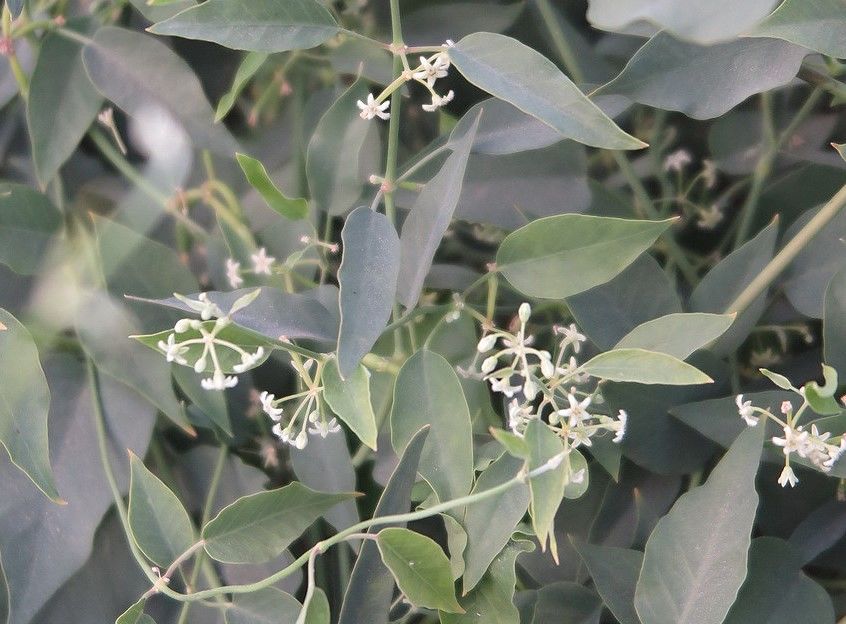
Leptadenia
Leptadenia is a genus of plants in the family Apocynaceae, first described as a genus in 1810. It is native to Africa, including Madagascar, as well as southwest Asia, the Indian subcontinent, and Indochina.
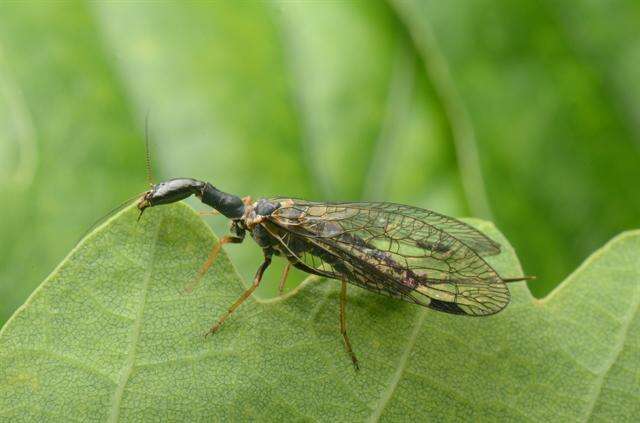
Raphidiidae
Raphidiidae is a family of snakeflies in the order Raphidioptera, based on the type genus Raphidia.

Secamone
Secamone is a genus of plant in family Apocynaceae, first described as a genus in 1810. It is widespread across much of Africa, northern Australia, southern Asia, with numerous species endemic to Madagascar.

Nephroma
Nephroma is a genus of medium to large foliose lichens. The genus has a widespread distribution. They are sometimes called kidney lichens, named after the characteristic kidney-shaped apothecia that they produce on the lower surface of their lobe tips, which often curl upwards and thus are visible from above. Sterile specimens that do not have apothecia can look somewhat like Melanelia, Peltigera, Platismatia, or Asahinea. Most species grow either on mossy ground or rocks, or on trees.
.jpg)
Leptogium
Leptogium is a genus of lichen-forming fungi in the family Collemataceae. It has about 110 species. Species formerly classified under Leptogium have since been divided among the genera Leptogium, Pseudoleptogium, and Scytinium. Leptogium lichens are predominantly found on tree bark or soil, often among mosses, and sometimes on rocks in moist environments.
Graphephorum
Graphephorum is a genus of North American plants in the grass family.

Prestonia
genus of plants
Rinodina
Rinodina is a genus of lichen-forming fungi in the family Physciaceae. The genus has a widespread distribution and contains about 265 species. It is hypothesized that a few saxicolous species common to dry regions of western North America, southern Europe, North Africa and central Asia may date back 240 million years to the Middle Triassic.
Cartonema
Cartonema is a genus of perennial or annual monocotyledonous flowering plants in the dayflower family. It is restricted to Australia and nearby Trangan Island, one of Indonesia's Aru Islands. It is the earliest diverging member of its family and has a number of traits that are unique within it, such as non-succulent leaves and a lack of raphides (a particular form of calcium oxalate). Its distinctive features led to the genus to once be considered part of its own separate family, Cartonemataceae. However, analysis of DNA sequences, as well as many common anatomical characters, has supported it
Lozania
Lozania is a genus of flowering plants in the family Lacistemataceae. It includes five species native to the tropical Americas, ranging from Nicaragua to Bolivia.
Lozania glabrata
Lozania klugii
Lozania mutisiana
Lozania nunkui
Lozania pittieri
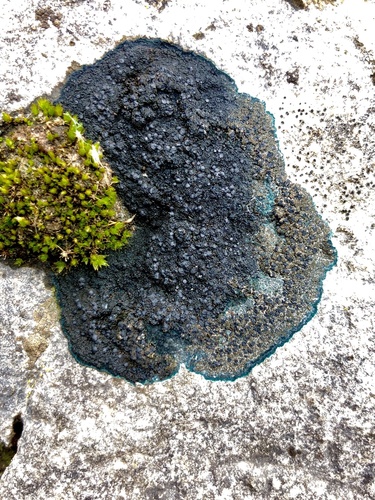
Placynthium
Placynthium is a genus of lichen-forming fungi in the family Placynthiaceae. Members of this genus are commonly called blackthread lichens.
Sersalisia
Sersalisia is a genus of trees in the family Sapotaceae described as a genus in 1810.
Tetrarrhena
Tetrarrhena is a genus of grasses. It includes six species native to eastern and southern Australia including Tasmania.
Polychidium
Polychidium is a genus of lichen-forming fungi in the family Massalongiaceae. These lichens form tiny, shrub-like tufts with branching filaments that create woolly cushions on moss-covered rocks and tree twigs. The genus was traditionally thought to include four similar-looking species, but molecular studies revealed that three of these actually belong to a different genus called Leptogidium. Today, Polychidium in the strict sense contains only P. muscicola and three closely related species, found from tropical to subarctic regions worldwide.
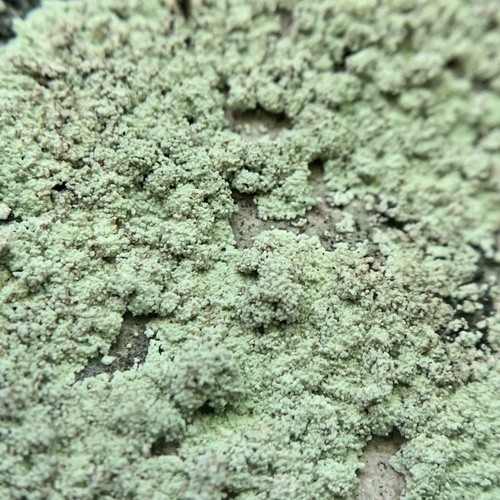
Crocynia
Crocynia is a genus of lichen-forming fungi in the family Ramalinaceae. It has five species. The genus is currently in taxonomic limbo because molecular studies have shown that Crocynia, which has nomenclatural priority over Phyllopsora, is phylogenetically nested within Phyllopsora. This has led to a proposal to conserve the name Phyllopsora over Crocynia to ensure nomenclatural stability and avoid taxonomic disarray.
Scytinium
Scytinium is a genus of lichen-forming fungi in the family Collemataceae. It has 49 species. These lichens are typically found on basic rocks, soil, and trees, occasionally in association with mosses. In its revised sense, Scytinium includes crustose, squamulose or small foliose jelly-lichens with thalli (lichen bodies) usually only a few millimetres to a few centimetres across. Despite the morphological and ecological diversity within Scytinium, its species share similar ascospore features, such as shape and septation, as well as a small to medium-sized thallus with at least a partial .
Enchylium
Enchylium is a genus of lichen-forming fungi in the family Collemataceae. The genus was originally established as a section of the related genus Collema in 1810, but molecular studies have since confirmed it forms a distinct evolutionary lineage. These lichens are characterised by their gelatinous, water-absorbing thalli that swell noticeably after rain and typically colonise bare soil or rock surfaces in well-lit environments. Most species are pioneers that help stabilise loose substrates before other plants and lichens become established.
Lathagrium
Lathagrium is a genus of lichen-forming fungi in the family Collemataceae. It has 10 species of gelatinous lichens. Species in this genus typically grow on calcareous rocks, often amidst mosses, but can also be found on siliceous or serpentine rocks, mortar, or soil.