Category
page 1Taxa described in 1815
Psittacidae
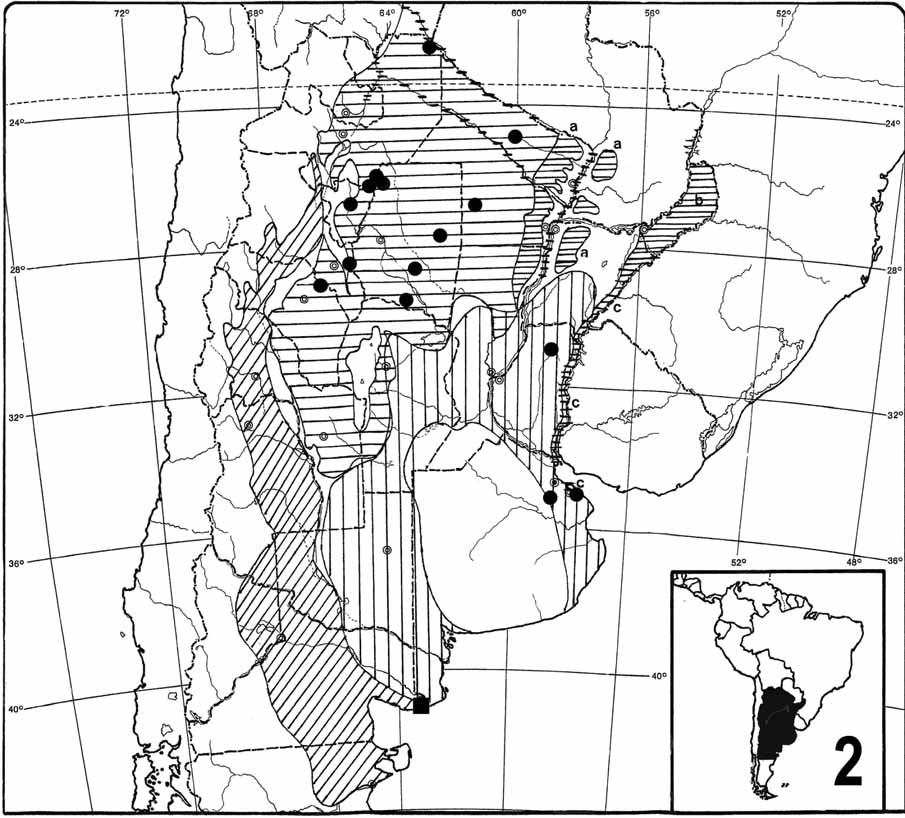
The family Psittacidae or holotropical parrots is one of three families of true parrots. It comprises the 12 species of subfamily Psittacinae (the Afrotropical parrots) and 167 of subfamily Arinae (the New World or Neotropical parrots) including several species that have gone extinct in recent centuries. Some of the most iconic birds in the world are represented here, such as the blue-and-yellow macaw among the New World parrots and the grey parrot among the Afrotropical parrots.

Buprestidae
Buprestidae is a family of beetles known as jewel beetles or metallic wood-boring beetles because of their glossy, iridescent colors. Larvae of this family are known as flatheaded borers. The family is among the largest of the beetles, with some 15,500 species known in 775 genera. In addition, almost 100 fossil species have been described.
Buprestoidea
Buprestoidea is a superfamily of beetles.
Stentor
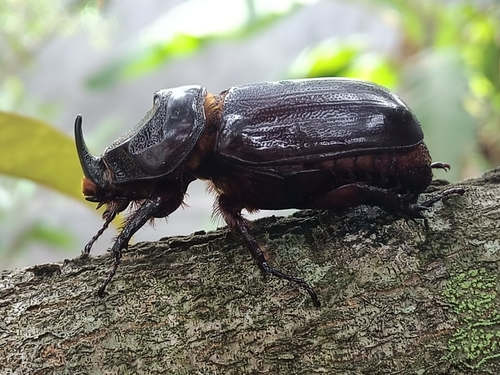
genus of protists
Taphrina
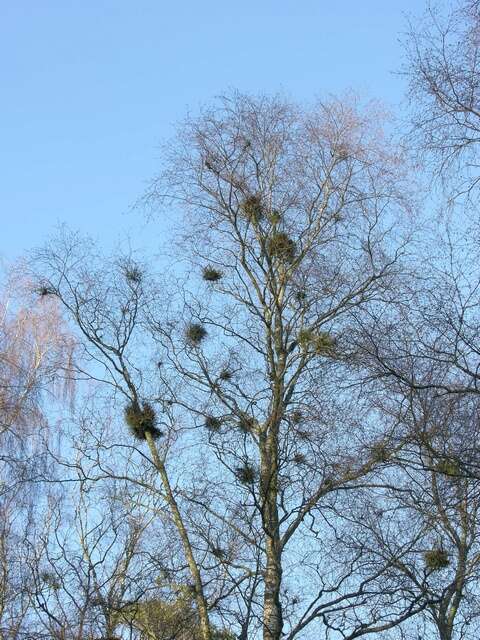
Taphrina is a fungal genus within the Ascomycota that causes leaf and catkin curl diseases and witch's brooms of certain flowering plants. One of the more commonly observed species causes peach leaf curl. Taphrina typically grow as yeasts during one phase of their life cycles, then infect plant tissues in which typical hyphae are formed, and ultimately they form a naked layer of asci on the deformed, often brightly pigmented surfaces of their hosts. No discrete fruit body is formed outside of the gall-like or blister-like tissues of the hosts. The asci form a layer lacking paraphyses, and they

Aurinia
The gastropod genus Aurinia is nowadays usually considered a junior synonym of Scaphella.
Braya
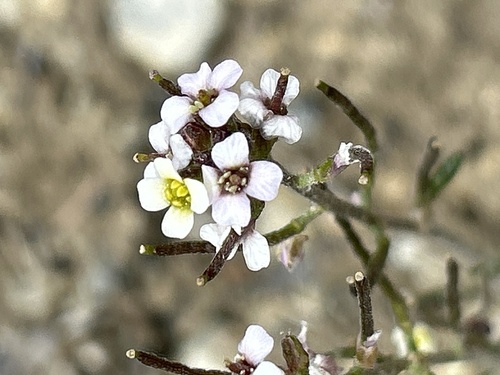
Braya is a genus of plants in the family Brassicaceae. It includes 22 species native to subarctic and subalpine Eurasia and North America.
Phragmidium
Phragmidium is a genus of rust fungus that typically infects plant species in the family Rosaceae. It is characterised by having stalked teliospores borne on telia each having a row of four or more cells. All species have a caeoma which is a diffuse aecidium lacking a peridium.
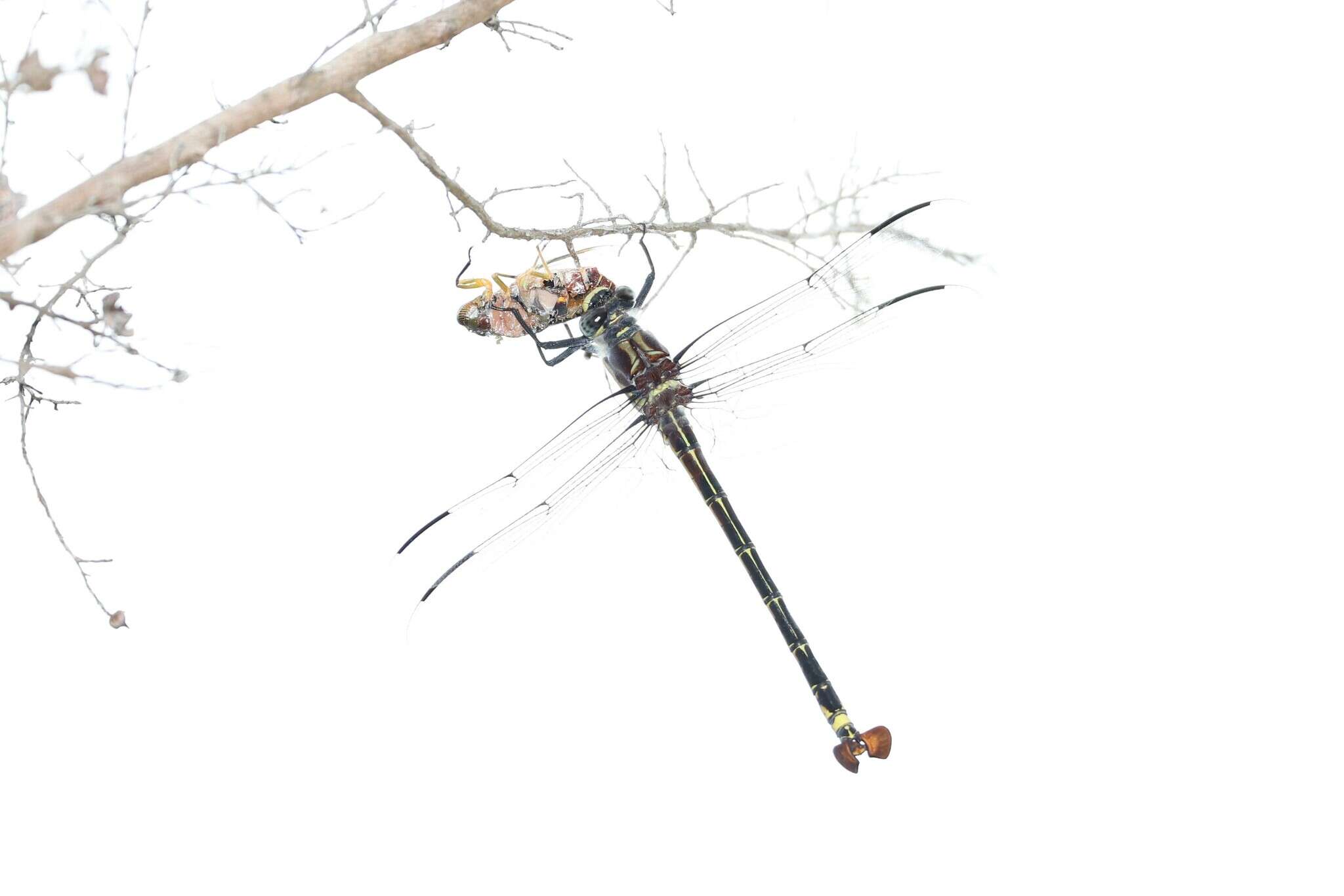
Petalura
Petalura is a genus of very large dragonflies in the family Petaluridae.
Species of Petalura are brown or black with yellow markings and usually clear wings. The anal appendages of the males are broad and leaf-like giving them their common name of petaltails.
They are endemic to south-western and eastern Australia.

Rhizina
Rhizina is a genus of ascomycete fungi in the order Pezizales. The genus was circumscribed by Elias Magnus Fries in his 1815 work Observationes mycologicae, with R. undulata as the type species. R. atra and R. lignicola were added to the genus in 1921 and 1925, respectively, by Australian botanist Leonard Rodway.
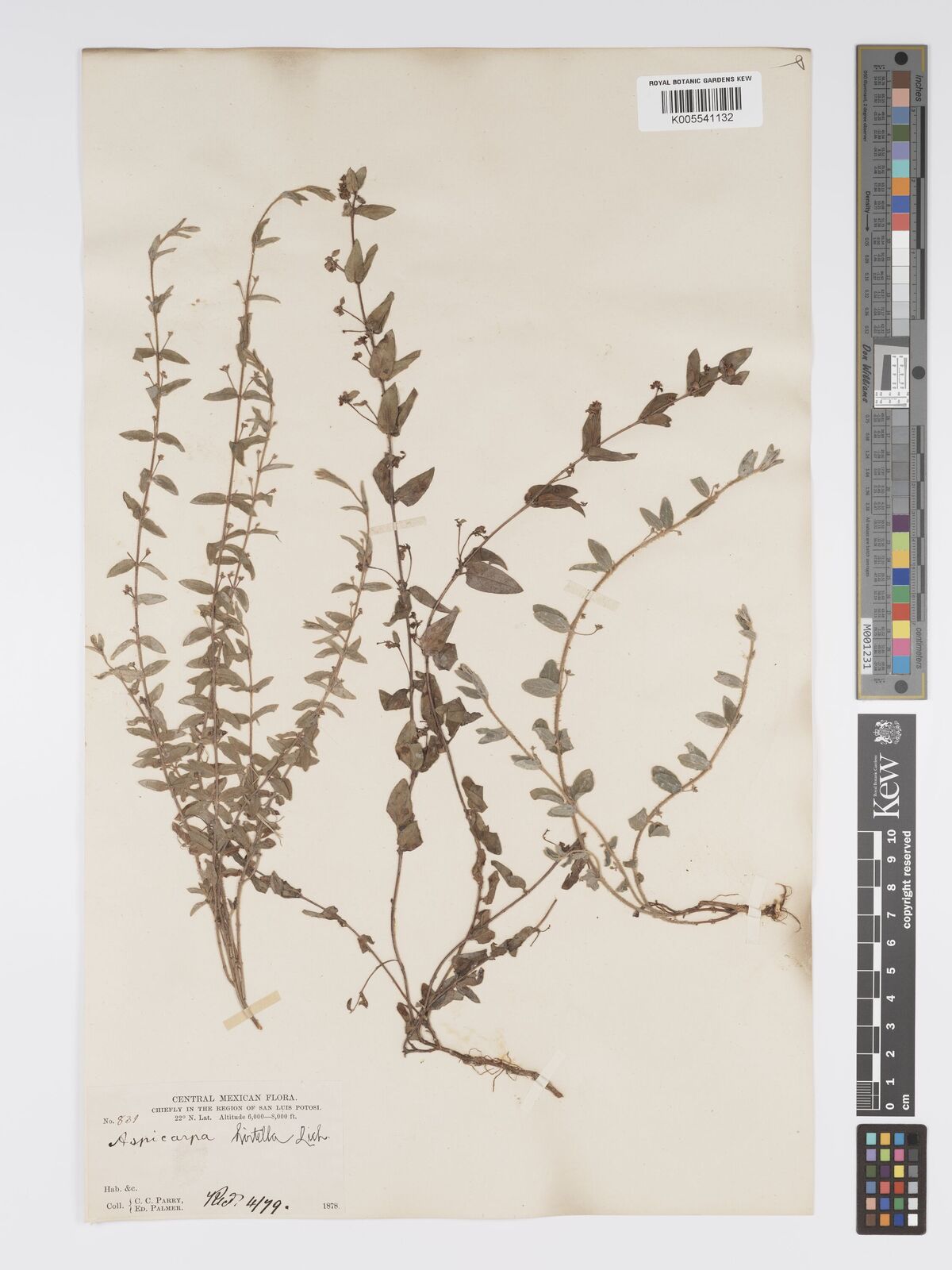
Aspicarpa
Aspicarpa is a genus of flowering plants belonging to the family Malpighiaceae. It includes 25 species native to the subtropical and tropical Americas, ranging from the southwestern United States (Arizona, New Mexico, and Texas) through Mexico and Central America to Colombia and Venezuela.
Tethya
Tethya is a genus of sea sponges belonging to the family Tethyidae. Members of this genus all have a spherical body form and some are known to be able to move at speeds of between 1 and 4 mm per day.

Cyphelium
Cyphelium is a genus of crustose areolate lichens with cup-like apothecia filled with sooty black spores. The genus is in the family Caliciaceae . The genus has a widespread distribution, especially in north and south temperate regions, and contains about 12 species. Members of the genus are commonly called soot lichens.
Phronimoidea
Phronimoidea is a superfamily of planktonic amphipod crustaceans in the sub-order Hyperiidea.
Helicinae
Helicinae is a subfamily of terrestrial gastropods in the family Helicidae. It contains mostly large land snail species, distributed in the western Palaearctic. The most recent (as of 2023) classification proposed division into three tribes.