Category
page 1Taxa described in 1831

Cebidae
The Cebidae are one of the five families of New World monkeys now recognised. Extant members are the capuchin and squirrel monkeys. These species are found throughout tropical and subtropical South and Central America.

Leptoptilos
Leptoptilos is a genus of very large tropical storks, commonly known as adjutants. The name means thin (lepto) feather (ptilos). Two species are resident breeders in southern Asia, and the marabou stork is found in Sub-Saharan Africa.
.jpg)
Cercotrichas
Cercotrichas is a genus of medium-sized insectivorous birds. They were formerly considered to be in the thrush family, (Turdidae), but are more often now treated as part of the Old World flycatcher family, (Muscicapidae).
Hipposideros
Hipposideros is one of the most diverse genera of bats, with more than 70 species. They are collectively called roundleaf bats after the shape of their nasal ornament. It is the type genus of the family Hipposideridae. It is divided into species groups based on morphology.
Bombycillidae
REDIRECT Waxwing
Hymenogastraceae
The Hymenogastraceae is a family of fungi in the order Agaricales with both agaric and false-truffle shaped fruitbodies. Formerly, prior to molecular analyses, the family was restricted to the false-truffle genera. The mushroom genus Psilocybe in the Hymenogastraceae is now restricted to the hallucinogenic species while nonhallucinogenic former species are largely in the genus Deconica classified in the Strophariaceae.

Dolichoderus
Dolichoderus is a genus of ants found worldwide.

Staurogyne
Staurogyne is a genus of plants in the family Acanthaceae.

Goeppertia
Goeppertia is a genus of flowering plants in the family Marantaceae, native to the New World Tropics. It contains 243 accepted species, many of which were until recently assigned to Calathea. It was first described by Nees von Esenbeck in 1831, who erroneously erected another genus Goeppertia in 1836, which has now been synonymized with Endlicheria. In 1862 August Grisebach described another genus Goeppertia; this has now been synonymized with Bisgoeppertia.

Melanogaster
genus of fungi

treepie
The treepies (known also as crypsirinines from the subfamily's name, Crypsirininae) comprise four closely related genera (Dendrocitta, Crypsirina, Temnurus and Platysmurus) of long-tailed passerine birds in the family Corvidae. There are 12 species of treepie. Some treepies are similar to magpies. Most treepies are black, white, gray or brown. They are found in Southeast Asia. They live in tropical forests. They are highly arboreal and rarely come to the ground to feed.
Dontostemon
thumb
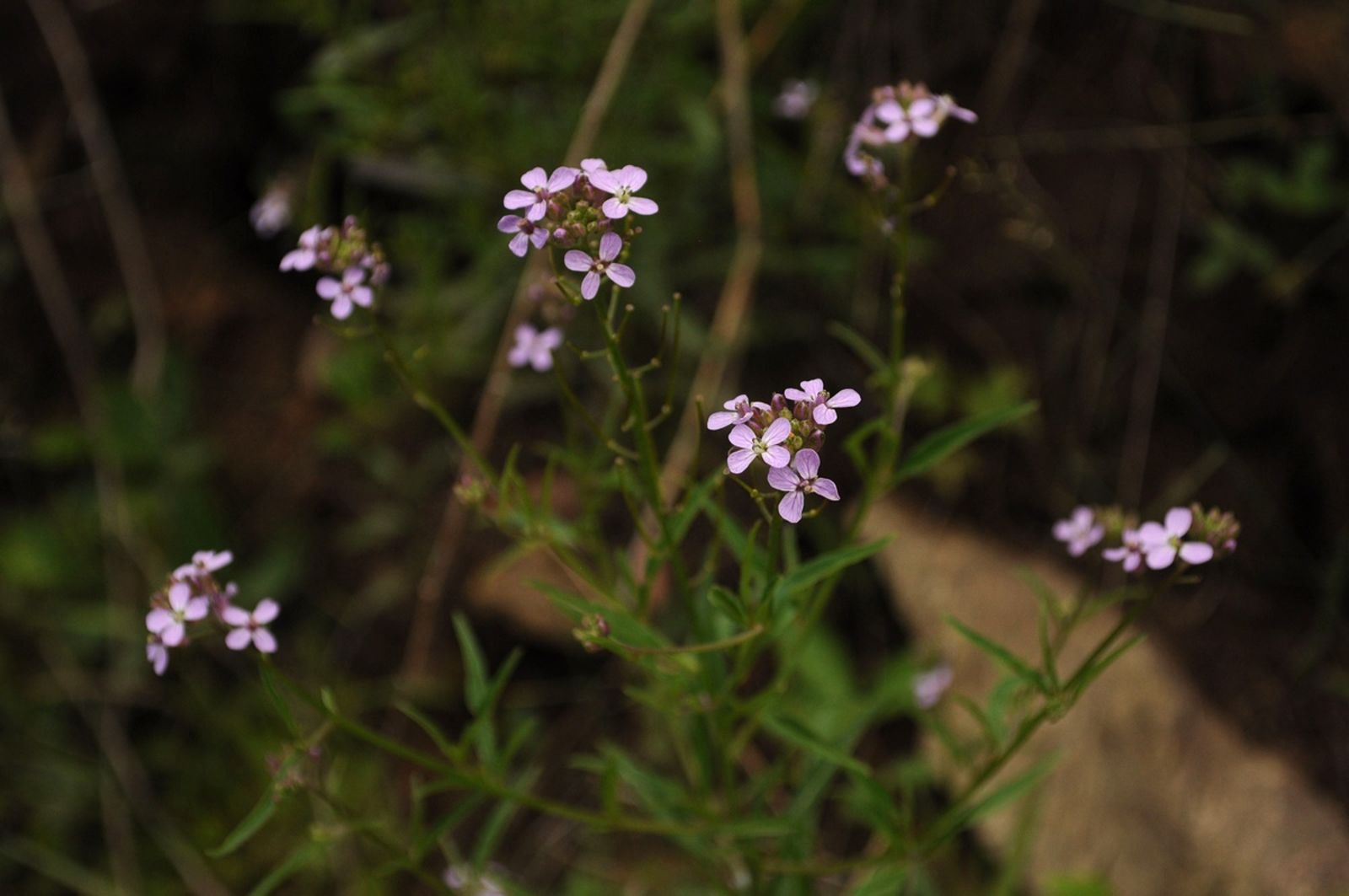
Dontostemon is a genus of flowering plants belonging to the family Brassicaceae. Its native range is Siberia to Temperate Eastern Asia.
Rhabdocoela
Rhabdocoela is an order of flatworms in the class Rhabditophora with about 1700 species described worldwide. The order was first described in 1831 by Christian Gottfried Ehrenberg. Most of rhabdocoels are free-living organisms, but some live symbiotically with other animals.

Sphaerophoraceae
The Sphaerophoraceae are a family of lichen-forming fungi in the order Lecanorales. Species of this family have a widespread distribution, especially in southern temperate regions, with particular diversity in cool temperate rainforests and strongly oceanic areas of both hemispheres. The family, proposed by Elias Magnus Fries in 1831, is characterised by boundary tissue separating generative and vegetative parts, and includes species with various growth forms ranging from shrub-like (fruticose) to crusty (crustose). Most members produce , specialised spore-dispersing structures typically found
Melete
genus of insects
Drymonia
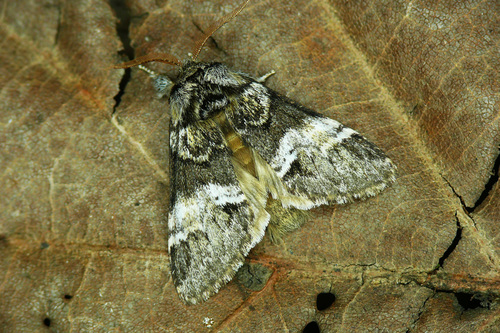
genus of plants
Abaris
genus of insects
Phlyctis
Phlyctis is a genus of lichen-forming fungi in the order Gyalectales, and the type genus of the family Phlyctidaceae. Members of the genus are commonly called whitewash lichens. These parasitic lichens typically form very thin, patchy crusts on host surfaces or live almost entirely within their hosts, producing minute fruiting bodies that remain largely hidden beneath a coarse white . The genus is characterised by spores that are densely divided by many walls into a net-like pattern and often have tiny points at their ends. Phlyctis contains about 20 species distributed worldwide, with several
Siphula
Siphula is a genus of lichen-forming fungi in the family Icmadophilaceae. The widespread genus was circumscribed by the Swedish mycologist Elias Fries in 1831.
Cybianthus
Cybianthus is a genus of shrubs and trees in the family Primulaceae. It includes 156 species native to the tropical Americas, ranging from Nicaragua to Bolivia, Paraguay, and southern Brazil.
Ptilotrichum
Ptilotrichum is a genus of flowering plants belonging to the family Brassicaceae. It includes a single species, Ptilotrichum canescens, a subshrub native to temperate Asia, which ranges from southern Siberia to northern China and the western Himalaya.
Steirodon
Steirodon is a genus of large phaneropterine katydids in the family Tettigoniidae, native to tropical and subtropical forests in South America, Central America and Mexico.
Thrombium
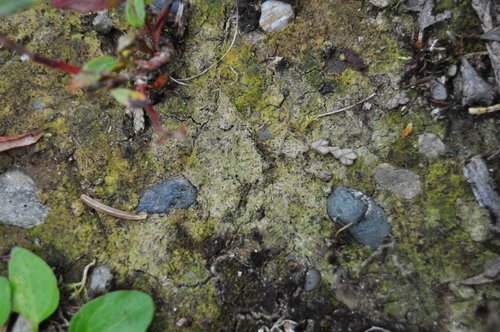
Thrombium is a genus of lichen-forming fungi in the family Protothelenellaceae. The genus was established in 1831 by the German lichenologist Karl Friedrich Wilhelm Wallroth, who originally described numerous species under this name. Thrombium species are characterized by their extremely thin, often barely visible crusty thalli and tiny black fruiting bodies embedded in the substrate. These lichens grow on soil, rocks, mosses, and plant debris in various habitats around the world. The genus has undergone significant taxonomic revision over the years, with DNA studies confirming its placement i