Category
page 1Taxa described in 1838
Petauridae
Petauridae is a family of possums containing 14 species: four species of trioks and striped possum (genus Dactylopsila), eight species of wrist-winged glider (genus Petaurus), and Leadbeater's possum (Gymnobelideus leadbeateri), which has only vestigial gliding membranes. Most of the wrist-winged gliders are native to Australia, whereas most of the striped possums to New Guinea, but some members of each group are found on both sides of the Torres Strait. Leadbeater's possum is endemic to Victoria, Australia.

Saccharomyces
Saccharomyces is a genus of fungi that includes many species of yeasts. The name Saccharomyces is from Greek () and () and means sugar fungus. Many members of this genus are considered very important in food production where they are known as brewer's yeast, baker's yeast and sourdough starter among others. They are unicellular and saprotrophic fungi. One example is Saccharomyces cerevisiae, which is used in making bread, wine, and beer, and for human and animal health. Other members of this genus include the wild yeast Saccharomyces paradoxus that is the closest relative to S. cerevisiae, Sac

Entoloma
Entoloma is a genus of fungi in the order Agaricales. Called pinkgills in English, basidiocarps (fruit bodies) are typically agaricoid (gilled mushrooms), though a minority are gasteroid. All have salmon-pink basidiospores which colour the gills at maturity and are angular (polyhedral) under a microscope. The genus is large, with almost 2000 species worldwide. Most species are saprotrophic, but some are ectomycorrhizal, and a few are parasitic on other fungi. The type, Entoloma sinuatum, is one of several Entoloma species that are poisonous, typically causing mild to severe gastrointestinal il
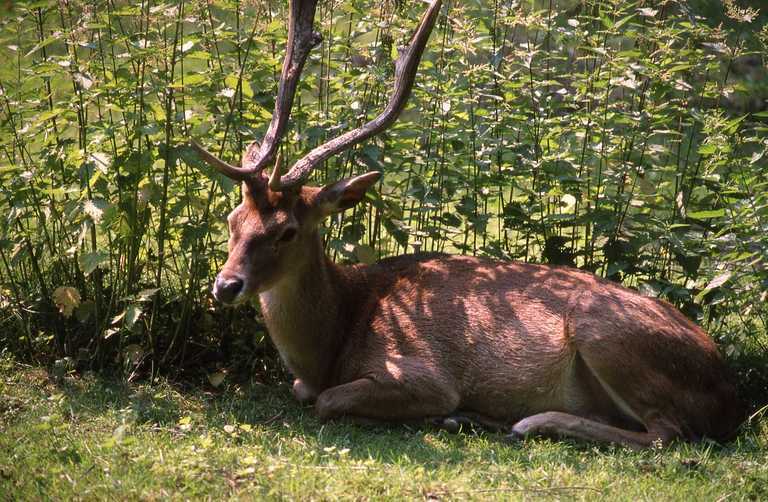
Rucervus
Rucervus is a genus of deer from India, Nepal, Indochina, and the Chinese island of Hainan. The only extant representatives, the barasingha or swamp deer (R. duvaucelii) and Eld's deer (R. eldii), are threatened by habitat loss and hunting; another species, Schomburgk’s deer (R. schomburgki), went extinct in 1938. Deer species found within the genus Rucervus are characterized by a specific antler structure, where the basal ramification is often supplemented with an additional small prong, and the middle tine is never present. The crown tines are inserted on the posterior side of the beam and m
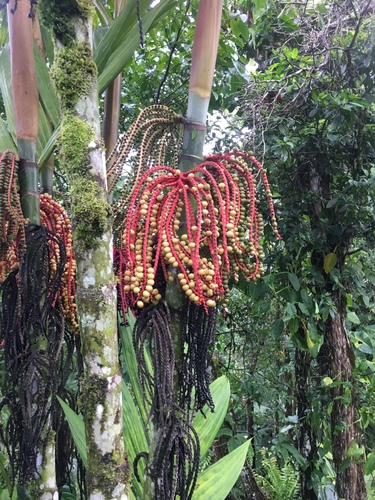
Pinanga
Pinanga is a genus of flowering plant of the palm family in the subtribe Arecinae. It is native to eastern and southern Asia (India, China, Indo-China, Malesia) across to New Guinea.
Geoglossaceae
Geoglossaceae is a family of fungi in the order Geoglossales, class Geoglossomycetes. These fungi are broadly known as earth tongues. The ascocarps of most species in the family Geoglossaceae are terrestrial and are generally small, dark in color, and club-shaped with a height of 2–8 cm. The ascospores are typically light-brown to dark-brown and are often multiseptate. Other species of fungi have been known to parasitize ascocarps. The use of a compound microscope is needed for accurate identification.
Panus
Panus is a genus of fungi in the family Polyporaceae.
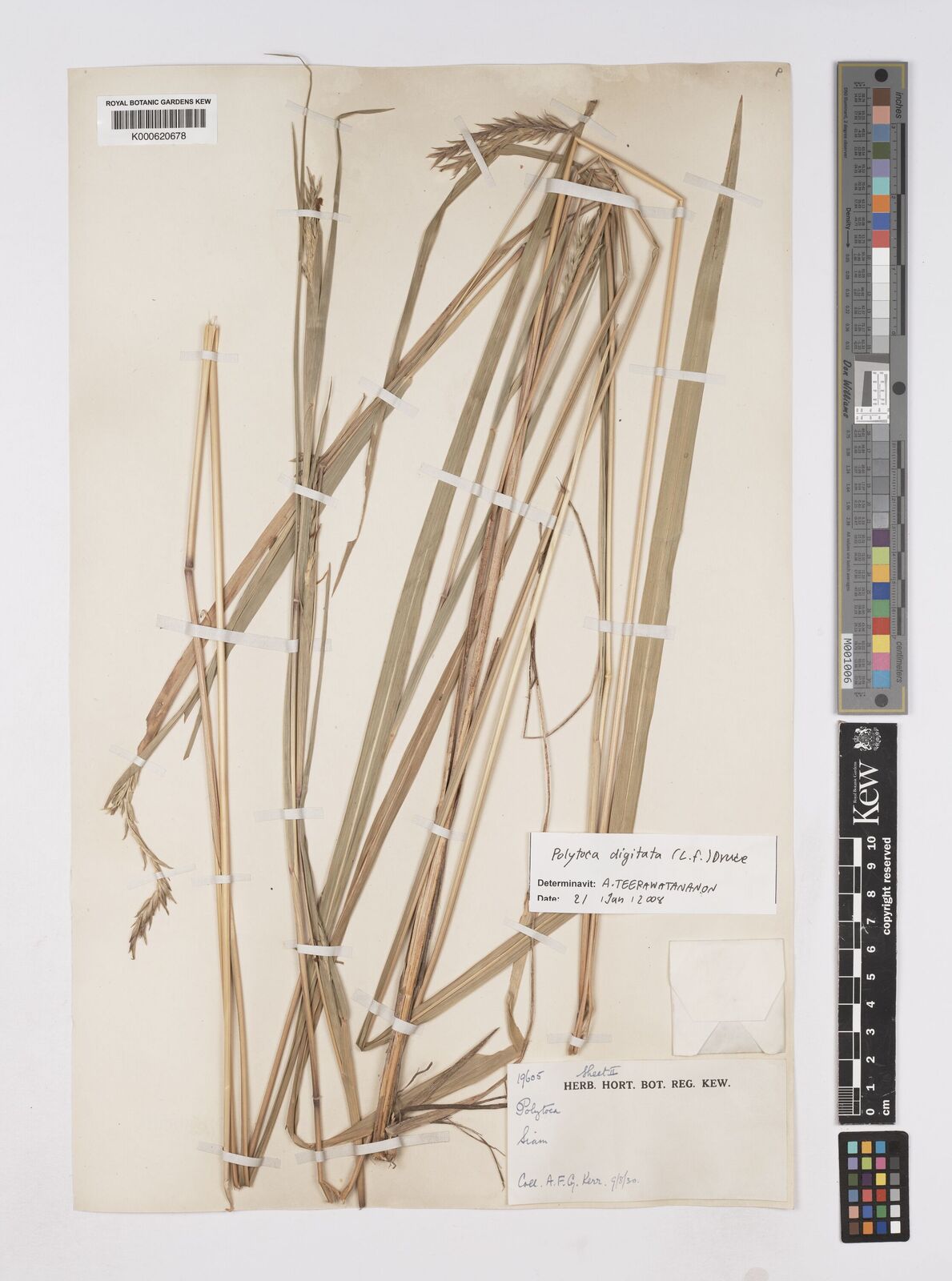
Polytoca
Polytoca is a genus of Indomalayan and Australasian plants in the grass family.
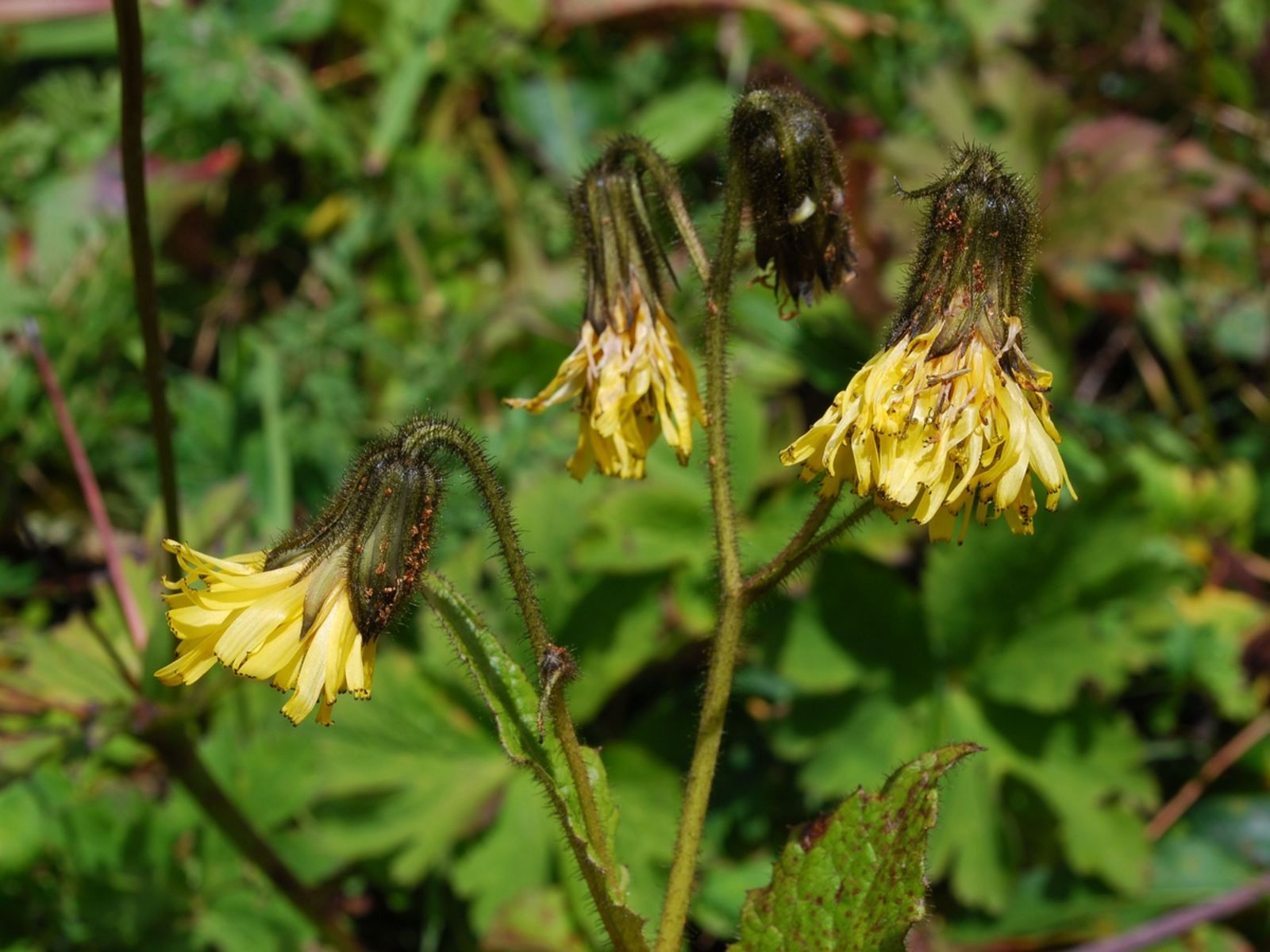
Dubyaea
Dubyaea is a genus of Asian flowering plants in the family Asteraceae, native to the Himalayas, Tibet, Myanmar, and south-central China.
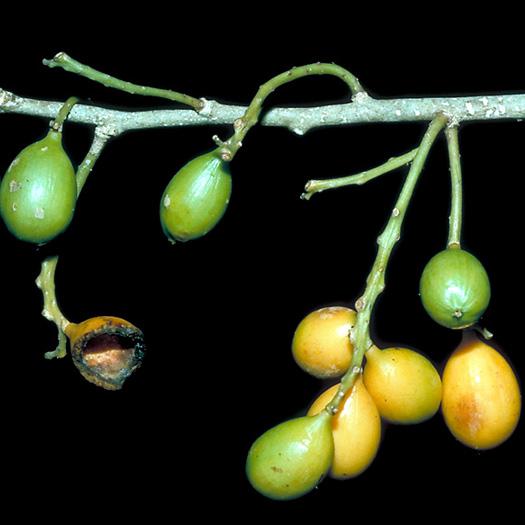
Scleropyrum
Scleropyrum is a genus of flowering plants in the family Santalaceae. It includes five species of evergreen small trees or shrubs native to tropical and subtropical Asia and New Guinea.
Scleropyrum aurantiacum
Scleropyrum brevistachyum
Scleropyrum leptostachyum
Scleropyrum maingayi
Scleropyrum pentandrum

Xantolis
Xantolis is a genus of trees and shrubs in the family Sapotaceae described as a genus in 1838.
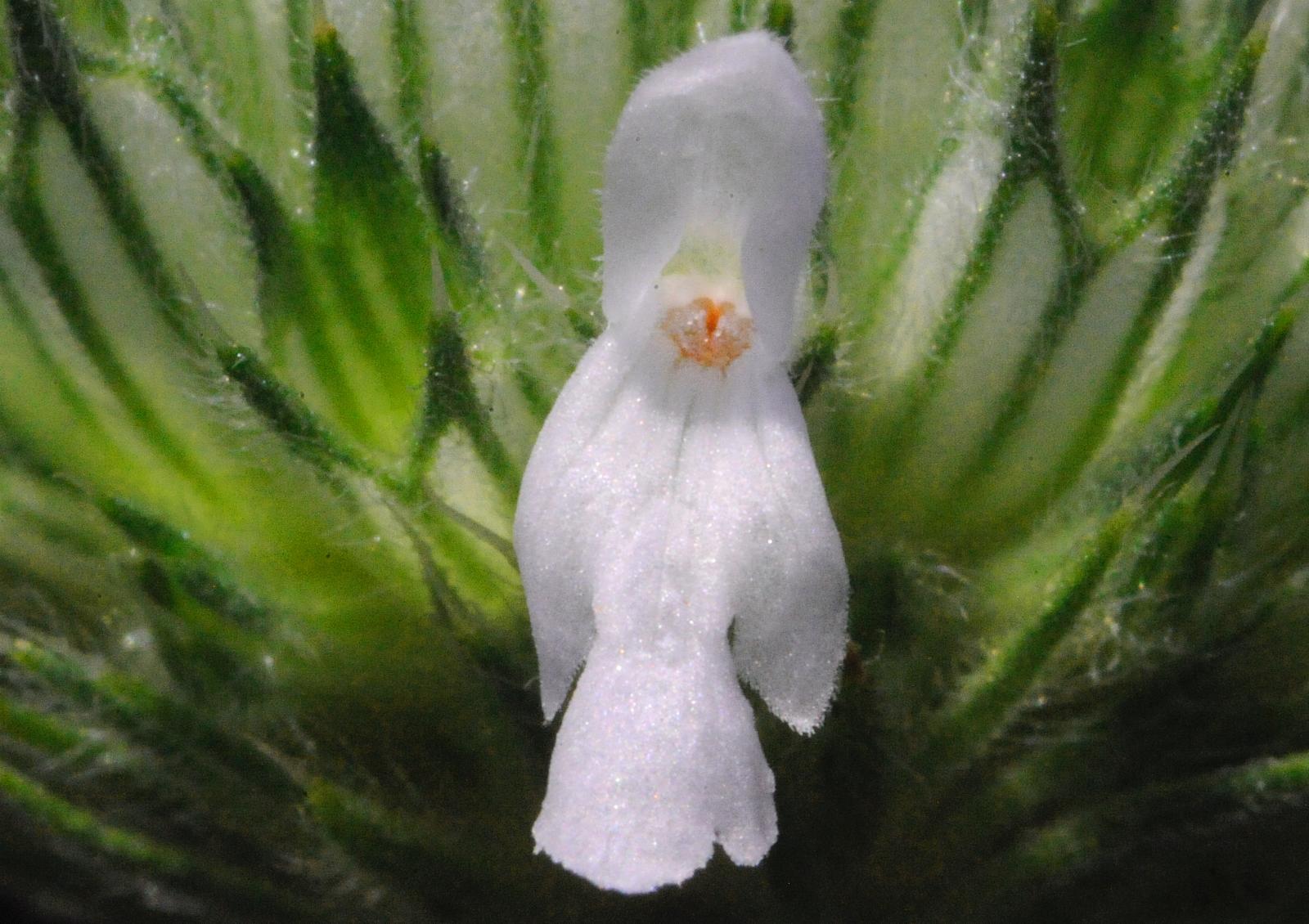
Acrotome
Acrotome (horsefrights) is a genus of plants in the family Lamiaceae, first described in 1838. The genus is native to the southern part of Africa.
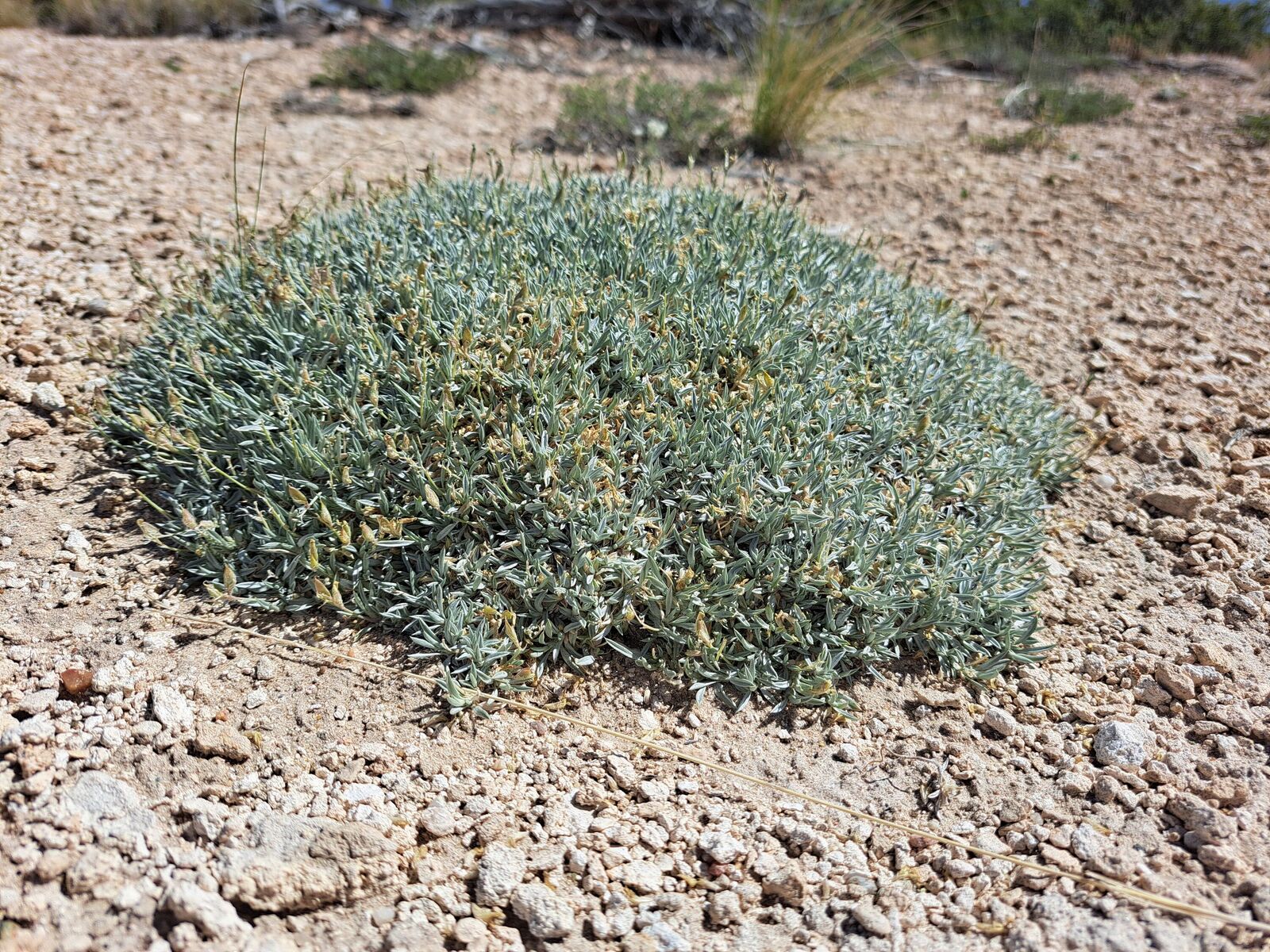
Astragalus spatulatus
species of plant
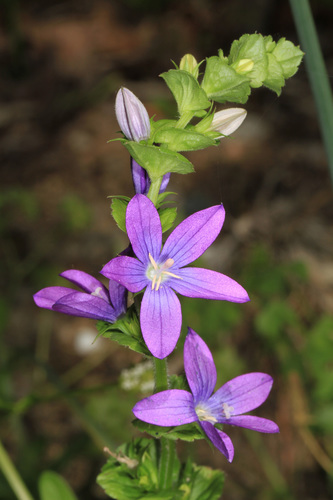
Triodanis
Triodanis is a genus of flowering plants within the family Campanulaceae, native to North and South America. '''Venus' looking-glass''' is a common name for plants in this genus.
Diplopterys
Diplopterys is a genus of flowering plants in the family Malpighiaceae. It includes 31 species native to the tropical Americas, ranging from Mexico to southern Brazil and northwestern Argentina.
Avenella
Avenella is a genus of grasses. It contains two species, widely distributed in temperate regions of Eurasia, North America, South America, and northwest Africa, and tropical mountains in east-central Africa and Malesia.
Avenella flexuosa
Avenella foliosa
Cryptodiscus
Cryptodiscus is a genus of fungi in the family Stictidaceae. These tiny fungi primarily decompose weathered wood, producing minute, cup-shaped fruiting bodies that remain mostly embedded within their substrate and open through small pores. Most species are wood-decaying saprotrophs found on bark-free branches and logs; one species forms thin, lichen-like crusts on soil and dead moss. The genus is distributed worldwide in boreal and temperate regions.
Agyriaceae
The Agyriaceae are a family of lichenized fungi in the order Pertusariales. It contains two genera: Agyrium, and Miltidea. The family was circumscribed by August Carl Joseph Corda in 1838.
Diplacus
thumb|Steamboat monkeyflower, Diplacus ovatus. Carson Range, 2017
Diplacus is a genus of flowering plants in the family Phrymaceae, which was traditionally placed in family Scrophulariaceae. It includes 49 species native to the western United States and northwestern Mexico. Most prefer dry and rocky areas.
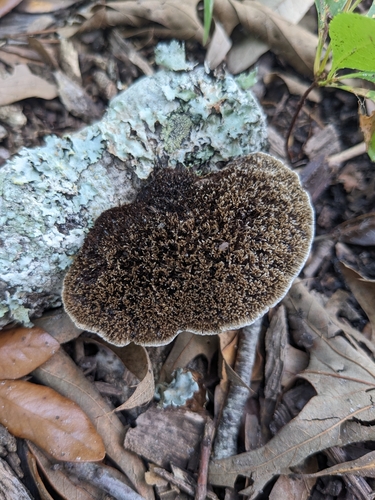
Hexagonia
genus of fungi
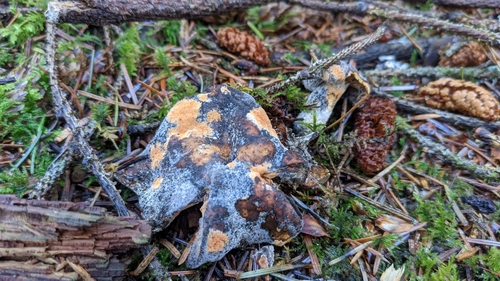
Acrostalagmus
Acrostalagmus is a genus of fungi belonging to the family Plectosphaerellaceae.
Eneoptera
thumb|Call of Eneoptera surinamensis.
Eneoptera is a genus of cricket from the family Gryllidae. It is the sole member of the monotypic tribe Enopterini.
It contains five species.
Lasiosiphon
thumb | right
Lasiosiphon is a genus of flowering plants belonging to the family Thymelaeaceae.
Adacna
Adacna is a genus of fresh- and brackish-water bivalve molluscs of the cockle family (Cardiidae). It includes species characterized by thin shells, with flattened ribs and usually rather deep pallial sinus. The four extant species are found in fresh- and brackish-water lakes of the Danube Delta, estuaries (limans) of the north-western Black Sea, the Taganrog Bay of the Sea of Azov and the Caspian Sea. Two Caspian species were also present in the Aral Sea, where they went extinct by the end of the 1970s as the lake was shrinking and became more saline. Two fossil species have been described fro
Didacna
Didacna is a genus of brackish-water bivalve molluscs of the cockle family (Cardiidae) characterized by rounded-triangular, oval or trapezoidal shells with flattened ribs. It includes about 90 accepted species, 9 of which are extant and endemic to the Caspian Sea. The genus presumably originated in the Black Sea and the Caspian Sea basins during the Pleistocene around 900,000 years ago. However, several fossil species from older deposits outside of those basins have also sometimes been classified within this genus. These cockles are sedentary filter feeders that bury into the sediment and feed
Leucoblepharis
Leucoblepharis is a genus of flowering plants in the family Asteraceae. It includes a single species, Leucoblepharis subsessilis, which is endemic to India.
Schizothecium
Schizothecium is a genus of fungi in the family Lasiosphaeriaceae.