Category
page 1Taxa described in 1849
Gallicolumba
Gallicolumba is a mid-sized genus of ground-dwelling doves (family Columbidae), most of which occur in rainforests on the Philippines. Local name 'punay' which is a general term for pigeons and doves. They are not closely related to the American ground doves genus (Columbina and related genera). Rather, the present genus is closest to the thick-billed ground pigeon.

Calvatia
Calvatia is a genus of puffball mushrooms that includes the giant puffball C. gigantea. It was formerly classified within the now-obsolete order Lycoperdales, which, following a restructuring of fungal taxonomy brought about by molecular phylogeny, has been split; the puffballs, Calvatia spp. are now placed in the family Lycoperdaceae of the order Agaricales.

Stromanthe
Stromanthe is a genus of flowering plants in the family Marantaceae, native to the tropical portions of the Americas from Mexico to Trinidad to northern Argentina.
Capnodium
Capnodium is a genus of sooty molds in the family Capnodiaceae. It was circumscribed in 1849 by French mycologist Camille Montagne with Capnodium salicinum as the type species.
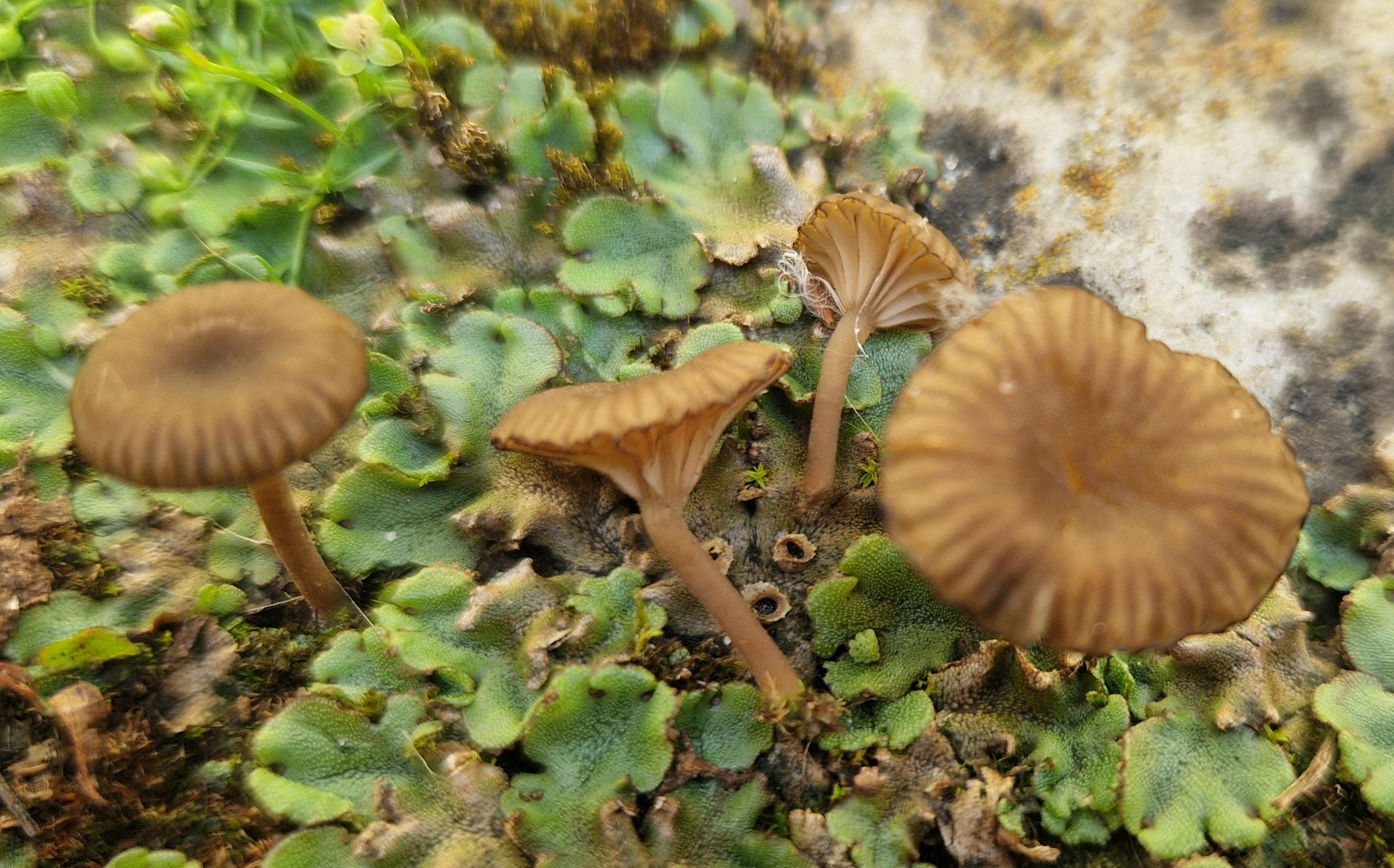
Arrhenia
Arrhenia is a genus of fungi in the family Hygrophoraceae. Arrhenia also includes species formerly placed in the genera Leptoglossum and Phaeotellus and the lectotype species itself has an unusual growth form that would not normally be called agaricoid. All of the species grow in association with photosynthetic organisms such as mosses and the alga found on decaying wood and soil biocrusts. Typically the fruitbodies of Arrhenia species are grey to black or blackish brown, due to high concentrations of fungal melanin.
Perisama
Perisama is a brush-footed butterfly genus found in the Neotropical realm, ranging from Colombia and Venezuela to Argentina.
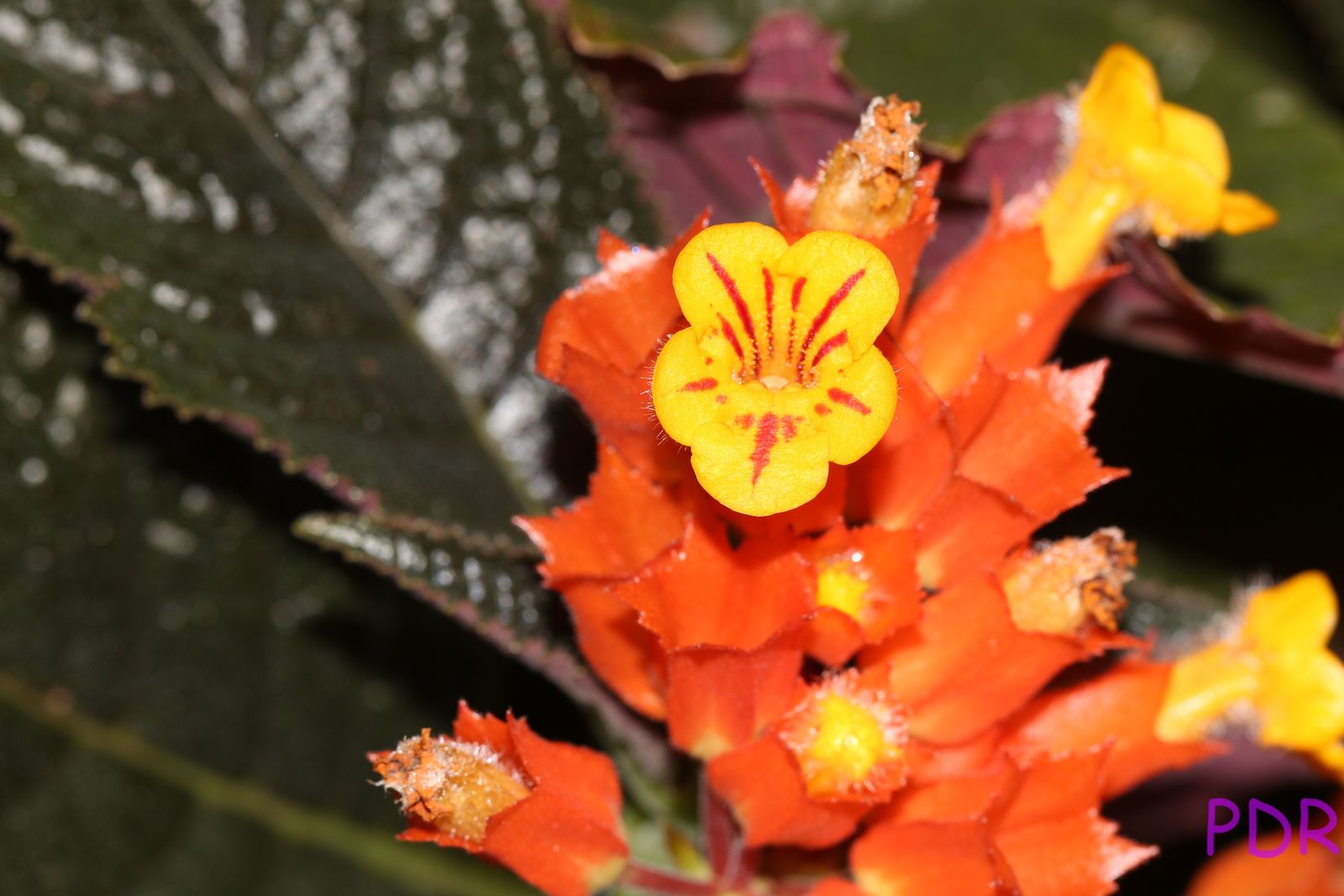
Chrysothemis
genus of plants

Stictidaceae
The Stictidaceae are a family of fungi in the order Ostropales. It has 30 genera and about 240 species.

Urnula
Urnula is a genus of cup fungi in the family Sarcosomataceae, circumscribed by Elias Magnus Fries in 1849. The genus contains several species found in Asia, Europe, Greenland, and North America. Sarcosomataceae fungi produce dark-colored (brown to black), shallow to deep funnel-shaped fruitbodies with or without a stipe, growing in spring. The type species of the genus is Urnula craterium, commonly known as the devil's urn or the gray urn. Urnula species can grow as saprobes or parasites having an anamorphic state. The anamorphic form of U. craterium causes Strumella canker, on oak trees.
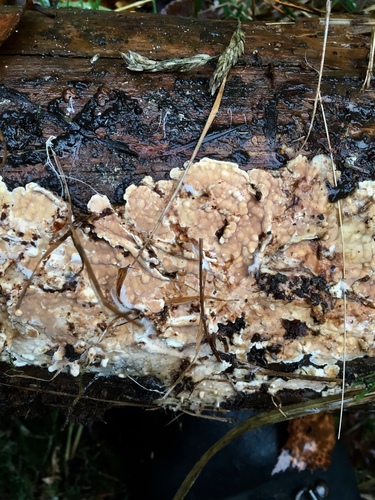
Dacryobolus
Dacryobolus is a genus of crust fungi in the family Fomitopsidaceae. Elias Fries circumscribed the genus in 1849 with Dacryobolus sudans (then known as Hydnum sudans Alb. & Schwein.) as the type species. Dacryobolus are wood-decay fungi that cause a brown rot.
Diplotomma
Diplotomma is a genus of lichen-forming fungi in the family Caliciaceae. The genus has a widespread distribution and contains 14 species. These lichens form firmly attached, crust-like patches that range from pale to dark grey and can appear smooth or cracked into an irregular mosaic pattern on their substrate. They produce black, disc-shaped fruiting bodies that start buried in the crust and later emerge to sit roughly flush with the surface, often dusted with a greyish-white powder.

Tribulopis
Tribulopis is a genus of flowering plants belonging to the family Zygophyllaceae. Species of the genus are endemic to Australia.
Blennodia
Blennodia is a genus of flowering plants belonging to the family Brassicaceae.
Passalora
Passalora is a genus of fungi in the family Mycosphaerellaceae. It has about 250 species.
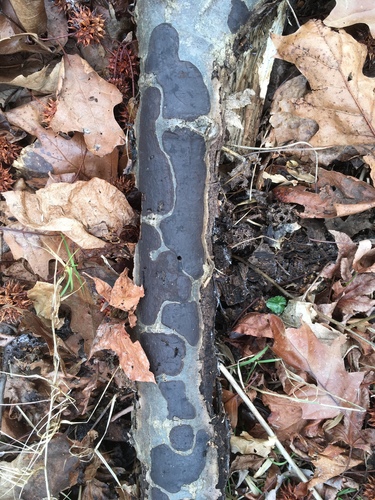
Camillea
Camillea is a genus of fungi in the family Graphostromataceae. Collectively, the 40+ species in the genus have a widespread distribution, but are especially prevalent in tropical areas. Fruit bodies of Camillea species tend to be cylindrical in shape. The genus was originally circumscribed by Swedish mycologist Elias Fries in his 1849 work Summa vegetabilium Scandinaviae.
Chlorosplenium
Chlorosplenium is the sole genus in the fungal family Chlorospleniaceae. The genus was circumscribed by Elias Magnus Fries in 1849.
Cystocoleus
Cystocoleus is a fungal genus in the family Cystocoleaceae. The genus was established in 1849 by the British botanist G.H.K. Thwaites and is now considered to contain only one species, Cystocoleus ebeneus. These fungi form minute, sooty-brown to black patches made up of densely packed, brittle filaments that have a fluffy, felt-like appearance. They typically grow on shaded rock faces or damp bark near running water.
Gloeosporium
Gloeosporium is a genus of fungi belonging to the family Dermateaceae.
Endothia
Endothia is a genus of fungi within the family Cryphonectriaceae.
Melogramma
Melogramma is a genus of fungi in the family Melanconidaceae. The genus was circumscribed by Elias Magnus Fries in 1849.