Category
page 1Taxa described in 1853

North Pacific albatross
genus of birds

Melanopareia
The crescentchests are a genus, Melanopareia, of suboscine passerine birds from South America. The genus has long been placed with the tapaculos in the family Rhinocryptidae. Their placement there has been questioned and in 2007 the genus was placed in its own family, Melanopareiidae, by the South American Classification Committee. Subsequently, the family was accepted by the International Ornithological Congress Bird List and the Clements Checklist. The family Melanopareiidae was formally erected in 2009.
%20(5772490926).jpg)
Margarornis
Margarornis is a genus of passerine birds in the ovenbird family Furnariidae. They are found in South and Middle America. All four species in the genus have "treerunner" in their English name.
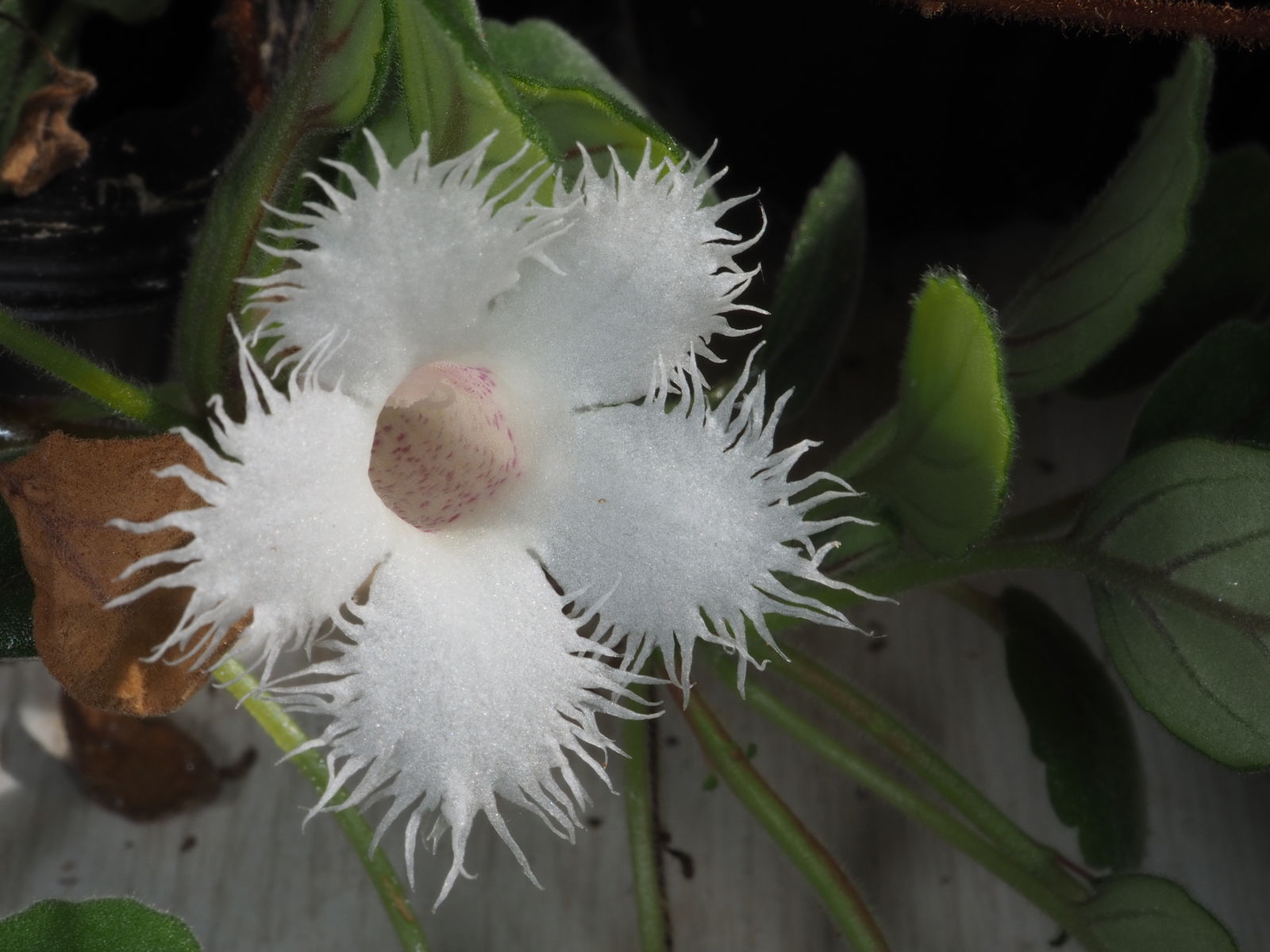
Alsobia
Alsobia is a genus of flowering plants in the family Gesneriaceae, native to Mexico, Guatemala, and Costa Rica. It contains four species.
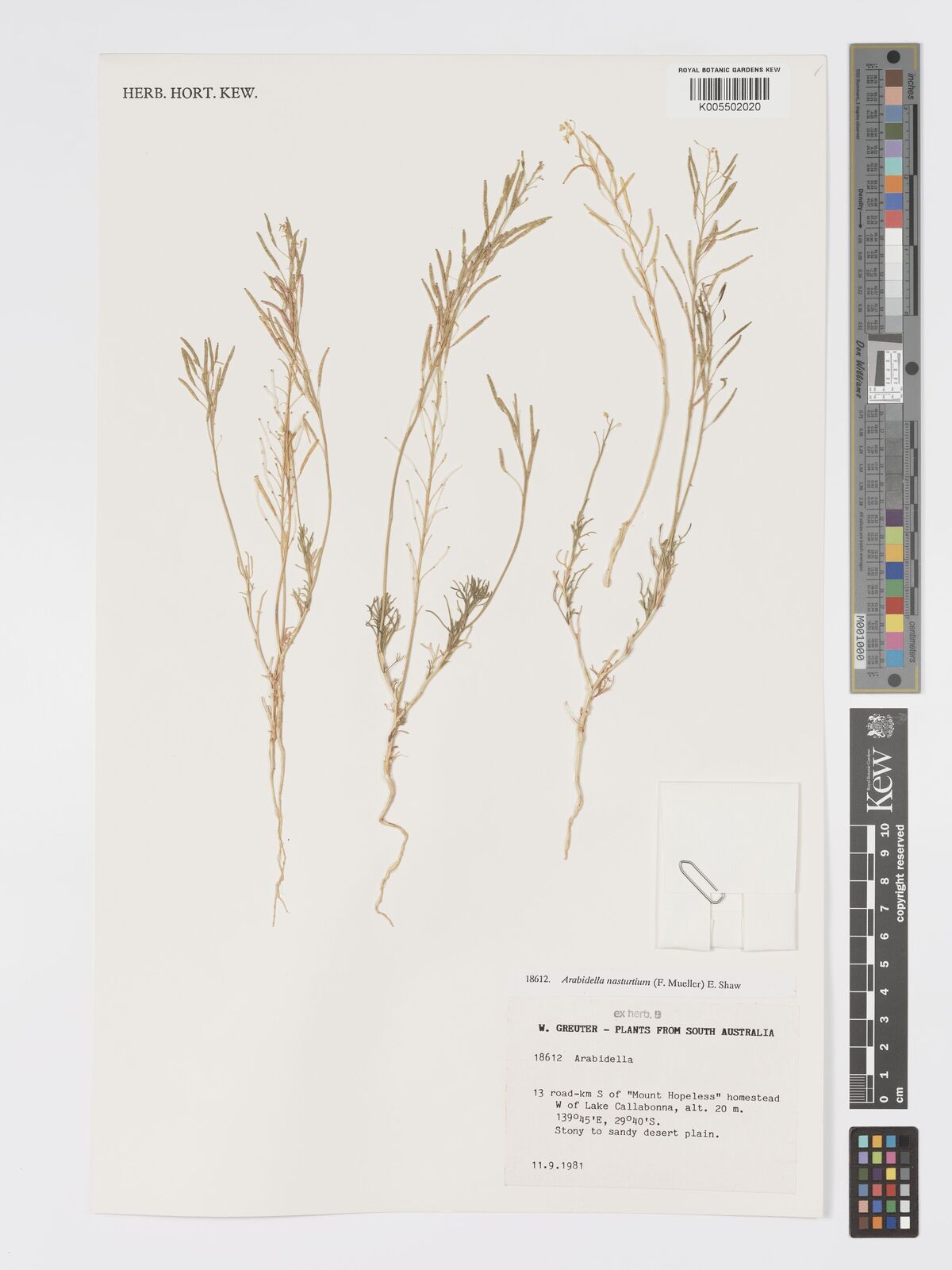
Arabidella
Arabidella is a genus of flowering plants belonging to the family Brassicaceae. It was first described in 1853 by Ferdinand von Mueller as a subgenus of Erysimum (in the family Cruciferae - now Brassicaceae) to give the name, Erysimum subg. Arabidella, but was elevated to genus status by Otto Eugen Schulz in 1924. The type species is Arabidella trisecta.
%20Lumbsch%20169507.jpg)
Diploschistes
Diploschistes is a genus of lichen-forming fungi in the family Graphidaceae. Commonly known as crater lichens, members of the genus are crustose lichens with a thick, cracked (areolate) body (thallus) with worldwide distribution. The fruiting part (apothecia) are immersed in the thick thallus so as to have the appearance of being small "craters". The widespread genus contains about 43 species.
Glossoloma
Glossoloma is a genus of Neotropical plants in the family Gesneriaceae. It includes 20 species which range from southern Mexico to Bolivia. The species in the genus were formerly placed in Alloplectus. They are subshrubs with the leaves clustered at the ends of branches, and tubular flowers.
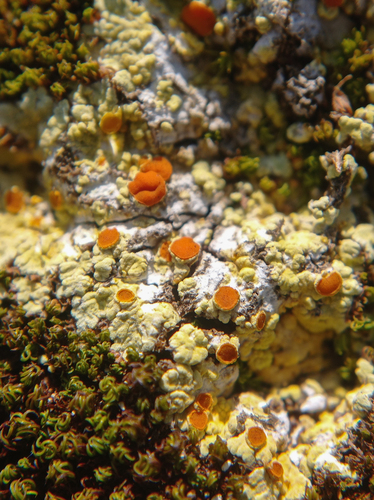
Fulgensia
Fulgensia is a fungal genus in the family Teloschistaceae. The genus was circumscribed by Abramo Bartolommeo Massalongo and Giuseppe De Notaris in 1853, with Fulgensia vulgaris assigned as the type species. Although the genus has had several species in it at times in its taxonomic history, it is now monotypic, as most of its former species have been transferred to Gyalolechia or other Teloschistaceae genera.
Lecania
Lecania is a genus of lichen-forming fungi in the family Ramalinaceae. Lecania is widely distributed, especially in temperate regions, and contains about 65 species. These lichens form thin, crusty growths on various surfaces and produce small disc-shaped fruiting bodies that are typically brown to black in colour. Most species reproduce both sexually through spores and asexually through tiny reproductive structures, allowing them to spread effectively in their environments.
Acaulis
Acaulis is a genus of hydrozoans that typically lives in polar environments but is known to have been observed in subtropical and boreal regions. Its only species is Acaulis primarius. They are said to range in depth from below sea level, and also reproduce asexually.
Physoplexis
Physoplexis comosa, the tufted horned rampion, is a species of flowering plant in the family Campanulaceae, native to alpine Europe. It is the only species in its genus, and was formerly included in Phyteuma. Molecular evidence closely links this species with Phyteuma nigrum.
Aratus
genus of crustaceans
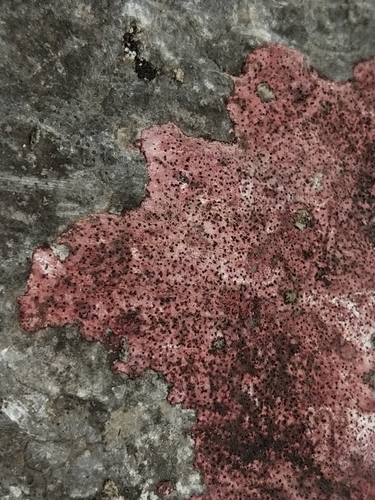
Bagliettoa
Bagliettoa is a genus of lichen-forming fungi in the family Verrucariaceae. Bagliettoa species are endolithic, growing between the grains of solid rock. These lichens are almost invisible to the naked eye, living mostly hidden within limestone and other calcium-rich rocks with only a thin polished rim visible on the surface. They reproduce through tiny flask-shaped fruiting bodies that bore neat pits into the rock as they develop.
Byssoloma
Byssoloma is a genus of leaf-dwelling lichens in the family Ectolechiaceae.
Hemithecium
Hemithecium is a genus of lichen-forming fungi in the family Graphidaceae. These lichens form pale grey-white to yellow-olive crusts on tree bark and are characterized by straight to weakly curved fruiting bodies with charcoal-black walls that create sharp contrasts against the surface, along with distinctive spine-tipped filaments lining their interior chambers. The genus has a pantropical distribution, growing on shaded tree trunks and large branches in primary or lightly disturbed evergreen forests, where their marked sensitivity to canopy opening makes them practical indicators of intact,
Scyphacidae
Scyphacidae is a family of woodlice in the order Isopoda. It contains 6 genera and about 20 described species in Scyphacidae.
Teloschistes
Teloschistes is a genus of lichen-forming fungi in the family Teloschistaceae, of which it is the namesake. Species of Teloschistes are among the most visually striking lichens, typically forming small, bushy, much-branched growths in vivid shades of yellow to orange, colours produced by anthraquinone pigments, particularly parietin. The genus has a worldwide distribution, with species occurring on twigs, bark, and rock surfaces in open, well-lit habitats ranging from coastal scrub and semi-arid shrublands to alpine zones.
Peltula
Peltula is a genus of small dark brown to olive or dark grey squamulose lichens. These lichens typically grow on rocks in arid and semi-arid environments worldwide. They consist of a fungus living in symbiosis with a photosynthetic partner, specifically a cyanobacterium of the genus Chroococcidiopsis. Peltula is the only genus in the family Peltulaceae, which belongs to the Lichinomycetes, a class of fungi that form lichens. The genus includes about 50 recognised species, which have a variety of growth forms ranging from flat and crust-like to more complex, leaf-like structures. Peltula lichen
Filicrisia
Filicrisia is a genus of bryozoans belonging to the family Crisiidae. It was first described in 1853 by Alcide d'Orbigny, and the type species is Filicrisia geniculata.
Tripterocalyx
Tripterocalyx is a small genus of flowering plants in the four o'clock family, Nyctaginaceae. It contains four species formerly included in the closely related genus Abronia, the sand-verbenas. These plants are native to North America, especially the dry desert southwest of the United States. They bloom in heads of several colorful trumpet-shaped flowers. Sandpuffs or sand-verbenas are common names for plants in this genus.
Glypholecia
Glypholecia is a genus of lichenized fungi in the family Acarosporaceae.
Asteranthera
Asteranthera is a monotypic plant genus in the family Gesneriaceae, native to the humid temperate forests of Argentina and Chile. The sole species in the genus, Asteranthera ovata, is an evergreen scrambling vine. The plant has small rounded leaves with scalloped margins. The flowers are tubular and two-lipped, red with white markings. It blooms in the summer and can be grown as a climber or ground cover.
Eudactylina
Eudactylina is a genus of copepods. They parasitise elasmobranch fishes.
Eschatogonia
Eschatogonia is a genus of lichen-forming fungi in the family Ramalinaceae. It has seven species. The genus was circumscribed by the Italian lichenologist Vittore Benedetto Antonio Trevisan de Saint-Léon in 1853.
Thalloloma
Thalloloma is a genus of lichen-forming fungi in the family Graphidaceae. Established in 1853 by the Italian botanist Vittore Trevisan de Saint-Léon, the genus comprises 20 species distinguished by their narrow script-like slits immersed in a pale crusty surface, often with dark brown or occasionally crimson-dusted fruiting structures. Found throughout tropical regions from sea level to mountain forests above 3,000 metres, these bark-dwelling lichens are more tolerant of light and moisture variation than many related species, allowing them to colonise forest edges and moderately sun-exposed lo
Dacampia
Dacampia is a genus of fungi in the family Dacampiaceae. It contains 15 species. The genus was circumscribed in 1853 by Italian lichenologist Abramo Bartolommeo Massalongo, with Dacampia hookeri assigned as the type species. The genus name honours Italian naturalist Benedetto de Dacampo (1787–1851).
Blennothallia
Blennothallia is a genus of jelly lichens in the family Collemataceae. It has four species, which collectively have a cosmopolitan distribution.
Maera danae
species of crustacean
Pyrenodesmia
Pyrenodesmia is a genus of lichen-forming fungi in the family Teloschistaceae. The genus currently includes 23 recognized species but is believed to contain many more unnamed taxa. The genus was circumscribed in 1852 by Italian lichenologist Abramo Bartolommeo Massalongo. It is characterised by the complete absence of anthraquinones and the presence of Sedifolia-gray pigments in both the thallus and apothecia. These lichens are typically found in calcareous outcrops in the Northern Hemisphere, with biodiversity centres in the Mediterranean basin, Central Asia, and arid regions of western North
Xanthocarpia
Xanthocarpia is a genus of mostly crustose lichens in the family Teloschistaceae. It has 12 species with a largely Northern Hemisphere distribution.
Stenotritus
Stenotritus is the type genus of bees in the family Stenotritidae. Species are endemic to Australia and the genus was described in 1853 by English entomologist Frederick Smith.