Category
page 1Taxa described in 1854
Aa
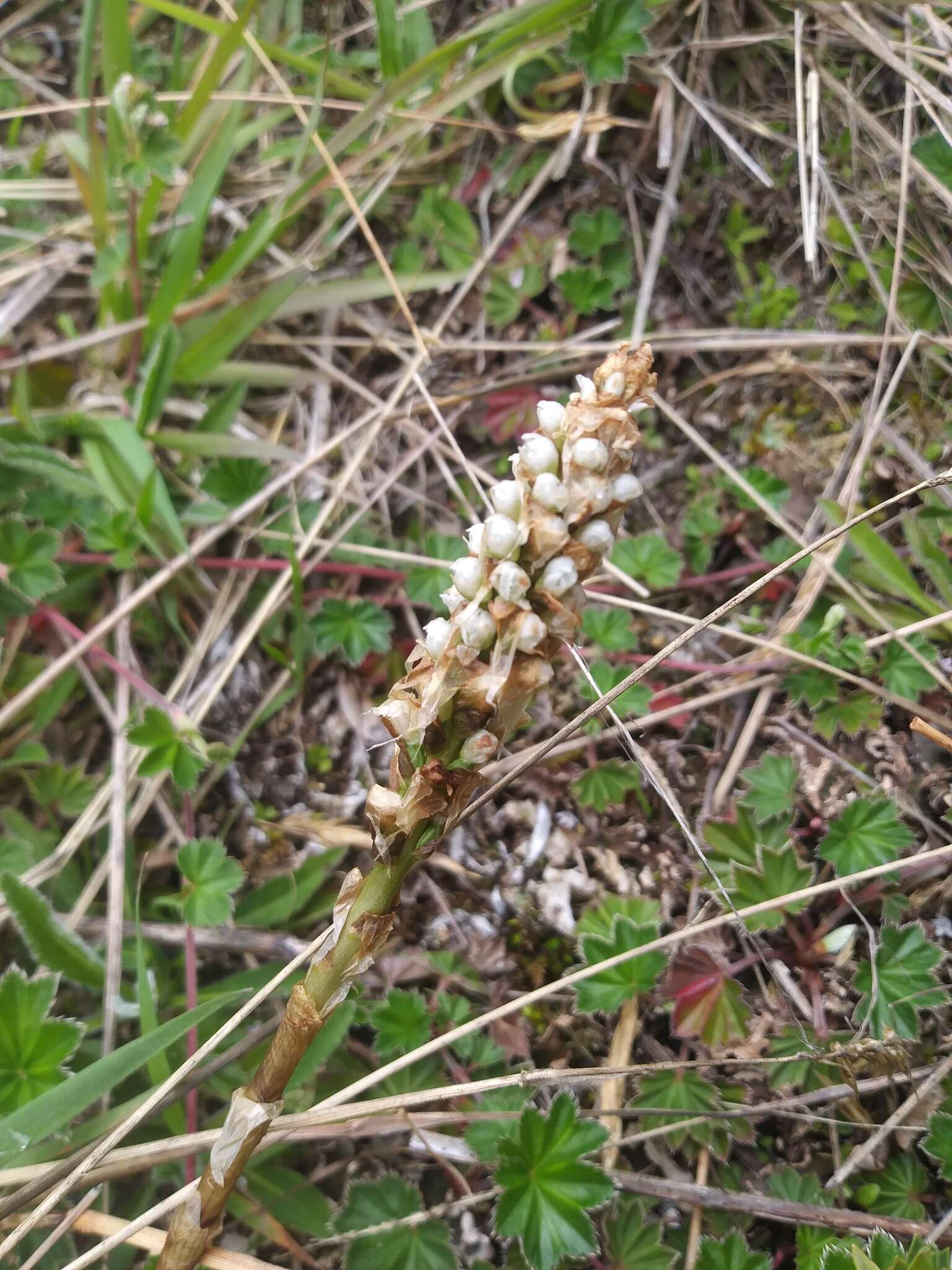
genus of plants
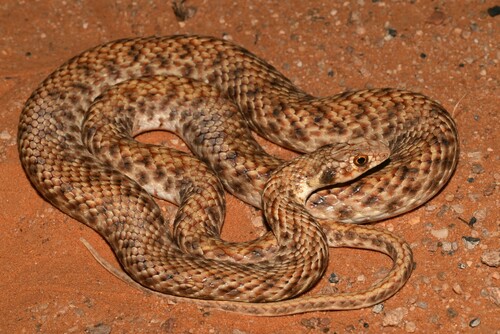
Rhamphiophis
Rhamphiophis is a genus of snakes of the family Psammophiidae.
Thoracica
Thoracica is an infraclass of crustaceans which contains the most familiar species of barnacles found on rocky coasts, such as Semibalanus balanoides and Chthamalus stellatus. They have six well-developed limbs, and may be either stalked or sessile. The carapace is heavily calcified. The group includes free-living and commensal species.

Austrogomphus
Austrogomphus is a genus of dragonflies in the family Gomphidae,
endemic to Australia.
Species of Austrogomphus are tiny to medium-sized dragonflies, black in colour with yellowish markings. They are commonly known as hunters.
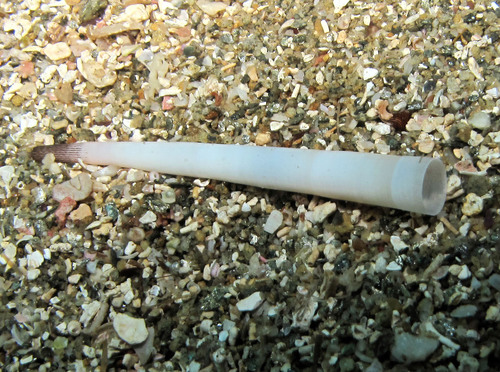
Antalis
Antalis is a genus of tusk shells, marine scaphopod mollusks.

Lichinaceae
The Lichinaceae are a family of ascomycete fungi in the order Lichinales. Most species are lichenized with cyanobacteria, and have a distribution largely in temperate regions. In a 2024 molecular phylogenetics-informed revision, the circumscription of Lichinaceae was narrowed and the class Lichinomycetes was re‑structured into four families (three emended and one new), with many genera moved to Porocyphaceae, Phylliscaceae, or the newly erected Lichinellaceae. The family contain about 125 species in roughly 25 genera.
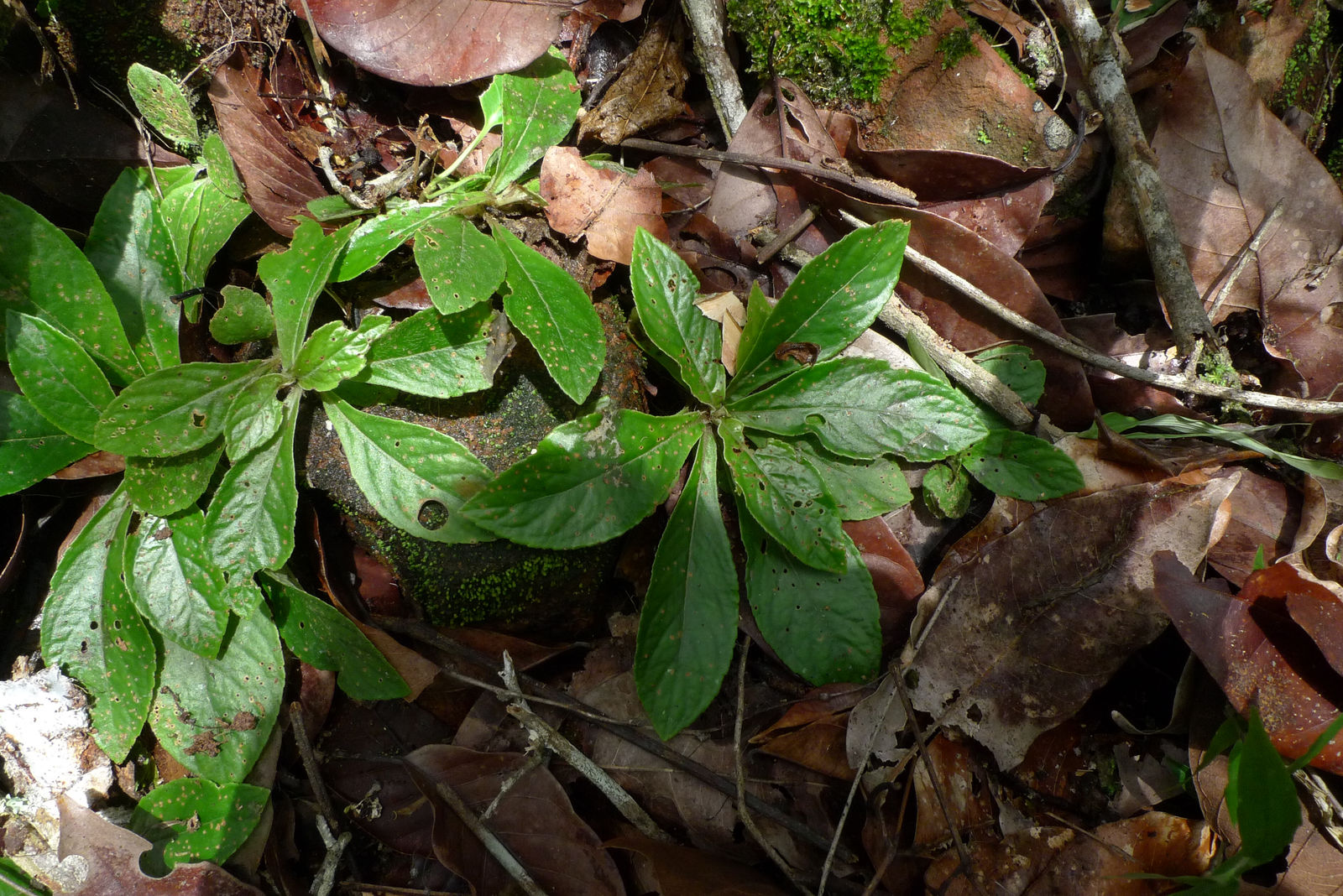
Nautilocalyx
Nautilocalyx is a genus of plants in the family Gesneriaceae.
Its native range stretches from Costa Rica to southern Tropical America and to Trinidad. It is also found in Bolivia, Brazil, Colombia, Costa Rica, Ecuador, French Guiana, Guyana, Panamá, Peru, Suriname, Trinidad-Tobago and Venezuela.

Pipturus
Pipturus is a flowering plant genus in the nettle family, Urticaceae. It includes 29 species which range from the Western Indian Ocean islands to Malesia, Taiwan, the Ryukyu Islands, Papuasia, northern and Eastern Australia, and the Pacific Islands.

Megalachne
Megalachne is a genus of Chilean plants in the grass family, found only on the Juan Fernández Islands in the Pacific Ocean, part of the Republic of Chile. It contains a single species, Megalachne berteroniana.
Menegazzia
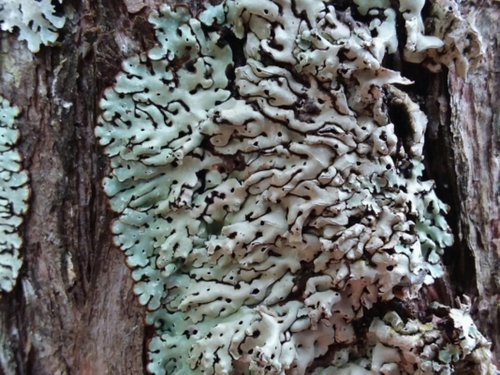
Menegazzia is a genus of lichenized fungi containing roughly 70 accepted species. The group is sometimes referred to as the tree flutes, honeycombed lichens, or hole-punch lichens. The most obvious morphological feature of the genus is the distinctive perforations spread across the upper side of the thallus. This makes the group easy to recognise, even for those not particularly familiar with lichen identification.
Agrammia
Agrammia is a genus of moths of the family Crambidae.
Hemigomphus
Hemigomphus is a genus of dragonflies in the family Gomphidae,
endemic to Australia.
The species are small with black and yellow markings. They are commonly known as vicetails.
Acrocordia
Acrocordia is a genus of lichen-forming fungi in the family Monoblastiaceae. These lichens form thin, whitish to pale grey crusts on tree bark and rocks, appearing as scattered black dots where their tiny flask-shaped reproductive structures emerge from the surface. The genus includes nine species found in various parts of the world, typically growing in mildly alkaline environments on broad-leaved trees or damp, mineral-rich rock faces.
Paradrymonia
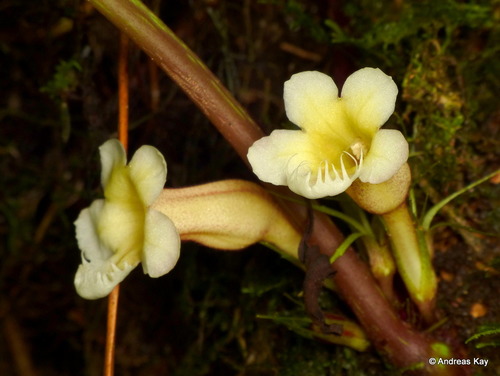
Paradrymonia is a genus of flowering plants in family Gesneriaceae. It includes 11 species native to the tropical Americas, ranging from Honduras to Bolivia and northern Brazil.
Paradrymonia badia
Paradrymonia barbata
Paradrymonia buchtienii
Paradrymonia campostyla
Paradrymonia ciliosa
Paradrymonia glabra
Paradrymonia longifolia
Paradrymonia lutea
Paradrymonia tepui
Paradrymonia vivianensis
Paradrymonia yatua
Sagiolechia
Sagiolechia is a genus of lichen-forming fungi in the family Sagiolechiaceae. These lichens form either extremely thin crusts within their substrate or live parasitically on other lichens without forming their own thallus. The genus is characterised by distinctive black, glossy fruiting bodies that begin embedded within the host material and later erupt to the surface, often developing elaborate folded or star-like forms. Sagiolechia contains six species found in diverse locations including Alaska, Greenland, Norway, and Madeira, with most species being quite rare and relatively recently disco
Heppia
Heppia is a genus of olive, brownish, grey, or blackish squamulose, crustose, or peltate like lichens. Heppia was once the type genus of the family Heppiaceae, but that family was folded into synonymy with Lichinaceae.
Mnestia
Mnestia is a genus of gastropods belonging to the family Mnestiidae.
Neilo
Nelio is a genus of marine bivalve molluscs of the family Malletiidae.
Dyplolabia
Dyplolabia is a genus of lichen-forming fungi in the family Graphidaceae. These lichens form smooth, rather thick grey-yellow to olive-buff crusts on tree bark and are characterized by narrow, elongate fruiting bodies that are commonly hidden beneath a conspicuous white powdery coating. The genus has a pantropical distribution, growing on the smooth bark of trees and shrubs in both shaded rainforest understories and moderately exposed coastal woodlands, where they serve as indicators of long-established woodland habitat.
Mazosia
Mazosia is a genus of lichen-forming fungi in the family Roccellaceae.
Physma
Physma is a genus of cyanolichens in the family Pannariaceae. It has five species. The genus was circumscribed by Italian lichenologist Abramo Bartolommeo Massalongo in 1854, with Physma boryanum assigned as the type species.
Chromodes
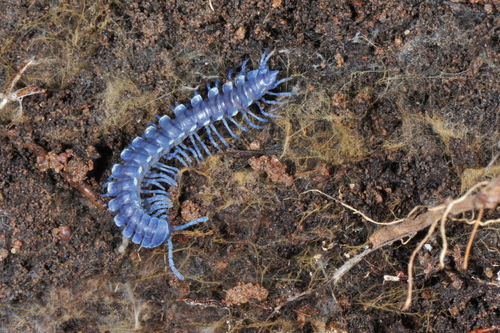
Chromodes is a genus of moths of the family Crambidae. It contains only one species, Chromodes armeniacalis, which is found in Brazil.
Aporodes
Aporodes is a genus of moths of the family Crambidae described by Achille Guenée in 1854.
Koerberia
Koerberia is a genus of lichen-forming fungi in the family Koerberiaceae.