Category
page 1Taxa described in 1907

Protura
The Protura, or proturans, and sometimes nicknamed coneheads, are very small (0.6–1.5mm long), soil-dwelling animals, so inconspicuous they were not noticed until the 20th century. The Protura constitute an order of hexapods that were previously regarded as insects, and sometimes treated as a class in their own right.

Russulaceae
The Russulaceae are a diverse family of fungi in the order Russulales, with roughly 1,900 known species and a worldwide distribution. They comprise the brittlegills and the milk-caps, well-known mushroom-forming fungi that include some edible species. These gilled mushrooms are characterised by the brittle flesh of their fruitbodies.
Hygrophoraceae
The Hygrophoraceae are a family of fungi in the order Agaricales. Originally conceived as containing white-spored, thick-gilled agarics (gilled mushrooms), including Hygrophorus and Hygrocybe species (the waxcaps or waxy caps), DNA evidence has extended the limits of the family, so it now contains not only agarics, but also basidiolichens and corticioid fungi. Species are thus diverse and are variously ectomycorrhizal, lichenized, associated with mosses, or saprotrophic. The family contains 34 genera and over 1000 species. None is of any great economic importance, though fruit bodies of some H
Paxillaceae
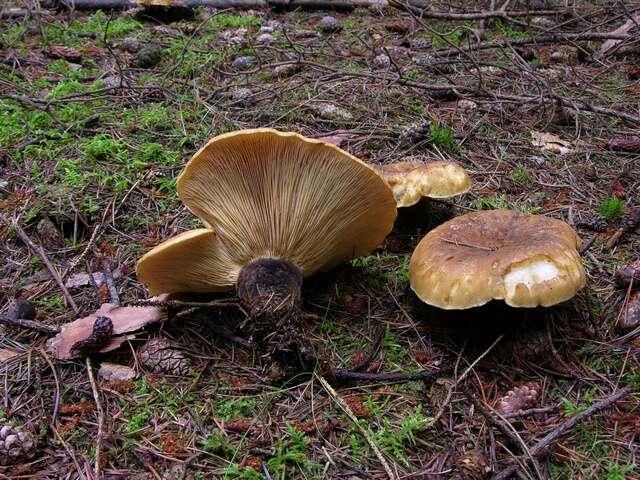
The Paxillaceae are a family of mushroom-forming fungi bearing close affinity to the boletes. Collectively, the family contains nine genera and 78 species. The type genus is Paxillus, containing fungi with decurrent gills, and Gyrodon, which has members with decurrent pores, among others. French mycologist René Maire had erected the family in 1902, placing it between the agarics and boletes and recognizing the groups' similarities with the latter group. Maire's usage of the name was later deemed to be invalid, and the genus authority is attributed to Johannes Paulus Lotsy. Molecular research c
Fistulinaceae
The Fistulinaceae are a family of fungi, the best-known member of which is the beefsteak fungus Fistulina hepatica. Molecular studies have now shown it to lie within the Agaricales.
Cyphellaceae
The Cyphellaceae are a family of fungi in the order Agaricales. The family contains 16 genera and, in 2008, 31 species. Its sister group is the Porotheleaceae, both of which are in the 'marasmioid clade'.
Peniophoraceae
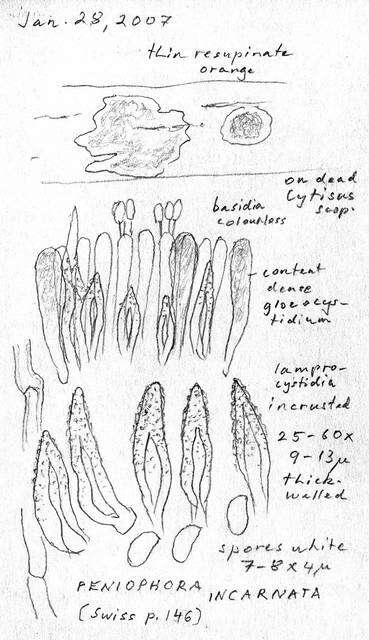
The Peniophoraceae are a family of fungi in the order Russulales. Species of this family have a cosmopolitan distribution and are mostly saprobic, causing rots of standing and fallen wood. According to 2025 data the family contains 16 genera and 416 species.
Pareronia
Pareronia is a genus of butterflies of the subfamily Pierinae within the family Pieridae. The species are found in Southeast Asia and are mimics of the Danainae genus Parantica.
Paecilomyces
Paecilomyces is a genus of fungi. A number of species in this genus are plant pathogens.
Dendrothele
Dendrothele is a genus of fungi in the family Corticiaceae. According to a 2008 estimate, the genus has 36 widely distributed species.
Morkillia
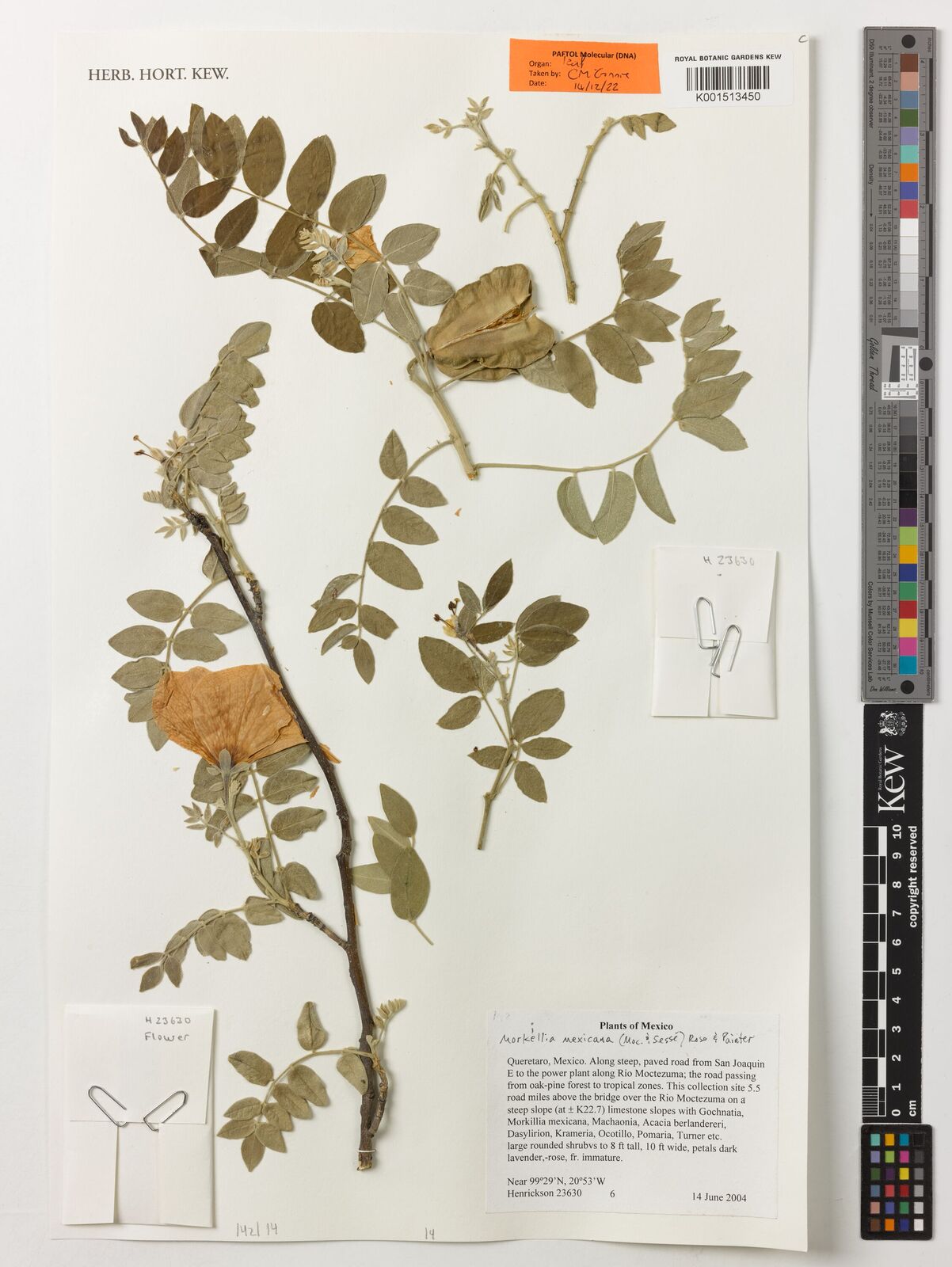
Morkillia is a genus of flowering plants belonging to the family Zygophyllaceae. It is endemic to Mexico.
Pseudocolus
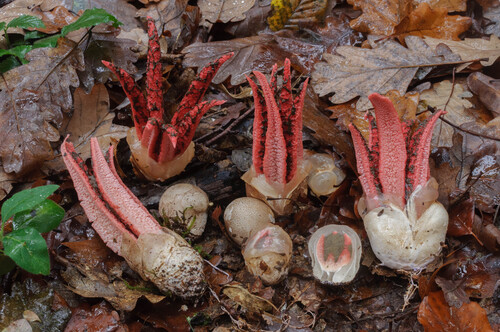
Pseudocolus is a genus of fungi in the stinkhorn family. The fruit bodies have three or four simple arms that are initially joined at the tip, but often break apart. The tips of the arms are covered with a slimy, foul-smelling gleba, which attracts insects that help disperse the spores. The genus contains three species: the type Pseudocolus fusiformis, P. garciae, similar in appearance to the type but with a pinkish to red, rather than orange color, and P. grandis, found in India.
Thermoascus
Thermoascus is a genus of soil fungi in the family Trichocomaceae. Species in the genus are characterized by the production of heat-resistant ascospores. Thermoascus was circumscribed by German botanist Hugo Miehe in 1907.
Scopulariopsis
thumb | 220x124px | right | alt= Scopulariopsis brevicaulis | Scopulariopsis brevicaulis
Scopulariopsis is a genus of anamorphic fungi that are saprobic and pathogenic to animals. The widespread genus contains 22 species. Scopulariopsis belongs to the group Hyphomycetes. These species are commonly found in soil, decaying wood, and various other plant and animal products. In indoor environment Scopulariopsis is found on dry walls, cellulose board, wallpaper, wood, and mattress dust. Species of Scopulariopsis have also been isolated from carpets, hospital floors, swimming pools, wooden food pac
Wettsteinina
Wettsteinina is a genus of fungi in the class Dothideomycetes. The type species Wettsteinina gigantospora was first described by Franz Xaver Rudolf von Höhnel in 1907. The relationship of this taxon to other taxa within the class was unknown in 2008, until it was resolved and placed in the Pleosporaceae family.
Caliciales
Caliciales is an order of mostly lichenized fungi in the class Lecanoromycetes. It consists of two families: Caliciaceae and Physciaceae, which together contain 54 genera and more than 1200 species. The order was circumscribed by American botanist Charles Edwin Bessey in 1907.
Magia
genus of insects
Euchiloglanis
Euchiloglanis was a proposed genus of sisorid catfishes native to Asia. Species were moved to other genera once it was synonymised with Chimarrichthys.
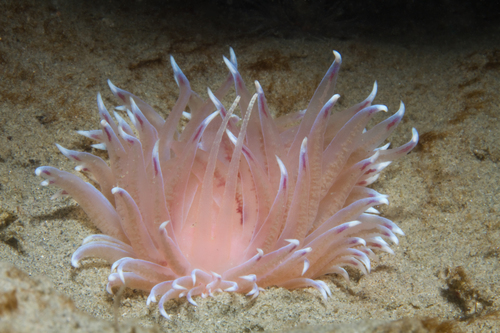
Cumanotus
Cumanotus is a genus of nudibranchs, marine gastropod mollusks. It is the only genus in the family Cumanotidae.
Ethelumoris
Ethelumoris is a genus of woodlice belonging to the family Armadillidae. This genus was described in 1907 by Harriet Richardson who originally placed this genus in the family Eubelidae. The type specimen for this species is a Ethelumoris parallelus from Mt. Coffee, Liberia. There are currently two species in this genus.
Arctapodema
Arctapodema is a genus of deep-sea hydrozoans in the family Rhopalonematidae.
Chlorocrambe
Chlorocrambe is a genus of flowering plants belonging to the family Brassicaceae. It includes a single species, Chlorocrambe hastata, a perennial native to Idaho, Oregon, and Utah in the western United States.
Porodisculus
Porodisculus is a ditypic genus of fungi in the family Fistulinaceae. It was circumscribed by American mycologist William Alphonso Murrill in 1907.
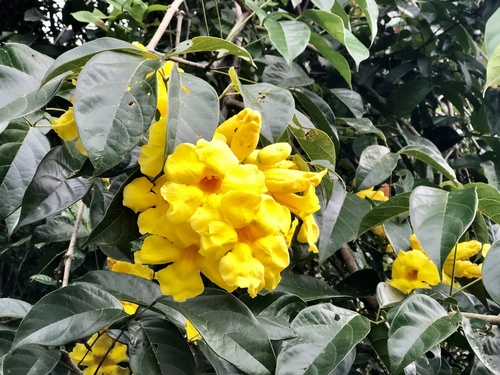
Callichlamys
genus of insects
Kabatiella
Kabatiella is a genus of fungi belonging to the family Saccotheciaceae.
Saccharodite
Saccharodite is a large genus of planthoppers from the family Derbidae, tribe Rhotanini, with more than 100 species. The largest number of species have been reported from Borneo, Indonesia, New Guinea and the Philippines, but the genus has a much wider distribution, ranging from Sri Lanka in the West, over southern parts of mainland Asia up to southern Japan in the North. Saccharodite is also found in other parts of the western Pacific like Micronesia, Fiji and New Caledonia, up to eastern parts of Australia, in the South as far as Tasmania. The adult hoppers are around 5 mm long from head to
Coronophoraceae
The Coronophoraceae are a family of fungi in the Ascomycota, order Coronophorales. The family was described by Austrian mycologist Franz Xaver Rudolf von Höhnel in 1907.