Category
page 1Taxa described in 1930
Ascochyta
Ascochyta is a genus of ascomycete fungi, containing several species that are pathogenic to plants, particularly cereal crops. The taxonomy of this genus is still incomplete. The genus was first described in 1830 by Marie-Anne Libert, who regarded the spores as minute asci and the cell contents as spherical spores. Numerous revisions to the members of the genus and its description were made for the next several years. Species that are plant pathogenic on cereals include, A. hordei, A. graminea, A. sorghi, A. tritici. Symptoms are usually elliptical spots that are initially chlorotic and later
Ideoroncidae
Ideoroncidae is a family of pseudoscorpions belonging to the order Pseudoscorpiones. Members of the family are known from Asia, Africa, western North America and South America.
Smicrostigma
Smicrostigma is a genus of flowering plants in the family Aizoaceae. It includes two species native to the Cape Provinces of South Africa.
Smicrostigma viride
Smicrostigma warmwaterbergense
Pseudephebe
Pseudephebe is a genus of fruticose lichens in the family Parmeliaceae. It contains three species that grow on rocks.
Larca
Larca is a genus of pseudoscorpions. It is the only genus in the family Larcidae. They are found in North America and Europe.

Drechslera
Drechslera is a genus of fungi. Many of the species in this genus are plant pathogens. Several species of Drechslera are known to cause a fungal disease of turfgrass known as Drechslera leaf spot.
Xenolpium
Xenolpium is a genus of pseudoscorpions in the Olpiidae family, with species found on various Indian Ocean islands and in Australasia. It was described in 1930 by American arachnologist Joseph Conrad Chamberlin.
Aldabrinus
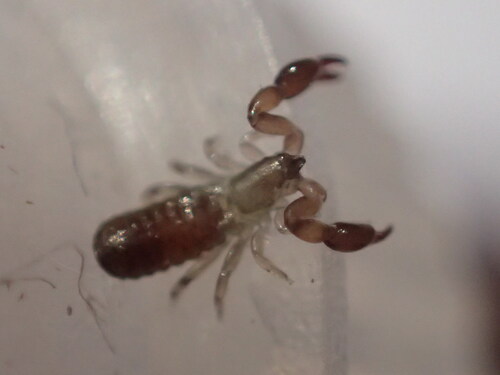
Aldabrinus is a genus of pseudoscorpions in the family Garypinidae.
Wainuia
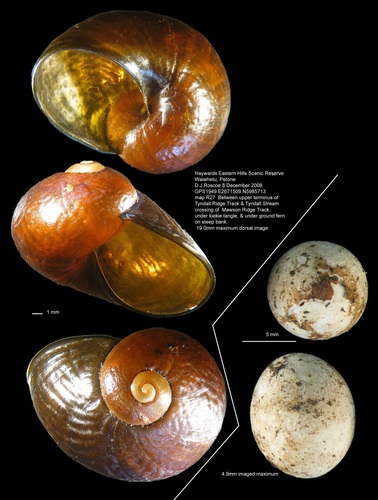
Wainuia is a genus of air-breathing predatory land snails, terrestrial pulmonate gastropod molluscs in the family Rhytididae. Species in this genus are endemic to New Zealand, and are carnivorous, primarily predating on amphipods and earthworms. Many members of the genus are at risk of extinction, including W. clarki, which has been impacted due to predation by introduced species including rats, song thrushes and hedgehogs, as well as drying forest floor habitats.
Solinus
genus of arachnids
Bullera
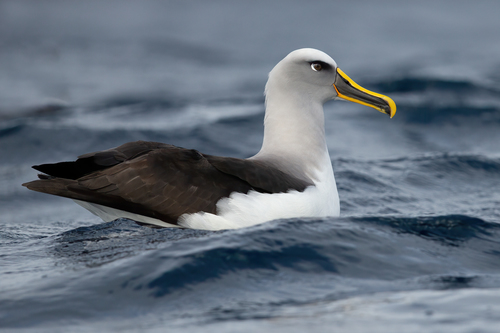
Bullera is a genus of fungi in the family Bulleraceae. The genus, which comprises both anamorphic and teleomorphic forms, formerly contained some 35 species. Molecular research, based on cladistic analysis of DNA sequences, has however assigned most of these species elsewhere and reduced the genus Bullera to just four species. Anamorphic forms are yeasts; teleomorphic forms (formerly referred to Bulleromyces) produce septate basidia resembling those of Tremella species, but are not known to produce basidiocarps (fruit bodies).
Synsphyronus
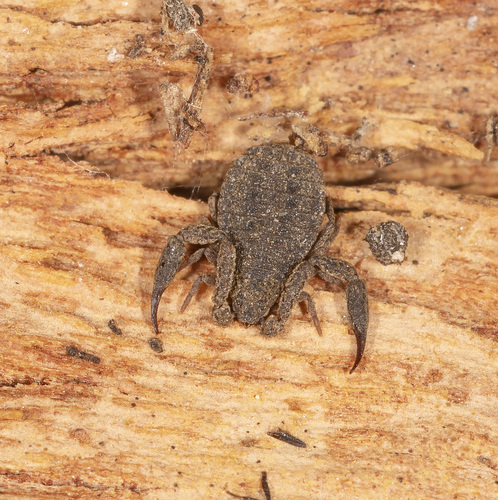
Synsphyronus is a genus of pseudoscorpions in the Garypidae family. It was described in 1930 by American arachnologist Joseph Conrad Chamberlin. Its distribution is mainly in Australia, but also extends to New Zealand and New Caledonia.
Sceloenoplini
Sceloenoplini is a tribe of mostly Neotropical leaf beetles within the subfamily Cassidinae.
Afrovivella
Afrovivella is a monotypic genus of the succulent plant family Crassulaceae. The sole species is Afrovivella semiensis.
Paraliomera
Paraliomera is a genus of crabs in the family Xanthidae, containing the following species:
Panagrolaimus
Panagrolaimus is a genus of nematodes in the family Panagrolaimidae. Scientists have revived specimens from this genus that are over 46,000 years old. It contains the following species:
Gaudichaudia
genus of crabs
Haplodina
Haplodina is a lichenized genus of fungi in the family Roccellaceae.
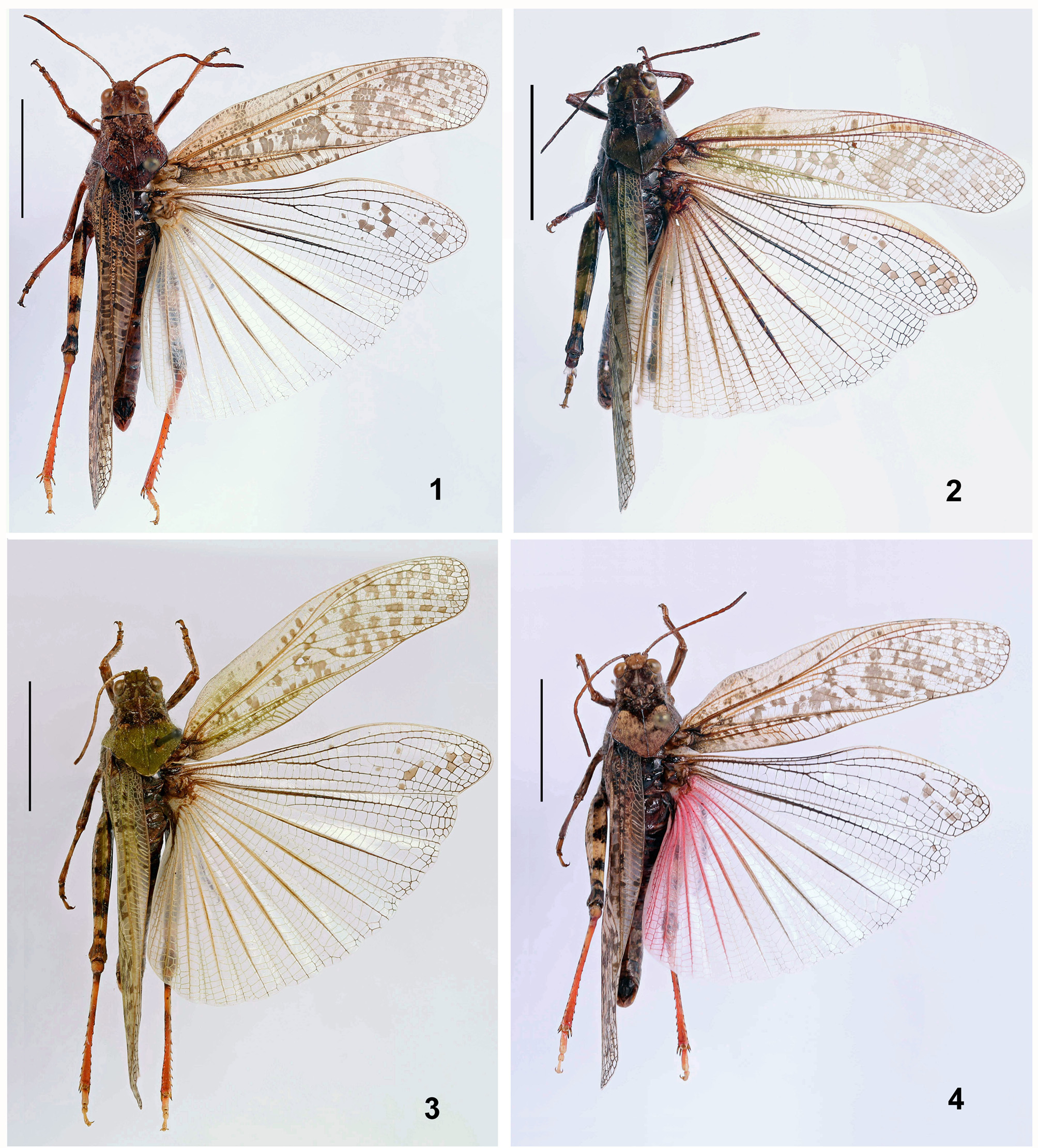
Angaracris
Angaracris barabensis is a species of bandwing grasshopper which inhabits the steppes of central and northeast Asia.