Category
page 1Taxa described in 1995

Wollemia
Wollemia is a genus of coniferous trees in the family Araucariaceae, endemic to Australia. It represents one of only three living genera in the family, alongside Araucaria and Agathis (being more closely related to the latter). The genus has only a single known species, Wollemia nobilis, commonly known as the Wollemi pine (though it is not a true pine) which was discovered in 1994 in a temperate rainforest wilderness area of the Wollemi National Park in New South Wales. It was growing in a remote series of narrow, steep-sided, sandstone gorges north-west of Sydney. The genus is named after the
.jpg)
Symbion
Symbion is a genus of commensal aquatic animals, less than 0.5 mm wide, found living attached to the mouthparts of cold-water lobsters. They have sac-like bodies, and three distinctly different forms in different parts of their two-stage life-cycle. They appear so different from other animals that they were assigned their own phylum, Cycliophora, also called wheel wearers, shortly after being discovered in 1995. Cycliophora was the first new phylum of multicelled organism to be discovered since the Loricifera in 1983.
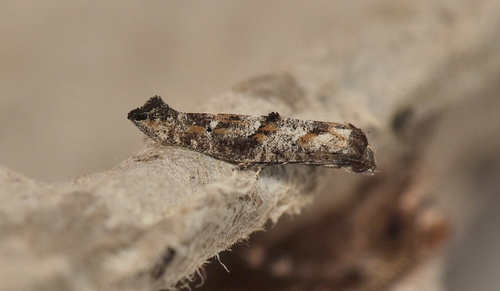
Gnathifera
clade of invertebrates
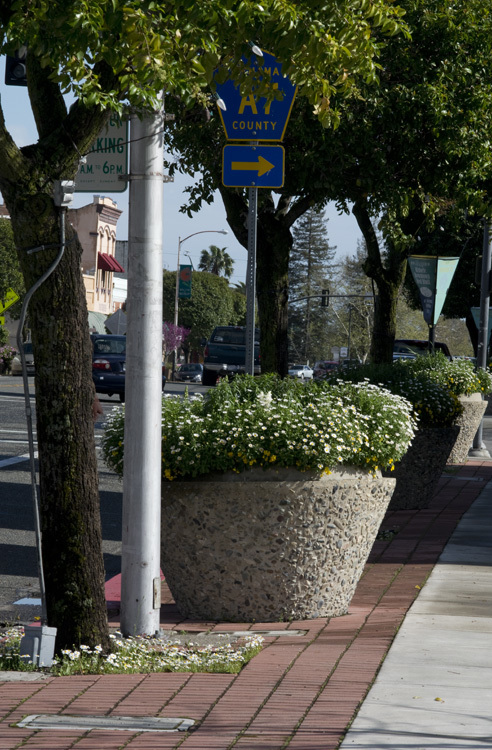
Mauranthemum
Mauranthemum is a genus of flowering plants in the daisy family.
Sinopesa
Sinopesa is a genus of spiders in the family Nemesiidae. It is found in China and on Ryukyu Islands in Japan. It was first described in 1995 by Raven & Schwendinger. , it contains 8 Asian species.
Ptolemaiida
Ptolemaiida is a taxon of wolf-sized afrothere mammals that lived in northern and eastern Africa during the Paleogene. The oldest fossils are from the latest Eocene strata of the Jebel Qatrani Formation, near the Fayum oasis in Egypt. A tooth is known from an Oligocene-aged stratum in Angola, and Miocene specimens (of Kelba) are known from Kenya and Uganda.

Naetrocymbaceae
The Naetrocymbaceae are a family of fungi in the order Pleosporales. Some members of the type genus, Naetrocymbe, form lichens.
Aphanopsidaceae
Aphanopsidaceae is a family of lichen-forming fungi in the order Lecanorales. It contains the genera Aphanopsis and Steinia, comprising five species. The family was circumscribed in 1995 by the lichenologists Christian Printzen and Gerhard Rambold.
Komagataella
Komagataella is a methylotrophic yeast within the order Pichiales. It was found in the 1960s as Pichia pastoris, with its feature of using methanol as a source of carbon and energy. In 1995, P. pastoris was reassigned into the sole representative of genus Komagataella, becoming Komagataella pastoris. In 2005, it was found that almost all strains used industrially and in labs are a separate species, K. phaffii. Later studies have further distinguished new species in this genus, resulting in a total of 7 recognized species. It is not uncommon to see the old name still in use in the context of pr
Leptothele
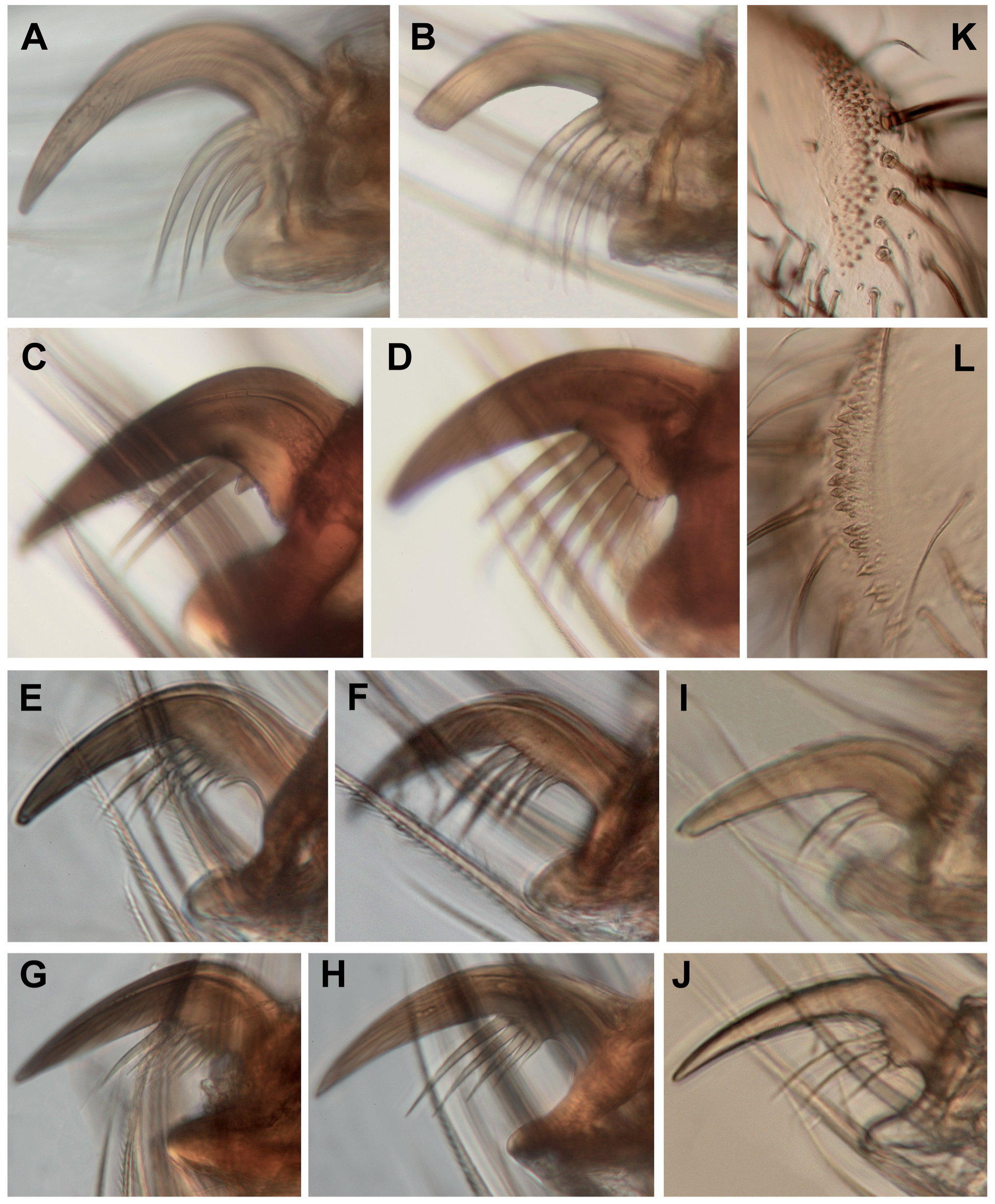
Leptothele is a genus of Southeast Asian spiders in the family Euagridae first described by Robert Raven and Peter J. Schwendinger in 1995. It is native to the Malay Peninsula.
Euphrynichus
genus of arachnids
Kokikora
Kokikora is a genus of land snails belonging to the family Punctidae. First described in 1995, both known members of the genus are endemic to New Zealand.
Sinopieris
Sinopieris is a genus of butterflies in the family Pieridae. The genus occurs in Gansu, Nepal, Nanshan, Shaanxi, Sichuan, Tibet and Yunnan. All six species were originally included in Pieris and subsequently in Pontia.
Pseudopeltula
Pseudopeltula is a genus of lichen-forming fungi in the family Lichinaceae. Established in 1995 by the lichenologist Aino Henssen, the genus currently includes four recognised species. These small cyanolichens are characterised by their (scaly) to (shield-shaped) thalli, which lack a lower and are attached to the by rhizines. A key feature of Pseudopeltula is its complex apothecia (fruiting bodies), which have hymenia that often become divided by sterile tissue as they mature. The genus is primarily found in arid and semi-arid regions of North America, Mexico, and the Caribbean, where species
Bathycadulus
Bathycadulus is a genus of molluscs belonging to the family Gadilidae.
Ancistrosporella
Ancistrosporella is a genus of lichen-forming fungi in the family Roccellaceae. The genus was circumscribed in 1995 by Swedish lichenologist Göran Thor, with Ancistrosporella australiensis assigned as the type species. The International Union for Conservation of Nature has classified A. leucophila as a Critically Endangered species due to its limited known distribution in South America and the threats to its habitat from deforestation and land-use changes.
Jannya
Jannya is a genus of parasitoid wasp in the family Braconidae and can be found in the Neotropical region. It contains three known species.
Nodobryoria
Nodobryoria is a genus of medium to large, reddish-brown lichens that are hair-like to shrubby (fruticose) in shape and grow on conifer trees. The genus contains three species, distributed in North America and Greenland, which were previously included in the genus Bryoria. Nodobryoria is similar in appearance to Bryoria, but is differentiated because it does not contain the polysaccharide lichenin (which is present in high quantities in Bryoria), and it has a unique cortex composed of interlocking cells that look like pieces of a jigsaw puzzle when viewed under a light microscope.
==Taxonomy==
Rhodogorgonales
The Rhodogorgonales are an order of red algae, a sister group to the corallines. They are always thalloid and calcified; their calcification is very different from the corallines, as individual calcite crystals are deposited in the cell wall of specialised cells; this suggests that the evolution of calcification may have been independent from the corallines. They have no fossil record.
Halobaculum
Halobaculum (common abbreviation: Hbl.) is a genus of archaeans in the family Halorubraceae.