Category
page 11Taxa named by Edward Drinker Cope
Anolis poecilopus
species of reptile
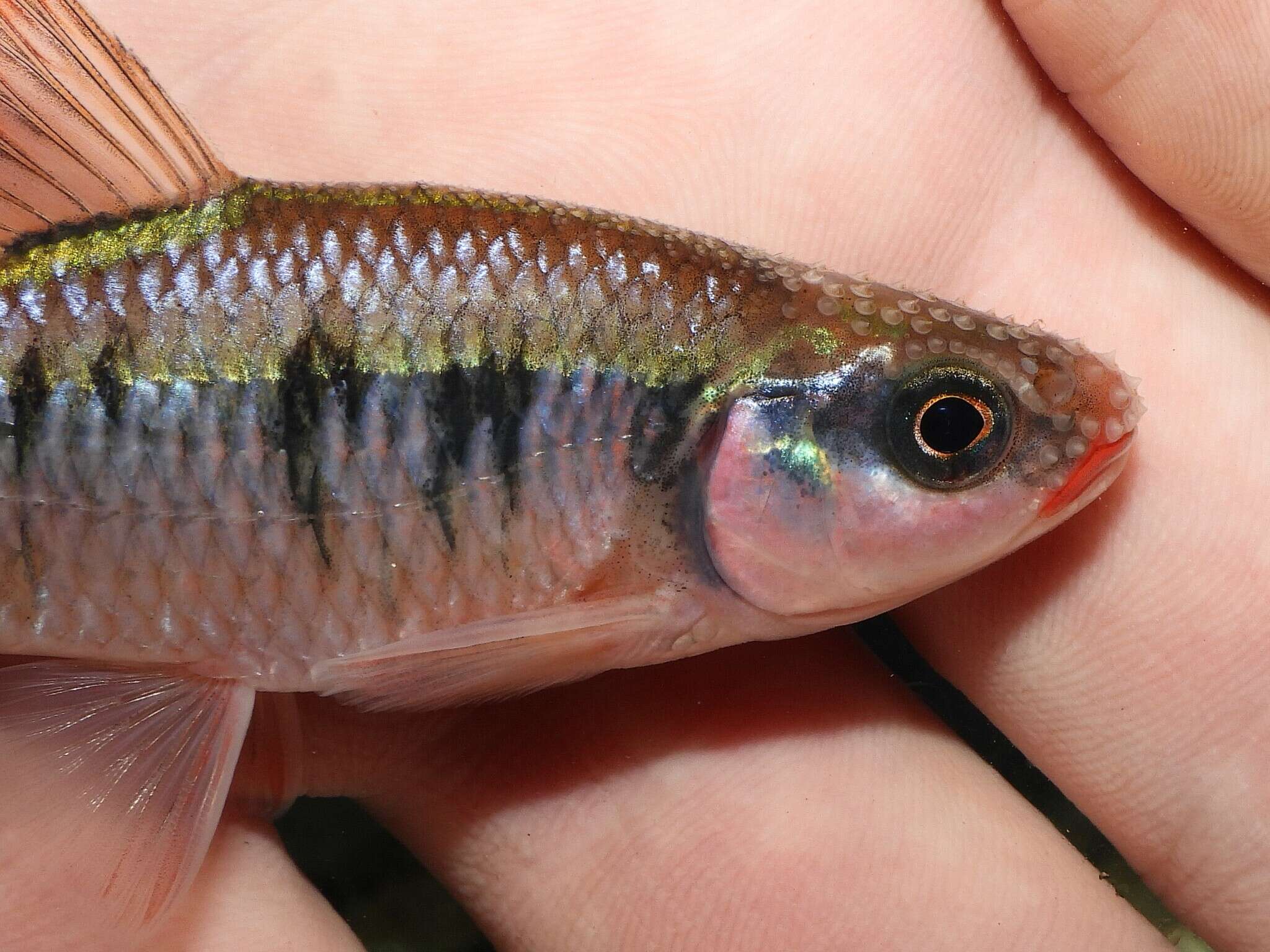
Luxilus cerasinus
species of fish
Rhadinaea calligaster
species of reptile
Colostethus latinasus
species of amphibian
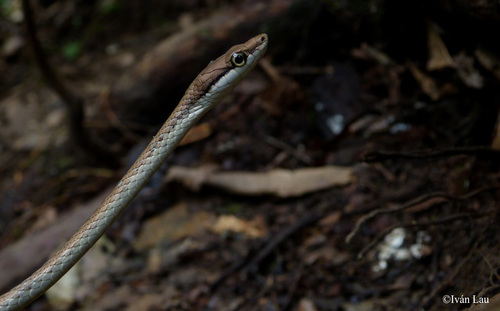
Leptophis cupreus
species of reptile
Gila seminuda
species of fish
Gobiesox strumosus
species of fish
Torquigener florealis
species of fish
Ameiva exsul
species of reptile
Pleurodonta
Pleurodonta (from Greek lateral teeth, is a infraorder of lizards reference to the position of the teeth on the jaw) is one of the two subdivisions of Iguania, the other being Acrodonta (teeth on the top [of the jaw]). Pleurodonta includes all families previously split from Iguanidae sensu lato (Corytophanidae, Crotaphytidae, Hoplocercidae, Opluridae, Polychrotidae, etc.), whereas Acrodonta includes Agamidae and Chamaeleonidae. The name Pleurodonta was first used by paleontologist and herpetologist Edward Drinker Cope in 1864, although he used it in a different sense than it is used today. Bec
Anolis damulus
species of reptile
Rana-chirrionera Orejona
species of amphibian
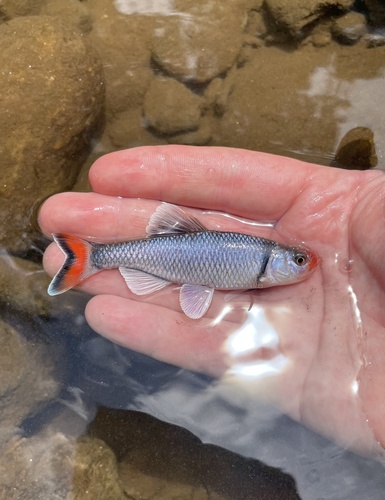
Cyprinella pyrrhomelas
species of fish
Cyprinella nivea
species of fish
Anolis lionotus
species of reptile
Anolis brunneus
species of reptile
Blackchin Shiner
species of fish
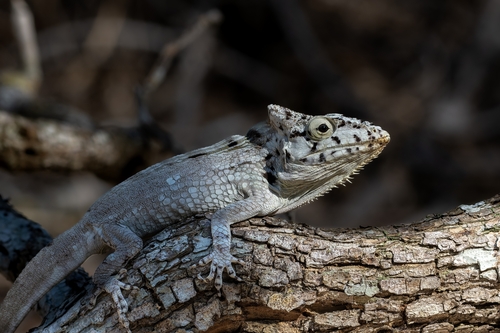
Anolis porcus
species of reptile
Anolis homolechis
species of reptile
Micrurus baliocoryphus
species of reptile
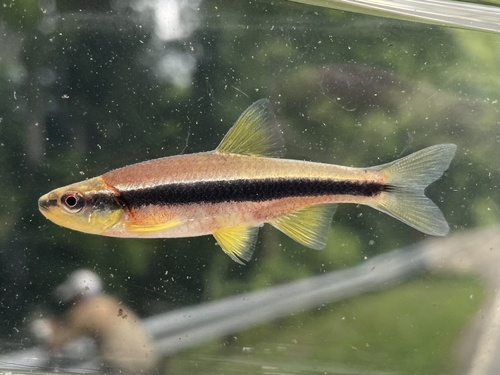
Greenhead Shiner
species of fish
Leptophis depressirostris
species of reptile
Urotheca pachyura
species of reptile
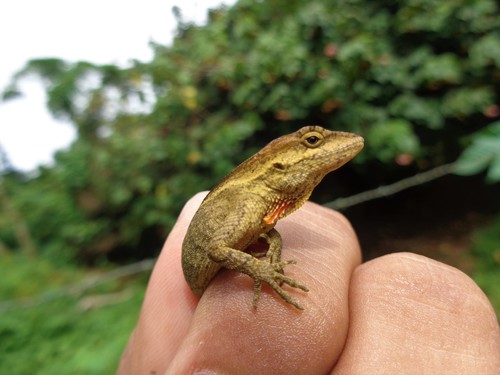
Anolis crassulus
species of reptile
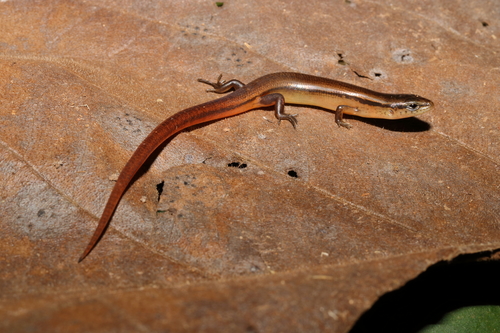
Scincella assatus
species of reptile
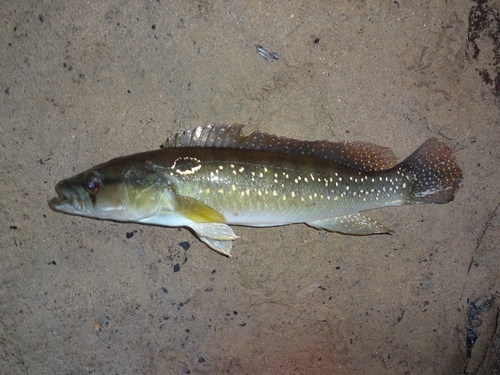
Crenicichla anthurus
species of fish
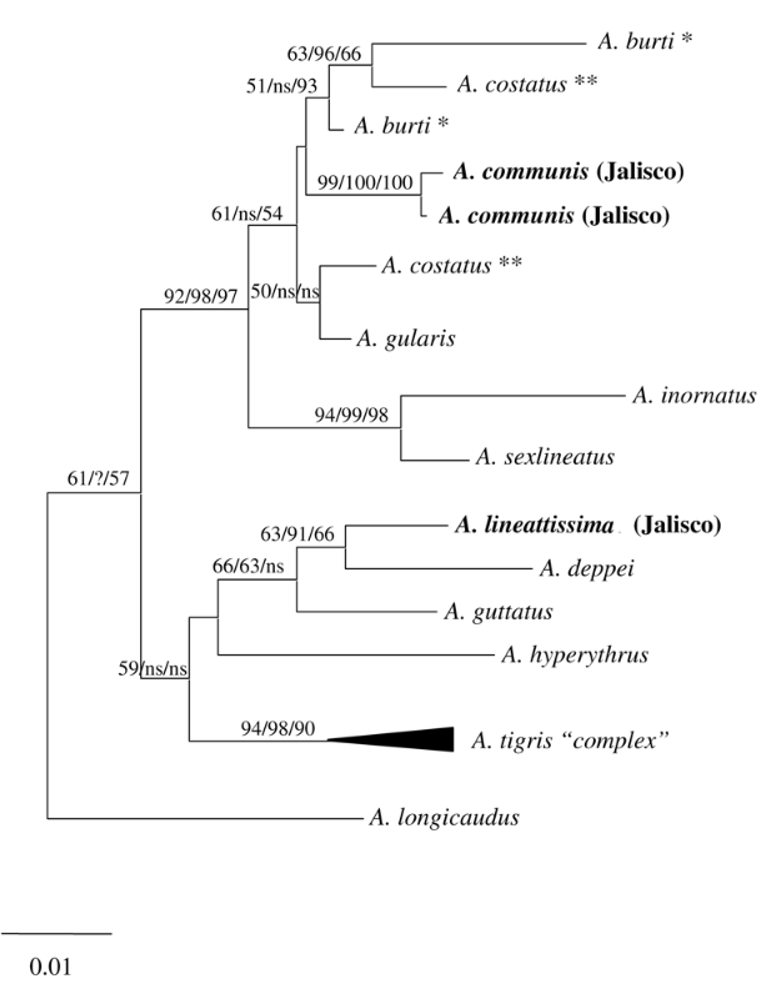
Aspidoscelis communis
species of reptile
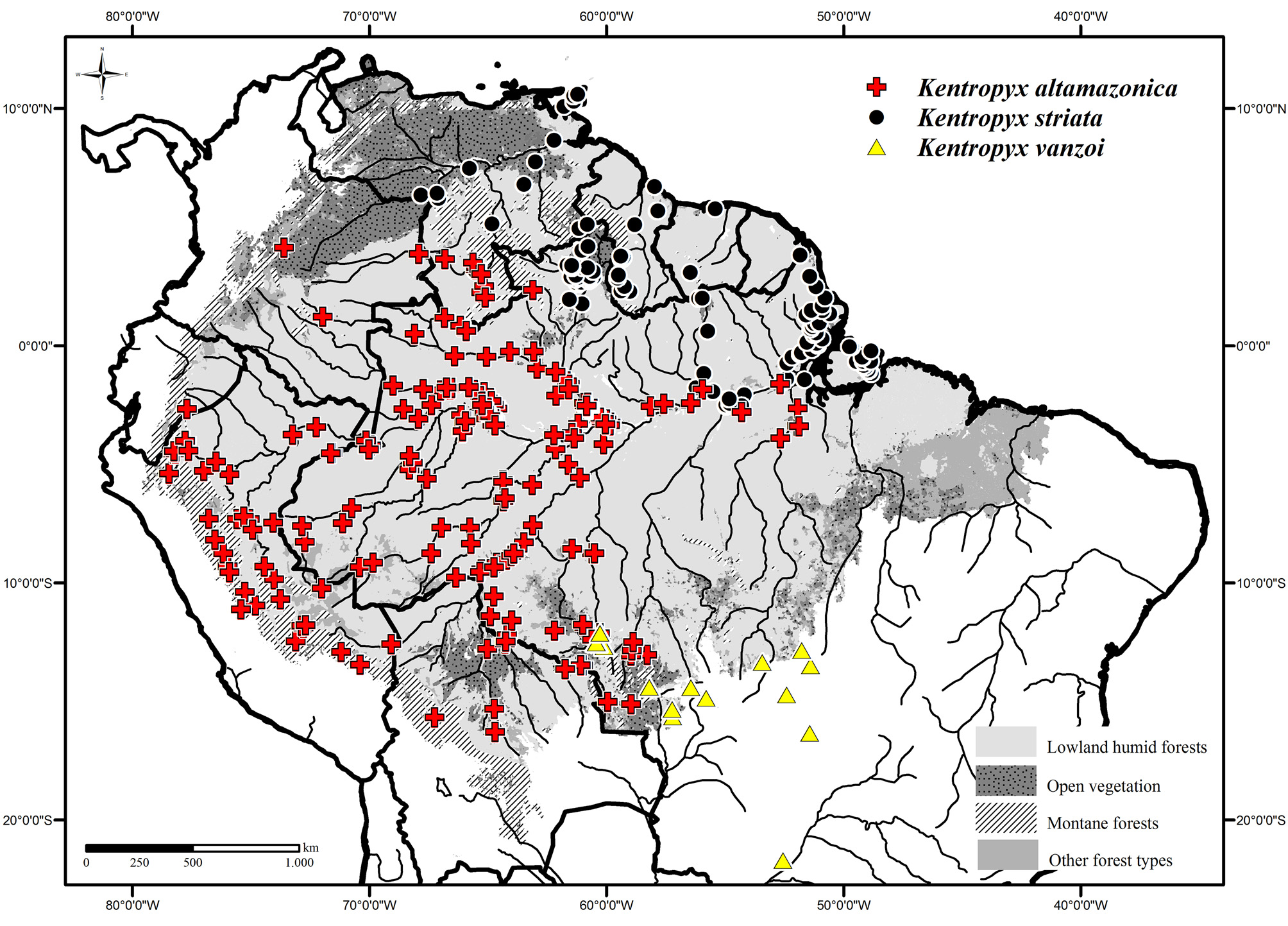
Kentropyx altamazonica
species of reptile

Mimic Shiner
species of fish
Anolis purpurescens
species of reptile
Arrhyton redimitum
species of reptile
Stygobromus
Stygobromus is a genus of amphipod crustaceans that live in subterranean habitats. The majority of the listed species are endemic to North America (one from Canada, the rest from the United States), a smaller number of species are also known from Eurasia. Most of the North American species live in areas which were not covered by the Laurentide Ice Sheet, although a few species seem to have survived under the ice. A number of species are on the IUCN Red List as endangered species (EN) or vulnerable species (VU); one species, S. lucifugus, is extinct.
Colosteus
Colosteus is an extinct genus of colosteid tetrapod from the Late Carboniferous (late Westphalian stage) of Ohio. Its remains have been found at the Linton site in Saline Township, Ohio, where it is one of the most common tetrapods, and at the Five Points site in Mahoning County, Ohio. It was an elongate, aquatic form with a flattened and pointed head, greatly reduced limbs, two premaxillary tusks, and heavy scalation. It would have reached about 1 m (3.2 ft) in length.
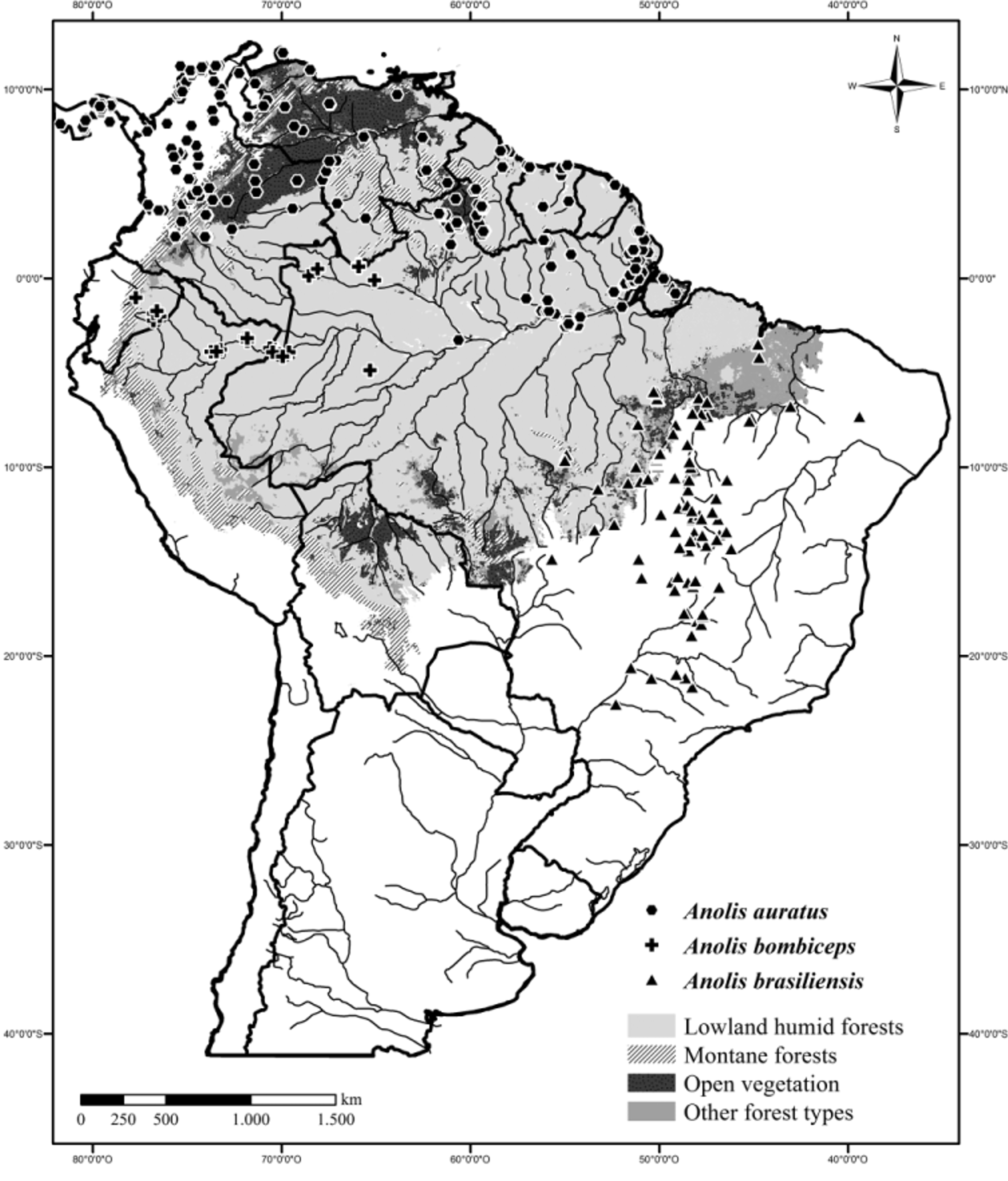
Anolis bombiceps
species of reptile
Blastomeryx
Blastomeryx is an extinct genus of musk deer endemic to North America. It lived during the Miocene epoch 20.4—10.3 mya, existing for approximately . There may be only one species, Blastomeryx gemmifer.
== Description ==
Blastomeryx was long and looked like a modern chevrotain. Its canines were elongated into tusks which it probably used to uproot plants and fend off predators. While Blastomeryx (as well as modern musk deer) lacked antlers, a Middle Miocene species had bony knobs on its skull, which have been interpreted as incipient horns. Blastomeryx had a reduced radius and ulna, as well as
Micrurus scutiventris
species of reptile
Mexican snake eater
species of reptile
Hypsirhynchus melanichnus
species of reptile
Mastigodryas heathii
species of reptile
Typhlops sulcatus
species of reptile
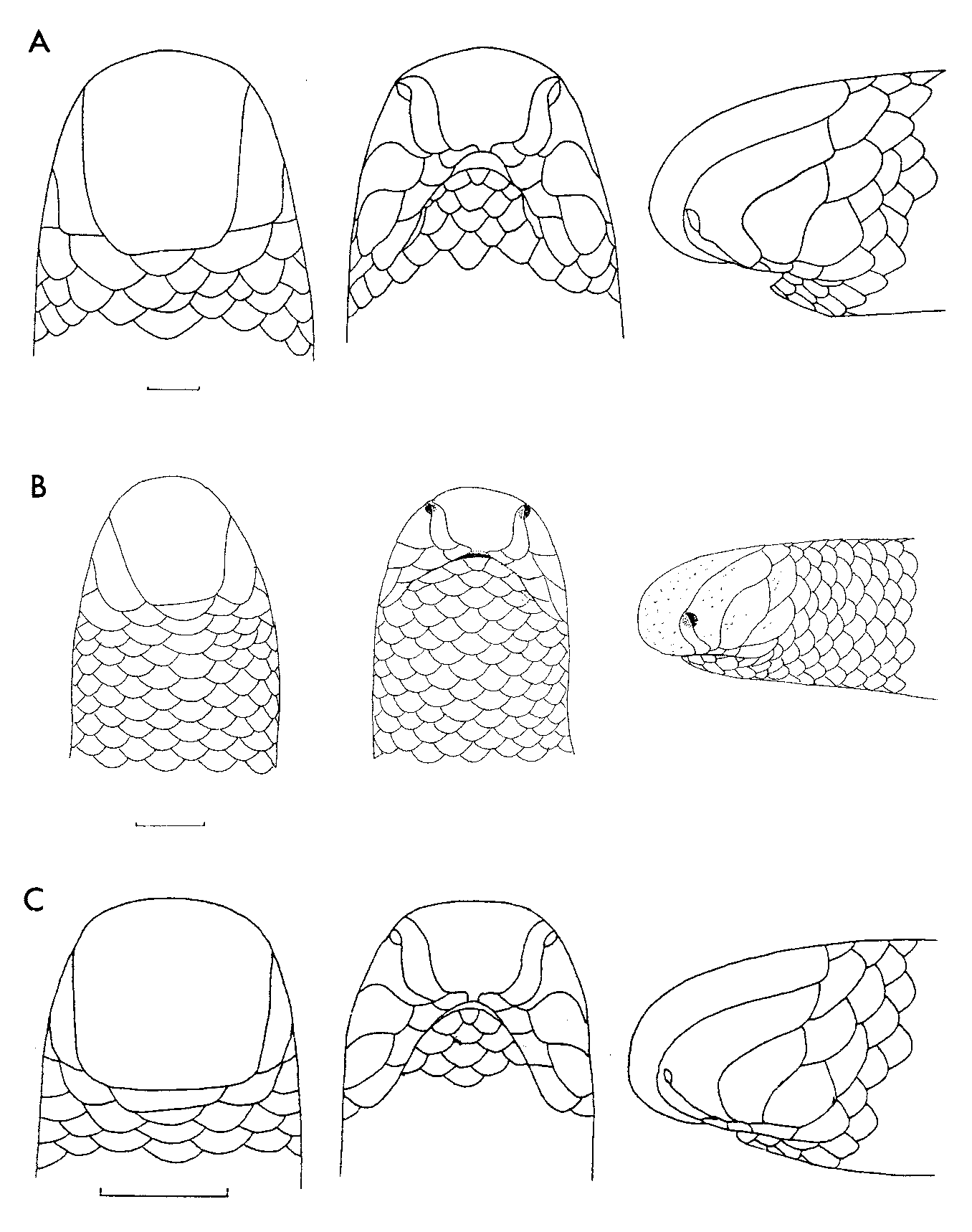
Letheobia pallida
species of reptile
Ninia psephota
species of reptile
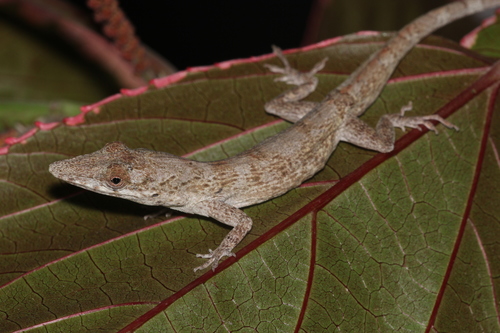
Anolis oligaspis
species of reptile
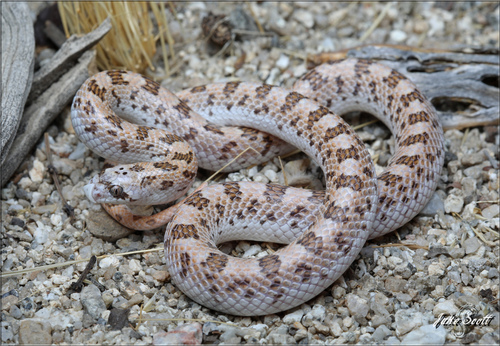
Phyllorhynchus decurtatus
species of reptile
Pantylus
Pantylus (from , 'all' and , 'knob') is an extinct microsaurian tetrapod from the Permian period of North America.
thumb|left|Pantylus cordatus
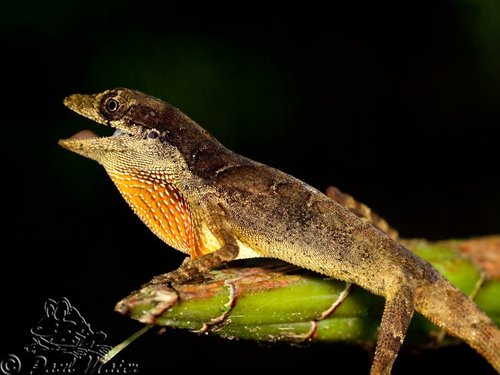
Anolis bitectus
species of reptile
Cyprinella labrosa
species of fish
Oestocephalus
Oestocephalus is an extinct genus of aïstopod tetrapodomorphs that lived during the Carboniferous period. Fossils have been found in the Czech Republic, and in Ohio and Illinois in the United States. It is the type genus of the family Oestocephalidae, although it used to be assigned to the family Ophiderpetontidae, which is now considered paraphyletic. It was named by Edward Drinker Cope in 1868 and now contains two species, O. amphiuminus and O. nanum.

Anolis laevis
species of reptile
Baenidae
Baenidae is an extinct family of paracryptodiran turtles known from the Early Cretaceous to Eocene of North America. While during the Early Cretaceous they are found across North America, during the Late Cretaceous they are only found in Laramidia, having disappeared from Appalachia. Most lineages survived the K-Pg Extinction, but the family was extinct by the latest Eocene. The name of the type genus, Baena, appears to be of Native American origin, likely from the Arapaho be’enoo. They are primarily found in freshwater deposits, and are considered to be aquatic, with a largely generalist habi
Salvadora lemniscata
species of reptile
Crenicichla lucius
species of fish
Epapterus
Epapterus is a genus of driftwood catfishes that occur in South America. There are currently two described species in this genus.
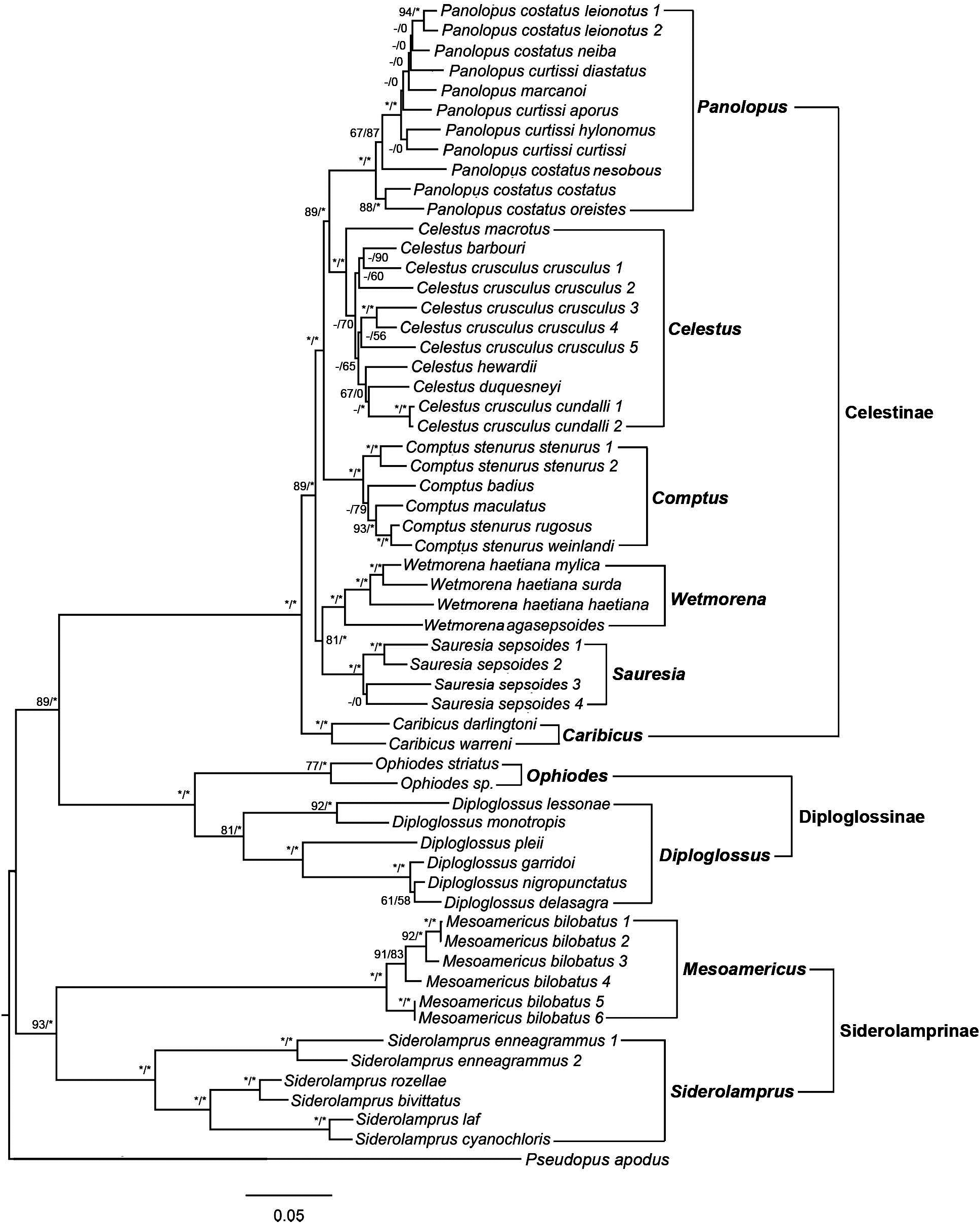
Comptus badius
species of reptile
Bathyopsis
Bathyopsis, from Ancient Greek βαθύς (bathús), meaning "thick", and ὄψις (ópsis), meaning "face", is an extinct genus of dinocerates. The genus is known from Eocene North America.

Taeniophallus nicagus
species of reptile
Highland Shiner
species of fish
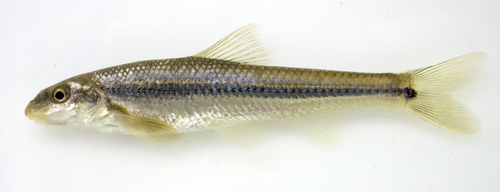
Phenacobius
Phenacobius, the suckermouth minnows, is a genus of freshwater ray-finned fishes belonging to the family Leuciscidae, the shiners, daces and minnows. The fishes in this genus are endemic to the United States. Historically the suckermouth minnow was not found as far eastward as Ohio, now they seem to be a stable species living throughout the Midwest and parts of southern states such as Texas, New Mexico, and Alabama. Many forests and prairies were cleared out to make farmland, this caused for drainage streams and rivers to take form, moving the minnows eastward. Originally the suckermouth minno
Cophoscincopus durus
species of reptile
Dendrophidion paucicarinatus
species of reptile