Category
page 2Taxa named by Edward Drinker Cope
Epanterias
REDIRECT Taxonomy of Allosaurus#Epanterias amplexus
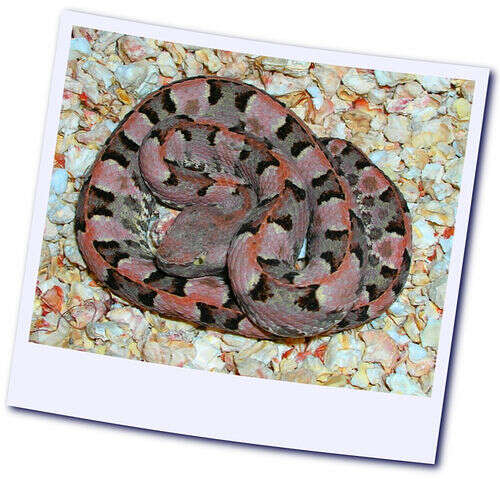
Porthidium
Common names: hognose pit vipers
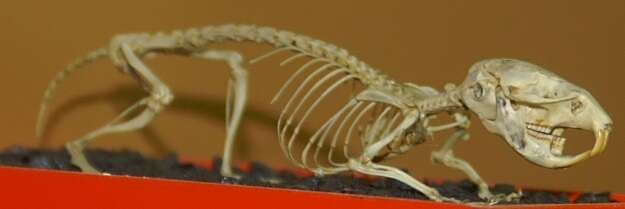
sagebrush vole
species of mammal

Eryops
Eryops (; from Greek , , 'drawn-out' + , , 'face', because most of its skull was in front of its eyes) is a genus of extinct, amphibious temnospondyls. It contains the type species '''', the fossils of which are found mainly in early Permian deposits of the Texas Red Beds, and Eryops grandis from New Mexico. Fossils have also been found in late Carboniferous rocks from New Mexico and early Permian deposits of Oklahoma, Utah, the Pittsburgh tri-state region, and Prince Edward Island. Several complete skeletons of Eryops'' have been found in lower Permian rocks, but skull bones and teeth are its
.jpg)
Miacidae
Miacidae ("small points") is a former paraphyletic family of extinct primitive placental mammals that lived in North America, Europe and Asia during the Paleocene and Eocene epochs, about 65–33.9 million years ago. These mammals were basal to order Carnivora, the crown-group within the Carnivoraformes.

Platecarpus
Platecarpus ("oar wrist") is an extinct genus of aquatic lizards belonging to the mosasaur family, living around 84–81 million years ago during the middle Santonian to early Campanian, of the Late Cretaceous period. Fossils have been found in the United States and possibly in Belgium, Australia, and Africa. A well-preserved specimen of Platecarpus shows that it fed on moderate-sized fish, and it has been hypothesized to have fed on squid and ammonites as well. Like other mosasaurs, it was initially thought to have swum in an eel-like fashion, although another study suggests that it swam more l

Clidastes
Clidastes is an extinct genus of marine lizard belonging to the mosasaur family. It is classified as part of the Mosasaurinae subfamily, alongside genera like Mosasaurus and Prognathodon. Clidastes is known from deposits ranging in age from the Coniacian to the early Campanian in the United States.

Miacis
Miacis ("small point") is an extinct genus of placental mammals from clade Carnivoraformes, that lived in North America from the early to middle Eocene.
Aulopidae
The Aulopidae are a small family of aulopiform ray-finned fish. They are found in most tropical and subtropical oceans, such as the Atlantic, Mediterranean, and Pacific. The aulopids are commonly known as flagfins.
Colostethus
Colostethus is a genus of poison dart frogs native to Central and South America, from Panama south to Colombia, Ecuador, and northern Peru. Their common name is rocket frogs, but this name may refer to frogs in other genera and families, following the taxonomic revision of the genus in 2006.
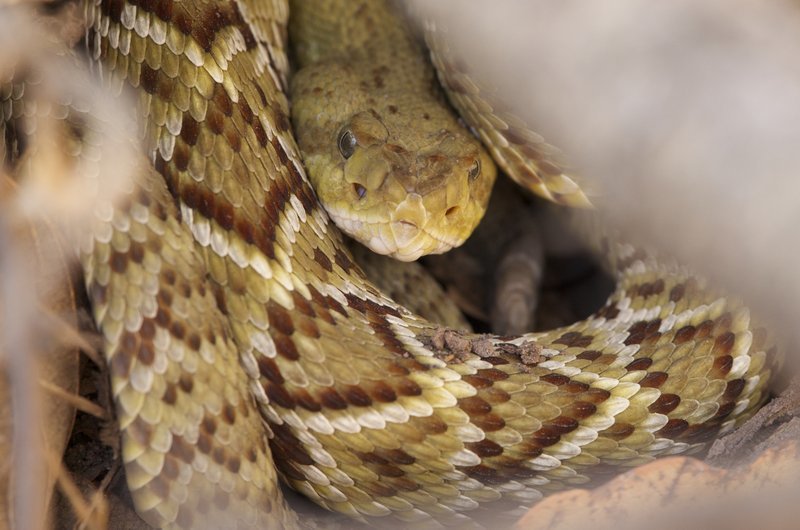
Crotalus basiliscus
Species of snake
.jpg)
Phenacodus
Phenacodus (Greek: "deception" (phenax), "tooth' (odus)) is an extinct genus of mammals from the late Paleocene through middle Eocene, about 55 million years ago. It is one of the earliest and most primitive of the ungulates, typifying the family Phenacodontidae and the order Perissodactyla.

Basilosauridae
Basilosauridae is a family of extinct cetaceans that lived during the middle to late Eocene. Basilosaurids are known from all continents including Antarctica, and are probably the first fully aquatic cetaceans. The group is noted to be a paraphyletic assemblage of stem group whales from which the monophyletic Neoceti are derived.
.jpg)
Taeniodonta
Taeniodonta ("banded teeth") is an extinct order of eutherian mammals, that lived in North America and Europe from the late Cretaceous (Maastrichtian) to the middle Eocene. They were among the first mammals to evolve large body sizes (comparable to a modern wild boar or American black bear), as well as ever-growing teeth for eating tough plants.

Diadectes
Diadectes (meaning crosswise-biter) is an extinct genus of large reptiliomorphs that lived during the early Permian period (Artinskian-Kungurian stages of the Cisuralian epoch, between 290 and 272 million years ago). Diadectes was one of the first herbivorous tetrapods, and also one of the first fully terrestrial vertebrates to attain large size.

Black river turtle
species of reptile

Cope's gray treefrog
species of amphibian
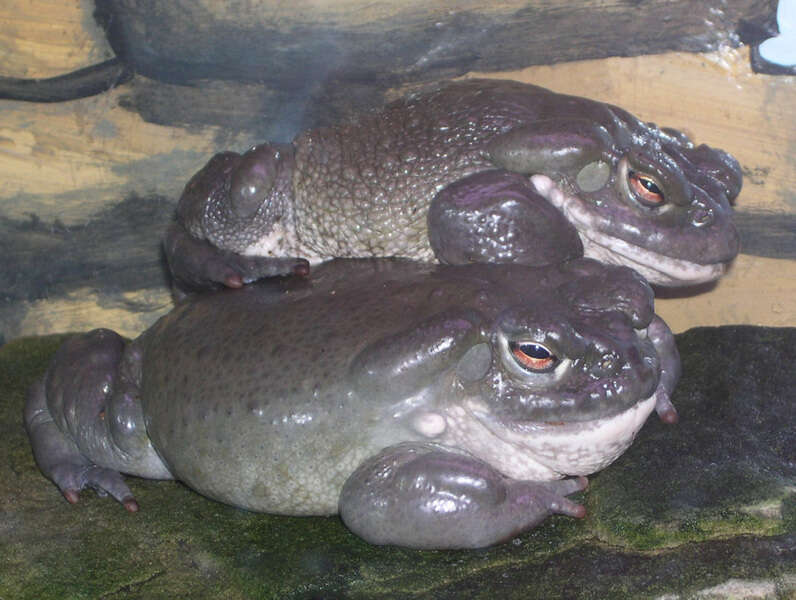
Incilius
Incilius is a genus of toads in the true toad family, Bufonidae. They are sometimes known as the Central American toads or Middle American toads and are found in southern USA, Mexico, Central America, and northern Pacific South America (Colombia and Ecuador). They are an ecologically and biogeographically diverse group of toads, including micro-endemic species such as Incilius spiculatus that are restricted to undisturbed cloud forests, and widespread lowland species such as Incilius valliceps that predominantly occur in disturbed habitats.
Trimorphodon
Trimorphodon is a genus of mildly venomous, rear-fanged, colubrid snakes. They are commonly known as lyre snakes, named after the distinctive V-shaped pattern on their head that is said to resemble the shape of a lyre. In Mexico, they are commonly called "víbora de uña," or "nail viper." The word Trimorphodon is a combination of three Greek words, 'tri' - three, 'morph' - shape, and 'odon' - teeth, which refers to the three distinct kinds of teeth that lyre snakes have: recurved anterior teeth; shorter middle teeth, and large grooved fangs at the rear of the jaw. There are seven distinct speci
Gyrinophilus
Gyrinophilus, the spring salamanders, are a genus of salamanders in the family Plethodontidae. The genus is endemic to the Appalachian Mountains of the eastern United States and Canada. Their habitat is under rocks in cold, clear springs, in wet caves, and in streams in forested areas.
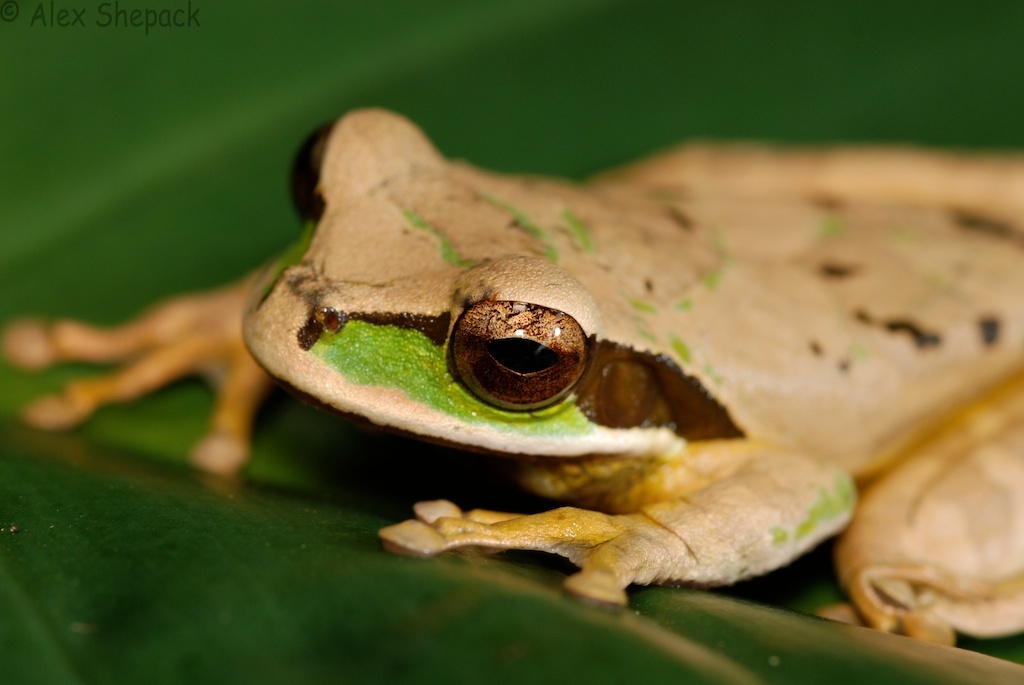
Mexican Treefrogs
genus of amphibians
Glass bloodfin tetra
species of fish

Mexican leaf frog
species of Amphibia
Staurois
Staurois is a small genus of minuscule true frogs. Most species in the genus are restricted to Borneo, but two species are from the Philippines. This genus is a quite ancient member of the true frog family, Ranidae. They are typically found in or near rapidly flowing, small rocky streams, and are sometimes known as splash frogs or foot-flagging frogs. The latter name refers to their unusual behavior of conspicuously waving their hindlegs and feet, as a way of signalling other members of the species. Similar behavior has also been documented in other frog genera, notably Hylodes and Micrixalus.

Sphenodontidae
Sphenodontidae is a family within the reptile group Rhynchocephalia, comprising taxa most closely related to the living tuatara (Sphenodon punctatus). Historically the taxa included within Sphenodontidae have varied greatly between analyses, and the group has lacked a formal definition. Cynosphenodon from the Jurassic of Mexico has consistently been recovered as a close relative of the tuatara in most analyses, with the clade containing the two and other very close relatives of the tuatara often called Sphenodontinae.

Oxyaena
Oxyaena ("sharp hyena") is an extinct genus of placental mammals from extinct subfamily Oxyaeninae within extinct family Oxyaenidae, that lived in Europe, Asia and North America (with most specimens being found in Colorado) during the early Eocene.
Metynnis
Metynnis also commonly known as the silver dollar is a genus of freshwater ray-finned fishes belonging to the family Serrasalmidae, which includes the pacus, piranhas and related fishes. The fishes in this genus are found in tropical and subtropical South America. They are herbivorous or omnivorous, and inhabit a wide range of freshwater habitats, ranging from rivers and streams (both fast- and slow-flowing), to floodplains, flooded forests, lakes, pools and reservoirs. They generally reach in standard length, although a few species may reach up to . The genus contains many of the species know

Stereocyclops
Stereocyclops (common name: Brazilian dumpy frogs) is a small genus of microhylid frogs. It is endemic to the Atlantic forest of eastern Brazil. Molecular phylogeny suggests that it is sister taxon to the clade containing Dasypops and Myersiella.
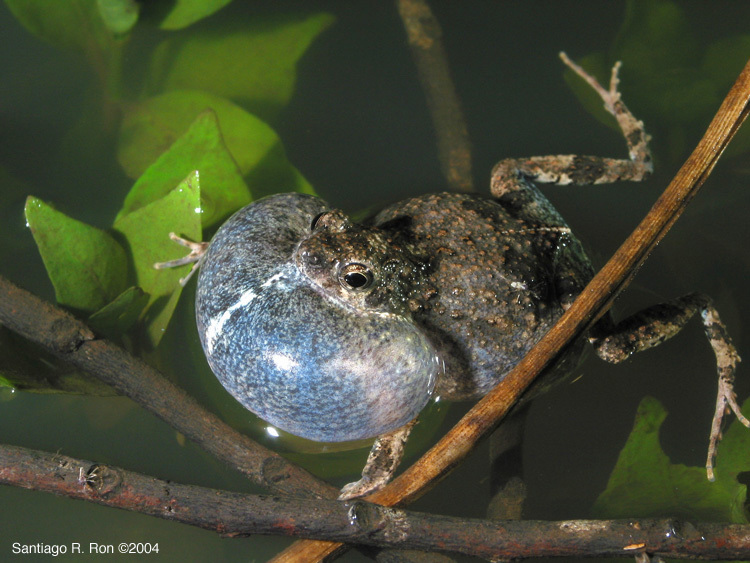
Tungara Frog
species of amphibian
.jpg)
Antiarchi
left|thumb|344x344px|Fossil fish slab, cast. Late Devonian, Mandagery Sandstone, [[Canowindra, New South Wales (Australia). Preserves 114 fish individuals, which died when their freshwater pond dried up. Most of the individuals in the slab are the antiarch placoderms Remigolepis walkeri and Bothriolepis yeungae. One sarcopterygian individual is present, Canowindra grossi, the largest fish in the slab. Two small and inconspicuous juvenile Groenlandaspis are also preserved.]]
Smilisca phaeota
species of amphibian

Mesonyx
Mesonyx ("middle claw") is an extinct genus of mesonychid, one of the families that is part of the extinct order Mesonychia. Fossils of the various species are found in Early to Late Eocene-age strata in the United States and Early Eocene-aged strata in China, 51.8—51.7 Ma (AEO).

Crotalus mitchellii
species of snake

Cryptotomus roseus
species of fish

Golfodulcean poison frog
species of amphibian

green salamander
species of amphibian

Triprion petasatus
species of amphibian

Sceloporus malachiticus
species of reptile

Protostega
Protostega ('first roof') is an extinct genus of sea turtle containing a single species, Protostega gigas. The species lasted from the Coniacian to the Campanian stages of the Late Cretaceous. Its fossil remains have been found in the Smoky Hill Chalk formation of western Kansas (Hesperornis zone, dated to 83.5 million years ago), time-equivalent beds of the Mooreville Chalk Formation of Alabama and Campanian beds of the Rybushka Formation (Saratov Oblast, Russia). It is also known from rocks in Canada, with these sediments dating to the middle Campanian due to them being found in the Pembina

Protostegidae
Protostegidae is a family of extinct marine turtles that lived during the Cretaceous period. The family includes some of the largest sea turtles that ever existed. The largest Archelon had a head long. Like most sea turtles, they had flattened bodies and flippers for front appendages; protostegids had minimal shells like leatherback turtles of modern times.
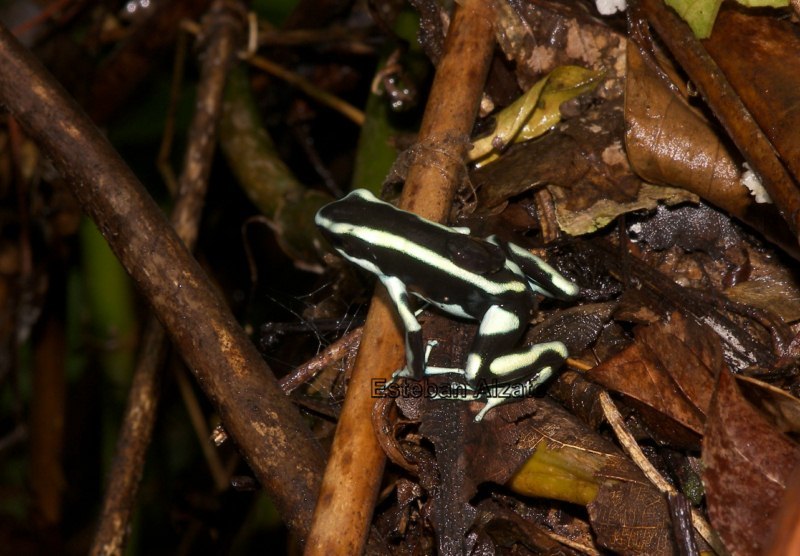
Yellow-striped poison frog
species of amphibian
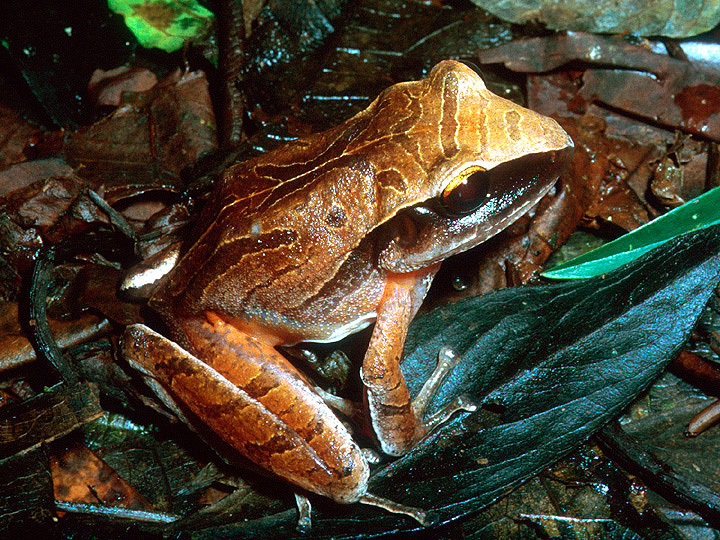
Craugastor
Craugastor is a large genus of frogs in the family Craugastoridae with 126 species.
Its scientific names means brittle-belly, from the Ancient Greek ' (, brittle, dry) and ' (, belly, stomach).
Agamyxis pectinifrons
species of fish

Corallus annulatus
species of reptile

California tree frog
species of amphibian

Champsosaurus
Champsosaurus is an extinct genus of crocodile-like choristodere reptile, known from the Late Cretaceous and early Paleogene periods of North America and Europe (Campanian–Paleocene). The name Champsosaurus is thought to come from , () said in an Ancient Greek source to be an Egyptian word for "crocodiles", and , () Greek for "lizard". The morphology of Champsosaurus resembles that of gharials, with a long, elongated snout. It was native to freshwater environments where it likely preyed on fish, similar to living gharials.

Mesonychidae
Mesonychidae (meaning "middle claws") is an extinct family of small to large-sized omnivorous-carnivorous mammals. They were endemic to North America and Eurasia during the Early Paleocene to the Early Oligocene, and were the earliest group of large carnivorous mammals in Asia. Once considered a sister-taxon to artiodactyls, recent evidence now suggests no close connection to any living mammal. Mesonychid taxonomy has long been disputed and they have captured popular imagination as "wolves on hooves", animals that combine features of both ungulates and carnivores. Skulls and teeth have similar

Hoplophoneus
Hoplophoneus (Greek: "murder" (phonos), "weapon" (hoplo)) is an extinct genus of saber-toothed carnivoran belonging to the family Nimravidae, sometimes known as false saber-toothed cats. The titular member of the subfamily Hoplophoninae, it is closely related to nimravids such as Eusmilus and Nanosmilus. Hoplophoneus lived in North America and Asia during the Late Eocene to Early Oligocene epochs from 35.7 to 30.5 mya, existing for approximately . Including supplementary materials The genus currently consists of three named species: H. oharri, H. occidentalis, and H. primaveus.
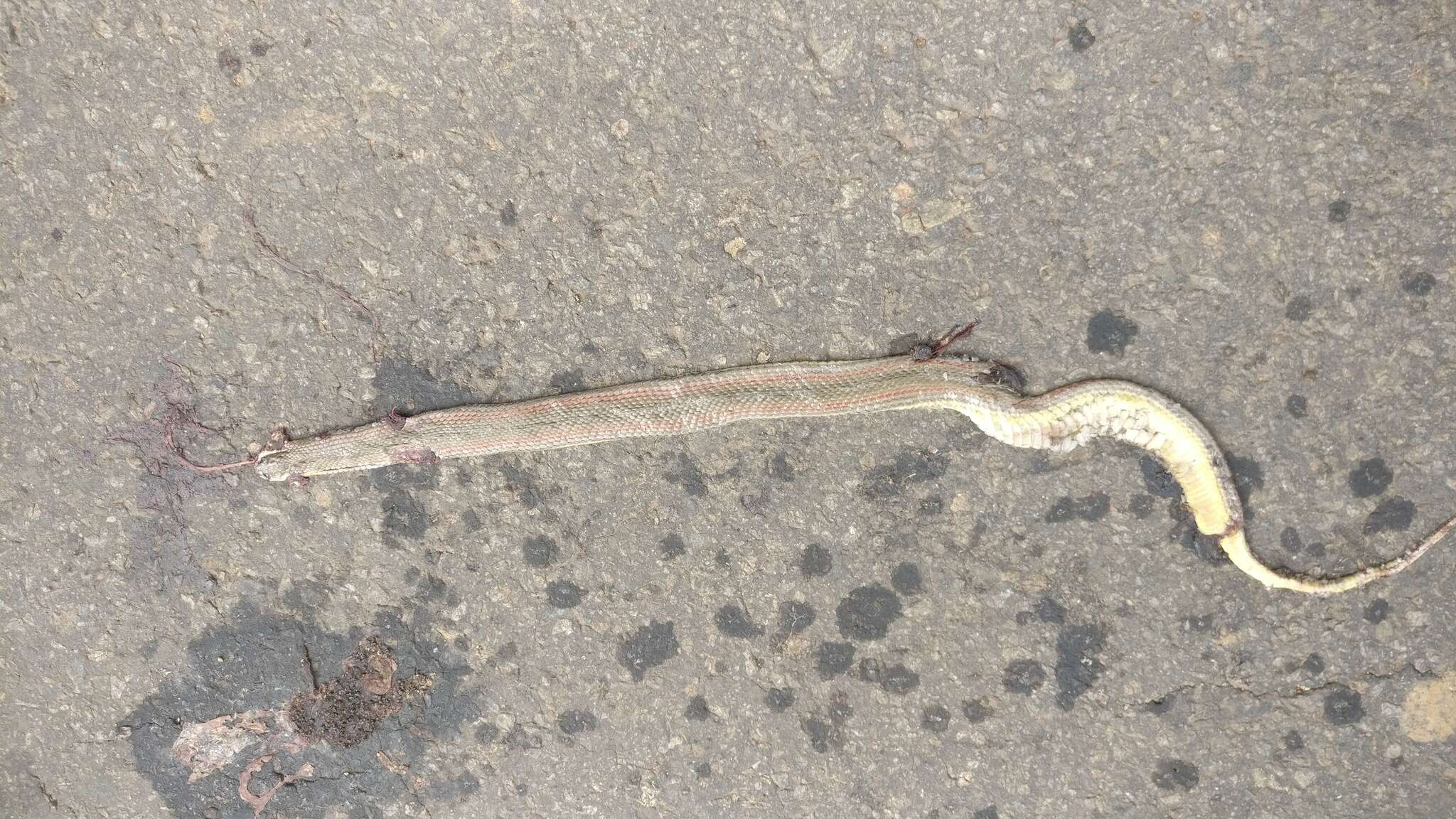
Atretium
Atretium schistosum, also known commonly as the split keelback and the olive keelback wart snake, is a species of snake in the subfamily Natricinae of the family Colubridae. The species, which is the sole species in the genus Atretium, is native to South Asia.
It is a common and harmless watersnake.

Colombian four-eyed frog
species of amphibian
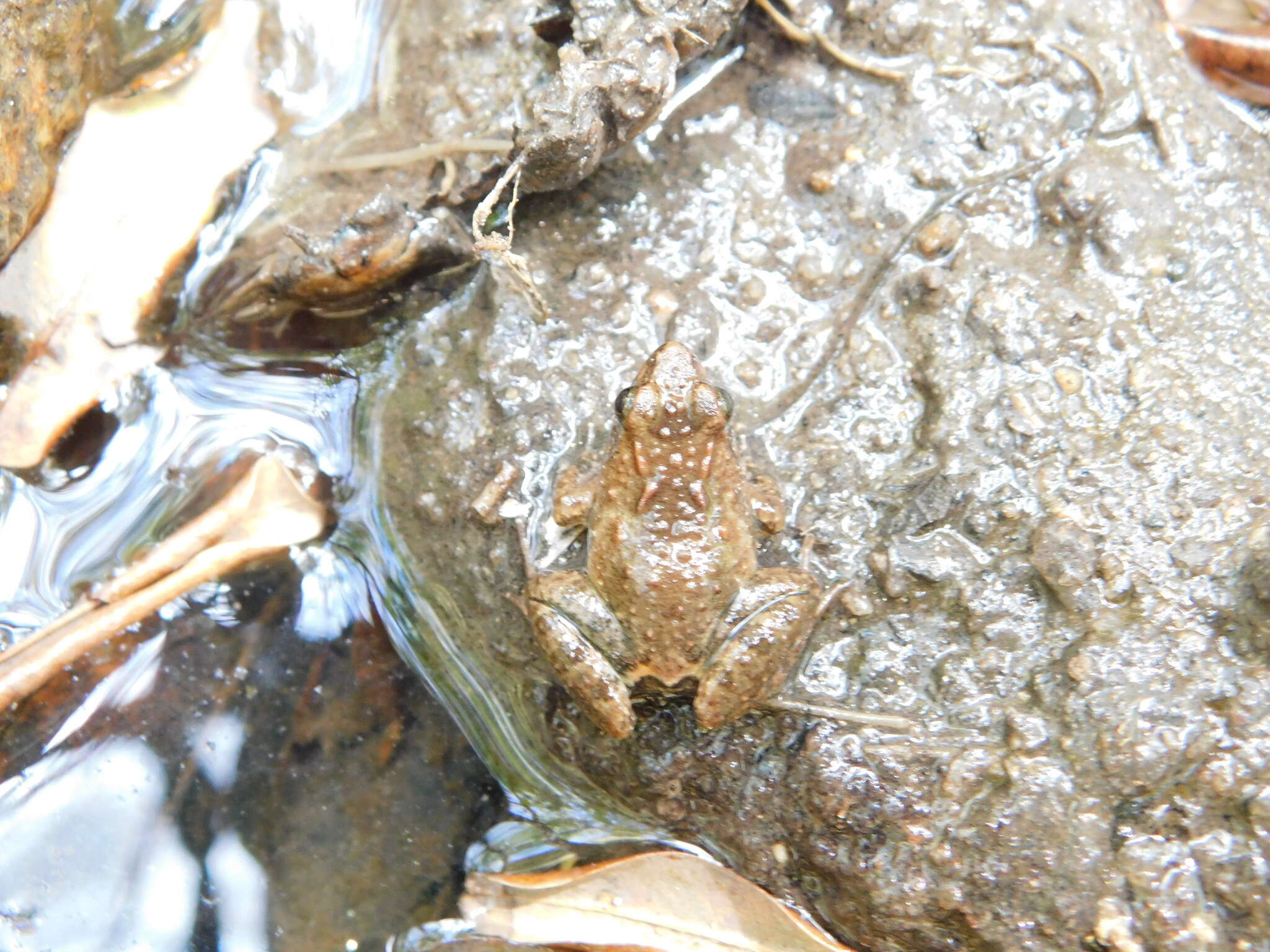
Phrynobatrachus acridoides
species of amphibian
Atelopus longirostris
harlequin frog
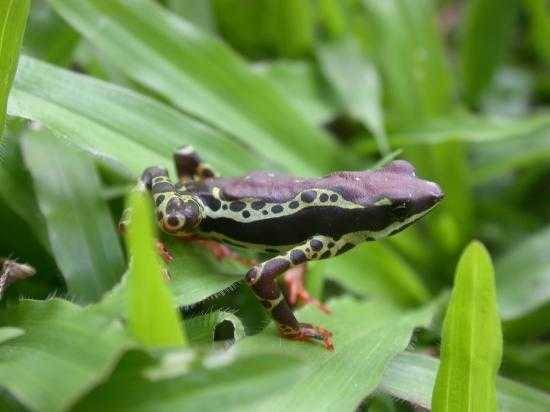
Atelopus spumarius
species of amphibian
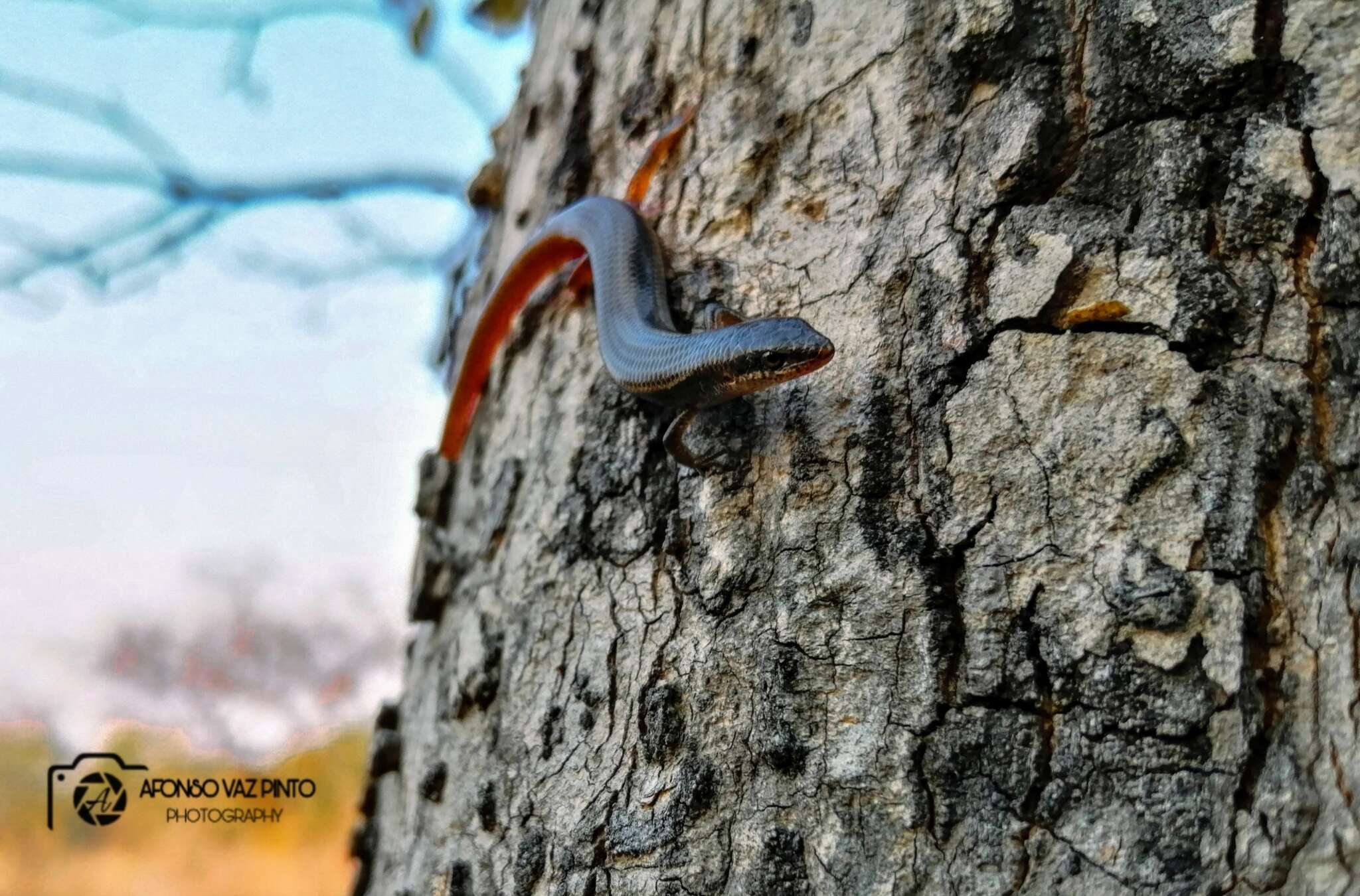
Panaspis
Panaspis is a genus of skinks, commonly called lidless skinks or snake-eyed skinks, endemic to Sub-Saharan Africa.

porthole catfish
species of fish
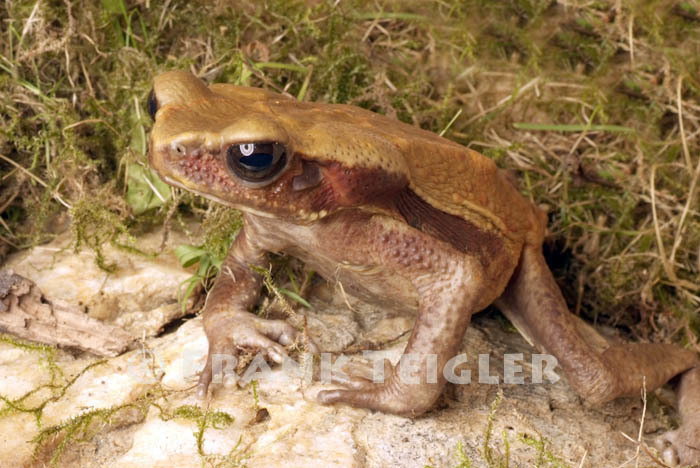
Rhaebo
Rhaebo is a genus of true toads, family Bufonidae, from Central and South America. They are distributed from Honduras to northern South America including the Amazonian lowlands. Common name Cope toads has been suggested for them.

Paronychodon
Paronychodon (meaning "beside claw tooth") is an extinct theropod dinosaur genus. It is a tooth taxon, often considered dubious because of the fragmentary nature of the fossils, which include "buckets" of teeth from many disparate times and places but no other remains, and should be considered a form taxon.

Dendropsophus microcephalus
species of amphibian
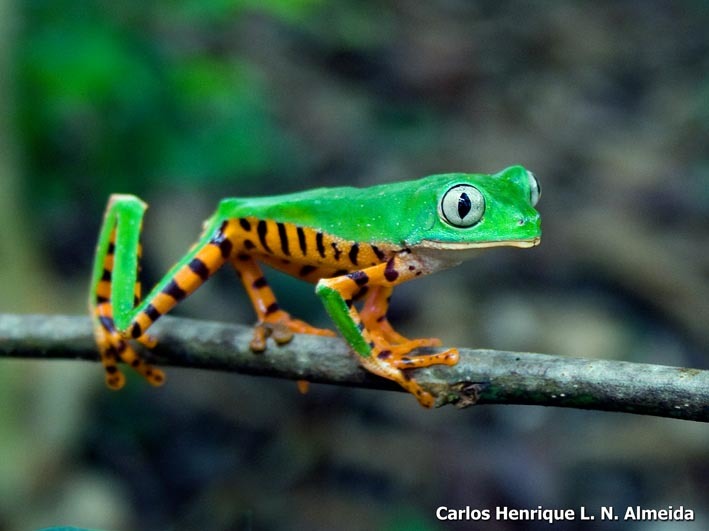
Phyllomedusa tomopterna
species of amphibian

Scinax nasicus
species of amphibian