Category
page 3Taxa named by Edward Drinker Cope
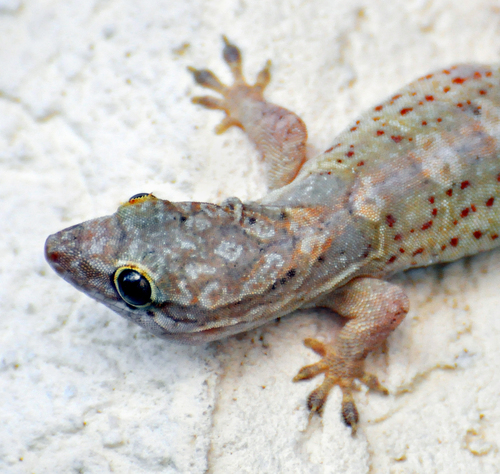
Aristelliger
Aristelliger is a genus of Caribbean geckos in the family Sphaerodactylidae, commonly known as croaking geckos or Caribbean geckos. The nine named species in the genus are native to various islands in the West Indies, though the species A. georgeensis is also found on mainland Belize. Aristelliger species are nocturnal and mostly arboreal, occupying palm tree trunks and other vertical surfaces. They are among the largest neotropical geckos, with A. lar reaching up to 135 mm (5.3 inches) in snout-vent-length (not including the tail). They are primarily insectivorous, feeding on a variety of art

Cachryx defensor
species of reptile

Thorius
Thorius, also known as minute salamanders, pigmy salamanders, or Mexican pigmy salamanders, is a genus of salamanders in the family Plethodontidae. They are endemic to Mexico and found in southern Veracruz and Puebla to Guerrero and Oaxaca.
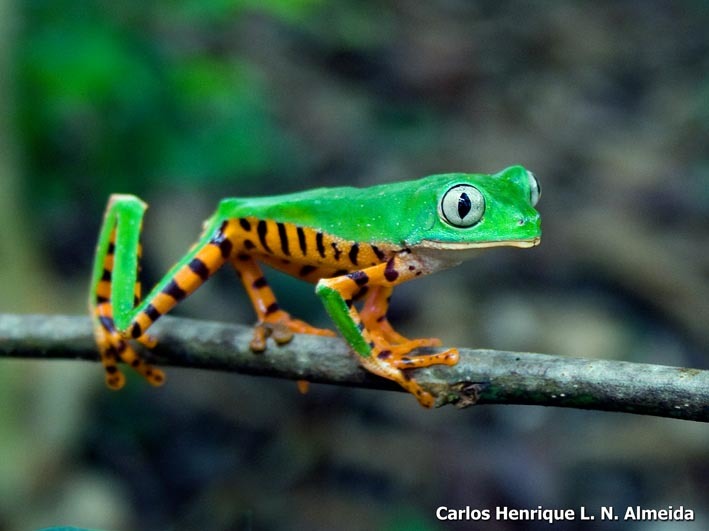
Phyllomedusa tomopterna
species of amphibian

Eleutherodactylus planirostris
species of amphibian

Borophagus
Borophagus ("gluttonous eater") is an extinct genus of the subfamily Borophaginae, a group of canids endemic to North America from the Middle Miocene to the early Pleistocene (12—2Mya).

Ctenosaura hemilopha
species of reptile

Crotalus enyo
species of reptile

Mexican spotted wood turtle
species of reptile
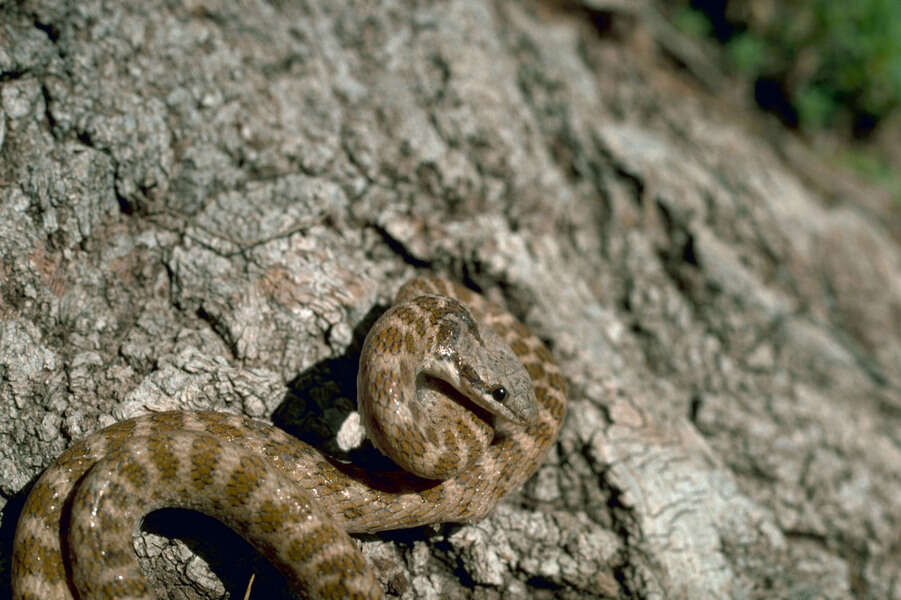
Hypsiglena
Hypsiglena is a genus of small, rear-fanged snakes, commonly referred to as night snakes, in the subfamily Dipsadinae of the family Colubridae. The genus consists of nine species. Three of these species have subspecies, which have been maintained pending further investigation.

Pantolambda
Pantolambda (Greek: "all" (pantos), "lambda" (lambda), in a reference to the shape of upper premolars, similar to the Greek letter lambda) is an extinct genus of Paleocene pantodont mammal. Pantolambda lived during the middle Paleocene, and has been found both in Asia and North America.
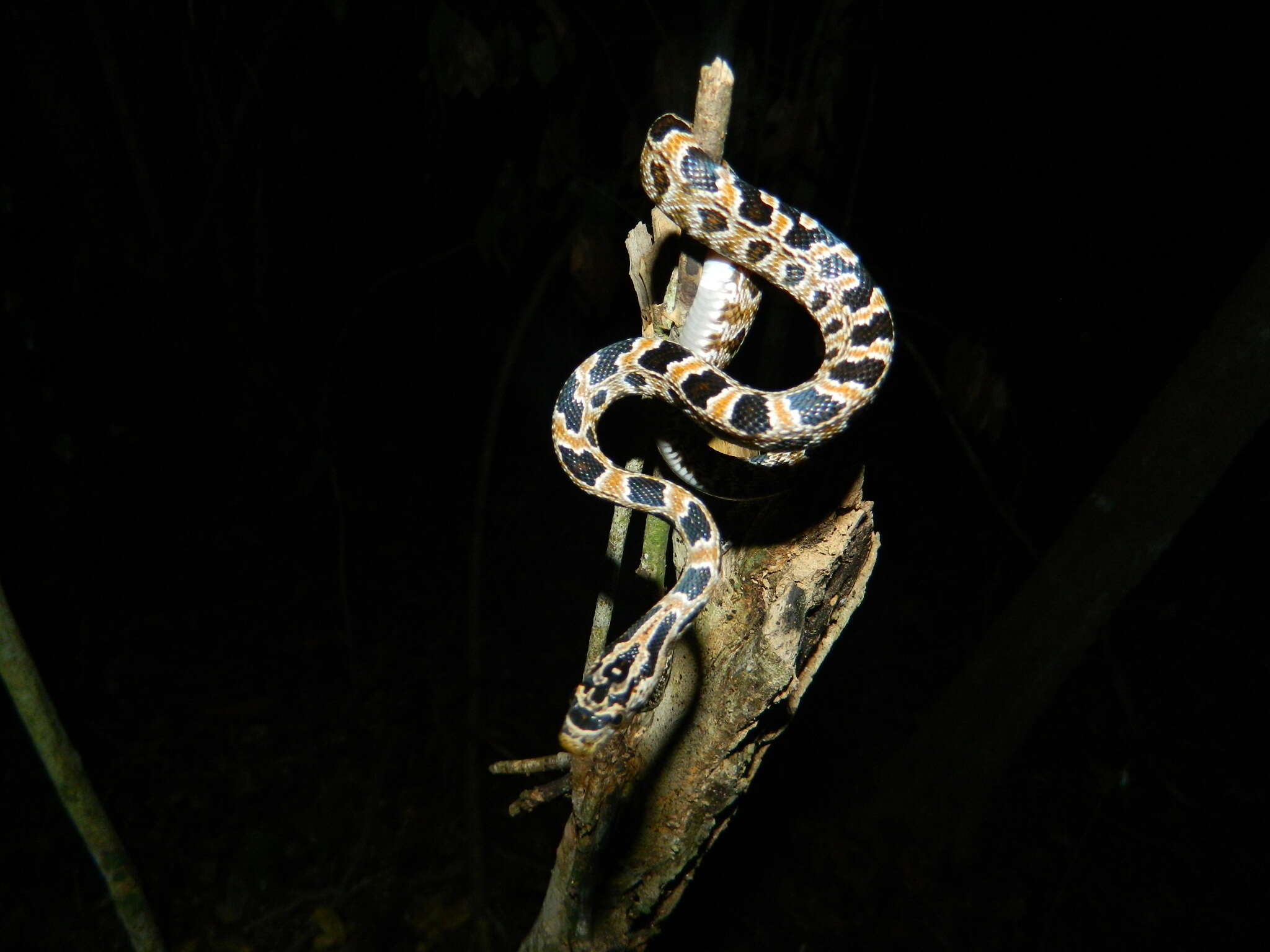
Senticolis triaspis
species of reptile
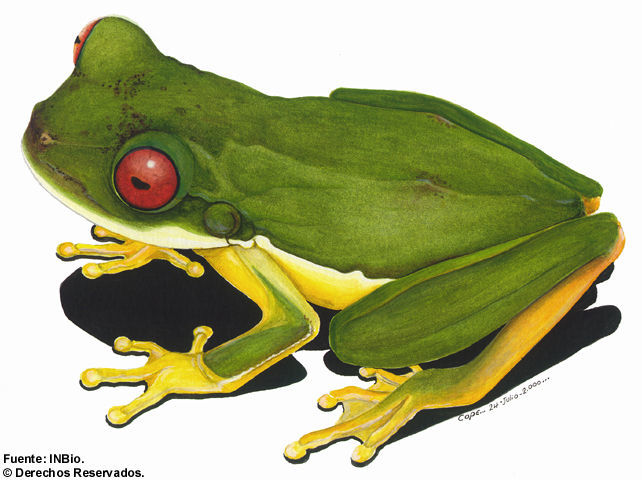
Duellmanohyla uranochroa
species of amphibian

Paronychodon
Paronychodon (meaning "beside claw tooth") is an extinct theropod dinosaur genus. It is a tooth taxon, often considered dubious because of the fragmentary nature of the fossils, which include "buckets" of teeth from many disparate times and places but no other remains, and should be considered a form taxon.
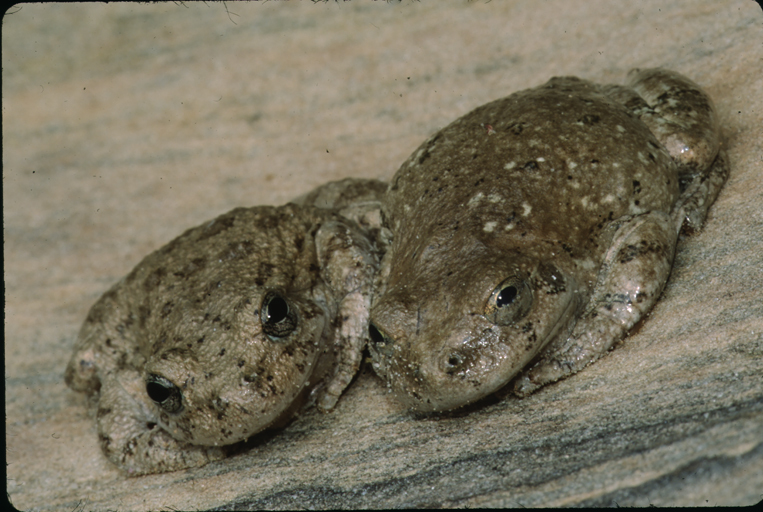
Hyla arenicolor
species of amphibian

Percomorpha
Percomorpha () is an extremely large and diverse clade of ray-finned fish. With more than 17,000 known species (including tuna, seahorses, gobies, cichlids, flatfish, wrasse, perches, anglerfish, and pufferfish) known from both marine and freshwater ecosystems, it is the most speciose clade of extant vertebrates.

Island Night Lizard
species of reptile

Allobates brunneus
species of amphibian

Scinax funereus
species of amphibian

Crotalus polystictus
species of reptile

blacktop corydoras
species of catfish

Spea
Spea is a genus of North American amphibian commonly referred to as the western spadefoot toads. They differ greatly from true toads (those of the family Bufonidae) by having eyes with vertical pupils, no parotoid glands, and relatively smooth skin. Their most distinctive feature is a spade-like projection on their hind feet, from which their common name is derived. This projection enables spadefoot toads to dig in loose soils with ease.
Its name is from the Ancient Greek '''' (, ‘cave, cavern’)

Puerto Rican crested toad
species of amphibian
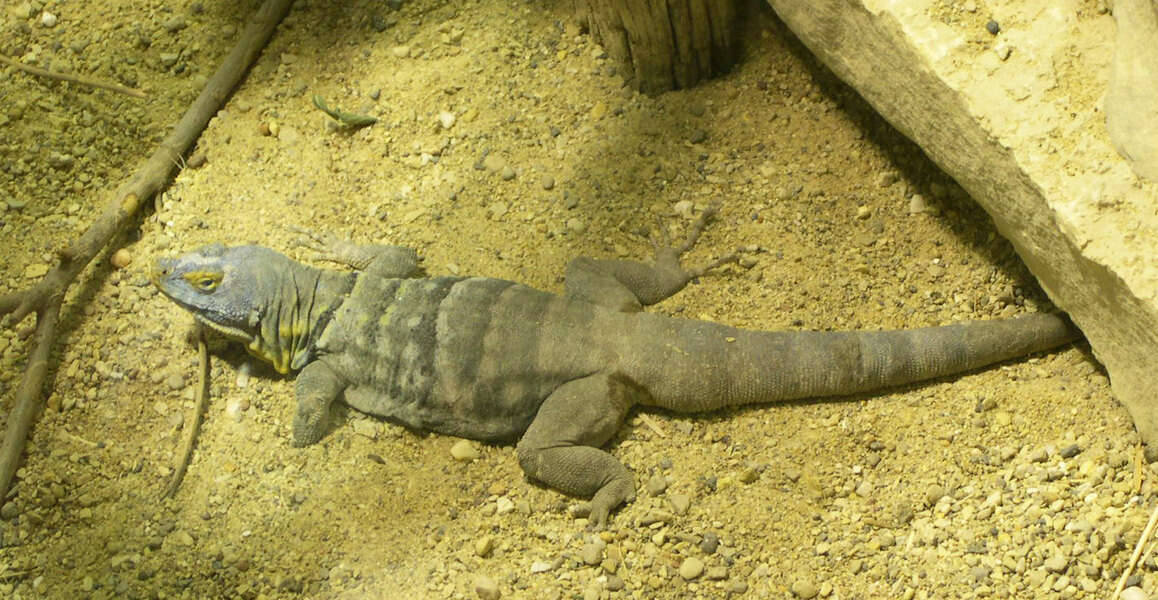
Baja Blue Rock Lizard
species of reptile
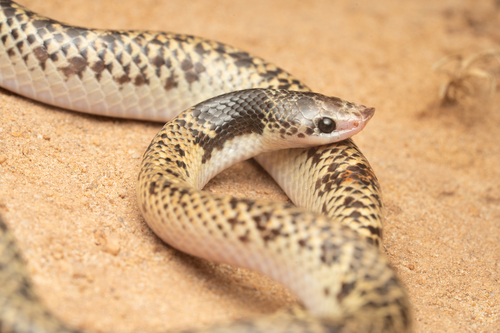
Phimophis
thumb | right | A specimen of Phimophis guerini collected in the Brazilian Amazon. Sections: (1) collection environment; (2) living specimen; (3–5) views of the head
Phimophis is a genus of snakes in the subfamily Dipsadinae. The genus is endemic to South America.

Plains spadefoot
species of amphibian
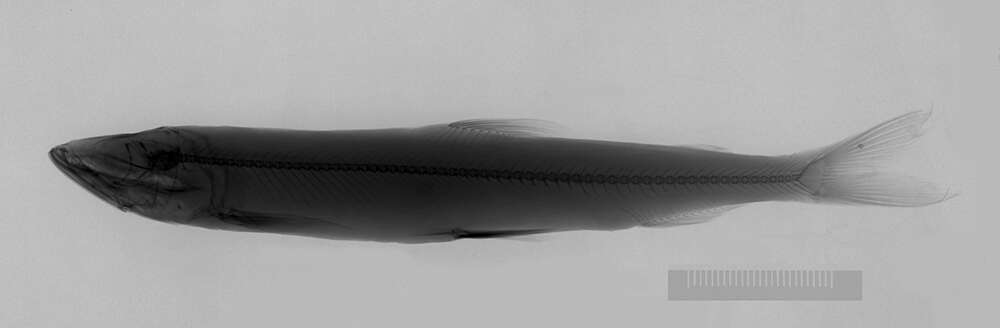
Pygmy smelt
species of fish

Amphisbaena fenestrata
species of reptile
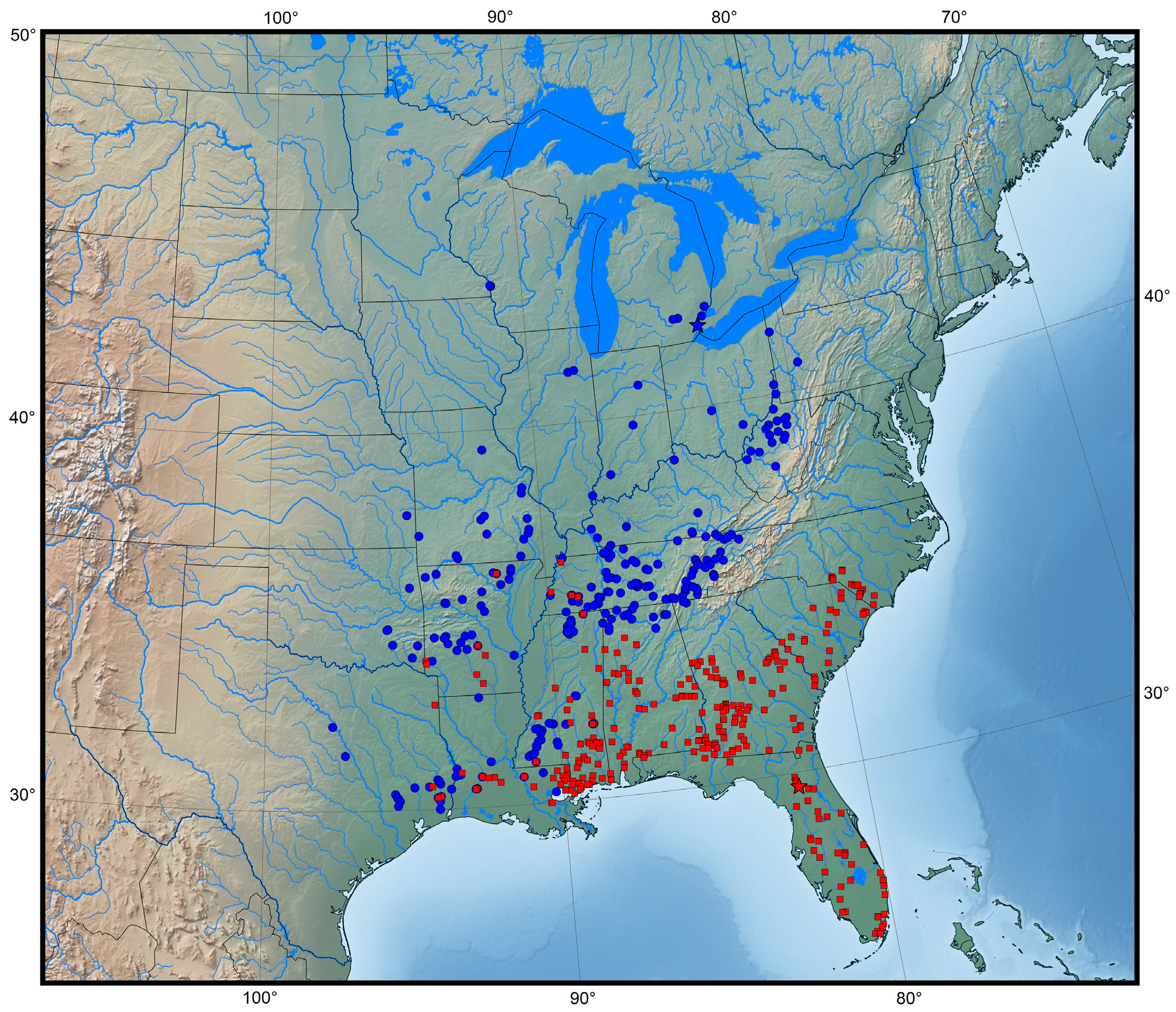
Labidesthes sicculus
species of fish
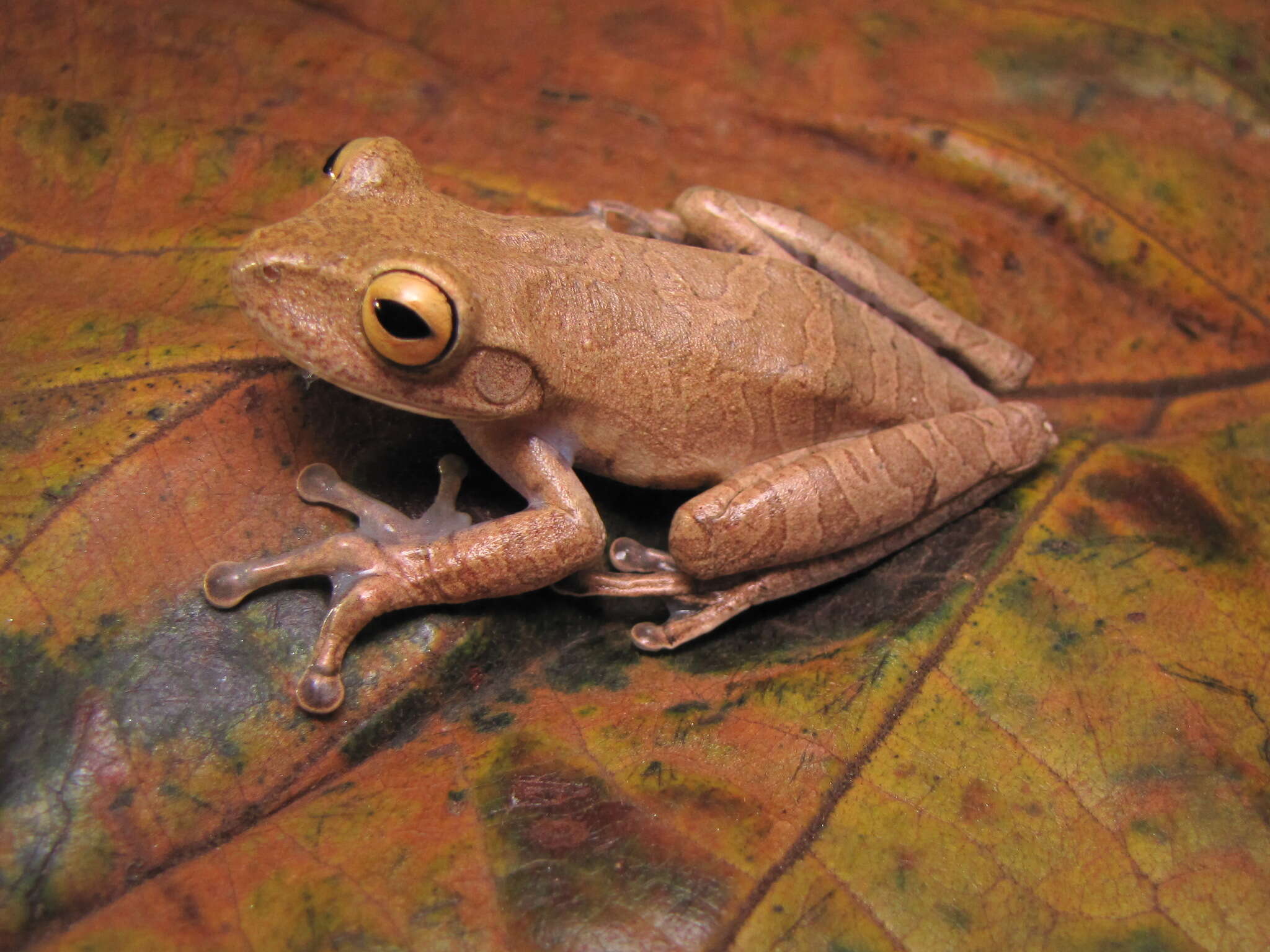
Espirito Santo tree frog
species of amphibian

Dominican Anole
species of reptile

Gyalopion
Gyalopion is a genus of small nonvenomous colubrid snakes. Species in the genus Gyalopion are commonly referred to as hooknose snakes, and are native to the southwestern United States and Mexico.
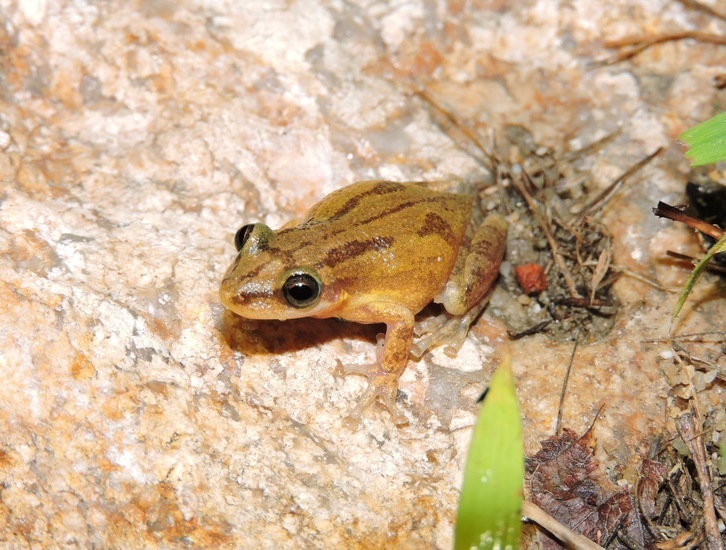
Scinax staufferi
species of amphibian

Sceloporus cyanogenys
species of reptile
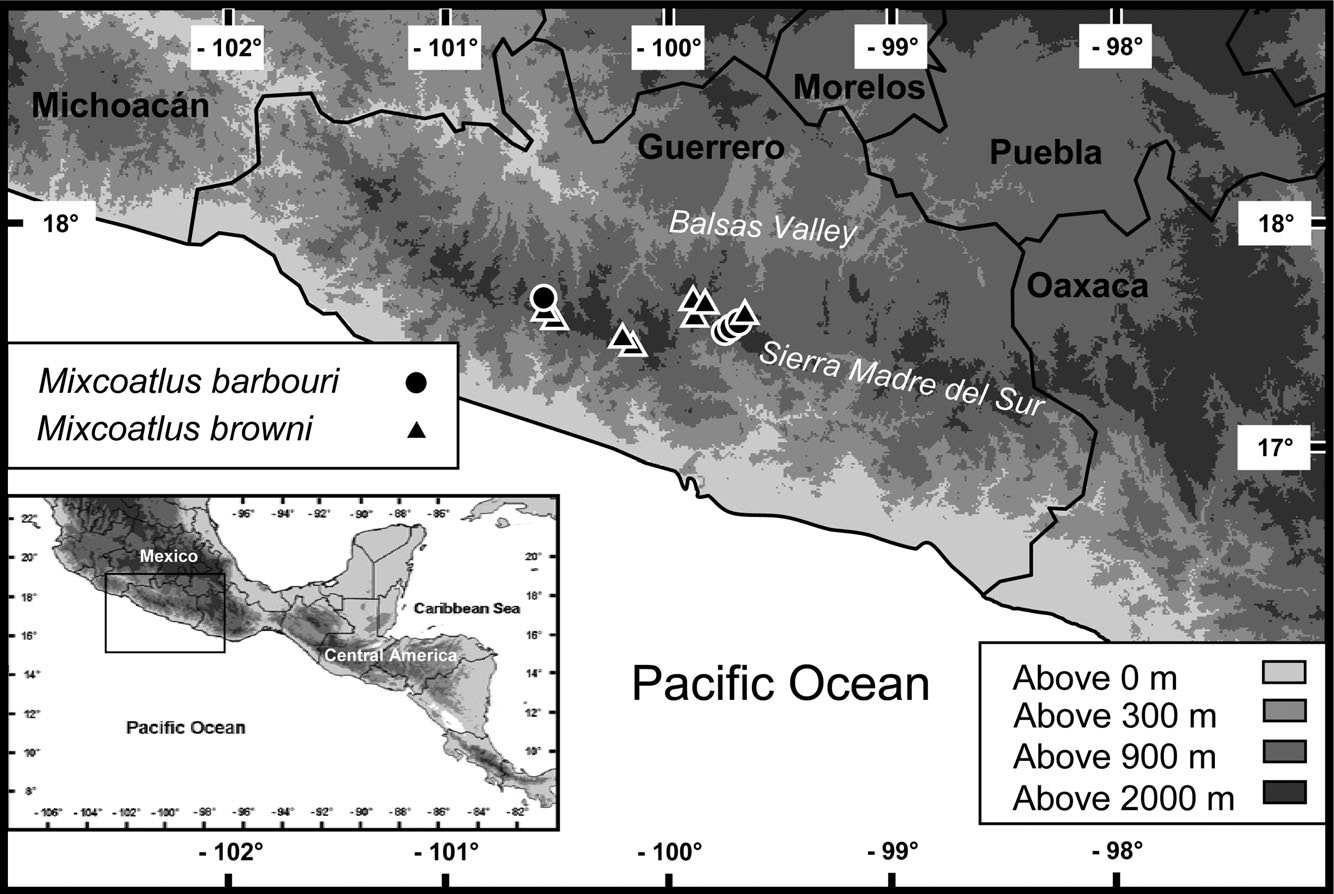
Ophryacus
Common names: Mexican horned pitvipers.
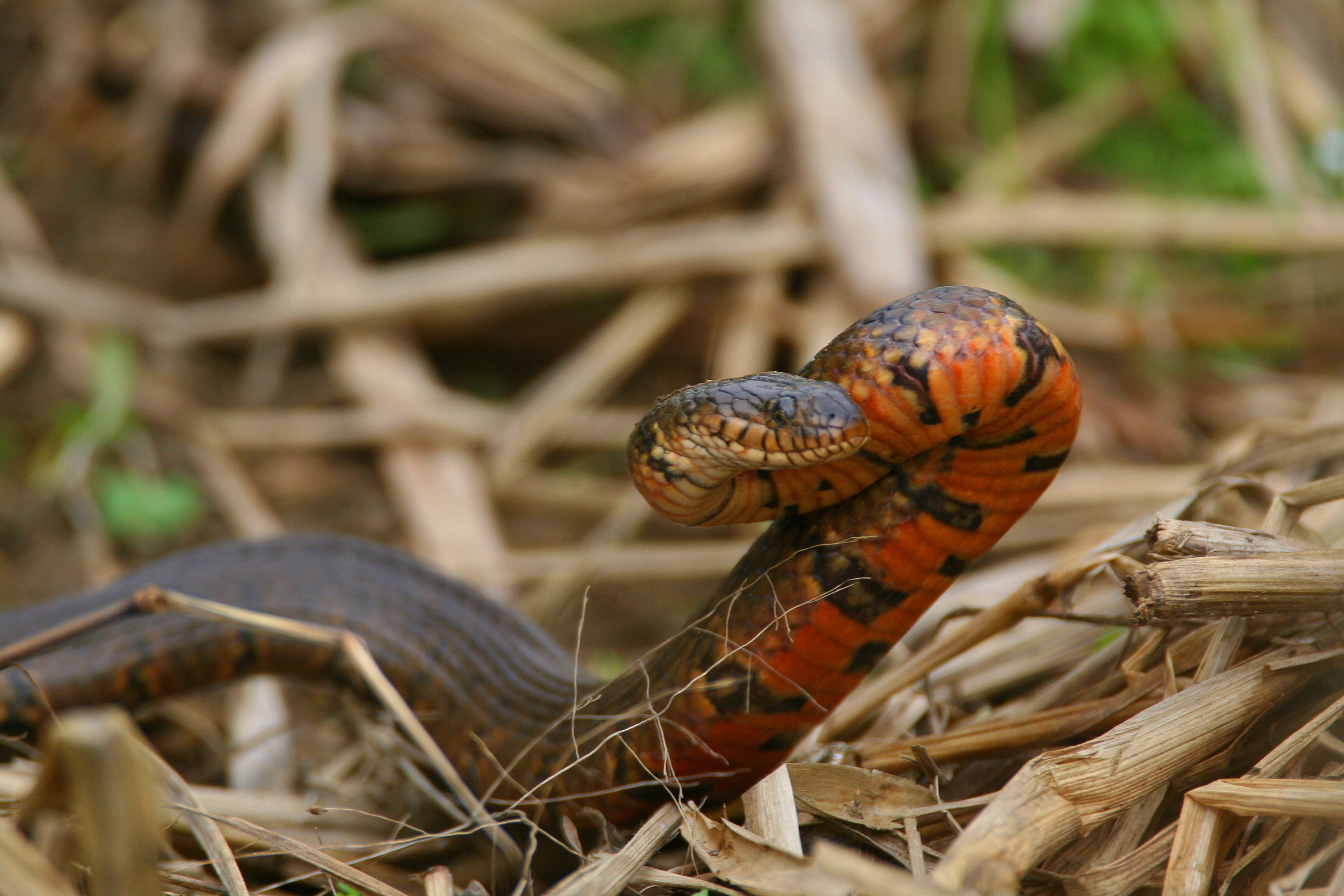
Sinonatrix
Trimerodytes is a genus of snakes in the subfamily Natricinae of the family Colubridae. The genus is endemic to East Asia and Southeast Asia.

cui-ui
The cui-ui (Chasmistes cujus) is a large sucker fish endemic to Pyramid Lake and, prior to its desiccation in the 20th century, Winnemucca Lake in northwestern Nevada. It feeds primarily on zooplankton and possibly on nanoplankton (such as algae and diatoms). The maximum size of male cui-ui is approximately and , while females reach approximately and . A cui-ui typically lives for 40 years but does not reach sexual maturity until at least age eight. The cui-ui is an endangered species, and one of the few surviving members of its genus.
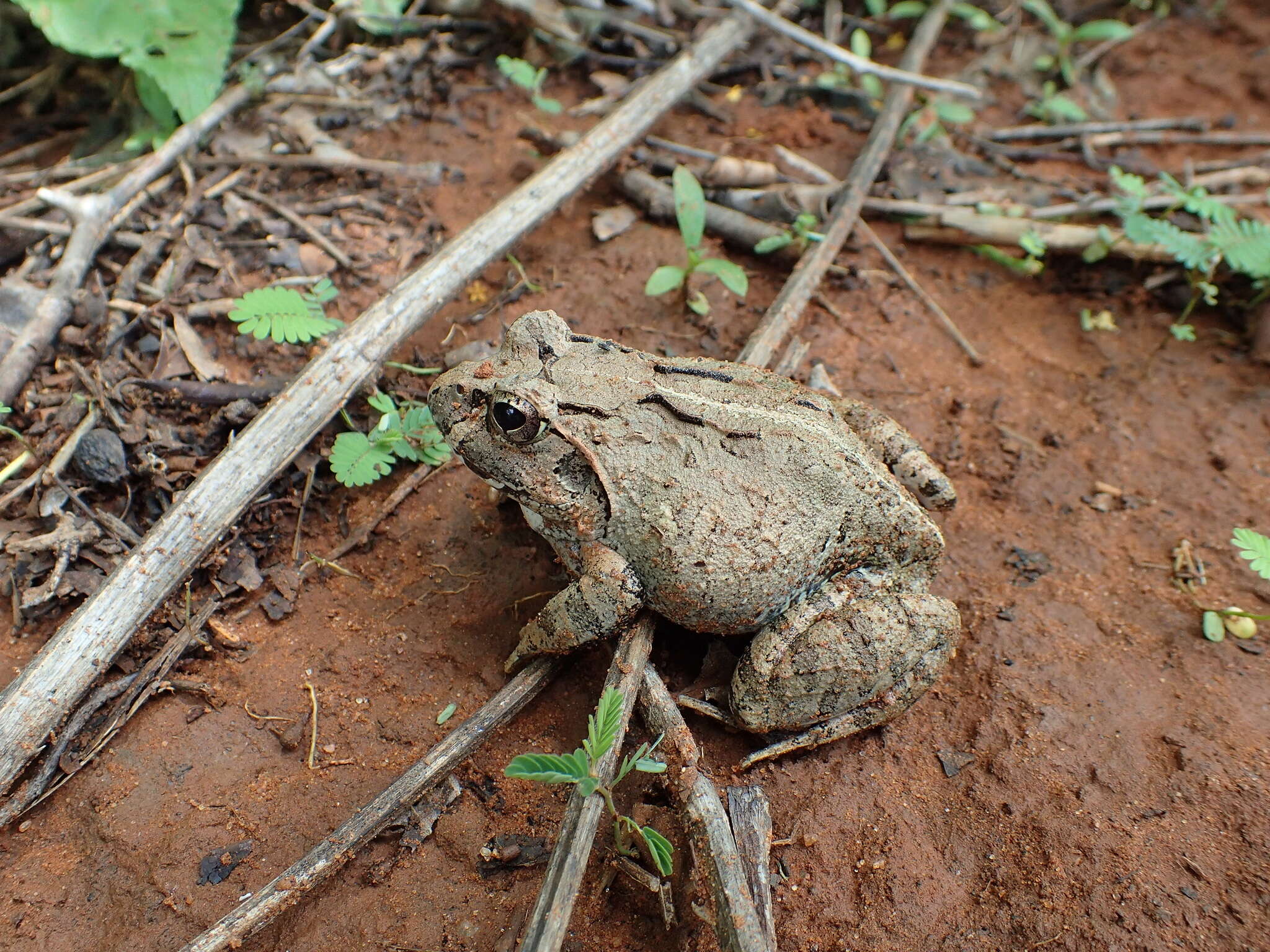
Laliostoma labrosum
Laliostoma is a genus of frogs in the family Mantellidae. It is monotypic, being represented by a single species, Laliostoma labrosum, or the Madagascar Bullfrog. It is endemic to Madagascar.
Its natural habitats are subtropical or tropical moist lowland forests, dry savanna, moist savanna, subtropical or tropical dry shrubland, subtropical or tropical dry lowland grassland, intermittent freshwater marshes, hot deserts, arable land, pastureland, rural gardens, urban areas, ponds, seasonally flooded agricultural land, and canals and ditches.

Pelophylax porosus
species of Daruma pond frog

Nimravus
Nimravus is an extinct genus of "false" saber-toothed cat that lived in North America and Eurasia during the Eocene and Oligocene epochs 35.3—27.1 mya, existing for approximately . Not closely related to true saber-toothed cats, they evolved a similar form through parallel evolution. Fossils have been uncovered from western U.S. from Oregon to Southern California and Nebraska, and also from Eurasia from France to Mongolia.

Great Basin spadefoot
species of amphibian
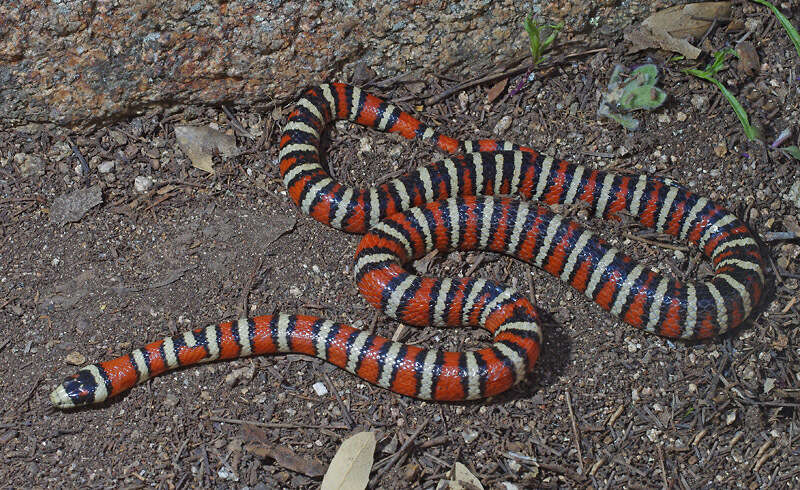
Lampropeltis pyromelana
species of reptile
Thoropa
Thoropa is a genus of frogs in the family Cycloramphidae. They are endemic to eastern and southeastern Brazil. They are sometimes known as river frogs.
Oscaecilia ochrocephala
species of amphibian
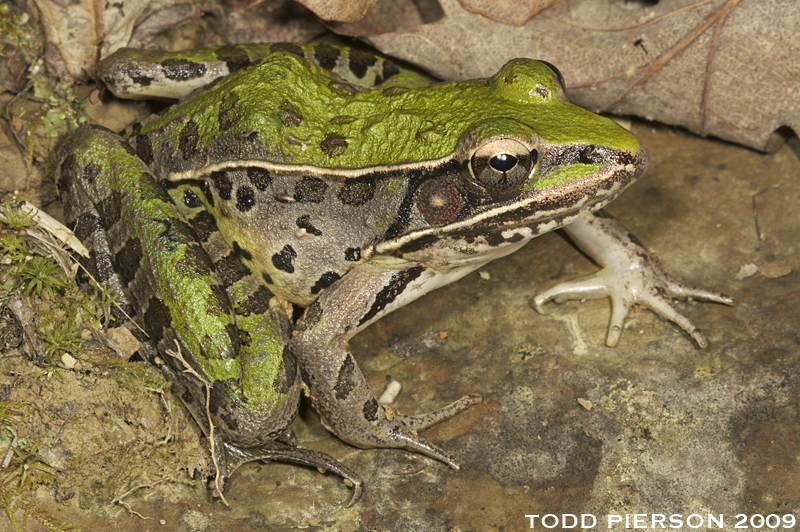
Southern leopard frog
species of amphibian
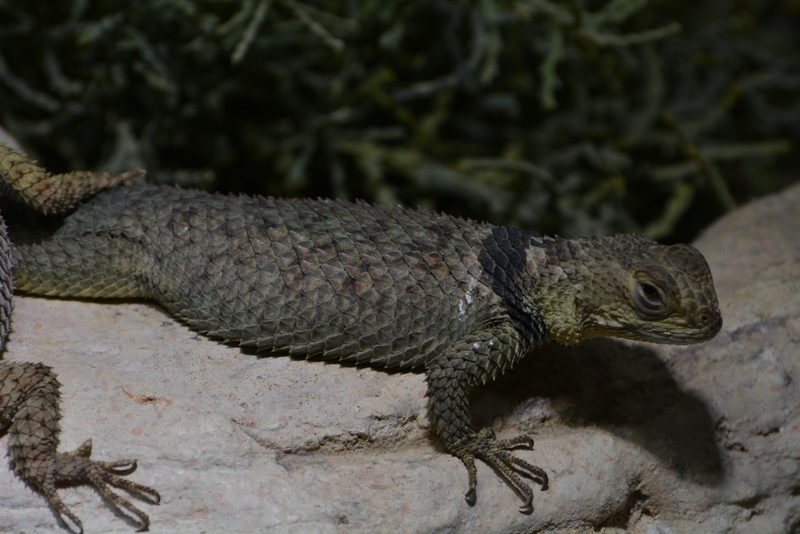
Sceloporus serrifer
species of reptile
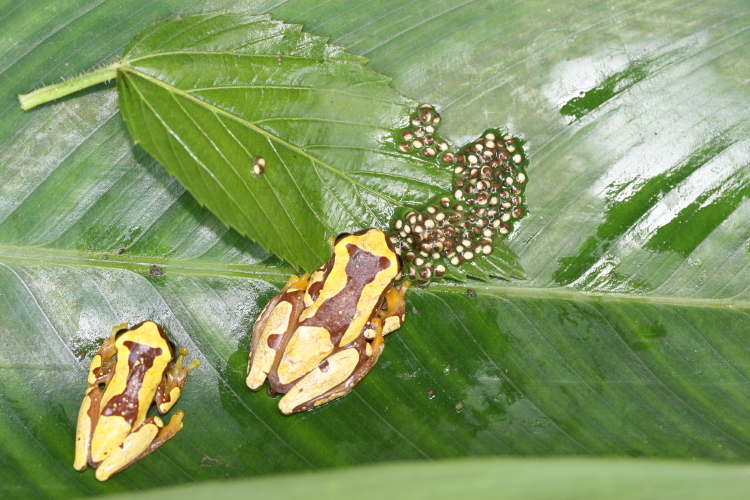
Dendropsophus ebraccatus
species of amphibian

Apostolepis
Apostolepis is a genus of snakes in the subfamily Dipsadinae. However, the familial placement differs among sources. It has also been placed in the family Colubridae, subfamily Dipsadinae or Xenodontinae, or in the family Xenodontidae. The genus Apostolepis is endemic to South America.

Cuban small-eared toad
species of toad
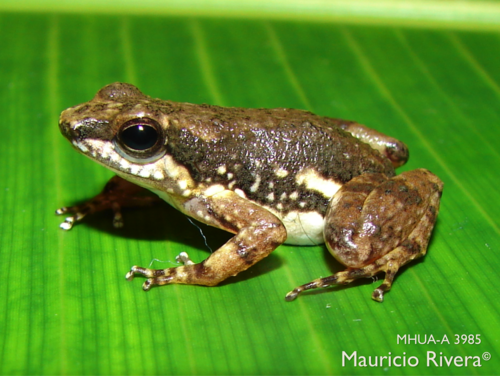
Colostethus inguinalis
species of amphibian
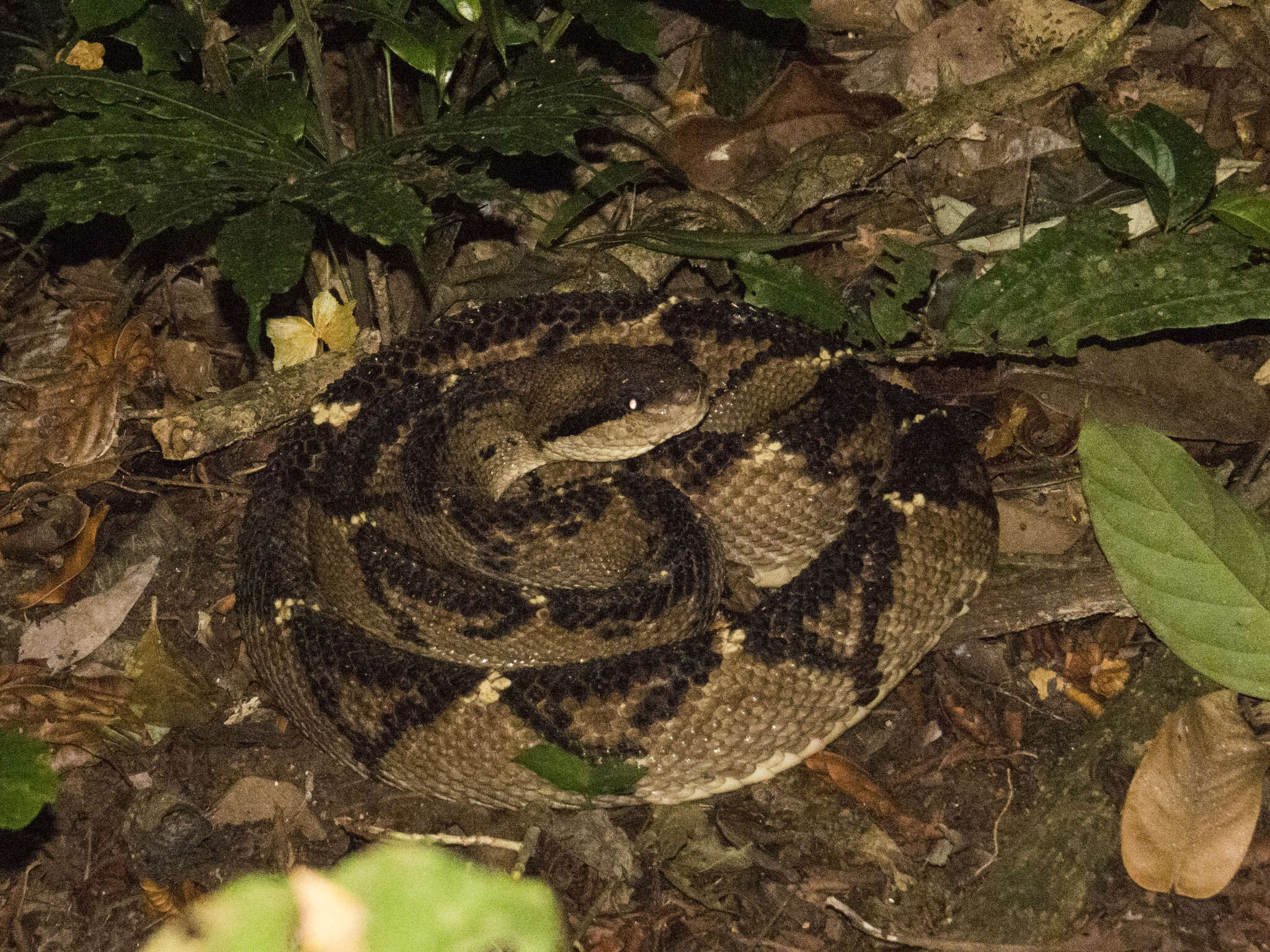
Lachesis stenophrys
species of reptile

Physalaemus biligonigerus
species of amphibian

Roanoke bass
species of fish
.jpg)
Miacoidea
Miacoidea ("small points") is a former paraphyletic superfamily of extinct placental mammals that lived during the Paleocene and Eocene epochs, about 66-33.9 million years ago. This group had been traditionally divided into two families of primitive carnivorous mammals: Miacidae (the miacids) and Viverravidae (the viverravids). These mammals were basal to order Carnivora, the crown-group within the Carnivoramorpha.
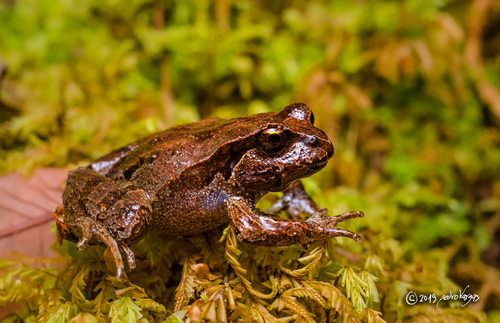
Zachaenus
Zachaenus is a genus of frogs in the family Cycloramphidae. There are two species that both are endemic to southeastern Brazil. Common name bug-eyed frogs has been coined for the genus.
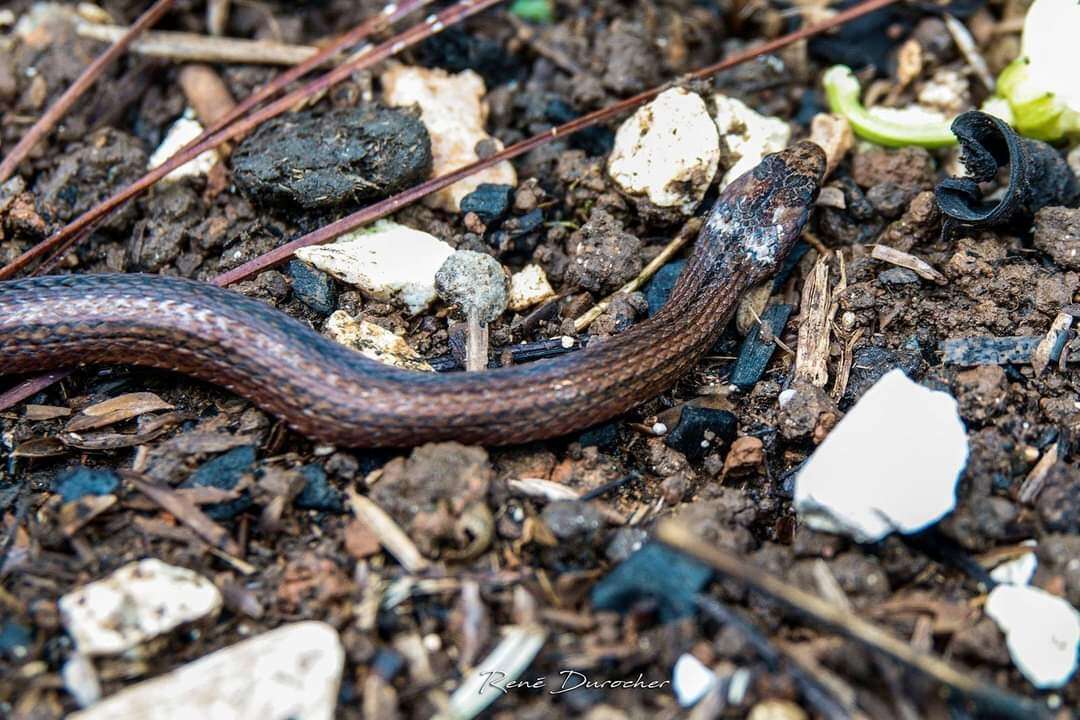
Ialtris
Ialtris is a genus of snakes in the subfamily Dipsadinae of the family Colubridae. The genus is endemic to the island of Hispaniola.

Sceloporus chrysostictus
species of reptile
Ecnomiohyla miliaria
species of amphibian
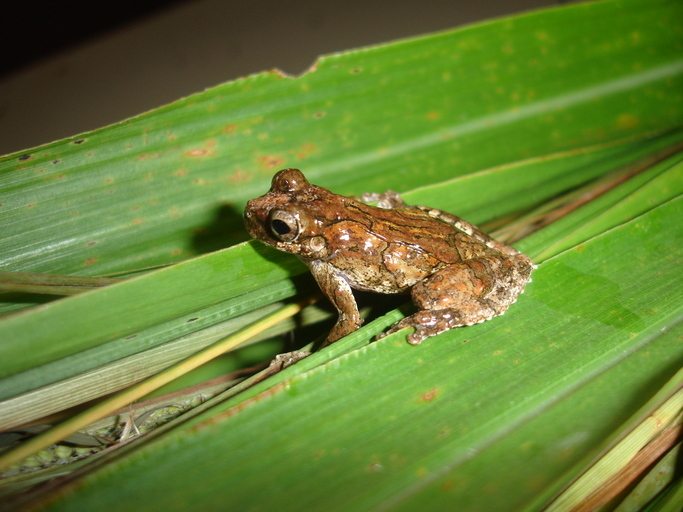
Dendropsophus seniculus
species of amphibian
Adenomera hylaedactyla
species of amphibian