Category
page 2Taxa named by Georges Cuvier
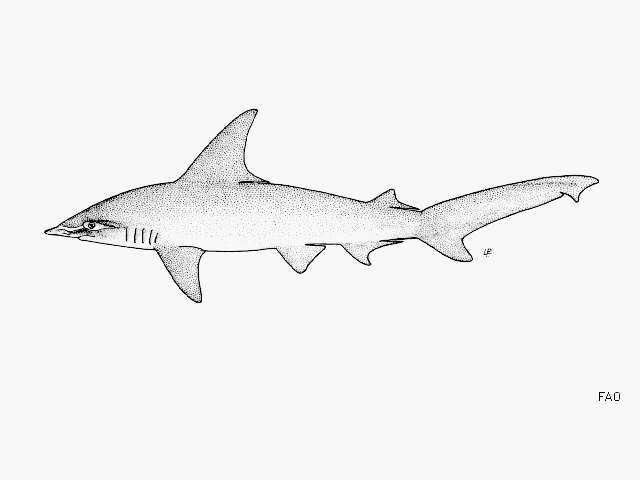
Eusphyra blochii
species of shark
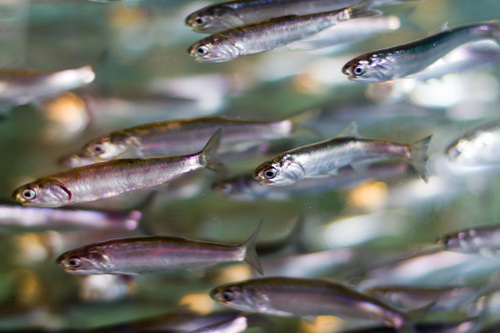
Engraulis
Engraulis is a genus of anchovies, currently containing 9 species. Species in this genus are found in the Pacific and Atlantic Oceans, as well as the Mediterranean Sea, and several of them are commercially important.

Chloris
The greenfinches are small passerine birds in the genus Chloris in the subfamily Carduelinae within the Fringillidae. The species have a Eurasian distribution except for the European greenfinch, which also occurs in North Africa.

Tambaqui / Cachama
The tambaqui (Colossoma macropomum) is a large species of freshwater fish in the family Serrasalmidae. It is native to tropical South America, but kept in aquaculture and introduced elsewhere. It is also known by the names black pacu, black-finned pacu, giant pacu, cachama, gamitana, and sometimes as pacu (a name used for several other related species).
%20-%20Plate%2040%2C%201905%20(14745658961).jpg)
Ploceus
Ploceus is a genus of birds in the weaver family, Ploceidae. They are native to the Indomalayan and Afrotropical realms.

Pterois radiata
species of fish
Leuciscus
Leuciscus is a genus of freshwater and brackish water ray-finned fishes belonging to the family Leuciscidae, which includes the daces, Eurasian minnows and related species. They are inland water fishes commonly called Eurasian daces. The genus is widespread from Europe to Siberia. Species broadly distributed in Europe include the common dace Leuciscus leuciscus and the ide L. idus.

Parson's chameleon
species of reptile
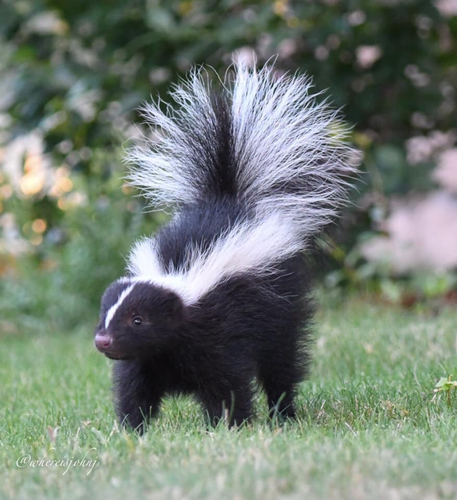
Mephitis
genus of mammals
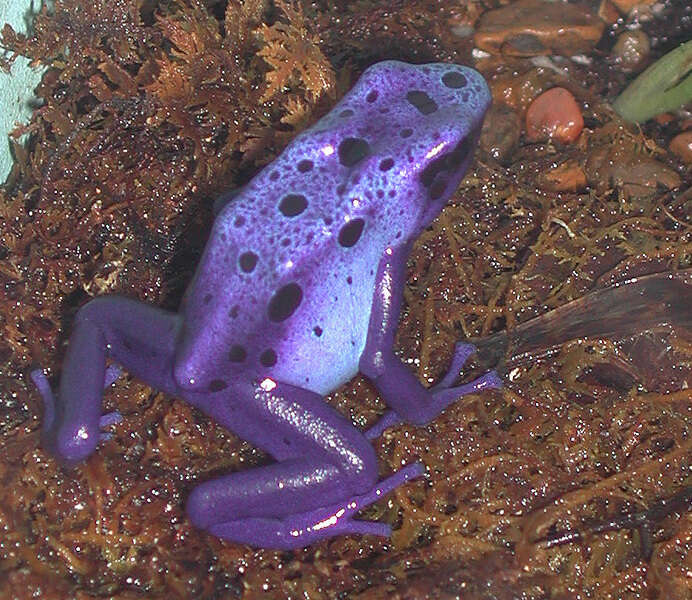
dyeing dart frog
species of amphibian
Conger
Conger ( ) is a genus of marine congrid eels. It includes some of the largest types of eels, ranging up to or more in length, in the case of the European conger. Large congers have often been observed by divers during the day in parts of the Mediterranean Sea, and both European and American congers are sometimes caught by fishermen along the European and North American Atlantic coasts.

Rufous-tailed Jacamar
species of bird
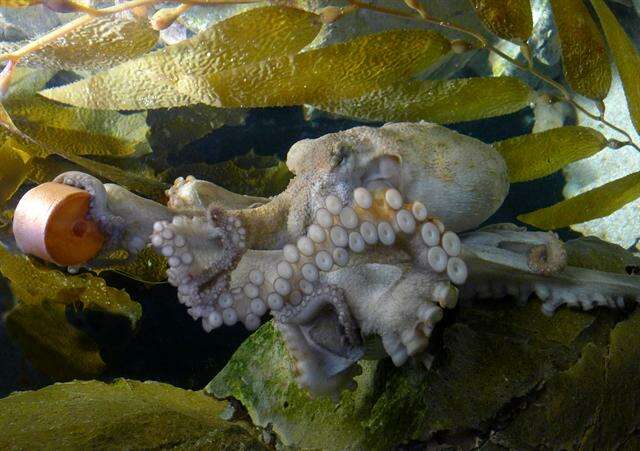
Octopus
largest genus of octopuses
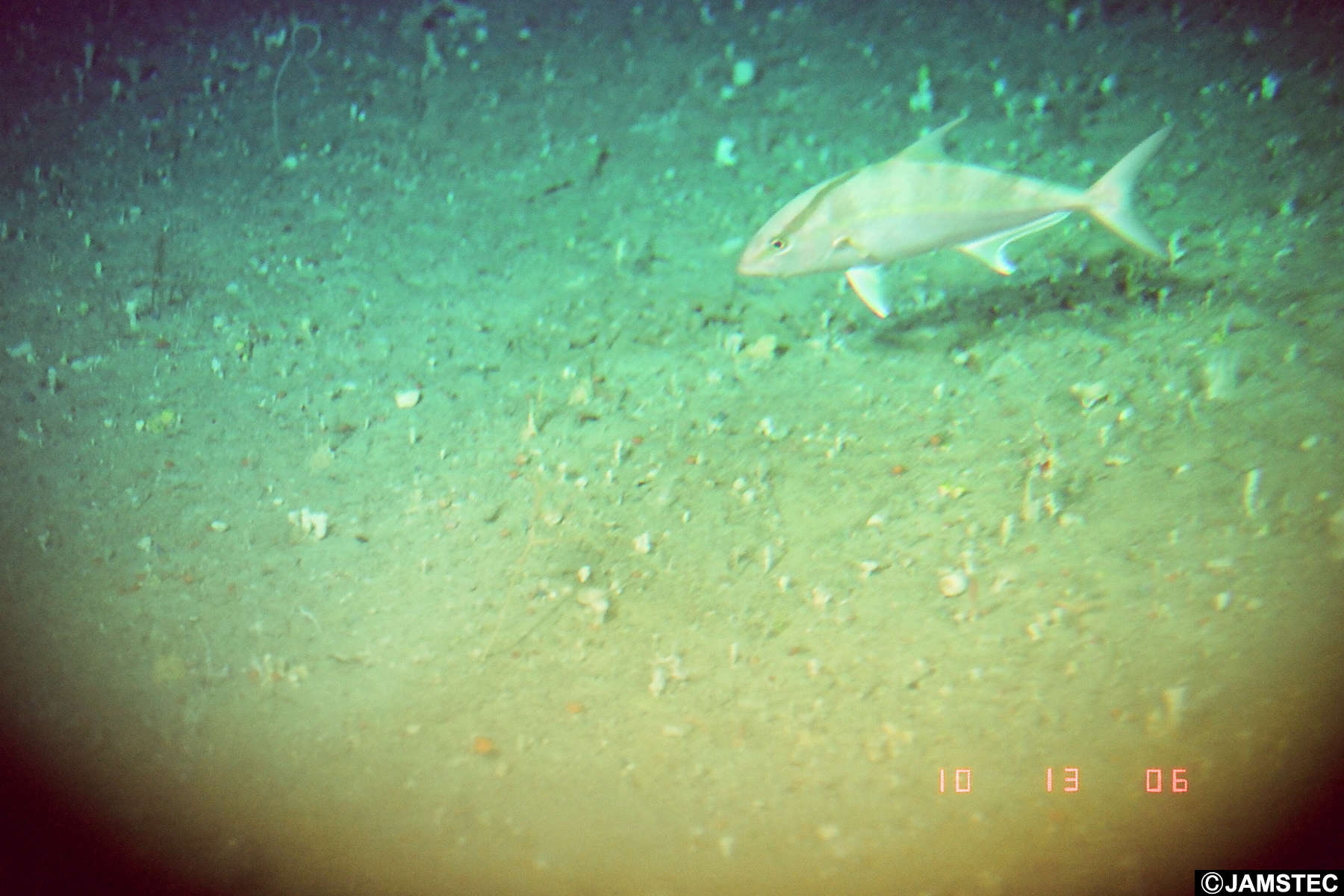
Seriola
Seriola is a genus of ray-finned fish, with many species commonly known as amberjacks. Nine extant species are currently recognized, although these were formerly split into many more. Also, several species are currently placed in several other genera of the Carangidae that were originally described under Seriola.
They are a large, carnivorous finfish popularly known for the firm texture and rich flavour of their flesh, which make them an ideal fish for aquaculture. Because specimens caught can weigh up to , and are powerful swimmers and hunters, they are also highly prized by sport fisherman.

Long-snouted seahorse
species of fish
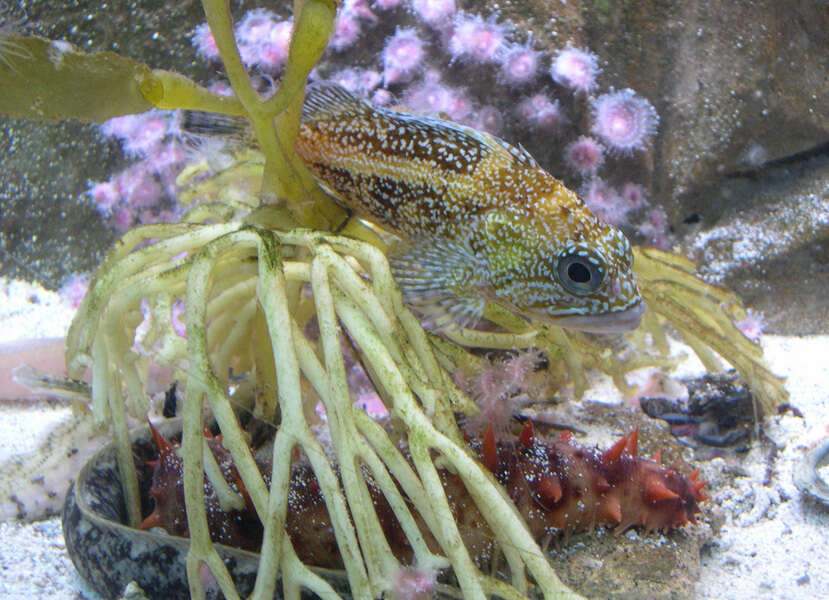
Sebastes
Sebastes is a genus of marine ray-finned fish belonging to the subfamily Sebastinae part of the family Scorpaenidae, most of which have the common name of rockfish. A few are called ocean perch, sea perch or redfish instead. They are found in the Atlantic and Pacific Oceans.
Esocidae
Esocidae is a family of ray-finned fish in the order Salmoniformes, which contains pike, pickerel, and mudminnows. While the family traditionally only contained the genus Esox, recent genetic and paleontological research have recovered Novumbra and Dallia as members of the family Esocidae, being closer related to Esox than Umbra. Fossil specimens from the Mesozoic in North America have been assigned as two additional genera in this family, although they may actually be more basal.

Indian Ocean humpback dolphin
species of mammal

Gobio
Gobio is a genus of typical gudgeons, ray-finned fish in the family Cyprinidae many of which are endemics of south-eastern Europe. Members of the genus are usually small fish, rarely longer than 10 cm.
Labeo
Labeo is a genus of fish in the family Cyprinidae, the family of carps and barbs. They are found in freshwater habitats in the tropics and subtropics of Africa and Asia. It contains the typical labeos in the subfamily Labeoninae (alternatively, the tribe Labeonini or subtribe Labeoina, if subsumed into Cyprininae).
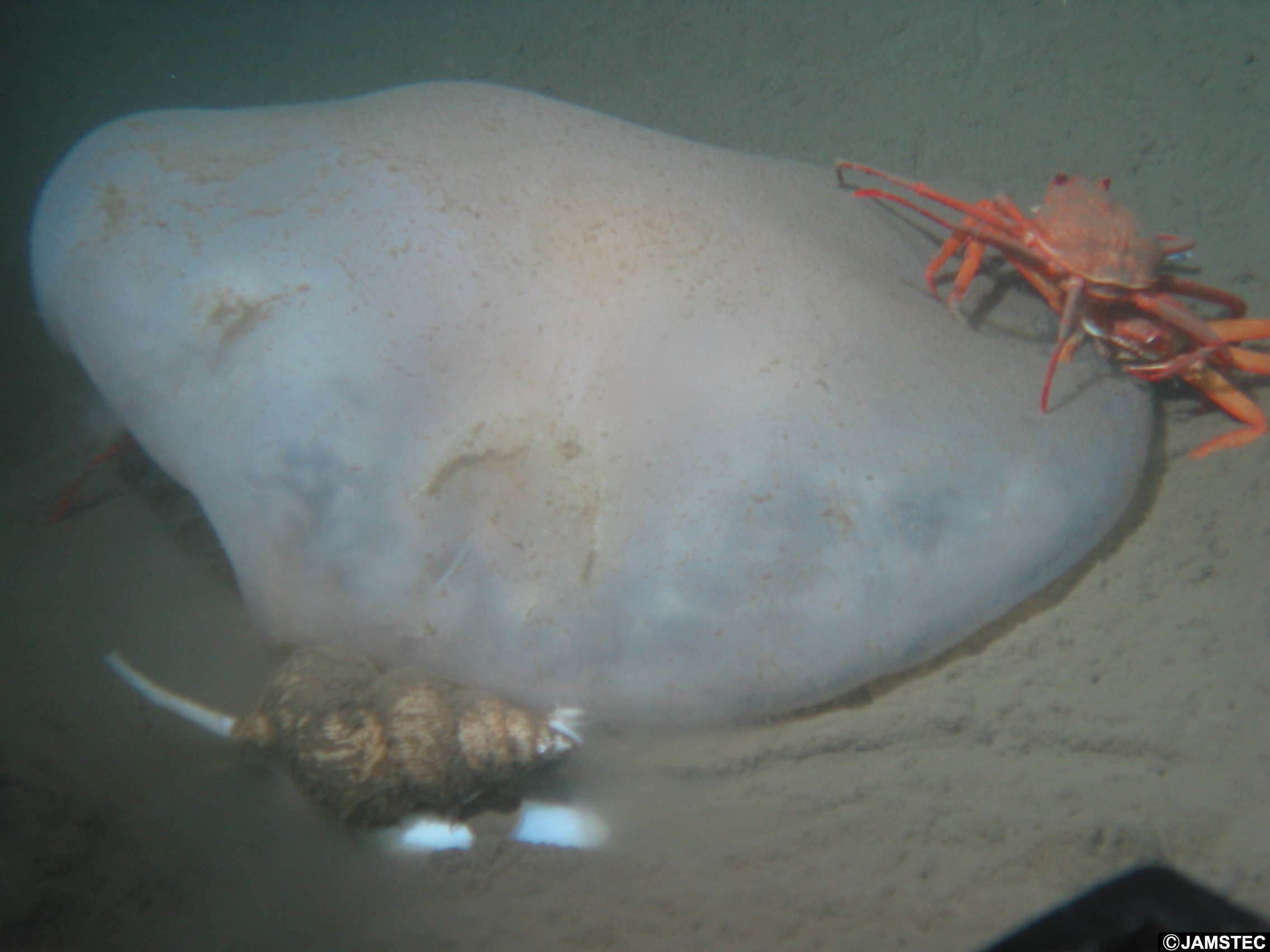
Rhizostomeae
Rhizostomeae is an order of jellyfish. Species of this order have neither tentacles nor other structures at the bell's edges. Instead, they have eight highly branched oral arms, along which there are suctorial minimouth orifices. (This is in contrast to other scyphozoans, which have four of these arms.) These oral arms become fused as they approach the central part of the jellyfish. The mouth of the animal is also subdivided into minute pores that are linked to coelenteron.

Synodontis
Synodontis is the largest genus of mochokid catfishes. It is the biggest genus within the 10 genera and 190 different species in the family Mochokidae. Synodontis has over 131 different species within the genus. Synodontis are also known as squeakers, due to their ability to make stridulatory sounds through their pectoral fin spines when handled or disturbed. Synodontis make a sound that sounds like squeaking by rubbing their spines together. They do this when they have been frightened or when they become angry. Synodontis may also squeak when they are taken out of the water. These catfish are
Drepane
genus of fishes
Piaractus brachypomus
species of fish

Giant snakehead
species of fish
%20(17849716130).jpg)
Vidua
Vidua is a genus of passerine birds in the family Viduidae.
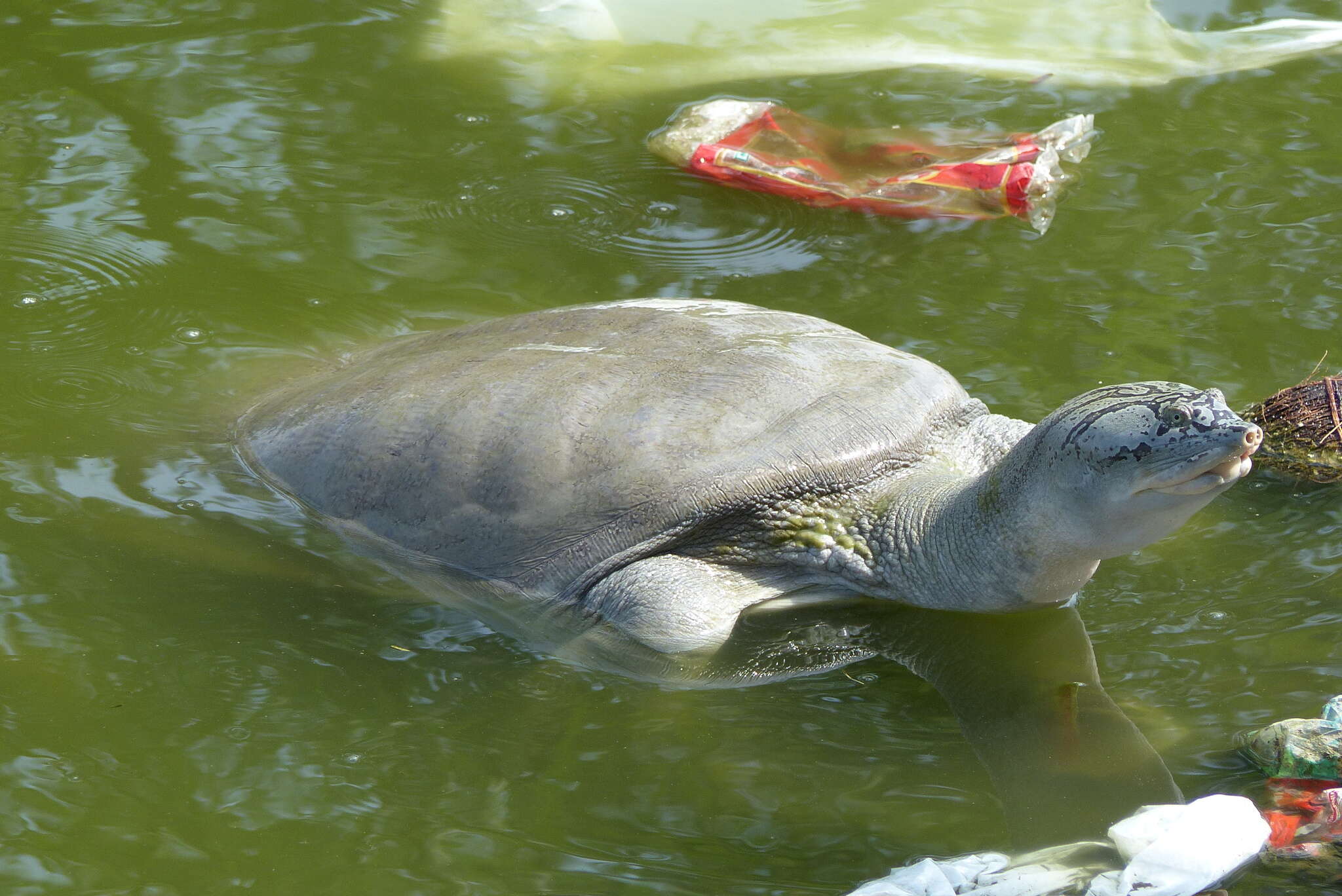
Indian softshell turtle
species of reptile

Sarda
genus of fishes
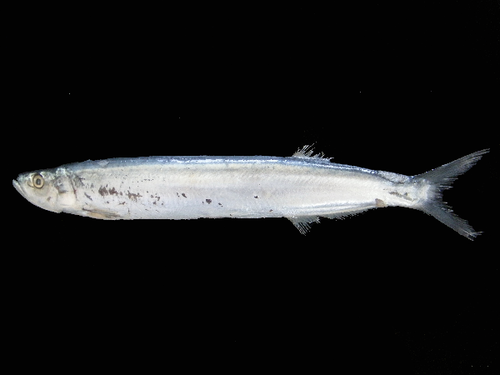
Chirocentrus
genus of fishes
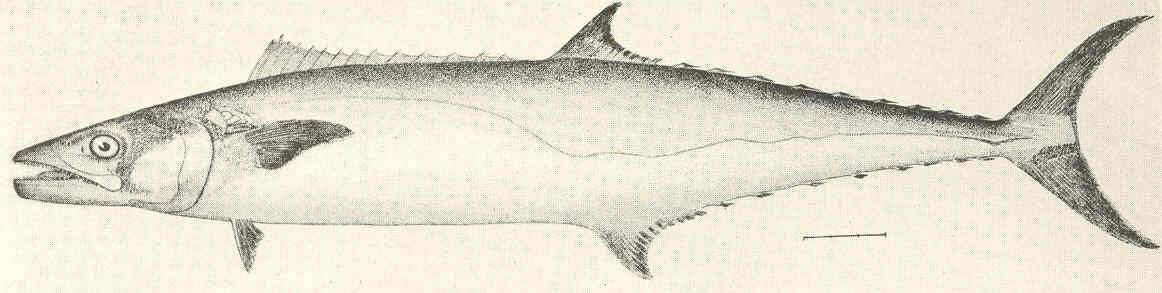
king mackerel
species of fish

Scomber australasicus
species of fish
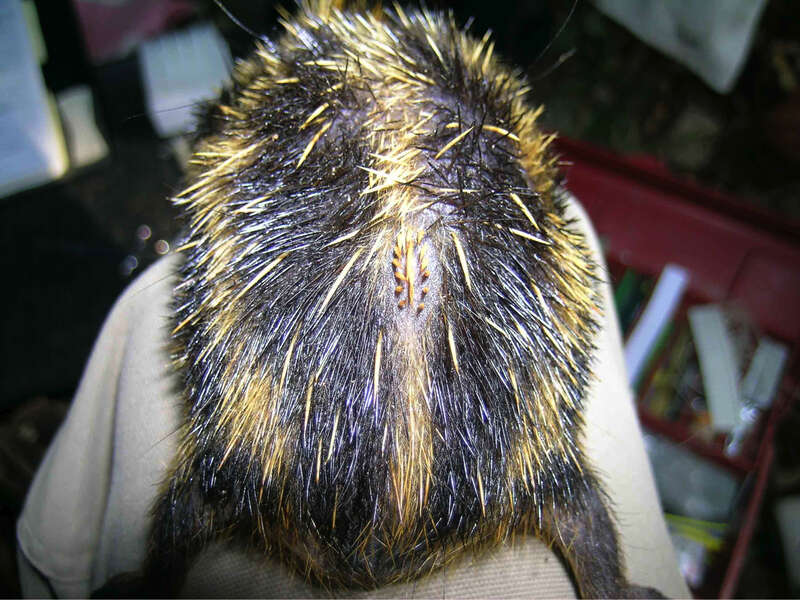
Lowland streaked tenrec
species of mammal
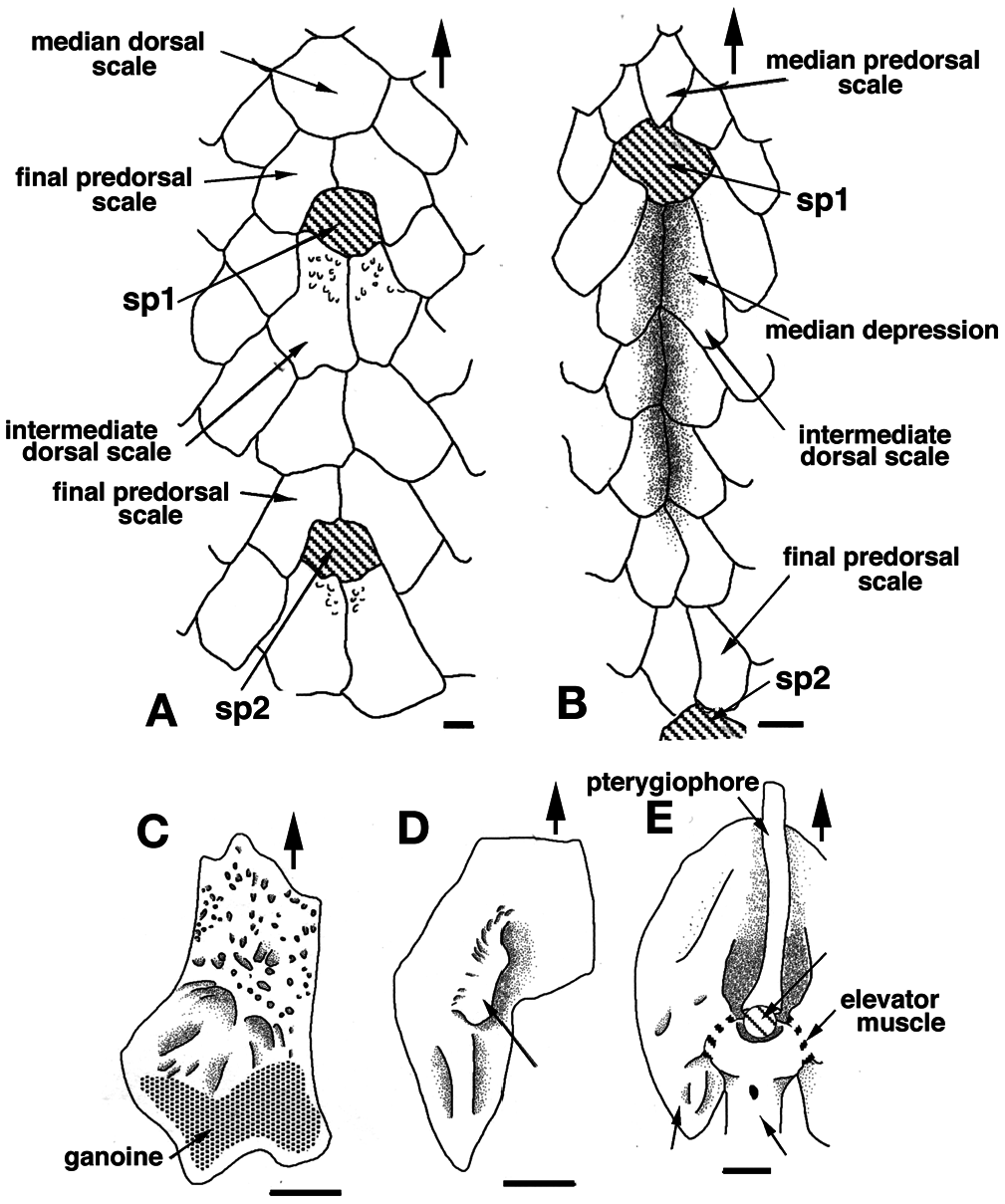
Polypterus senegalus
species of fish
.jpg)
Dacnis
Dacnis is a genus of Neotropical birds in the tanager family Thraupidae.

Lesser weever
species of fish
%20male%20breeding%20(cropped).jpg)
Calotes
Calotes is a genus of lizards in the draconine clade of the family Agamidae. The genus contains 29 species. Some species are known as forest lizards, others as "bloodsuckers" due to their red heads, and yet others (namely C. versicolor) as garden lizards. The genus name Calotes has been derived from the Greek word Καλότης (Kalótës), meaning ‘beauty’, referring to the beautiful pattern of this genus.

Chromis viridis
species of fish
%20male.jpg)
Cinnyris
thumb|Male Palestine sunbird (Cinnyris osea|Cinnyris osea osea)
thumb|Male Cinnyris sovimanga|Cinnyris sovimanga apolis
Cinnyris is a genus of sunbirds. Its members are sometimes included in Nectarinia. They are generally known as double-collared sunbirds because the fringe of their bib usually includes a band of contrastingly coloured feathers.
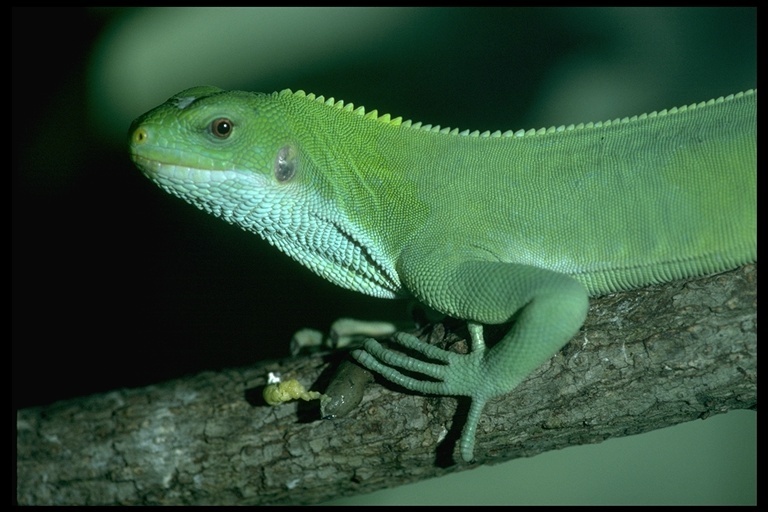
Brachylophus
The genus Brachylophus consists of four extant iguanid species native to the islands of Fiji and a giant extinct species from Tonga in the South West Pacific. One of the extant species, B. fasciatus, is also present on Tonga, where it has apparently been introduced by humans.

Salmo marmoratus
species of fish
Squatina aculeata
species of fish

sand smelt
species of fish

Eastern bearded dragon
species of reptile

Sunda Coucal
species of bird

Lamna
Lamna is a genus of mackerel sharks in the family Lamnidae, containing two extant species: the porbeagle (L. nasus) of the North Atlantic and Southern Hemisphere, and the salmon shark (L. ditropis) of the North Pacific.
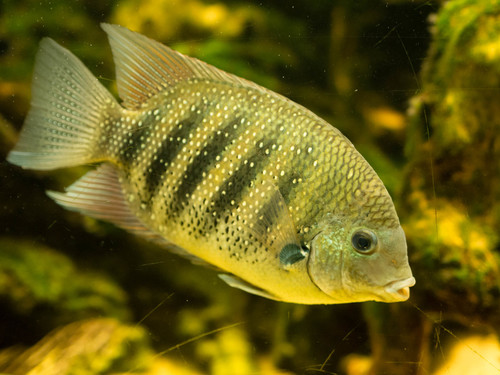
Etroplus
Etroplus is a small genus of cichlids native to southern India and Sri Lanka. Together with Pseudetroplus (which formerly was included in Etroplus), they are the only cichlids of this region.
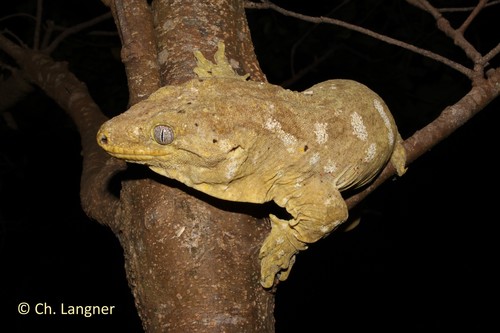
Rhacodactylus leachianus
species of reptile

Alfonsino
The alfonsino (Beryx decadactylus), also known as the alfonsin, longfinned beryx, red bream, or imperador, is a species of deepwater berycid fish of the order Beryciformes. It can be found in temperate and subtropical ocean waters nearly worldwide, though it is uncommon. It is typically associated with deep-sea corals, and schools are known to form over seamounts. Adults are demersal and search for prey along the ocean floor, primarily fish, cephalopods, and crustaceans. Like other members of its family, it is remarkably long-lived, with individuals reaching ages of up to 69 years, and possibl
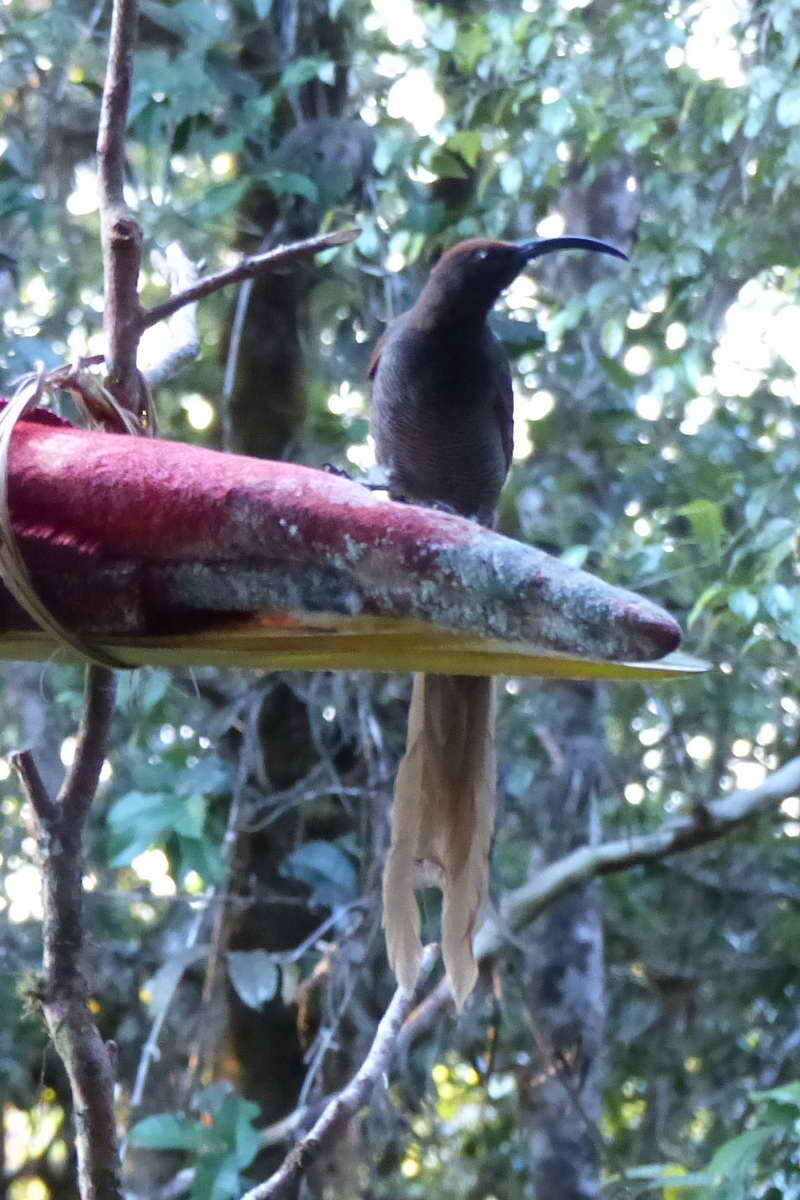
Epimachus
Epimachus is a genus of birds-of-paradise (Paradisaeidae) that includes two species, found in the highland forests of New Guinea. They are the largest members of the family. The common name "sicklebill" refers to their long, decurved, sickle-shaped bill.

Chromis
Chromis is a genus of fish in the family Pomacentridae. While the term damselfish describes a group of marine fish including more than one genus, Chromis is the largest genus of damselfishes. Certain species within the genus are common in the aquarium trade.

Hydrocynus
Hydrocynus is a genus of Characin fish in the family Alestidae commonly called "tigerfish," native to Africa. The genus name is derived from Ancient Greek ὕδωρ ("water") + κύων ("dog"). The genus contains five species, all commonly known as "African tigerfish" for their fierce predatory behaviour and other characteristics that make them excellent game fish. Hydrocynus are normally piscivorous, but H. vittatus is proven to prey on birds in flight.

threetooth puffer
species of fish

Scarlet-crowned Barbet
species of bird

Psilopogon flavifrons
species of bird

Zebrasoma scopas
species of fish
%20with%20a%20Muntingia%20calabura%20(Singapur%20cherry)%20fruit%20W2%20IMG%208494.jpg)
Dicaeum
thumb|200px|Pale-billed flowerpecker Dicaeum erythrorhynchos with a [[Muntingia calabura berry (Hyderabad, India)]]
200px|thumb|Thick-billed flowerpecker Dicaeum agile on [[Helicteres isora ]]
Dicaeum is a genus of birds in the flowerpecker family Dicaeidae, a group of passerines tropical southern Asia and Australasia from India east to the Philippines and south to Australia. Within the family Dicaeidae the genus Dicaeum is sister to a clade containing the genera Prionochilus and Pachyglossa.

African arowana
species of fish

Bluefin trevally
species of fish

Ursus arctos collaris
subspecies of brown bear

Emperor red snapper
species of fish