Category
page 1Taxa named by Odoardo Beccari

Amorphophallus titanum
species of plant
Corsiaceae
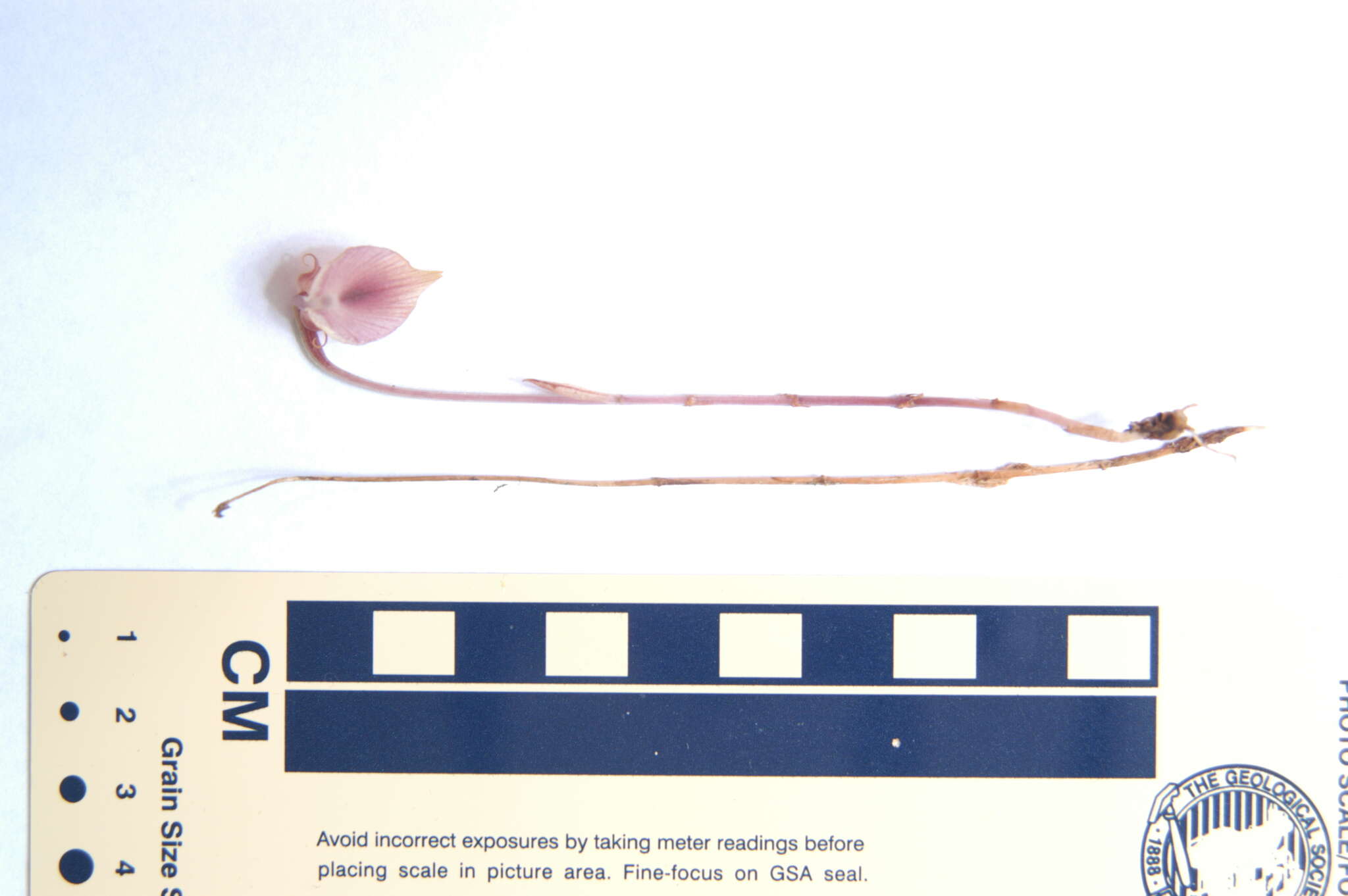
Corsiaceae is a family of monocotyledonous flowering plants. The APG II system (2003) treats the family in the order Liliales, in the clade monocots. This is a slight change from the APG system, of 1998, which left the family unplaced as to order, but did assign it also to the monocots.

Butia
Butia is a genus of palms in the family Arecaceae, native to the South American countries of Brazil, Paraguay, Uruguay and Argentina. Many species produce edible fruits, which are sometimes used to make alcoholic beverages and other foods. The name is derived from a Brazilian vernacular word for members of the genus.
Howea
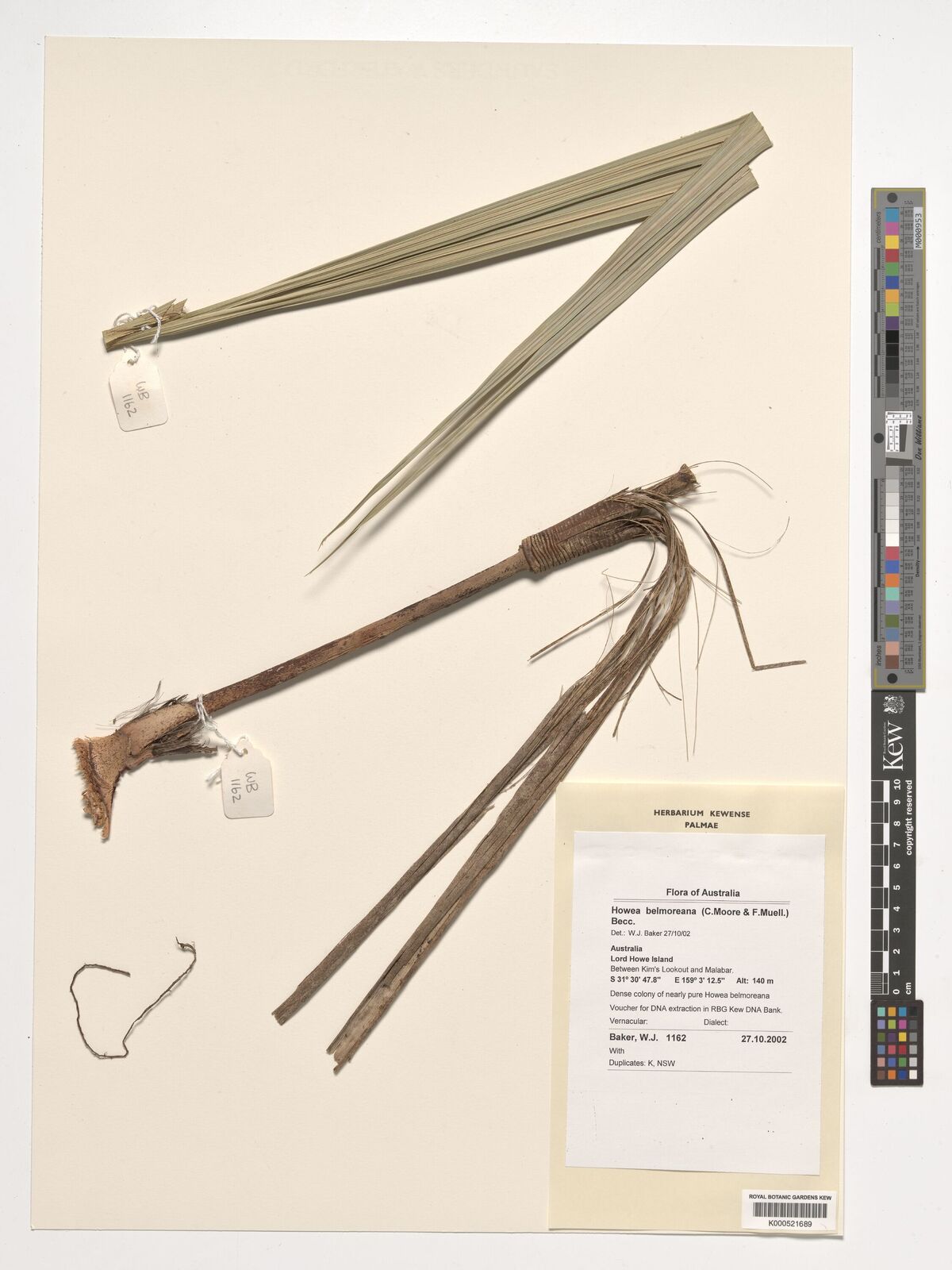
Howea is a genus of two palms, H. belmoreana and H. forsteriana, both endemic to Lord Howe Island, Australia. H. forsteriana in particular is commonly grown as an indoor plant in the Northern Hemisphere, and the two species form the mainstay of the island's palm seed industry and more importantly its trade in newly germinated seedlings. The palms are also cultivated on Norfolk Island, where seeds are produced for export.

Butia capitata
species of palm tree
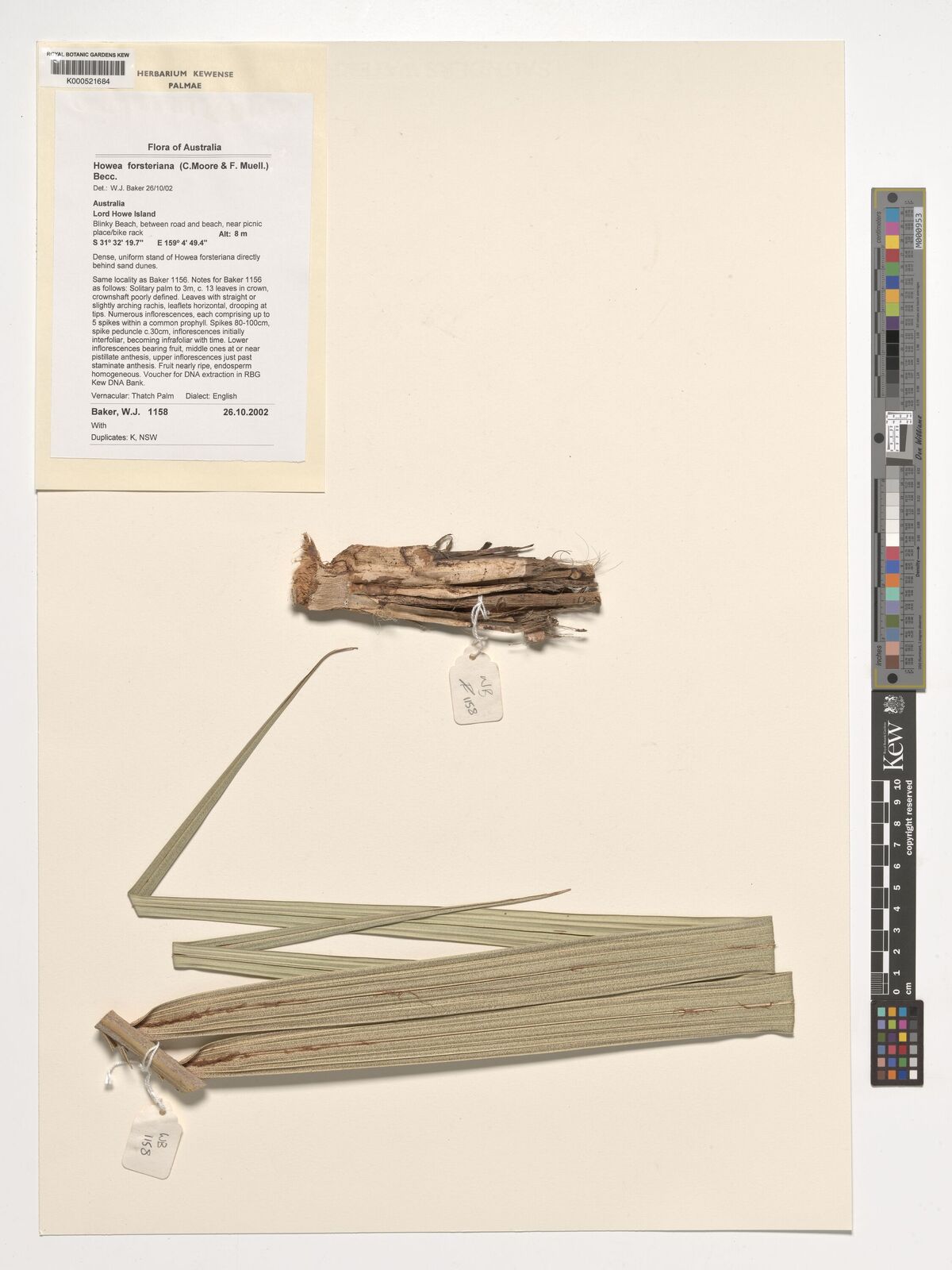
Howea forsteriana
species of plant
Borassodendron
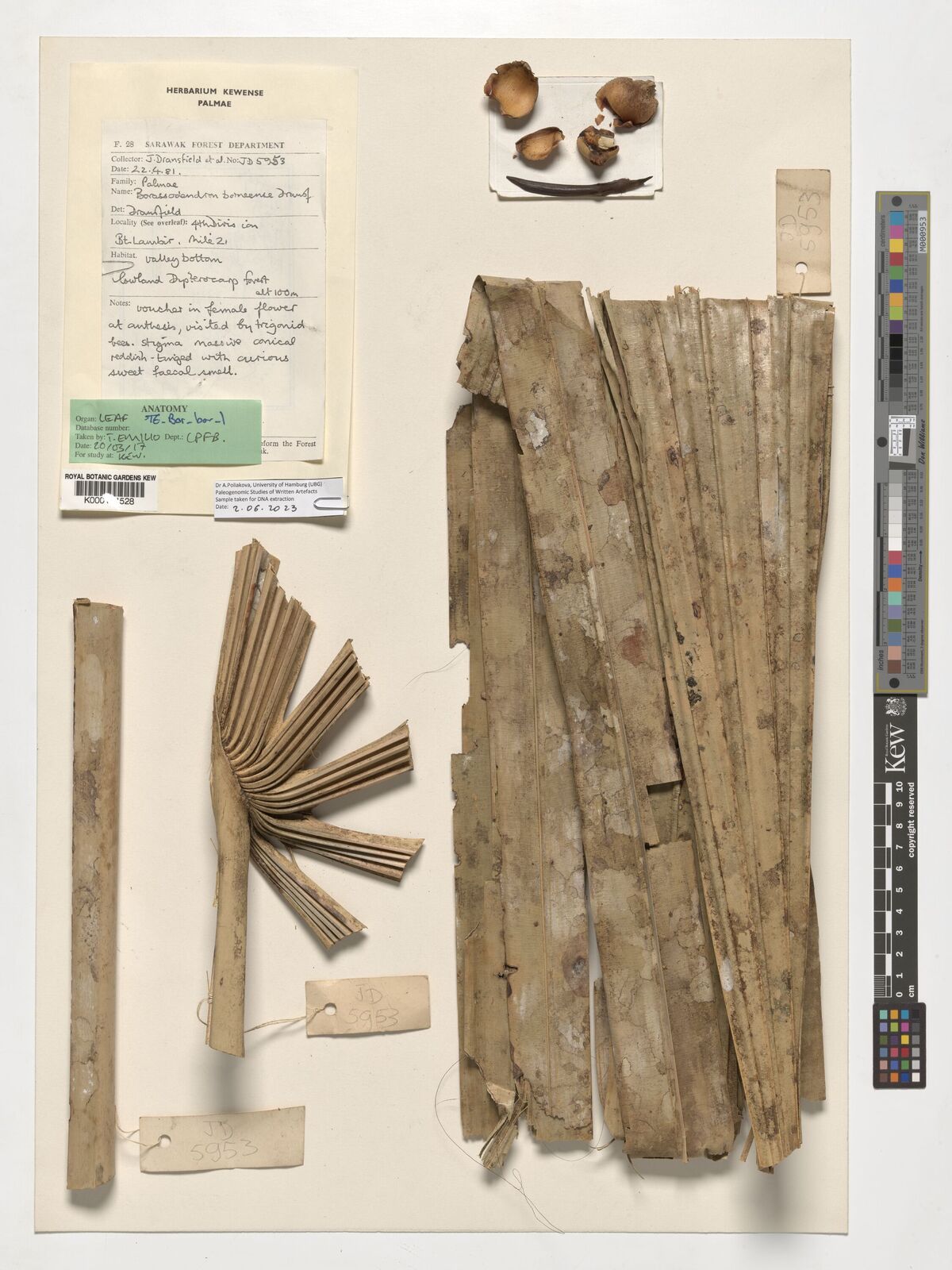
Borassodendron is a genus of flowering plant in the family Arecaceae. It contains two species, native to Southeast Asia.

Koompassia excelsa
species of plant

Durio graveolens
species of plant
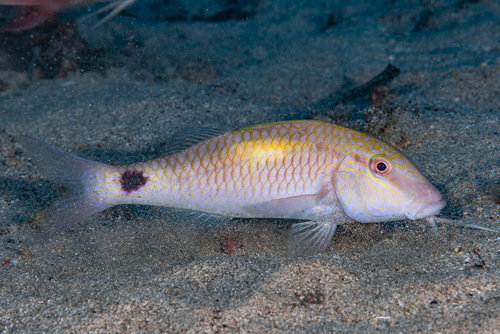
Balaka
genus of plants
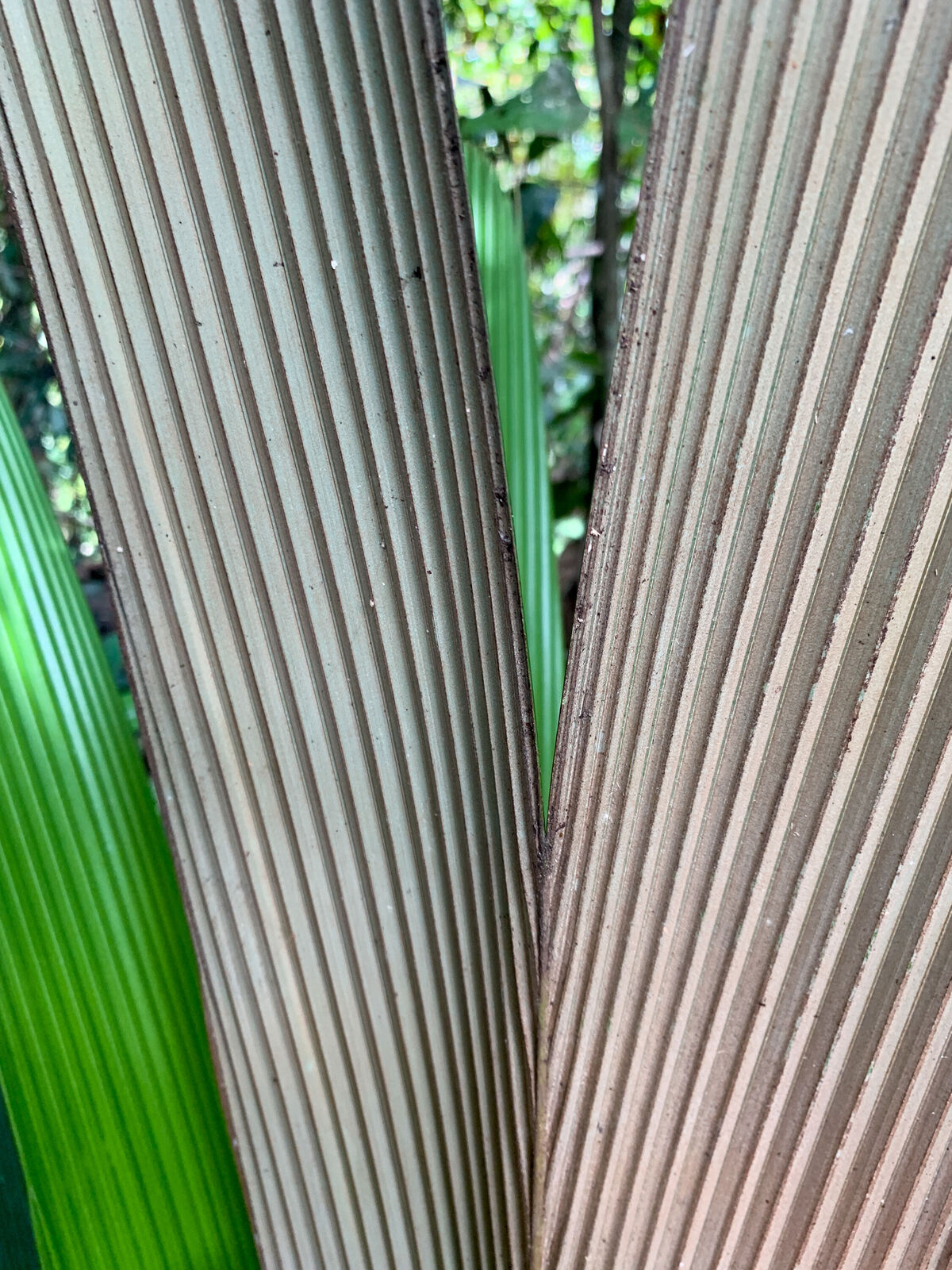
Sommieria leucophylla
Sommieria is a monotypic genus of flowering plant in the palm family endemic to New Guinea (Papua New Guinea and West Papua in Indonesia) where they grow in rain forest understory. The sole species is Sommieria leucophylla. They resemble the Asterogyne palms but are most closely related to those members of Heterospathe with short stems and sparsely branched inlforescences. The name honors Stephen Sommier, European botanist.
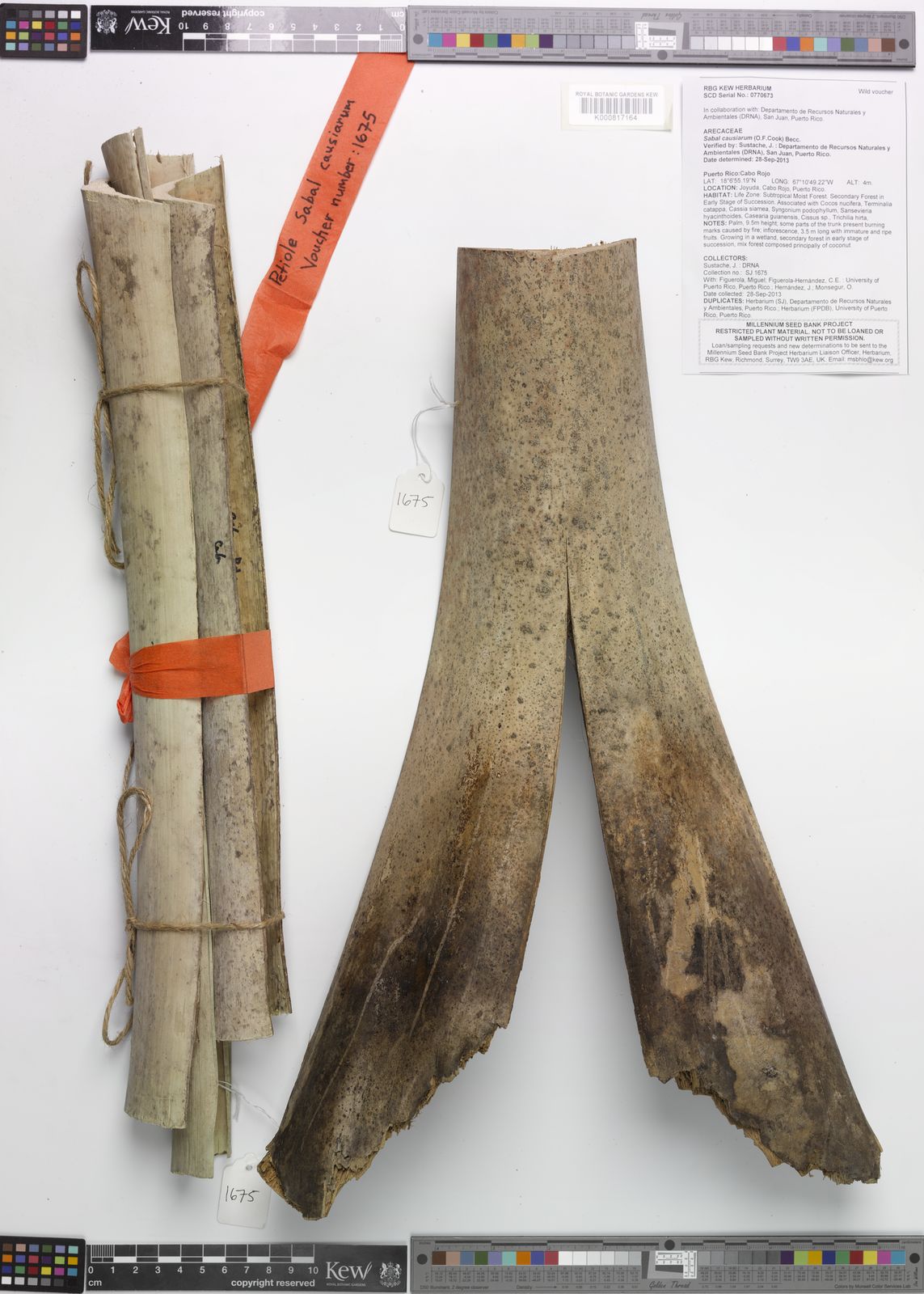
Sabal causiarum
species of plant
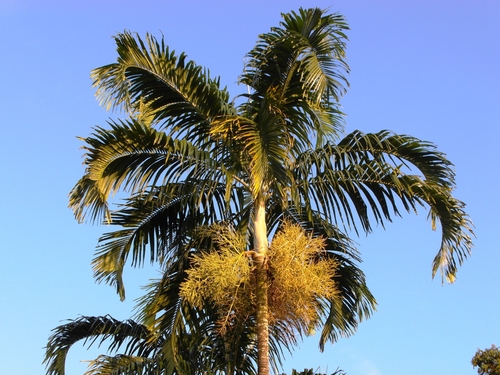
Carpentaria acuminata
Carpentaria acuminata (carpentaria palm), the sole species in the genus Carpentaria, is a palm native to tropical coastal regions in the north of Northern Territory, Australia.
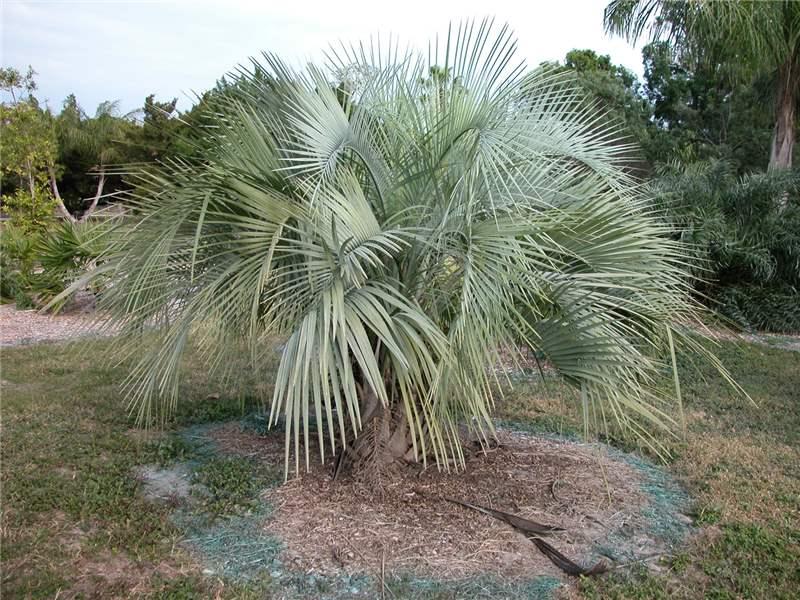
Butia yatay
species of plant
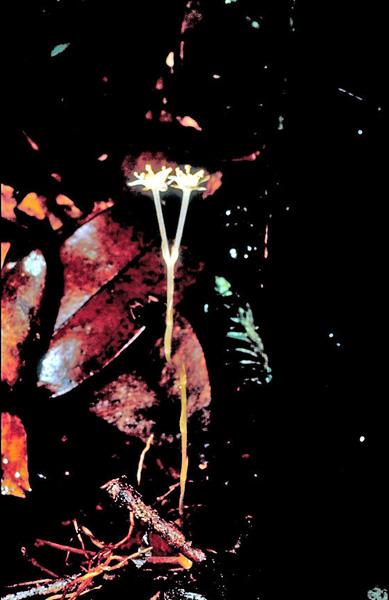
Petrosavia
Petrosavia is a genus in the family Petrosaviaceae. It includes three mycoheterotrophic species from eastern and southeastern Asia.
Petrosavia amamiensis Hir.Takah., T.Yukawa & M.Maki
Petrosavia sakuraii (Makino) J.J.Sm. ex Steenis (syn P. miyoshia-sakuraii) - Japan (Mino Province), China (Guangxi, Sichuan, Taiwan), Vietnam, Myanmar, Sumatra
Petrosavia sinii (K.Krause) Gagnep. in H.Lecomte - Guangxi Province of China
Petrosavia stellaris Becc. - Borneo, Sulawesi, Sumatra, Peninsular Malaysia
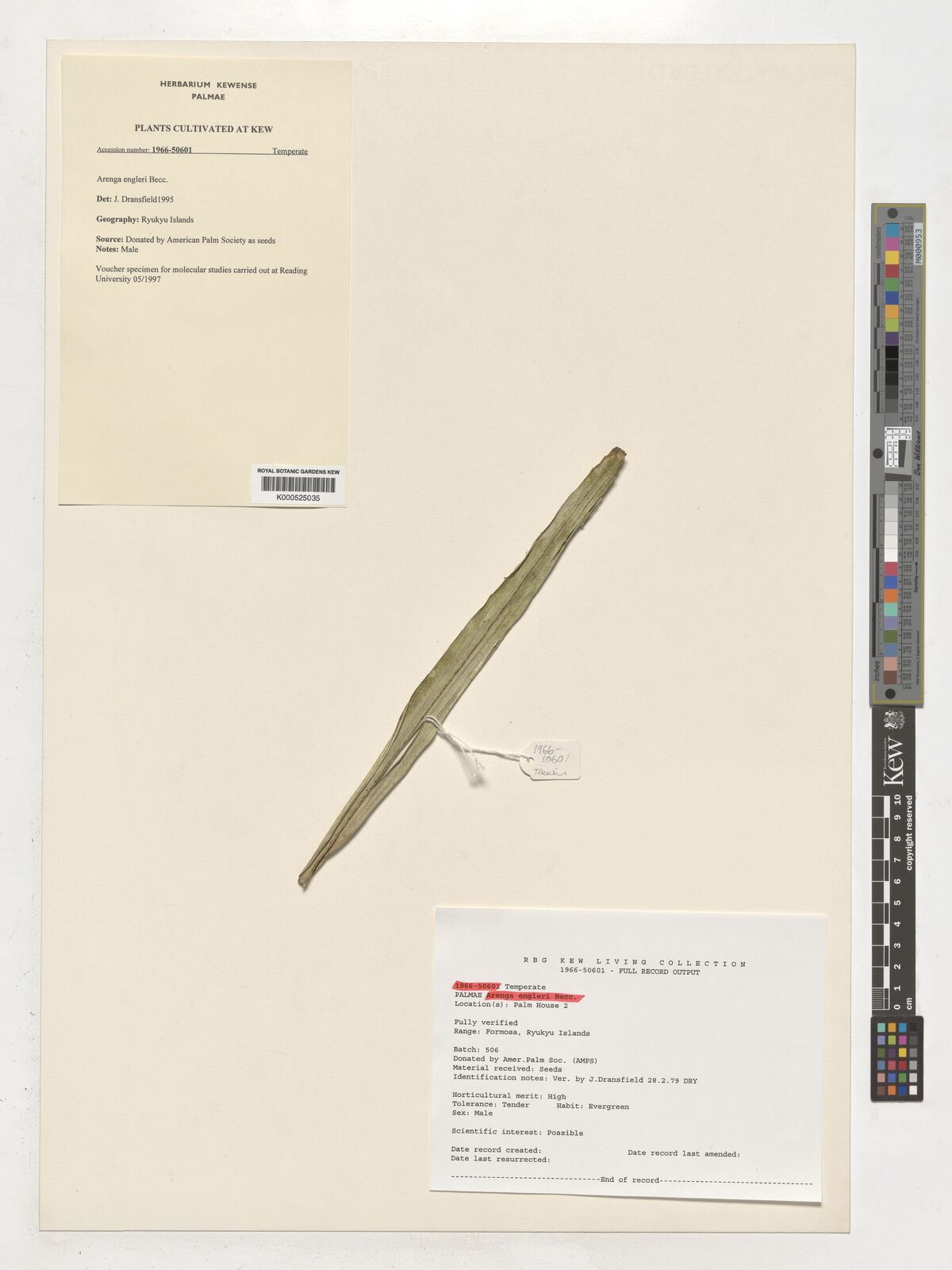
Arenga engleri
species of plant

Durio kutejensis
species of plant

Durio dulcis
species of plant
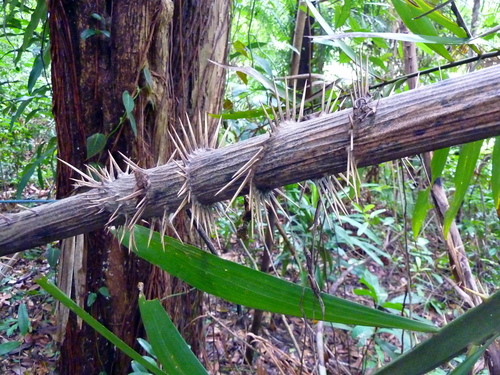
Myrialepis paradoxa
Myrialepis is a monotypic genus of flowering plant in the palm family. The single species, Myrialepis paradoxa, is native to Southeast Asia. The genus name is a combination of the Greek words meaning "innumerable" and "scale", a description of the fruit, and the epithet is Latin for "paradox".
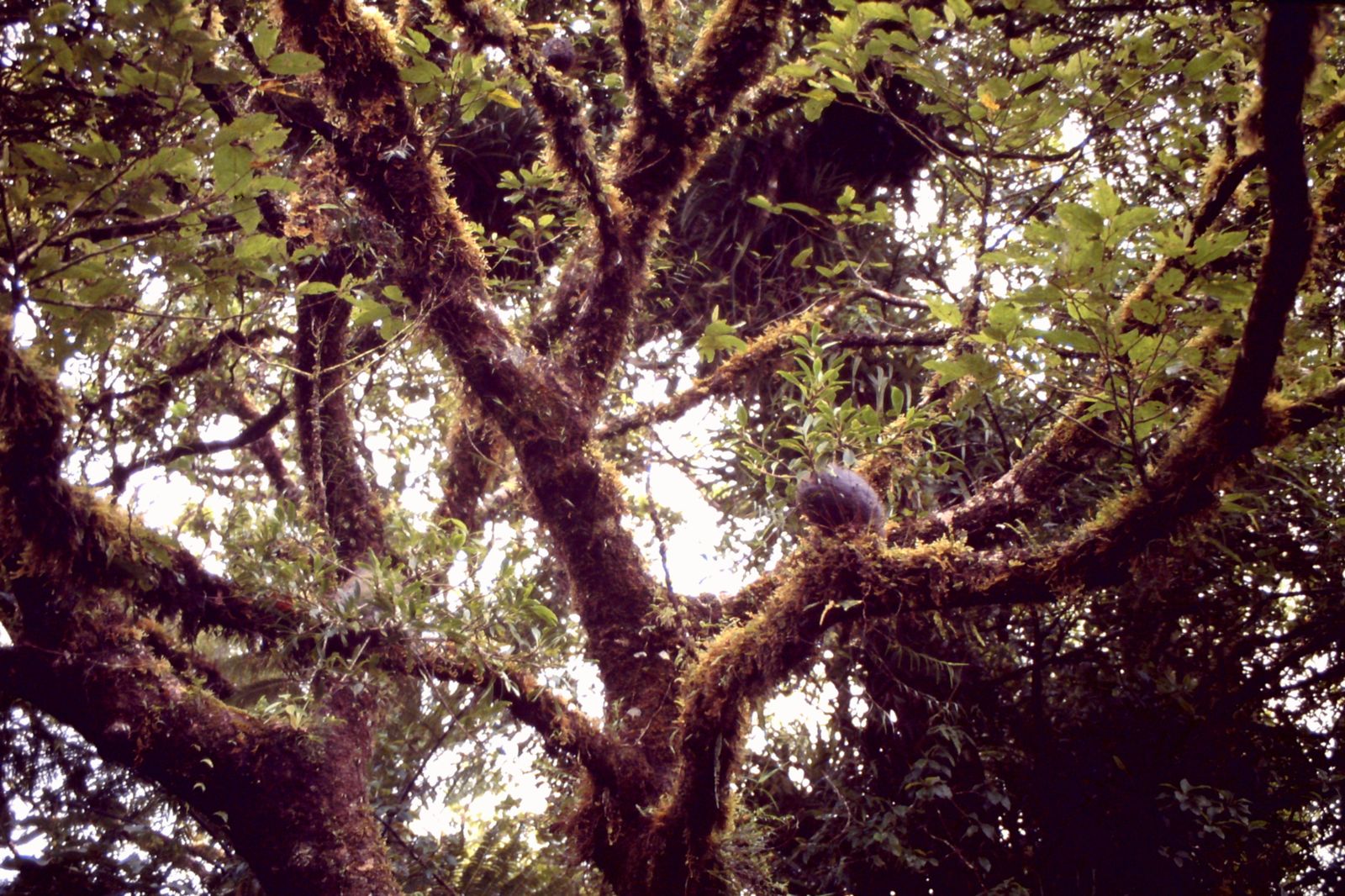
Squamellaria
Squamellaria is a genus of myrmecophytic flowering plants in the family Rubiaceae. It includes eight species native to the Solomon Islands, Vanuatu, and Fiji.

Caryota no
species of plant
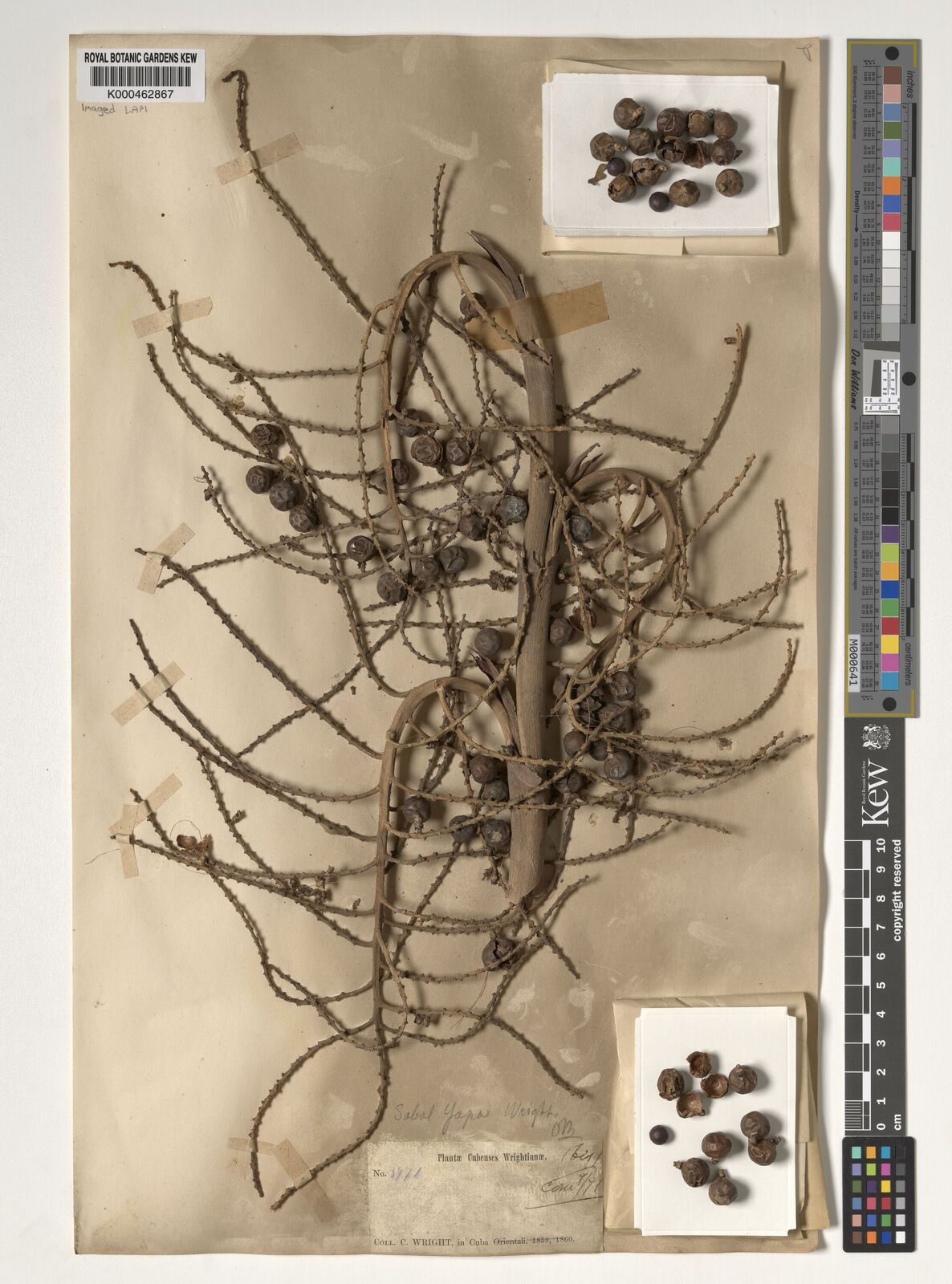
Sabal yapa
species of plant

Adonidia merrillii
species of plant

Rafflesia tuan-mudae
species of plant
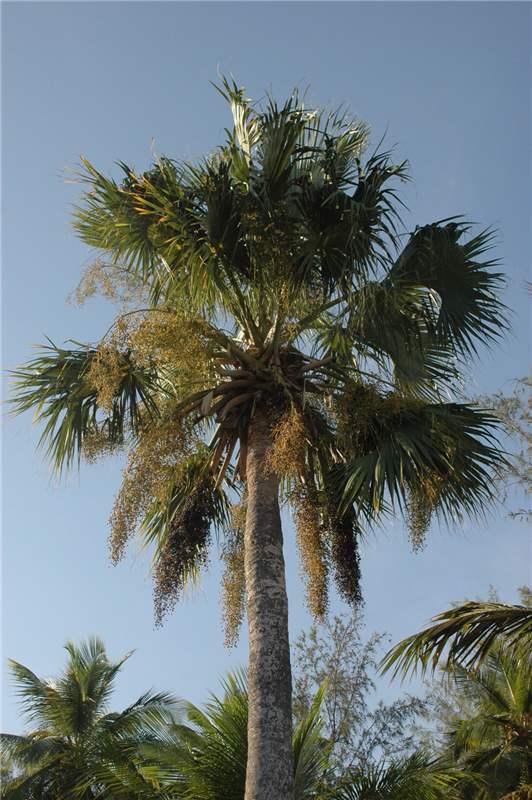
Sabal domingensis
species of plant
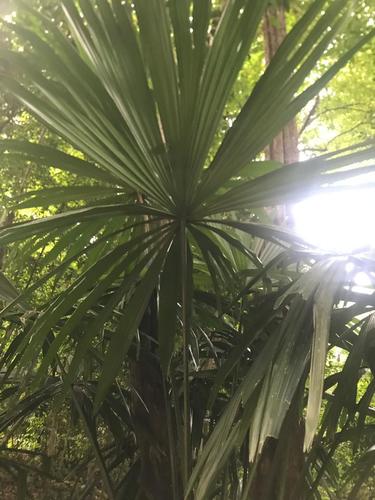
Borassodendron machadonis
species of plant

Nepenthes singalana
species of plant
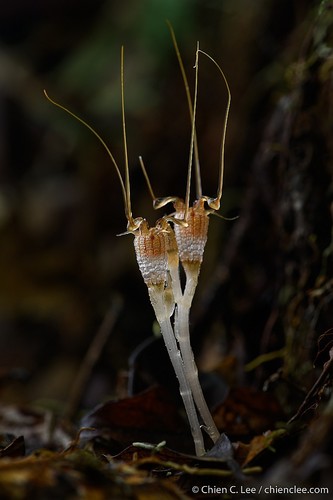
Thismia neptunis
species of plant
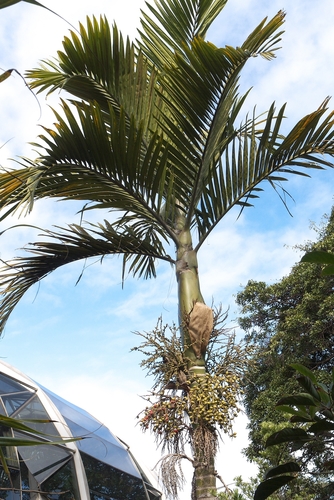
Chambeyronia macrocarpa
species of plant
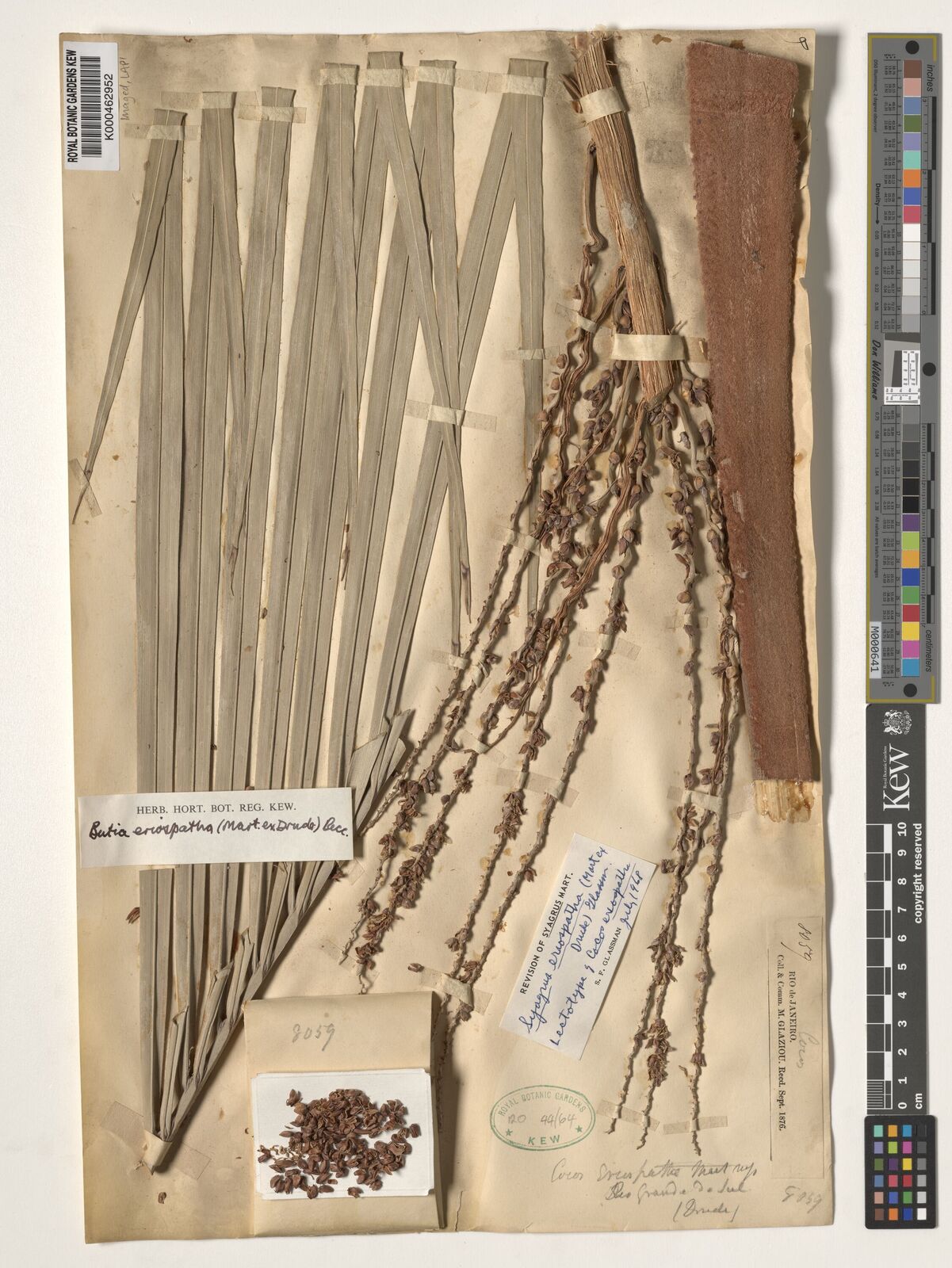
Butia eriospatha
species of plant

Copernicia macroglossa
species of plant
Howea belmoreana
species of plant
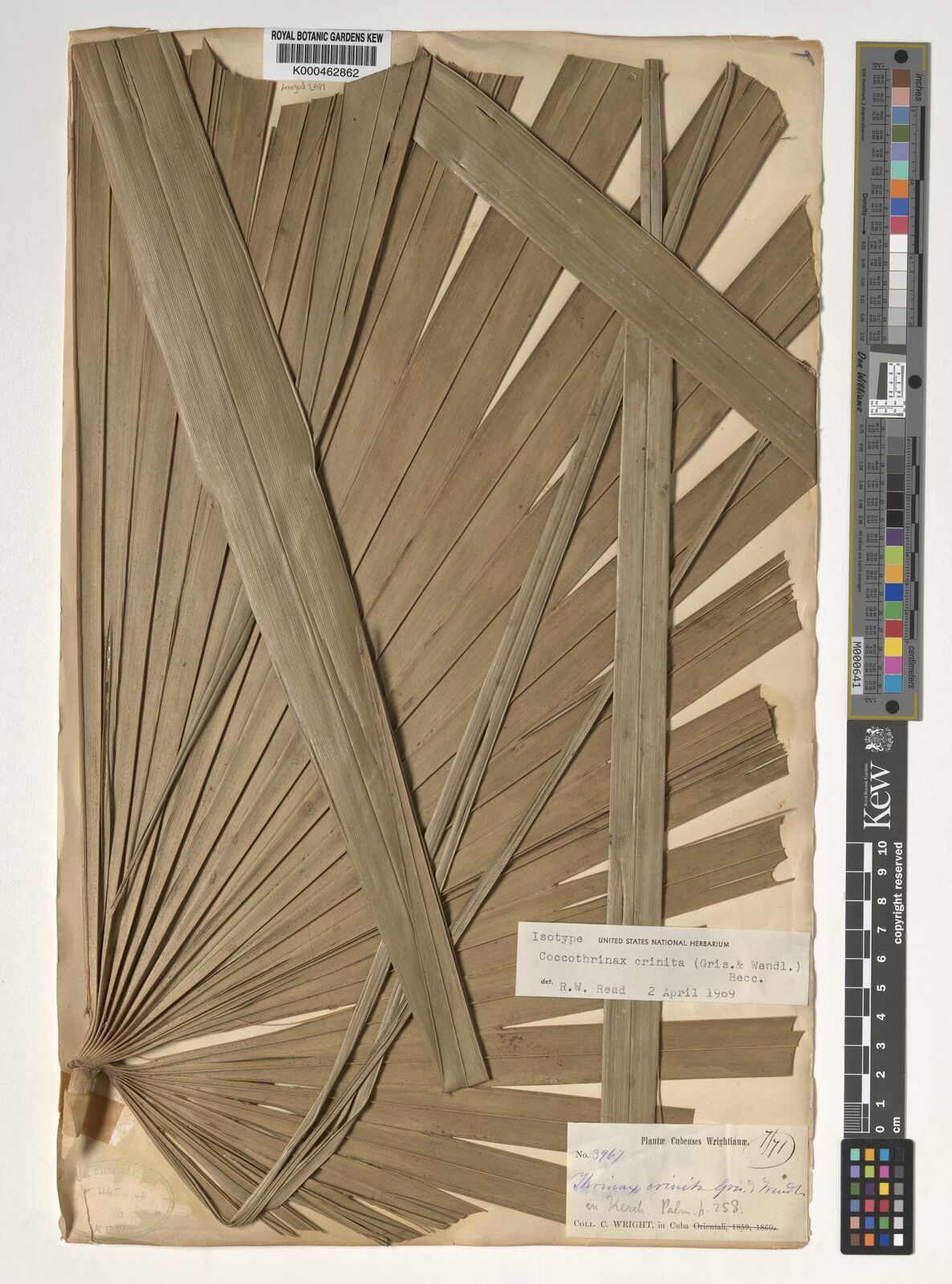
Coccothrinax crinita
species of plant
Clinosperma bractealis
Clinosperma is a palm tree genus in the family Arecaceae.

Corsia
Corsia is a little-studied plant genus from the monocotyledon family Corsiaceae. It was first described in 1877 by Italian naturalist Odoardo Beccari and contains 25 species, all of which lack chlorophyll and parasitize fungi for nutrition. All 25 species are distributed through New Guinea, the Bismarck Archipelago, the Solomon Islands and Queensland, Australia.
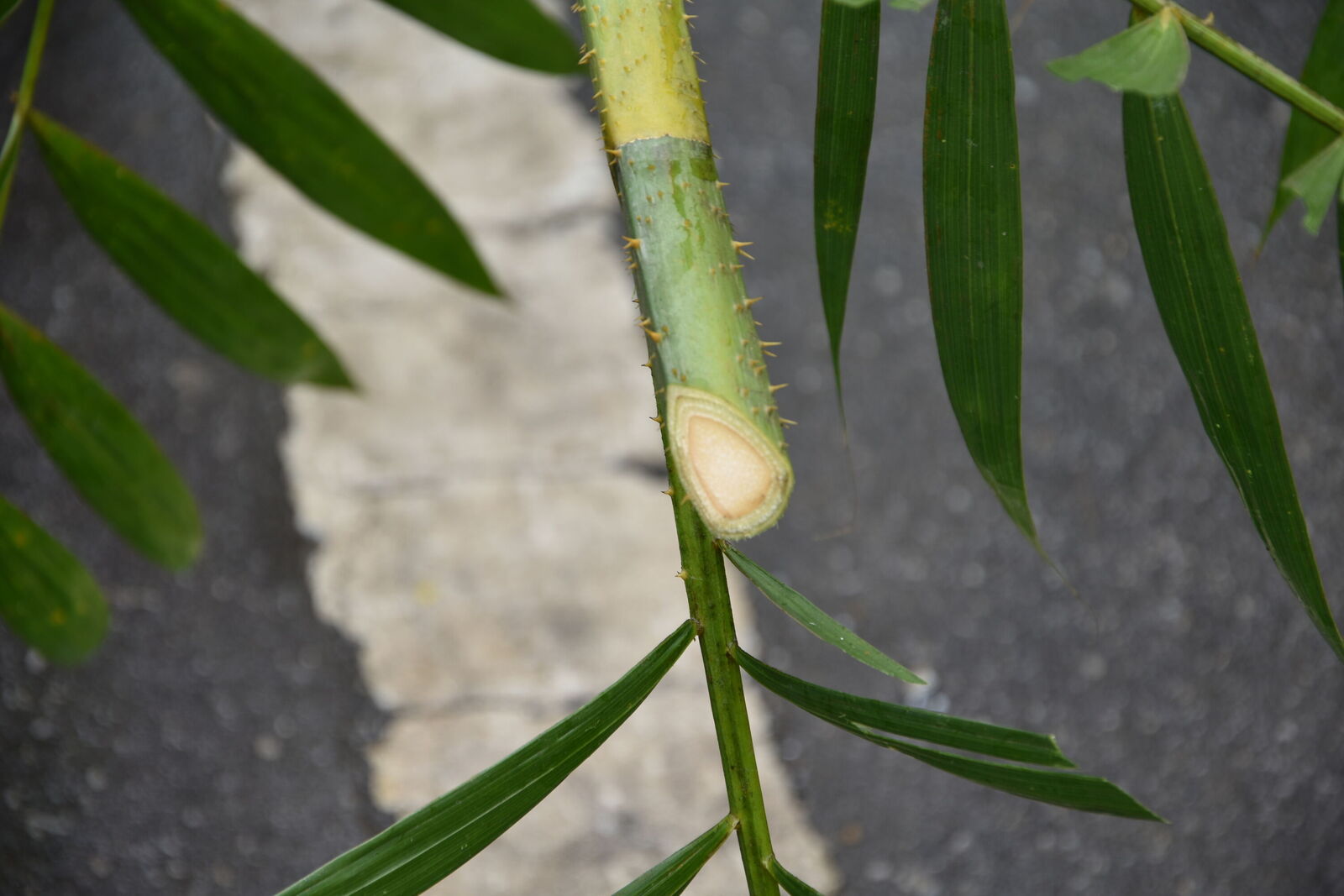
Plectocomiopsis
Plectocomiopsis is a dioecious genus of flowering plant in the palm family found in Indochina, Malaysia, Borneo and Sumatra. Hapaxanthic and armed with spines, they are a climbing rattan, closely related to the Myrialepis palms. The name is Greek for "similar to Plectocomia", another close relative.
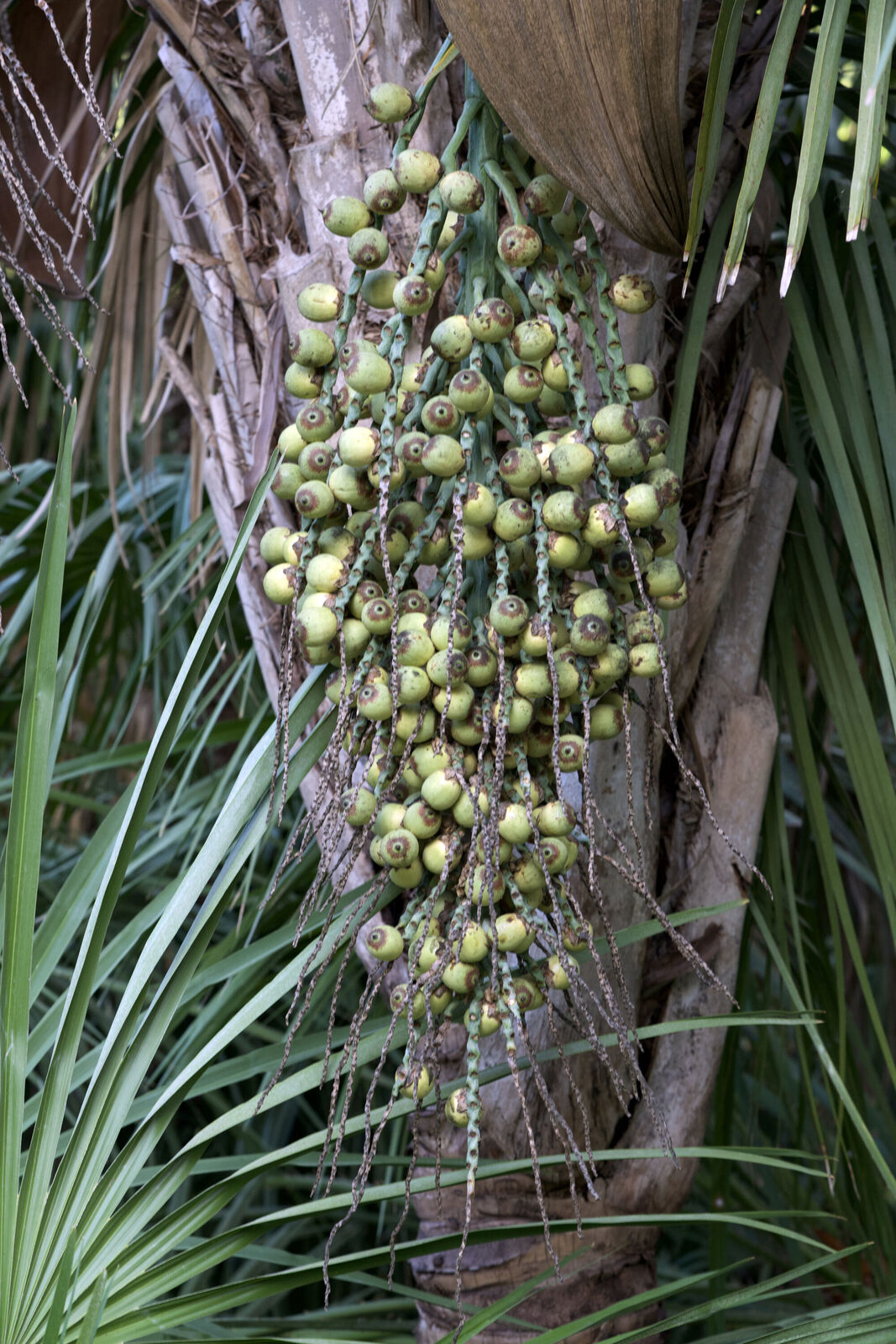
Syagrus coronata
species of plant
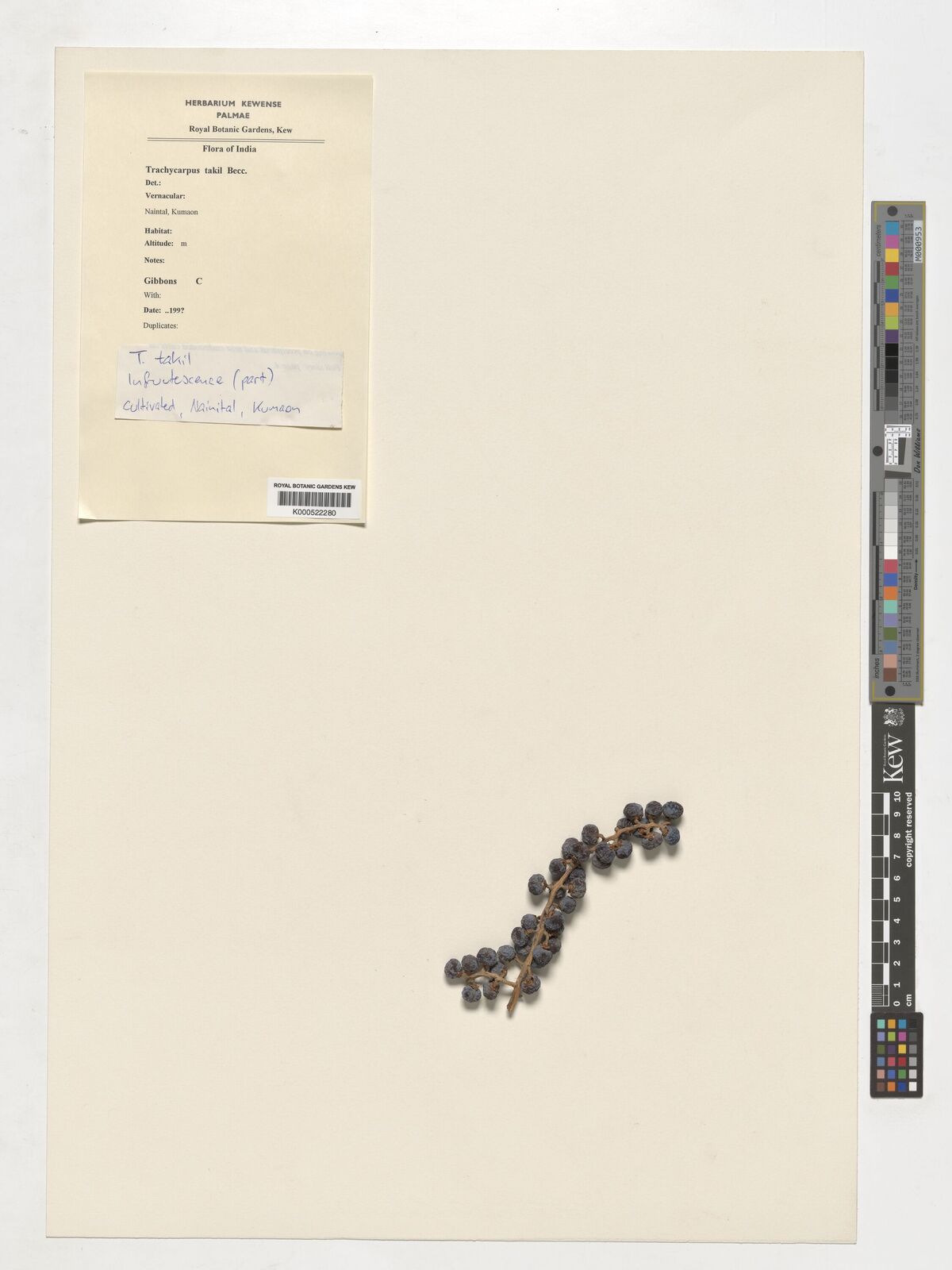
Trachycarpus takil
species of plant
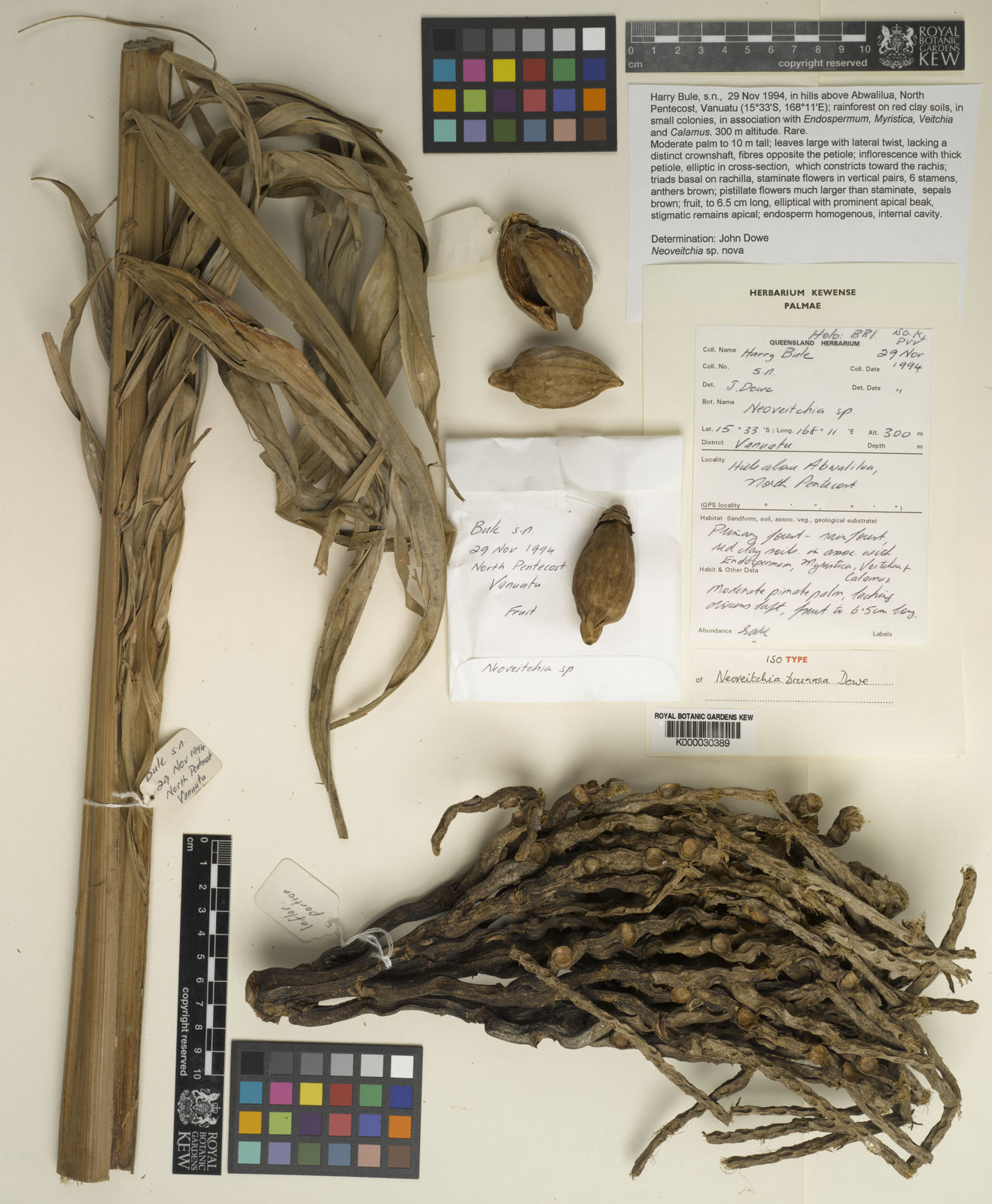
Neoveitchia
Neoveitchia is a genus of palm trees. It contains two known species, native to certain islands in the western Pacific:
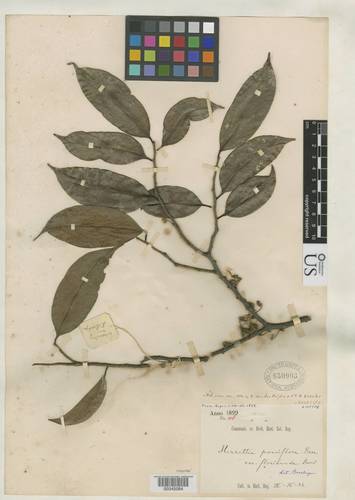
Mezzettia
Mezzettia is a genus of plant in family Annonaceae. It contains the following species, according to The Plant List (which list may be incomplete):
Mezzettia havilandii (Boerl.) Ridl.
Mezzettia macrocarpa Heyden & Kessler
Mezzettia parviflora Becc.
Mezzettia umbellata Becc.

Licuala orbicularis
species of plant
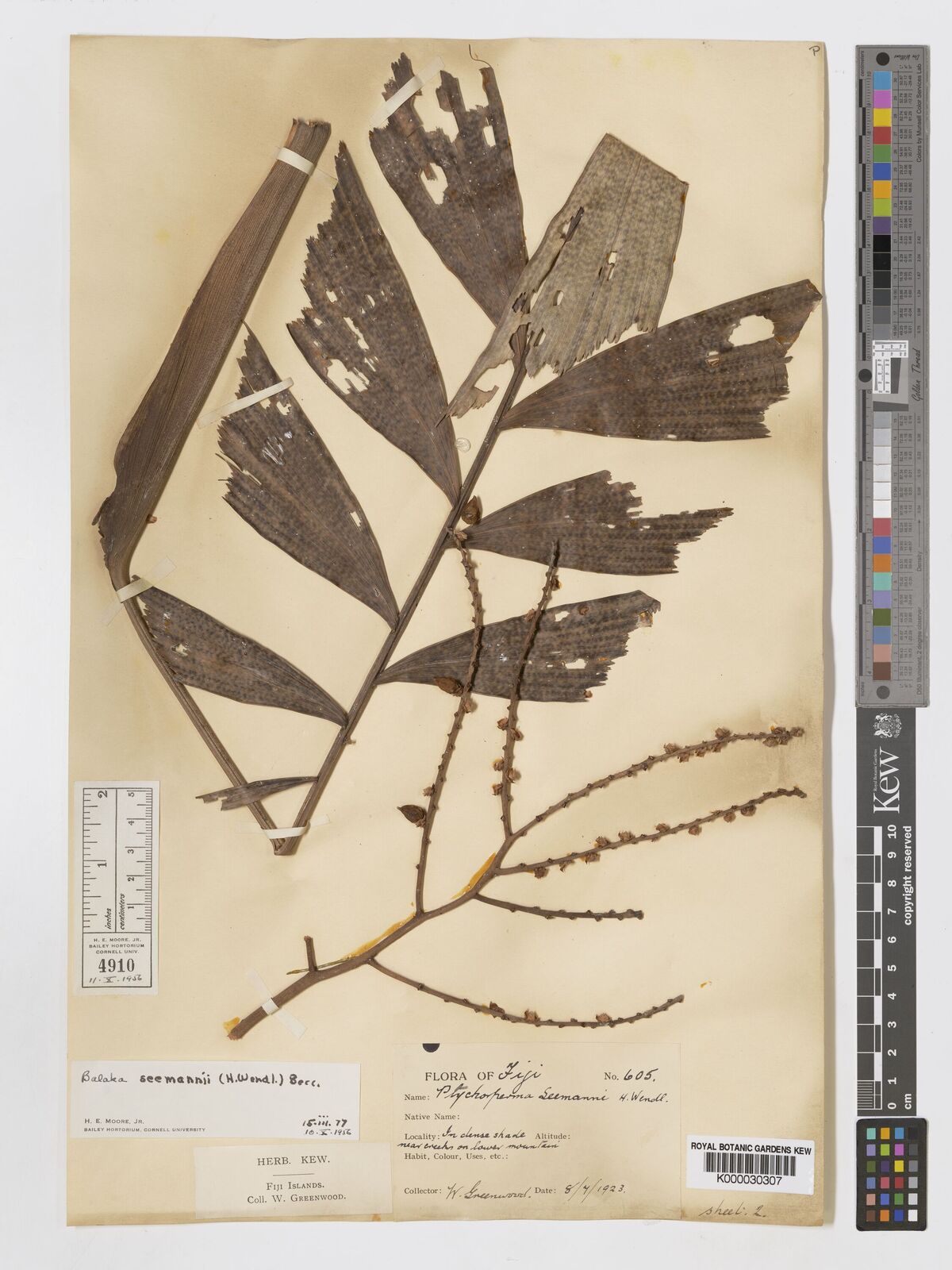
Balaka seemannii
species of plant
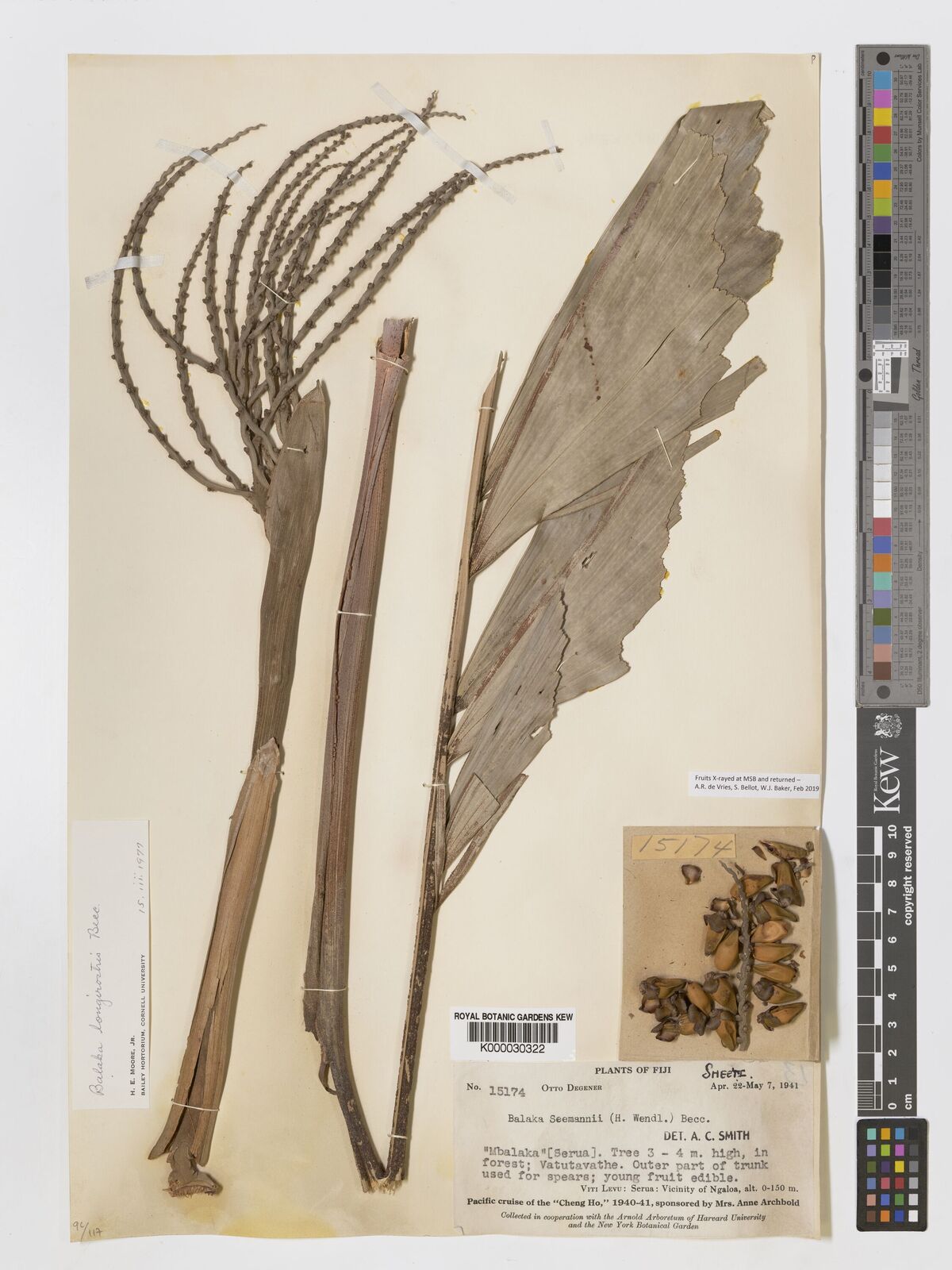
Balaka longirostris
species of plant
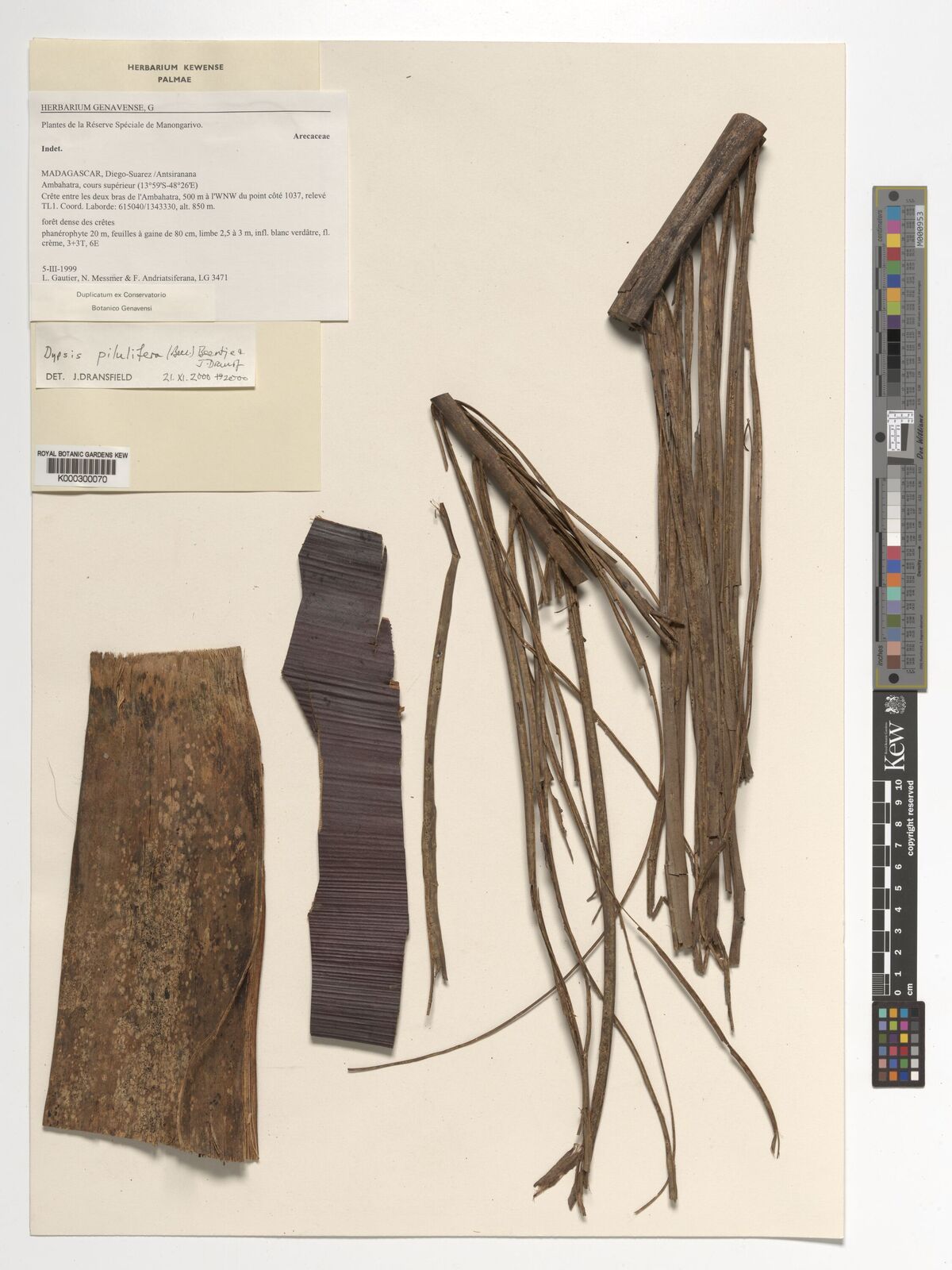
Dypsis pilulifera
species of plant
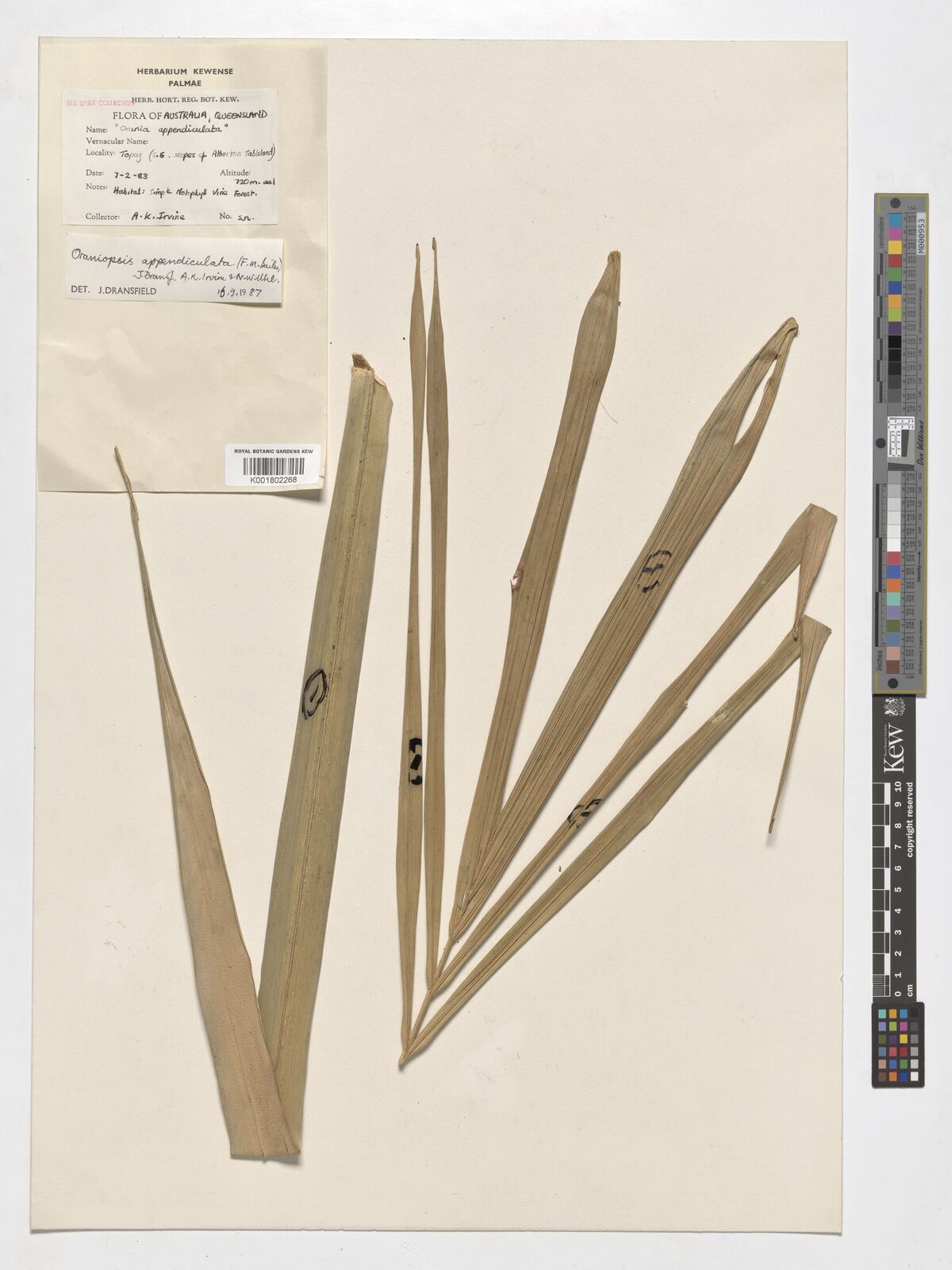
Oraniopsis appendiculata
Oraniopsis is a monotypic genus of flowering plant in the palm family from Queensland, Australia, where the only known species, Oraniopsis appendiculata, grows in mountainous rainforest. Dioecious and extremely slow growing, the name means "similar to Orania" and the Latin epithet translates to "appendaged".
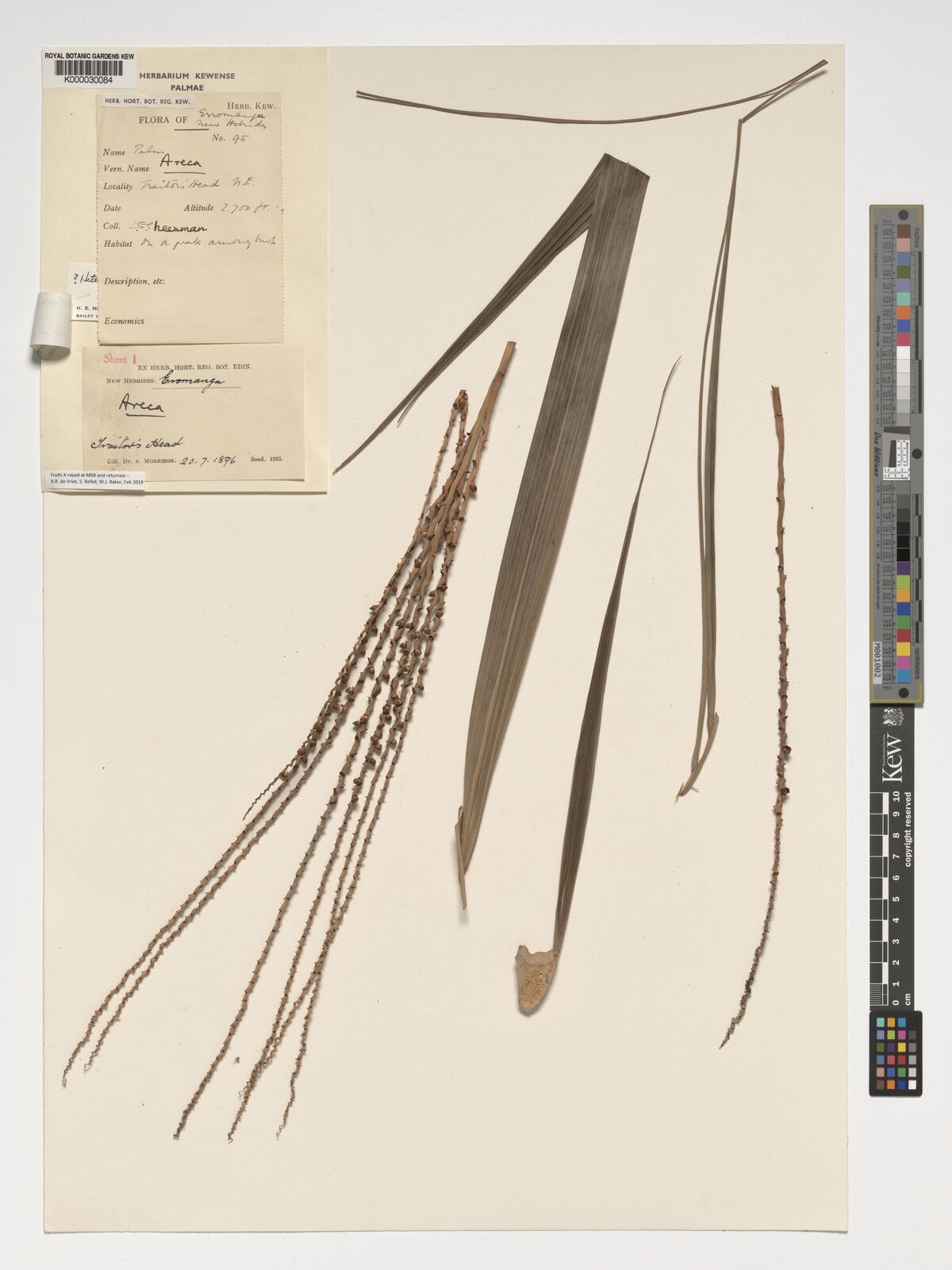
Clinostigma harlandii
species of plant
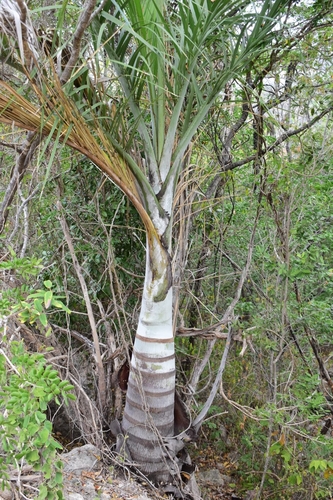
Pseudophoenix vinifera
species of plant

Ptychococcus
thumb|Ptychococcus paradoxus. Nong Nooch Tropical Garden, Thailand.

Dypsis nossibensis
species of plant
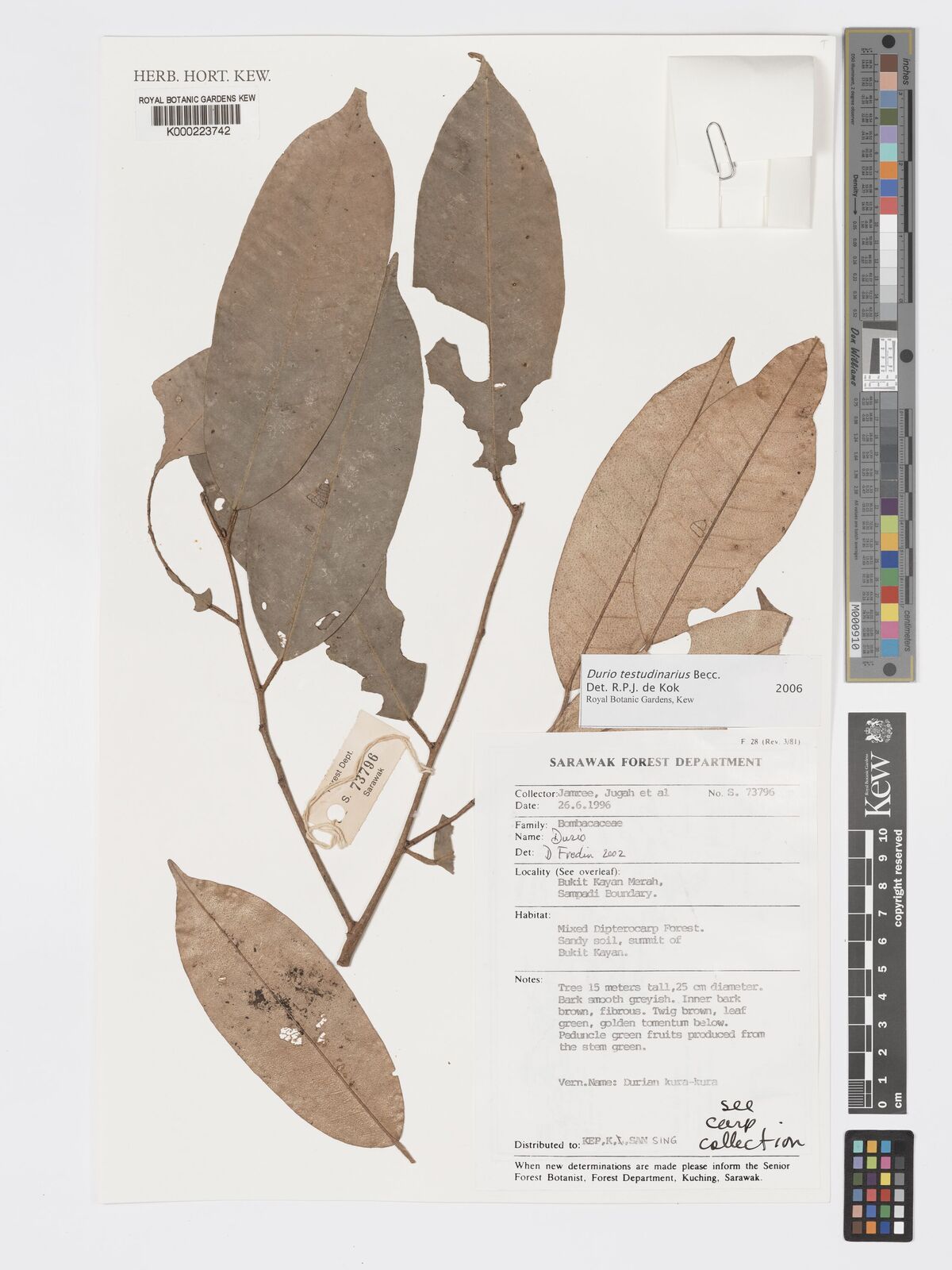
Durio testudinarius
species of plant

Myrmephytum
Myrmephytum is a genus of myrmecophytic flowering plants in the family Rubiaceae. It is distributed from central Malesia to New Guinea.
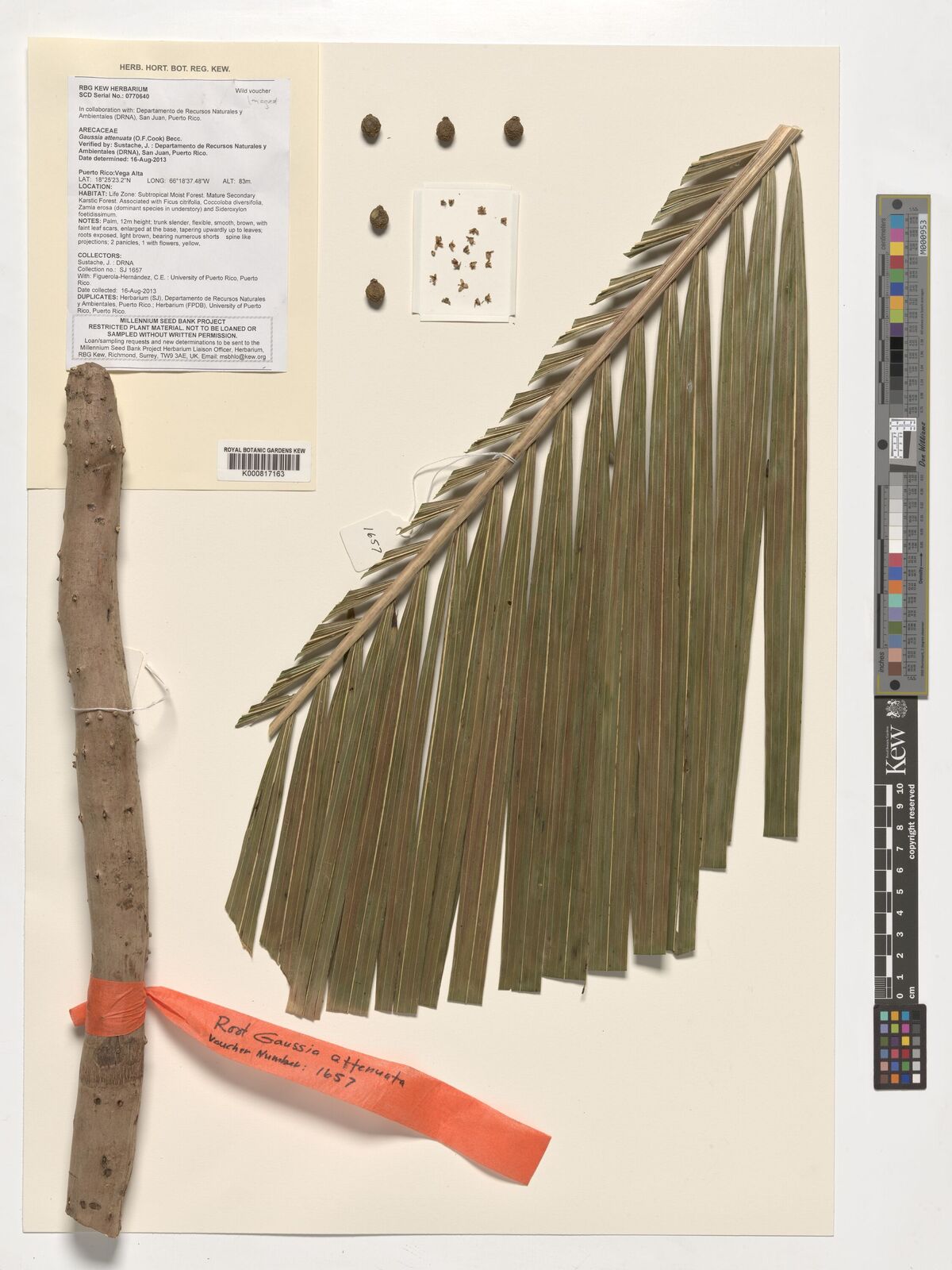
Gaussia attenuata
species of plant
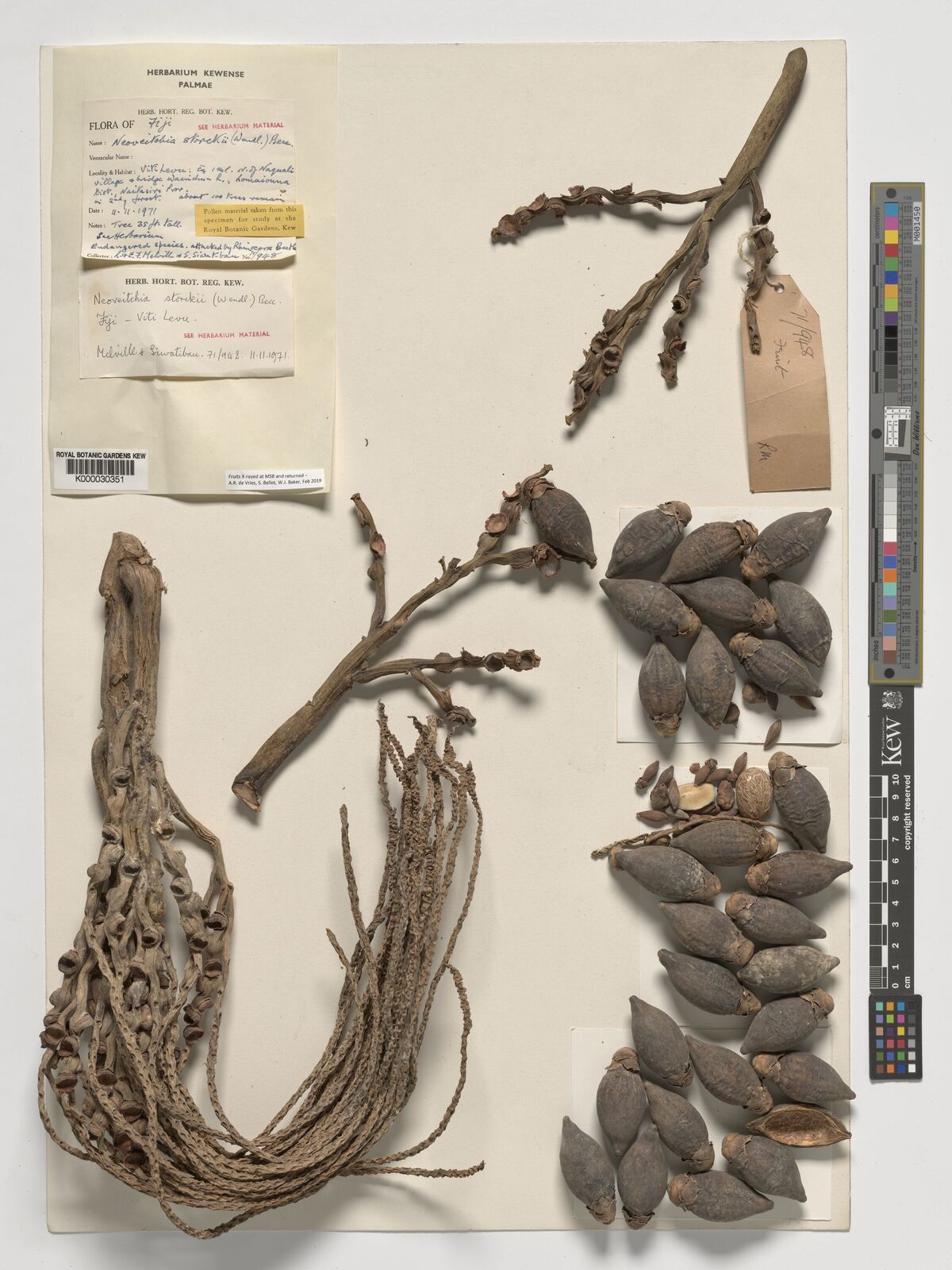
Neoveitchia storckii
species of plant
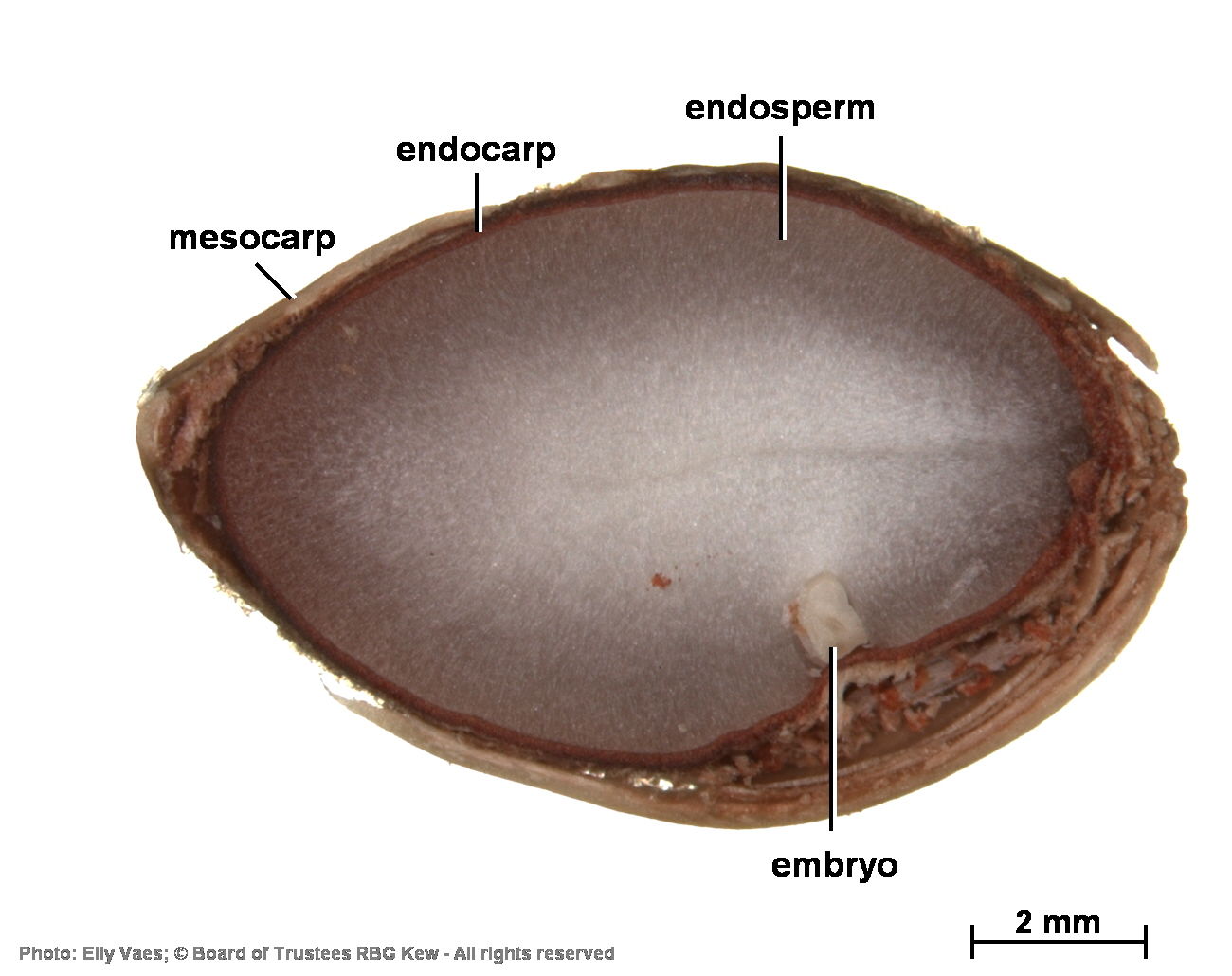
Dypsis scottiana
species of plant
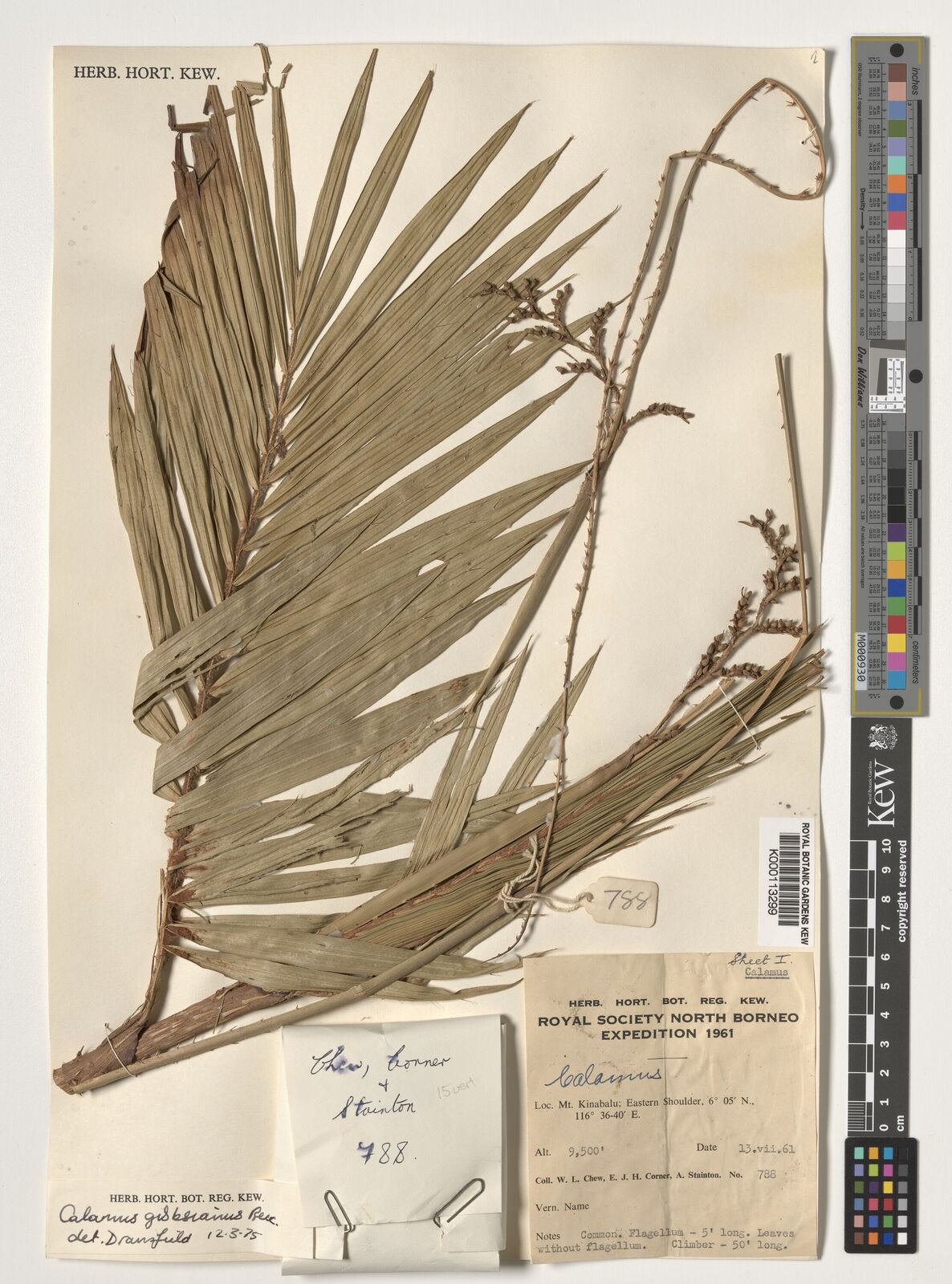
Calamus gibbsianus
species of plant

Dransfieldia micrantha
Dransfieldia is a monotypic genus of flowering plant in the palm family from western New Guinea where the lone species Dransfieldia micrantha grows in dense rain forest. Discovered in 1872, 134 years passed before DNA testing revealed its proper placement. With no close relatives, it is a delicate, pinnate-leaved palm named after John Dransfield, former palm expert at the Kew Royal Botanic Gardens.

Durio pinangianus
species of plant
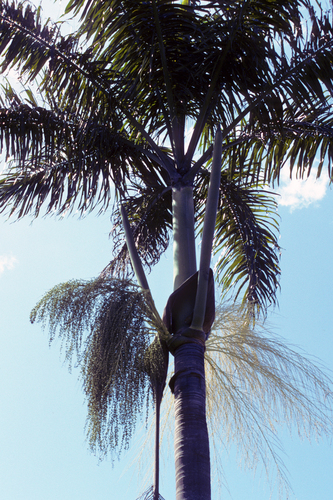
Roystonea princeps
species of plant
Acrocomia crispa
Cuban palm species
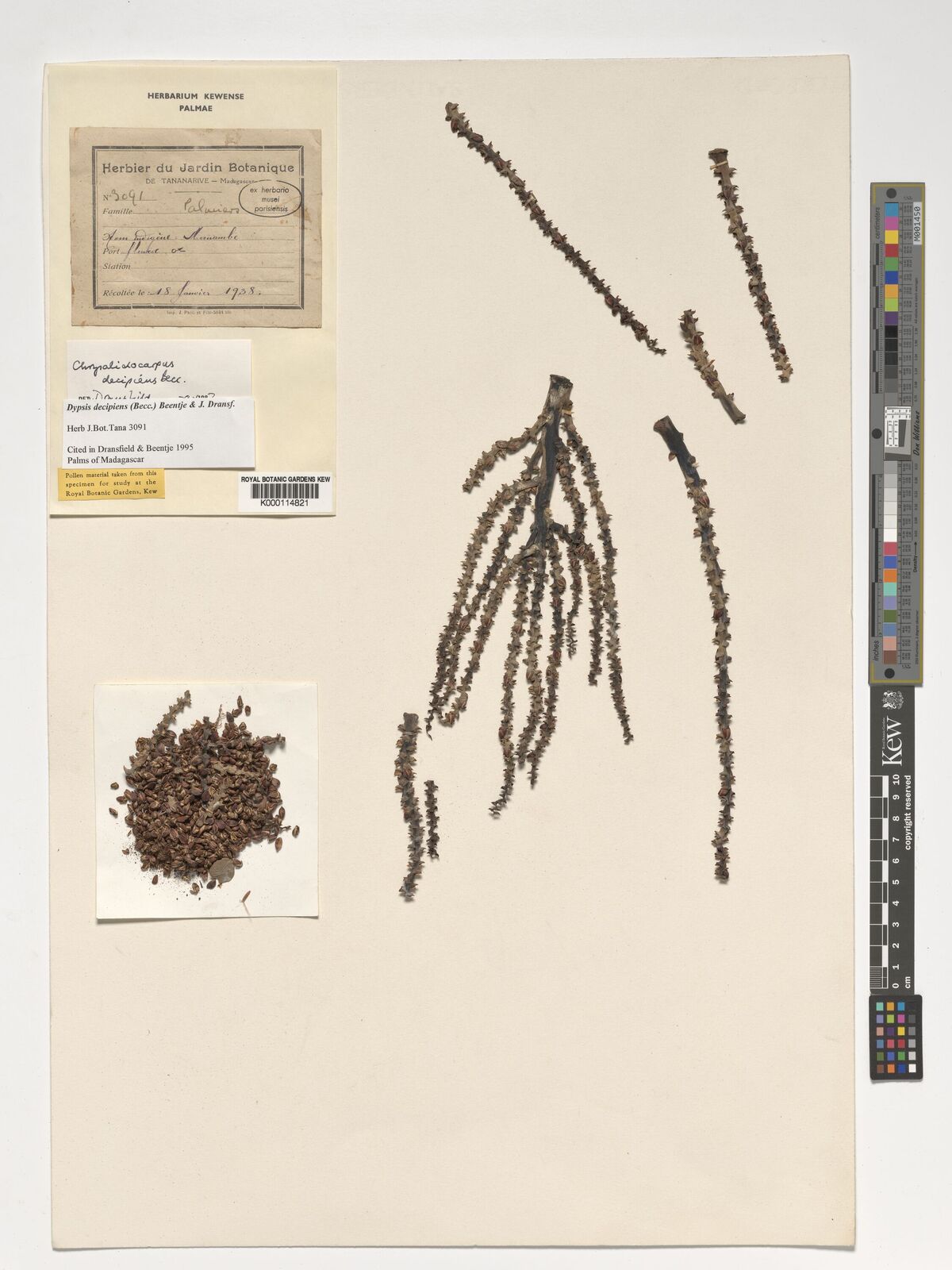
Dypsis decipiens
species of plant