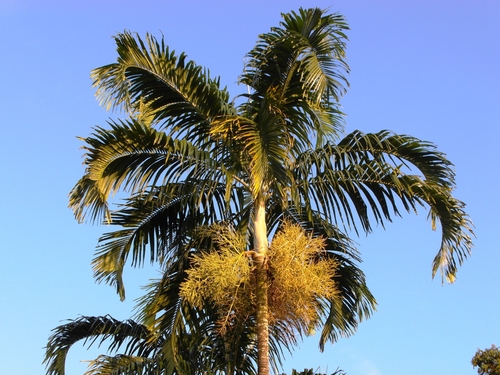
(c) Reuben C. J. Lim, some rights reserved (CC BY-NC-SA) · cc-by-nc-sa
Carpentaria acuminata
Sign in to saveAlso known as carpentaria palm, Darwin palm, Carpentaria palm
Carpentaria acuminata (carpentaria palm), the sole species in the genus Carpentaria, is a palm native to tropical coastal regions in the north of Northern Territory, Australia.
Species
Least ConcernCarpentaria palm
SPECIES
- KingdomPlantae
- PhylumTracheophyta
- ClassLiliopsida
- OrderArecales
- FamilyArecaceae
Common Name: carpentaria palm
via GBIF · IUCN · Kew POWO
Museum specimens
- Specimen records
- 23
- With media
- 12
- Family
- Arecaceae
- Collections
- MEL, US, UFMT, JBP, UF, JBRJ
- Recorded in
- Australia, Brasil, United States
~2 min read
Encyclopedic overview
3 sectionsContents
- Gallery
- References
- External links
Carpentaria acuminata (carpentaria palm), the sole species in the genus Carpentaria, is a palm native to tropical coastal regions in the north of Northern Territory, Australia.
It is a slender palm, growing to tall in the garden situation, with a trunk diameter. The leaves are pinnate, long. However, in its natural rainforest location such as at Fogg Dam Monsoon Forest east of Darwin, specimens often exceed in height. It is a popular ornamental plant in northern Australia, valued for its rapid growth and very elegant foliage. In recent years, particularly in the capital of the Northern Territory, Darwin, the maturation of gardens after their destruction during Cyclone Tracy in 1974, has resulted in many thousands of specimens of these local palms reaching maturity and fruiting. This has led to many carpentaria palms being removed because of the high volumes of fruits they produce. The ripening fruits attract fruit bats and Torres Strait pigeons which can create a mess in smaller suburban gardens. It is however, a beautiful and very fast growing specimen tree in the right location.
Excerpted from Wikipedia’s “Carpentaria acuminata” article, available under the CC BY-SA 4.0 licence.
Gallery (3)
Available in 13 languages
via Wikidata sitelinks · CC0