Category
page 1Taxila Tehsil

Chanakya
Chanakya (ISO: '''', चाणक्य, ), according to legendary narratives preserved in various traditions dating from the 4th to 11th century CE, was a Brahmin who assisted the first Mauryan emperor Chandragupta in his rise to power and the establishment of the Maurya Empire. According to these narratives, Chanakya served as the chief adviser and prime minister to both emperors Chandragupta Maurya and his son Bindusara.

Chandragupta Maurya
founder of the Maurya Empire (350–295 BCE)

Panini
Panini (, ) was a Sanskrit grammarian, logician, philologist, and revered scholar of Ancient India during the mid-1st millennium BCE, dated variously by most scholars between the 6th–5th and 4th centuries BCE.

Taxila
Taxila (, , ), historically known as Takshashila, is a city and UNESCO World Heritage Site in Rawalpindi District in Punjab province of Pakistan. Founded around , it is one of the oldest cities in South Asia. Taxila is located within the Taxila Tehsil on the Pothohar Plateau of Punjab, Pakistan, and it lies approximately northwest of the Islamabad–Rawalpindi metropolitan area and is just south of the Haripura District of Khyber Pakhtunkhwa.

Charaka
Charaka was one of the principal contributors to Ayurveda, a system of medicine and lifestyle developed in ancient India. He is known as a physician who edited the medical treatise entitled Charaka Samhita, one of the foundational texts of classical Indian medicine and Ayurveda, included under Brhat-Trayi.
Vishnu Sharma
Indian writer 3 c. BCE
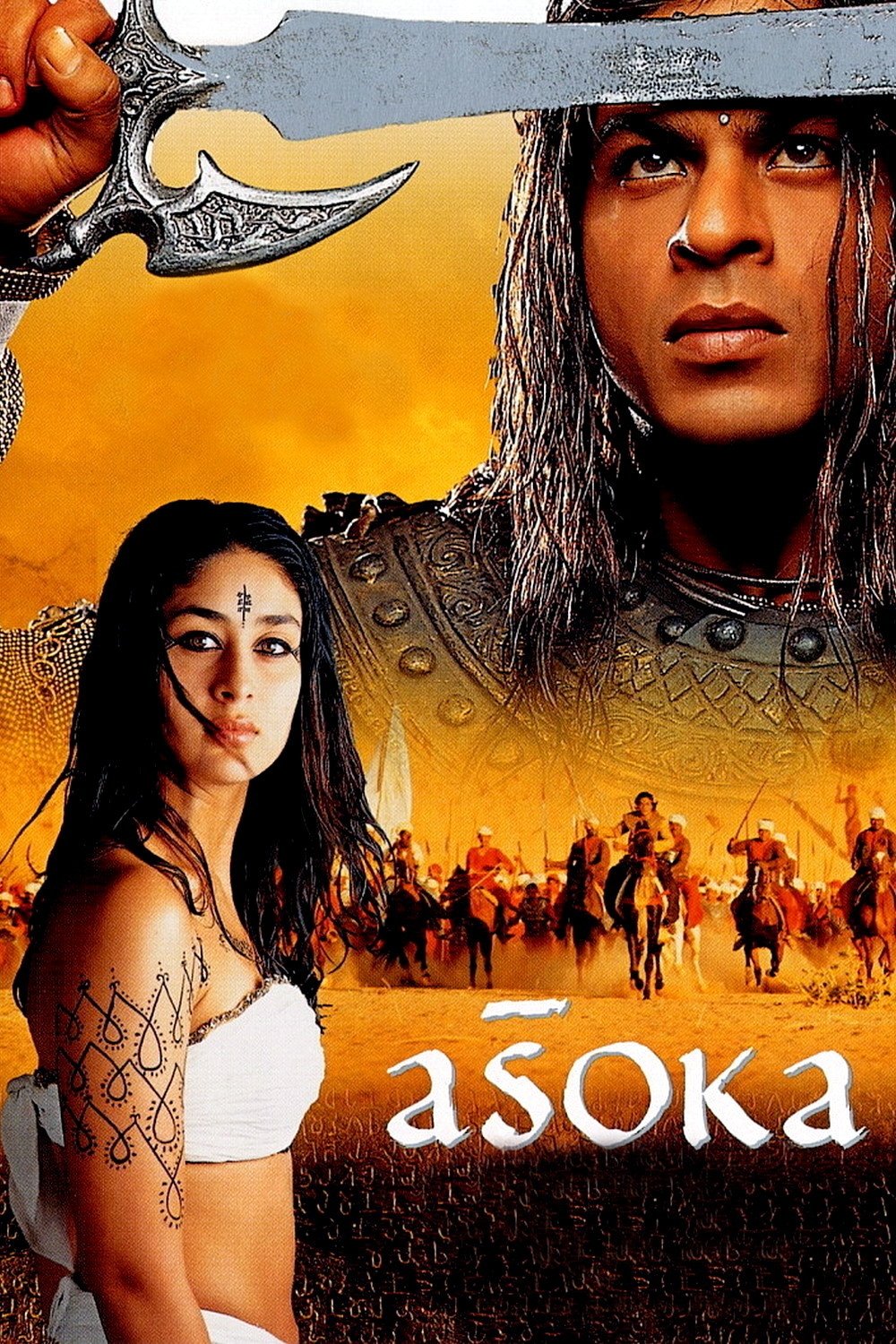
Aśoka
2001 film by Santosh Sivan

Taxiles
Taxiles or Taxilas (; ) was the Greek chroniclers' name for the ruler who reigned over the tract between the Indus and the Jhelum (Hydaspes) Rivers in the Punjab region at the time of Alexander the Great's expedition. His real name may have been Ambhi (Greek: Omphis), and the Greeks appear to have called him Taxiles or Taxilas, after the name of his capital city of Taxila, near the modern city of Attock, Pakistan.

Aṅgulimāla
Aṅgulimāla (Pali; ) is an important figure in Buddhism, particularly within the Theravāda tradition. Depicted as a ruthless brigand who completely transforms after a conversion to Buddhism, he is seen as the example par excellence of the redemptive power of the Buddha's teaching and the Buddha's skill as a teacher. Aṅgulimāla is seen by Buddhists as the "patron saint" of childbirth and is associated with fertility in South and Southeast Asia.
Calanus
Kalanos, also spelled Calanus () ( – 323 BCE), was an ancient Indian gymnosophist, a Brahmin sage , and philosopher from Taxila who accompanied Alexander the Great and was his teacher. He accompanied Alexander the Great to Persis and, after falling ill, immolated himself by entering a pyre in front of Alexander's army. Diodorus Siculus called him Caranus ().

Jīvaka Kaumārabhṛtya
Jīvaka (; ) was the personal physician () of the Buddha and the Indian King Bimbisāra. He lived in Rājagṛha, present-day Rajgir, in the 5th century BCE. Sometimes described as the "Medicine King" () and "Thrice Crowned physician" he figures prominently in legendary accounts in Asia as a model healer, and is honoured as such by traditional healers in several Asian countries.

Sirkap
Sirkap (Urdu and ) is the name of an archaeological site on the bank opposite to the city of Taxila, Punjab, Pakistan.
Taxila Museum
museum in Taxila, Pakistan
Dandamis
Dandamis (presumably Greek rendering of "Dandayan-Svami") was a philosopher, swami and gymnosophist whom Alexander encountered in the woods near Taxila, when he invaded India in 4th century B.C. He is also referred to as Mandanes. He was guru of Kalanos, the noted gymnosophist, who accompanied Alexander to Persis.
Jandial
Jandial near the city of Taxila in Pakistan is the site of an ancient temple well known for its Ionic columns. The temple is located 630 meters north of the northern gate of Sirkap. The Temple was excavated in 1912–1913 by the Archaeological Survey of India under John Marshall. It has been called the most Hellenic structure yet found on Pakistani soil.
Bhir Mound
archaeological Site in Taxila, Pakistan
Taxila Tehsil
tehsil in Punjab, Pakistan
Mohra Muradu
monastery in Pakistan
Sirsukh
Sirsukh () is an ancient city that forms part of the ruins at Taxila, near the modern day city of Taxila, Punjab, Pakistan.