Category
page 1Terrorism tactics

sea piracy
thumb|upright=1.35|The traditional "Jolly Roger" flag of piracy

kidnapping
thumb|upright|The abduction of Dinah (watercolor, by [[James Tissot)]]

lynching
Lynching is an extrajudicial killing by a group. It is most often used to characterize informal public executions by a mob in order to punish an alleged or convicted transgressor or to intimidate others. It can also be an extreme form of informal group social control, and it is often conducted with the display of a public spectacle (often in the form of a hanging) for maximum intimidation. Instances of lynchings and similar mob violence can be found in all societies.

hostage
thumb|Police trainees recovering a hostage during a training exercise
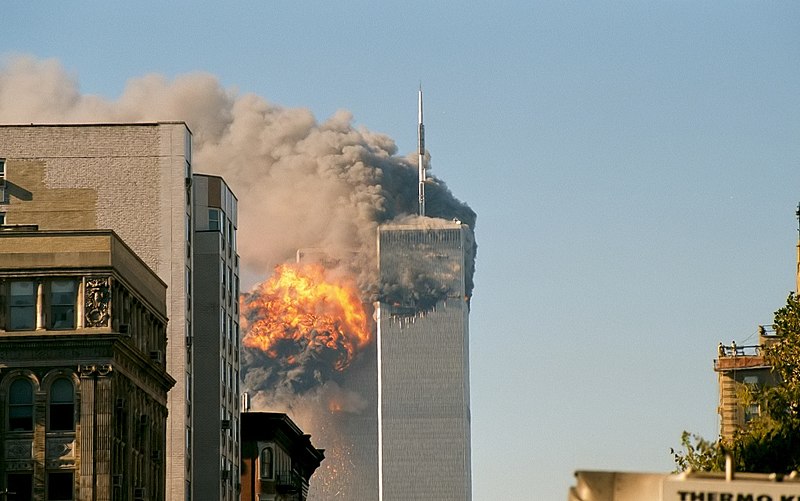
suicide attack
attack in which the attacker knows they will die
%20-%20The%20Pillory.JPG)
humiliation
thumb|upright=1.2|The Pillory, from The Costume of Great Britain (1805)

arson
thumb|280px|right|The remains of Kyoto Animation Studio 1 after being set ablaze by an arsonist
car bomb
improvised explosive device

aircraft hijacking
incident involving unlawful seizure of an aircraft in operation

dehumanization
thumb|right|upright=1.2|link=Warsaw Ghetto boy|In his Stroop Report|report on the suppression of the [[Warsaw Ghetto uprising, Jürgen Stroop described Jews resisting deportation to Nazi camps as "bandits".]]
thumb|Lynndie England pulling a leash attached to the neck of a prisoner in Abu Ghraib prison, who is forced to crawl on the floor, while [[Megan Ambuhl watches, 2003.]]
school shooting
deliberate attack on an educational building and its employees/attendees with a firearm
death squad
armed group that conducts extrajudicial killings
letter bomb
explosive device
mass shooting
incident in which an active shooter shoots multiple people with a firearm, especially with an intent to kill in a public space
human shield
deliberate placement of non-combatants in or around combat targets to deter an enemy from attacking those targets

stabbing
thumb|A detail from The Haywain Triptych by [[Hieronymus Bosch]]
lone wolf
tactics of decentralized individual self-planned political violence, which consists in carrying out armed attacks by units without leaders, centralized commands and organizations behind them
propaganda of the deed
specific political action meant to exemplify and catalyse revolution
leaderless resistance
social resistance strategy in which small, independent groups (covert cells), including individuals (solo cells), challenge an established institution such as a law, economic system, social order or government
bomb threat
threat to detonate a bomb
clandestine cell
method for organizing a group of people, such as resistance fighters, spies, mercenaries, organized crime members, or violent extremists, to make it harder for police, military or other hostile groups to catch them
culture of fear
arrangement in which fear of retribution is pervasive
pressure cooker bomb
type of bomb
suitcase nuke
type of nuke
extrajudicial punishment
illegitimate punishment carried out outside the ordinary legal system

Inspire
online magazine published by al-Qaeda in the Arabian Peninsula
well poisoning
malicious manipulation of potable water resources
juramentado
Juramentado, in Philippine history, refers to a male Moro swordsman (from the Tausug people of the Sulu Archipelago) who attacked and killed occupying and invading police and soldiers, expecting to be killed himself. This was undertaken as a form of jihad or martyrdom. Unlike an amok, who commits acts of random violence against Muslims and non-Muslims alike, a juramentado was a dedicated, premeditated, and sometimes highly skilled warrior who prepared himself through a ritual of binding, shaving, and prayer in order to accomplish brazen attacks armed only with edged weapons.
Istishhad
Istishhad () is the Arabic word for "martyrdom", "death of a martyr", or (in some contexts) "heroic death". Martyrs are given the honorific shaheed. The word derives from the Semitic root shahida (), meaning "to witness". Traditionally martyrdom has an exalted place in Islam.
It is widely believed among Muslims that the sins of believers who "die in the way of God" will be forgiven by Allah.
Shia views on martyrdom have been profoundly influenced by internal Muslim conflicts, notably Husayn ibn Ali's martyrdom at Karbala in 680, shaping it as a central belief and practice.
Sexual violence in the Iraqi insurgency
crimes against women committed by the Islamic State
stabbing attack
form of terrorist attack