Category
page 1Thoth

Imhotep
Imhotep (; "(the one who) comes in peace"; ) was an Egyptian chancellor to the King Djoser, possible architect of Djoser's step pyramid, and high priest of the sun god Ra at Heliopolis. Very little is known of Imhotep as a historical figure, but in the 3,000 years following his death, he was gradually glorified and deified.

Thoth
Thoth (from , borrowed from , , the reflex of "[he] is like the ibis") is an ancient Egyptian deity. In art, he was often depicted as a man with the head of an ibis or a baboon, animals sacred to him. His feminine counterpart is Seshat, and his wife is Ma'at. He is the god of the Moon, wisdom, knowledge, writing, hieroglyphs, science, magic, art, and judgment.

ibis
thumb|Ibises illustration, c. 1835–1840

African Sacred Ibis
species of bird

Maat
'''Ma'at or Maat' (Egyptian: ma’at /ˈmuʀʕat/, Coptic: ⲙⲉⲓ) comprised the ancient Egyptian concepts of truth, balance, law, morality, and justice. Maat was also the goddess who personified these concepts, and regulated the stars, seasons, and the actions of mortals and the deities who had brought order from chaos at the moment of creation. Her ideological opposite was Isfet (Egyptian jzft''), meaning injustice, chaos, violence or to do evil.

Hermes Trismegistus
purported author of the Hermetic Corpus

Seshat
Seshat (, under various spellings) was the ancient Egyptian goddess of writing, wisdom, and knowledge. She was seen as a scribe and record keeper. She was also credited with inventing writing. She became identified as the goddess of measurement, accounting, architecture, science, astronomy, mathematics, geometry, history and surveying. She was variously depicted as the wife, daughter, or feminine counterpart of Thoth, who was also associated with knowledge, astronomy, measurement, and writing.''''''

Abraxas
thumb|Engraving from an Abraxas stone.

Hermopolis
Hermopolis (or Hermopolis Magna) was a major city in antiquity, located near the boundary between Lower and Upper Egypt. Its Egyptian name Khemenu derives from the eight deities (the Ogdoad) said to reside in the city.
right|thumb|upright|Black siltstone [[obelisk of King Nectanebo II (r. 358 to 340 BCE). According to the vertical inscriptions he set up this obelisk at the doorway of the sanctuary of Thoth Thrice-Great, Lord of Hermopolis. It is now on display in the British Museum, London.]]
A provincial capital since the Old Kingdom of Egypt, Hermopolis developed into a major city of Roman E
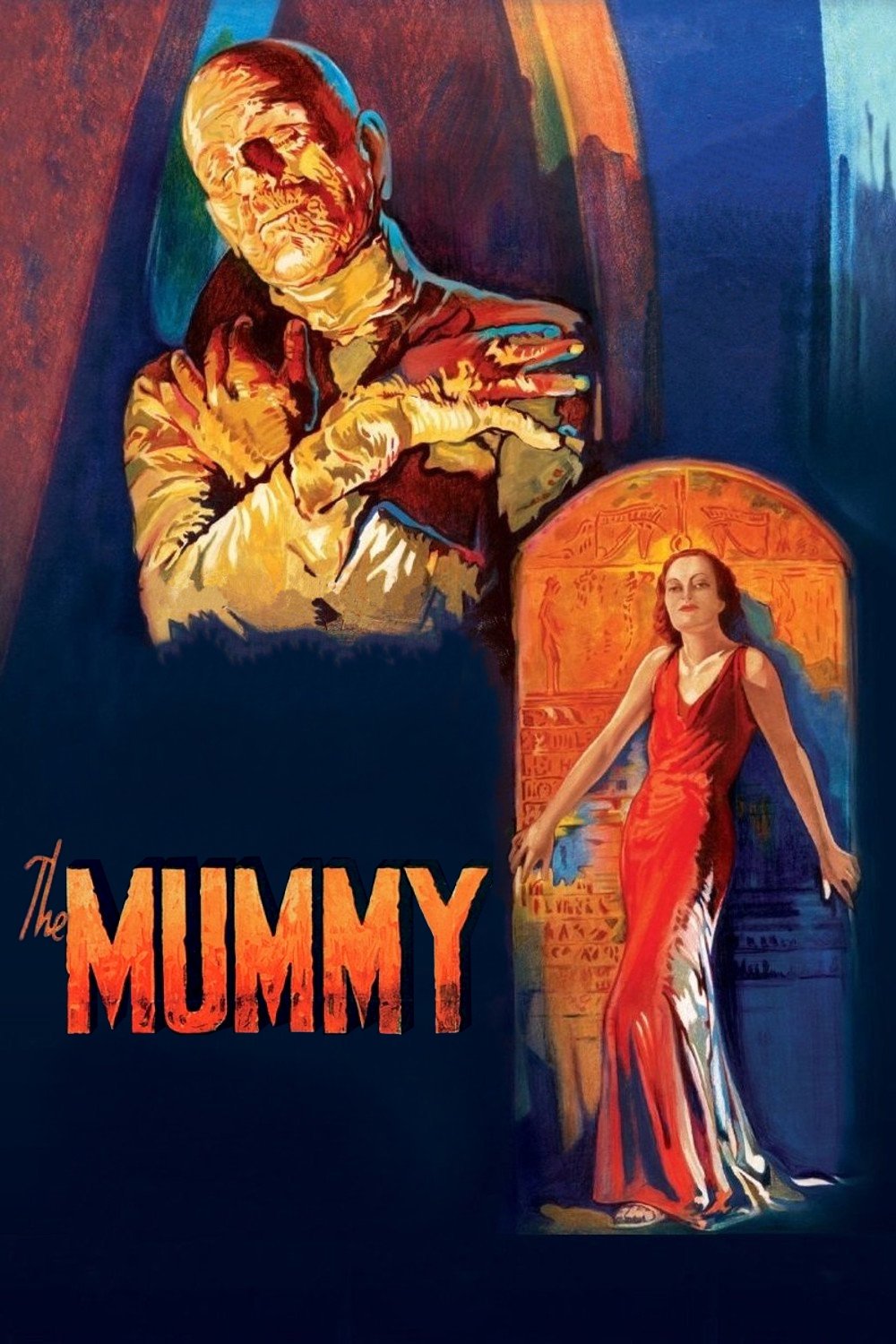
The Mummy
1932 film directed by Karl Freund
Black Adam
fictional character in DC Comics
Thout
Thout (, ), also known as Thoth (, Thōth) and Tut (), is the first month of the ancient Egyptian and Coptic calendars. It lies between 11 September and 10 October of the Gregorian calendar.
Tuna el-Gebel
archaeological site in Middle Egypt
Junior Woodchucks
fictional organization
Thoth tarot deck
divinatory tarot deck
Temple of Dakka
ancient Egyptian temple

Hare nome
subnational administrative division of Ancient Egypt
The Book of Thoth
name given to many ancient Egyptian texts supposed to have been written by the god Thoth
Nehmetawy
Nehmetawy (nḥm.t-ˁw3ỉ; "she who embraces those in need") is a goddess in the ancient Egyptian religion. She is not very widely known. Nehmetawy was the wife of snake god Nehebkau, or in other places of worship, like in Hermopolis, the wife of Thoth. A local form of the god Horus called Horus-nefer ("Horus, the good one)" might have been viewed as the son of Thoth and Nehmetawy. Her depictions are anthropomorph, with a sistrum-shaped headdress, often with a child in her lap.
Guardians of the Lost Library
1993 Junior Woodchucks comic book story by Don Rosa

Creatures of Light and Darkness
1969 novel by Roger Zelazny

The Book of Thoth
book by Aleister Crowley
360-day calendar
calendar used in some situations such as financial markets