Category
page 1Thought experiments

prisoner's dilemma
canonical example of a game analyzed in game theory
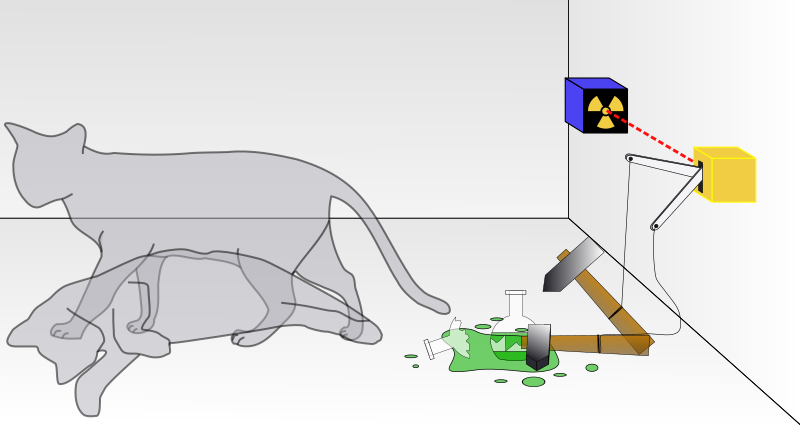
thought experiment
considering hypothesis, theory, or principle for the purpose of thinking through its consequences

Dyson sphere
hypothetical megastructure, originally described by Freeman Dyson

infinite monkey theorem
humorously stated theorem that a monkey hitting keys at random on a typewriter keyboard for an infinite amount of time will surely type a given text, such as the complete works of William Shakespeare.
arbitrage
Arbitrage (, ) is the practice of taking advantage of a difference in prices in two or more marketsstriking a combination of matching deals to capitalize on the difference, the profit being the difference between the market prices at which the unit is traded. Arbitrage has the effect of causing prices of the same or very similar assets in different markets to converge.

Pascal's Wager
argument that posits that humans bet with their lives that God either exists or does not
Hollow Earth
historical concept proposing that the planet Earth is entirely hollow or contains a substantial interior space
Venedic
naturalistic constructed language
Laplace's demon
hypothetical being who knows the location and momentum of every atom and therefore knows the past and future of the universe using classical mechanics
Brithenig
Brithenig, or also known as Comroig, is an invented language, or constructed language ("conlang"). It was created as a hobby in 1996 by Andrew Smith from New Zealand, who also invented the alternate history of Ill Bethisad to "explain" it. Officially according to the Ill Bethisad Wiki, Brithenig is classified as a Britanno-Romance language, along with other Romance languages that displaced Celtic.
dining philosophers problem
problem used to illustrate synchronization issues and techniques for resolving them

The Library of Babel
1941 short story by Jorge Luis Borges
Hayy ibn Yaqdhan
novel by Ibn Tufail

Thinking, Fast and Slow
2011 non-fiction work by Daniel Kahneman

The World Without Us
non-fiction work by Alan Weisman
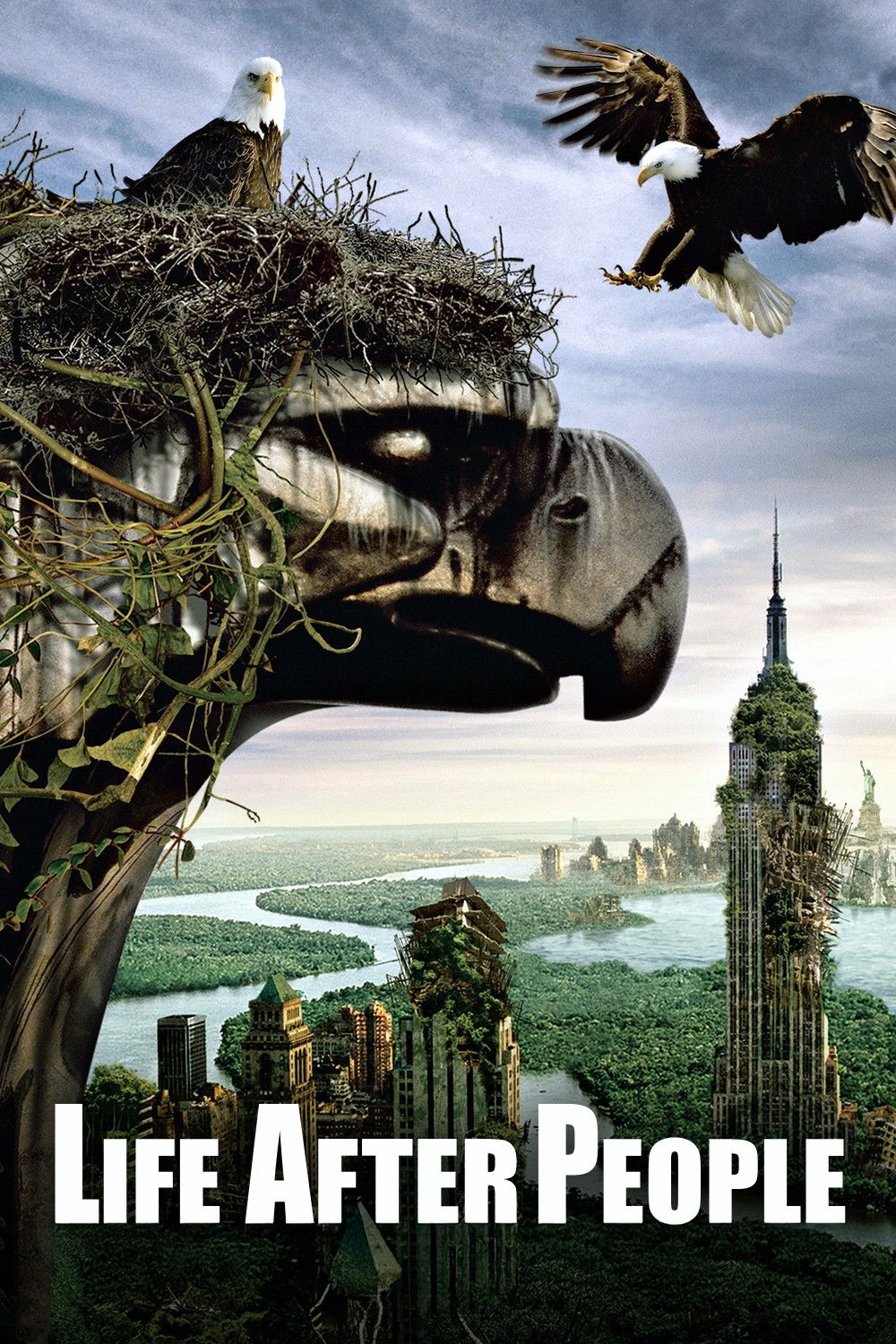
Life After People
2008 American apocalyptic television series
Newcomb's problem
thought experiment about a game involving a reliable predictor of the player’s actions
enterprise application integration
use of software and computer systems architectural principles to integrate a set of enterprise computer applications
Levinthal's paradox
paradox that the number of possible protein-folding configurations is too large, so that it is impossible that the lowest-energy configuration will be found purely thermodynamically
Roko's basilisk
AI thought experiment
counterfactual history
study of historical events that never happened
self-replicating machine
device able to make copies of itself
if a tree falls in a forest and no one is around to hear it, does it make a sound?
philosophical thought experiment
There's Plenty of Room at the Bottom
lecture by Richard Feynman
Two Generals' Problem
thought experiment: 2 generals can talk to each other by sending a messenger through enemy territory; how can they agree on time of attack, if any messenger could be captured?

retrocausality
Retrocausality, or backwards causation, is a concept of cause and effect in which an effect precedes its cause in time and so a later event affects an earlier one. In quantum physics, the distinction between cause and effect is not made at the most fundamental level and so time-symmetric systems can be viewed as causal or retrocausal. Philosophical considerations of time travel often address the same issues as retrocausality, as do treatments of the subject in fiction, but the two phenomena are distinct.
counterfactual conditional
conditional with a false "if" clause
Ellsberg paradox
paradox in decision theory
Robinson Crusoe economy
economy with one consumer, one producer and two goods
cortical homunculus
distorted model of the human body based on areas and proportions of the brain dedicated to motor or sensory functions for different body parts
green-beard effect
hypothesis for altruism in evolutionary biology

Walden Two
1948 novel by B.F. Skinner
Why is there anything at all?
metaphysical question

Silurian hypothesis
assessment of modern science's ability to detect evidence of a prior advanced civilization
Darwinian Demon
hypothetical organism that reproduces directly after being born, produces infinitely many offspring, and lives indefinitely
urn problem
certain model studied in probability theory and combinatorics
lump of labour fallacy
misconception in economics about allocation of work
exotheology
The term "exotheology" was coined in the 1960s or early 1970s for the examination of theological issues as they pertain to extraterrestrial intelligence. It is primarily concerned with either conjecture about possible theological beliefs that extraterrestrials might have, or how our own theologies would be influenced by evidence of and/or interaction with extraterrestrials.
rotating locomotion in living systems
phenomenon and topic of discourse in evolutionary biology and biomechanics
backcasting
Backcasting is a planning method that starts with defining a desirable future and then works backwards to identify policies and programs that will connect that specified future to the present. The fundamentals of the method were outlined by John B. Robinson from the University of Waterloo in 1990. The fundamental question of backcasting asks: "if we want to attain a certain goal, what actions must be taken to get there?"
Norton's dome
nondeterministic Newtonian mechanical system
defensive pessimism
cognitive strategy
A Defense of Abortion
article
Weasel program
thought experiment in evolutionary science
Dinosauroid
thumb|A model of the hypothetical dinosauroid, Dinosaur Museum (Dorchester)|Dinosaur Museum, Dorchester|273x273px
The dinosauroid is a hypothetical species created by Dale A. Russell in 1982. Russell theorized that if a dinosaur such as Stenonychosaurus had not perished in the Cretaceous–Paleogene extinction event, its descendants might have evolved to fill the same ecological niche as humans. While the theory has been met with criticism from other scientists, the dinosauroid has been featured widely in books and documentaries since the theory's inception.

Man or Bear
hypothesis where women are questioned on whether they want to be stuck in a forest with a man or a bear
100 men versus a gorilla
thought experiment, debate, and internet meme
Braitenberg vehicle
Autonomous cybernetic agent
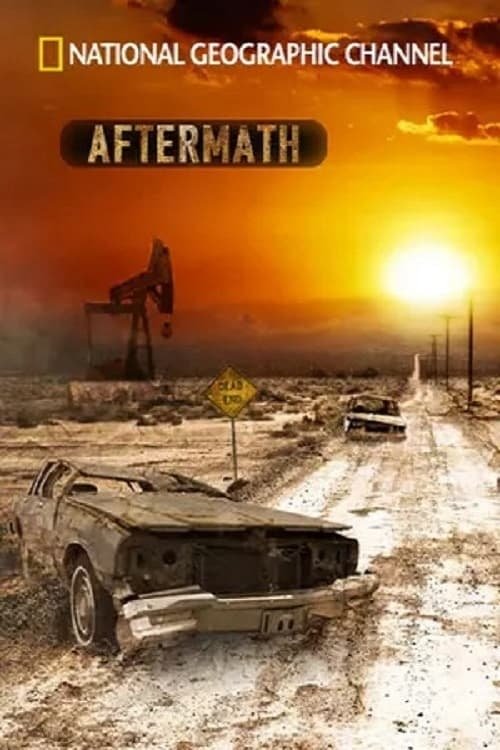
Aftermath
2010 documentary television series
Pascal's mugging
philosophical thought experiment: “A mugger, who forgot his weapon, proposes a deal to Pascal: ‘you give me your wallet, and I will give you N times the money, where N is large enough to compensate for the low probability of me honoring the deal’”

Della Moneta
the first specific treatises on economics, especially monetary theory
Nuclear War: A Scenario
book by Annie Jacobsen
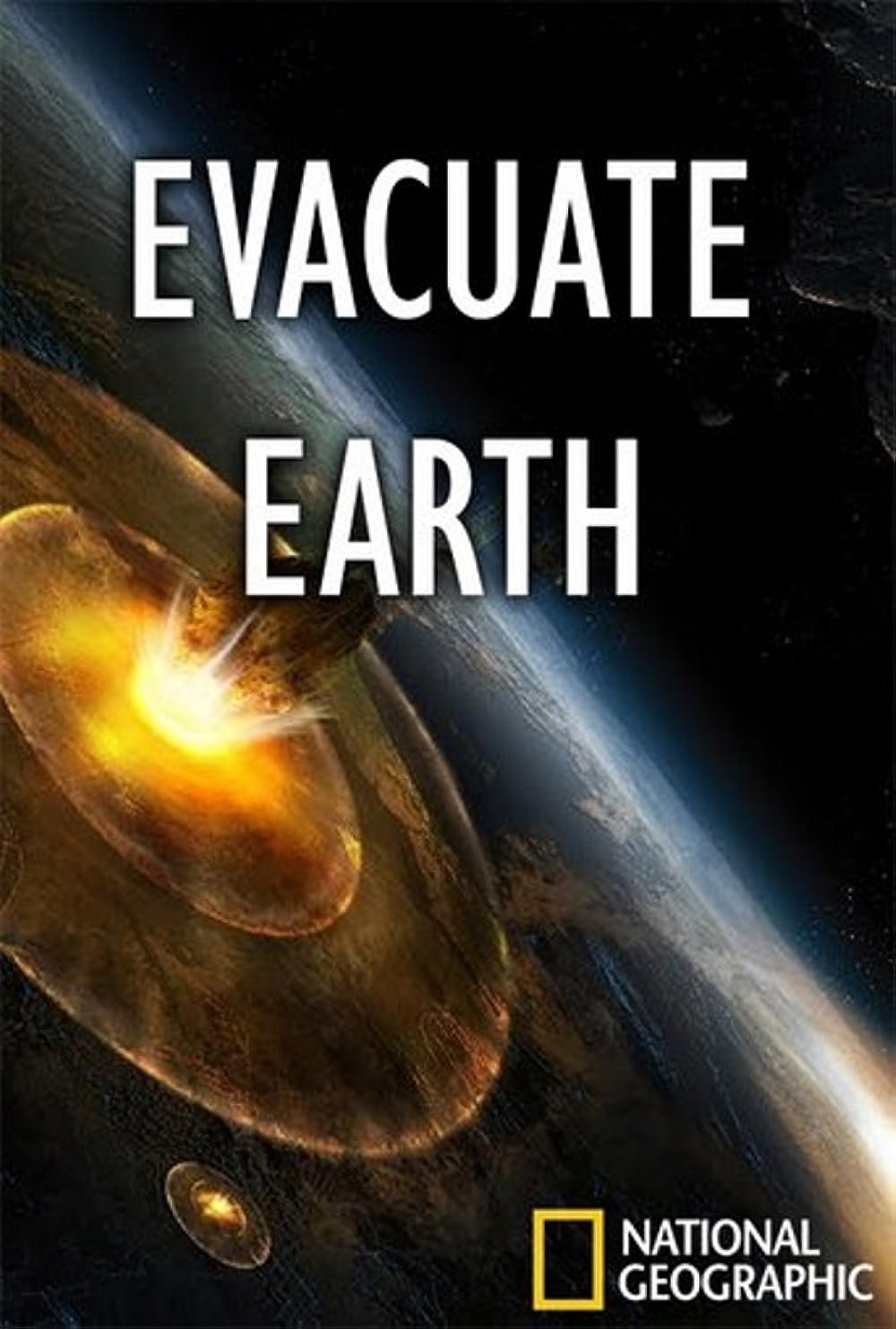
Evacuate Earth
2012 American television documentary
Martin Cohen
British philosopher