Category
page 1Threshold temperatures

melting point
temperature at which a solid turns liquid
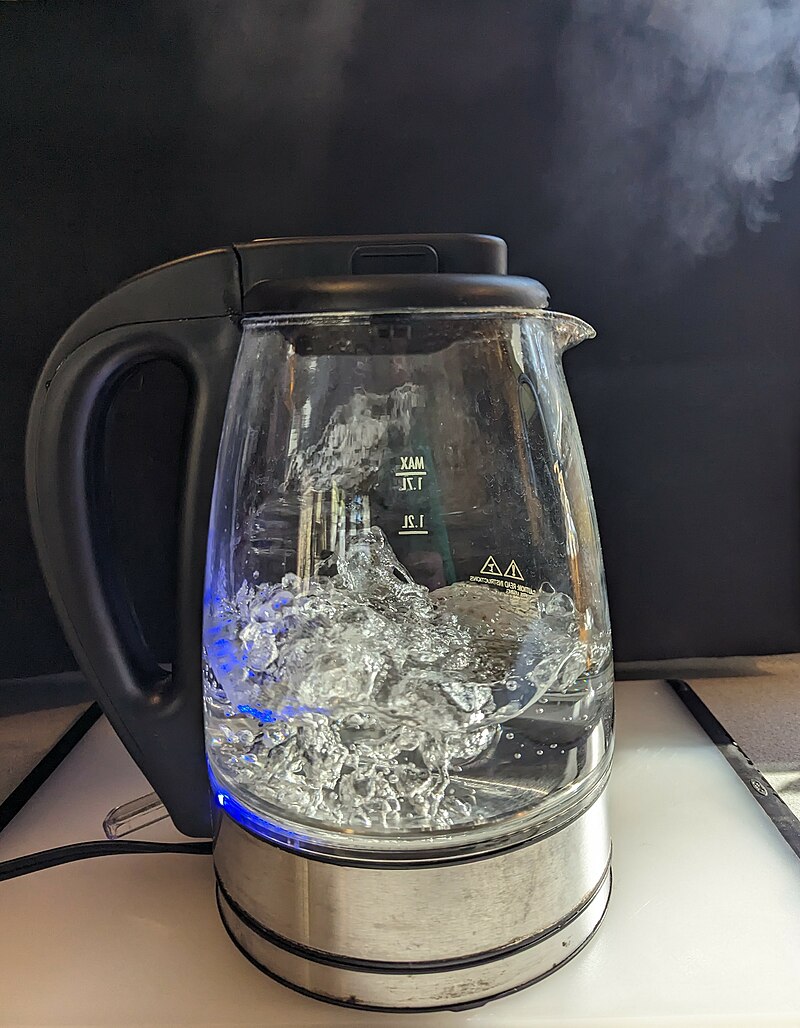
boiling point
temperature at which a substance changes from liquid into vapor
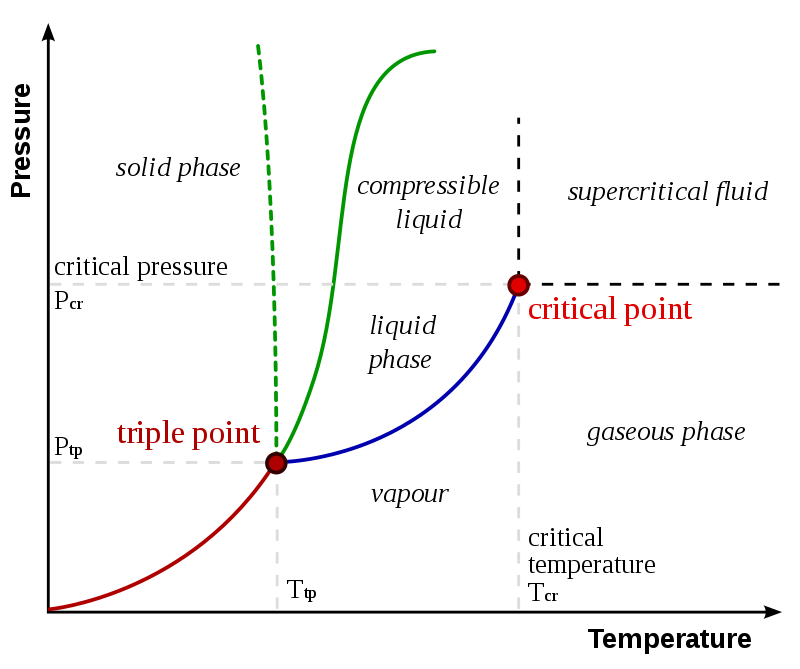
triple point
thermodynamic point where three matter phases exist

dew point
temperature at which air becomes saturated with water vapour

critical point
temperature and pressure point where phase boundaries disappear

flash point
lowest temperature at which a volatile substance can vaporize to form an ignitable mixture in air
autoignition temperature
lowest temperature at which a material spontaneously ignites in a normal atmosphere without an external source of ignition
glass transition
reversible transition in amorphous materials at which amorphous polymers go from hard to viscous
lambda point
fluid/superfluid transition point of helium
pour point
Temperature below which a liquid loses its ability to flow
operating temperature
temperature at which an electrical or mechanical device can operate
adiabatic flame temperature
temperature that combustion products theoretically can reach if no energy is lost to the outside environment
orders of magnitude (temperature)
range of temperatures from absolute zero to very high
transition temperature
temperature at which certain solid substances change from one crystal structure to another
heat deflection temperature
temperature at which a polymer or plastic sample deforms under a specified load
dropping point
indication of the heat resistance of a lubricating grease and the temperature at which it passes from a semi-solid to a liquid state under specific test conditions
liquidus and solidus
Melting points of chemical mixtures