Category
page 7Trees of China
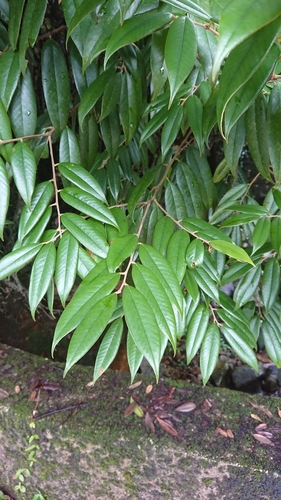
Castanopsis concinna
species of plant

Diospyros eriantha
species of plant
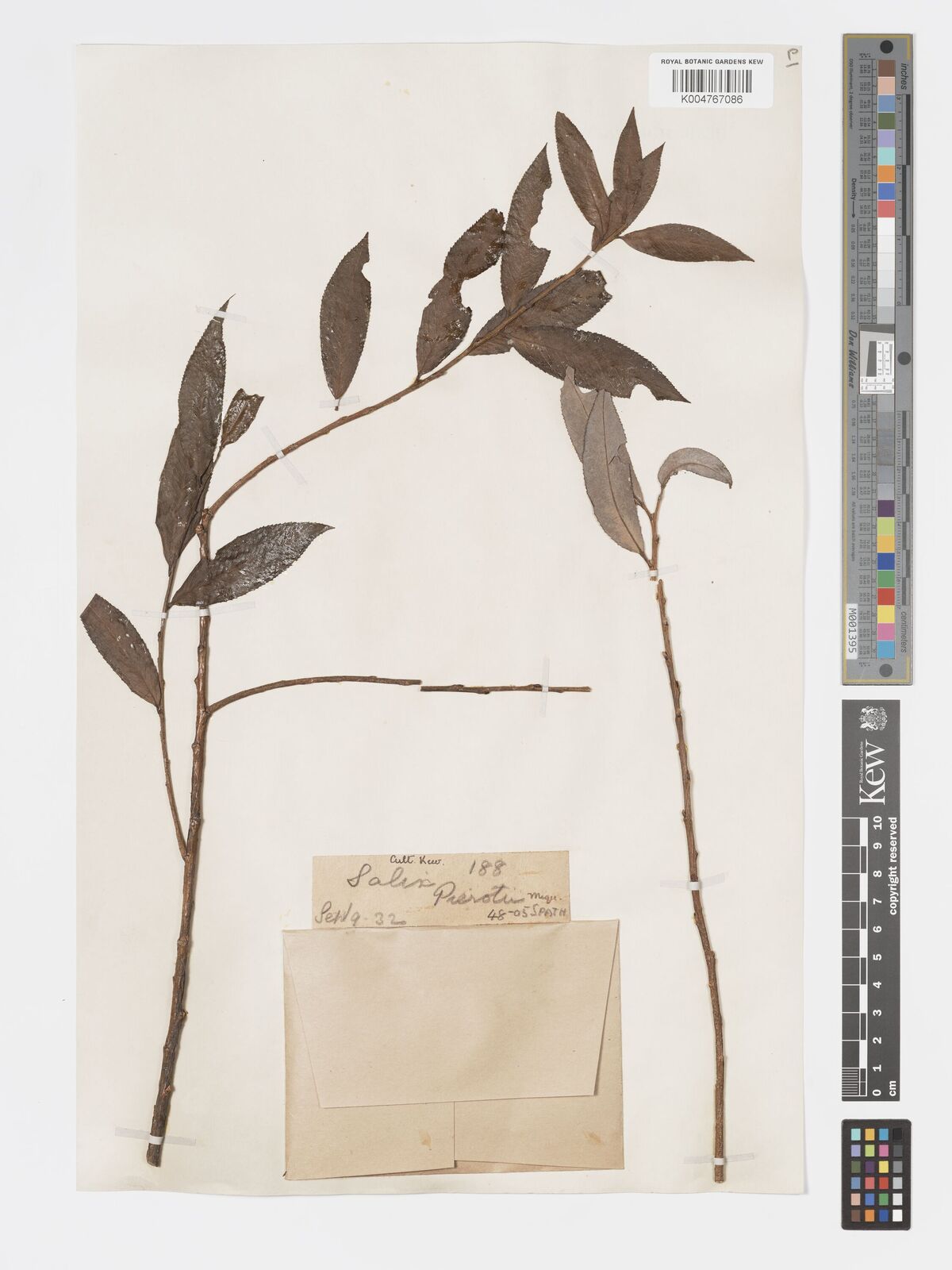
Salix pierotii
species of plant
Dysoxylum densiflorum
species of plant
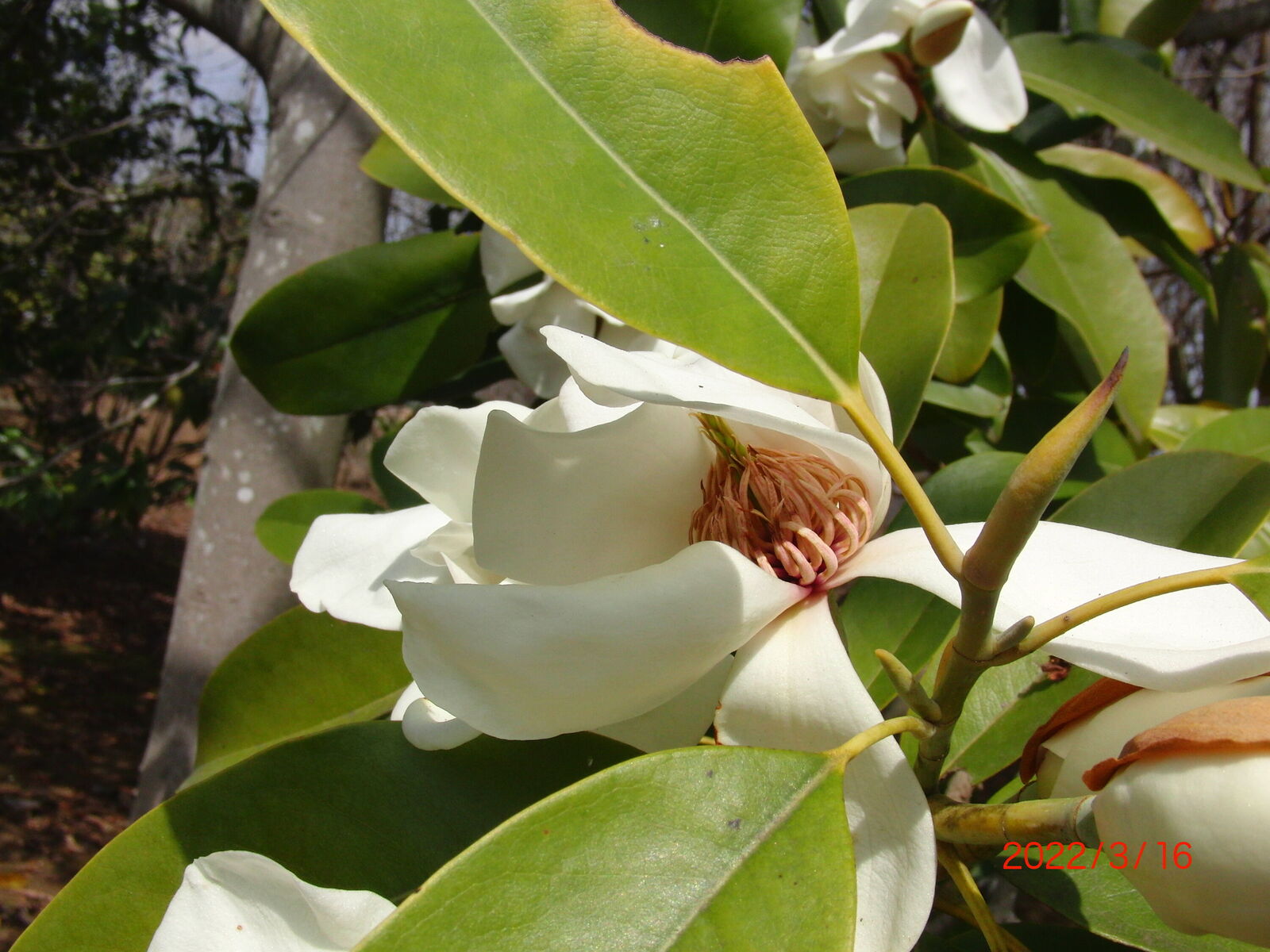
Magnolia maudiae
species of plant
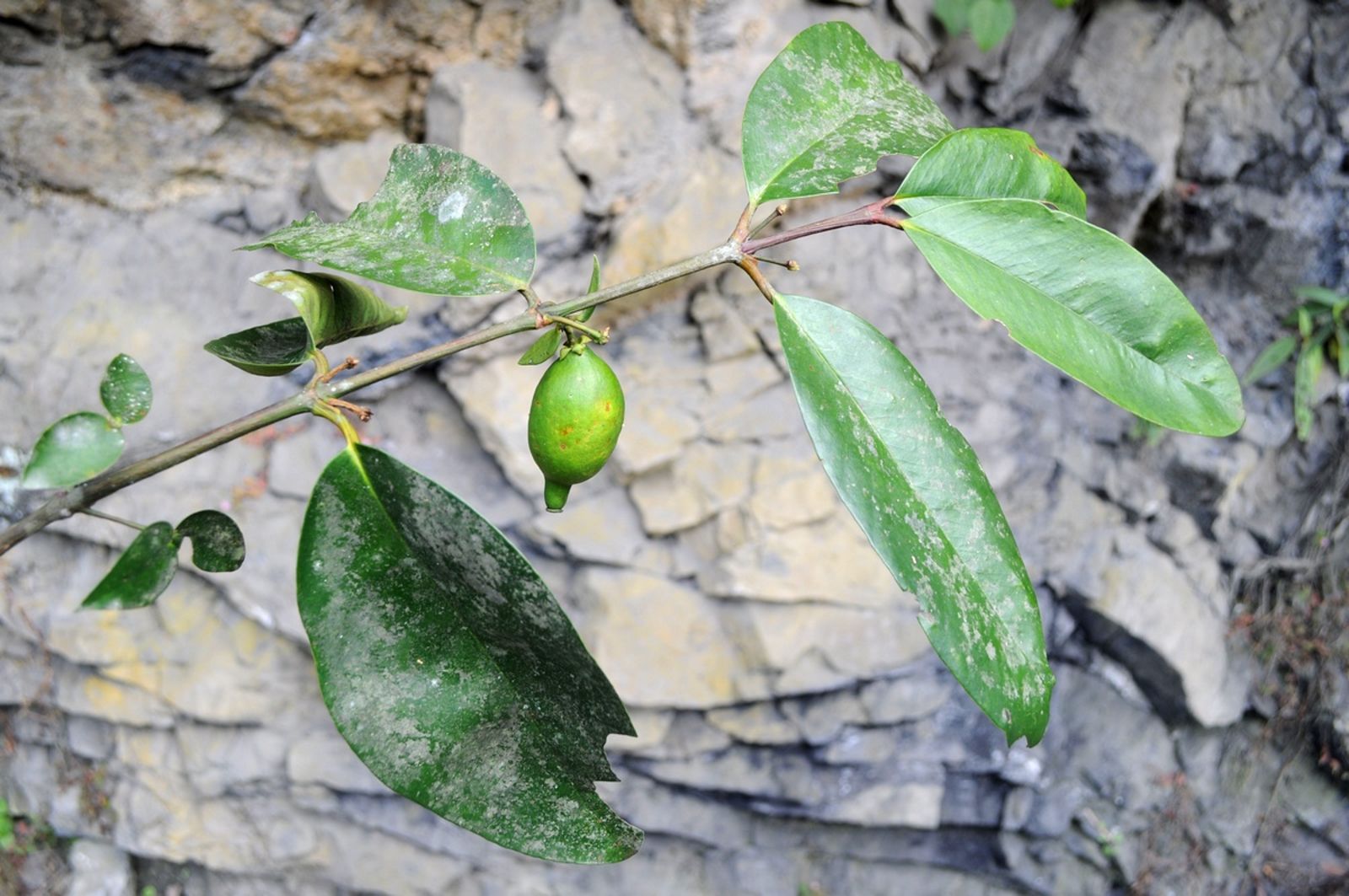
Garcinia paucinervis
species of plant
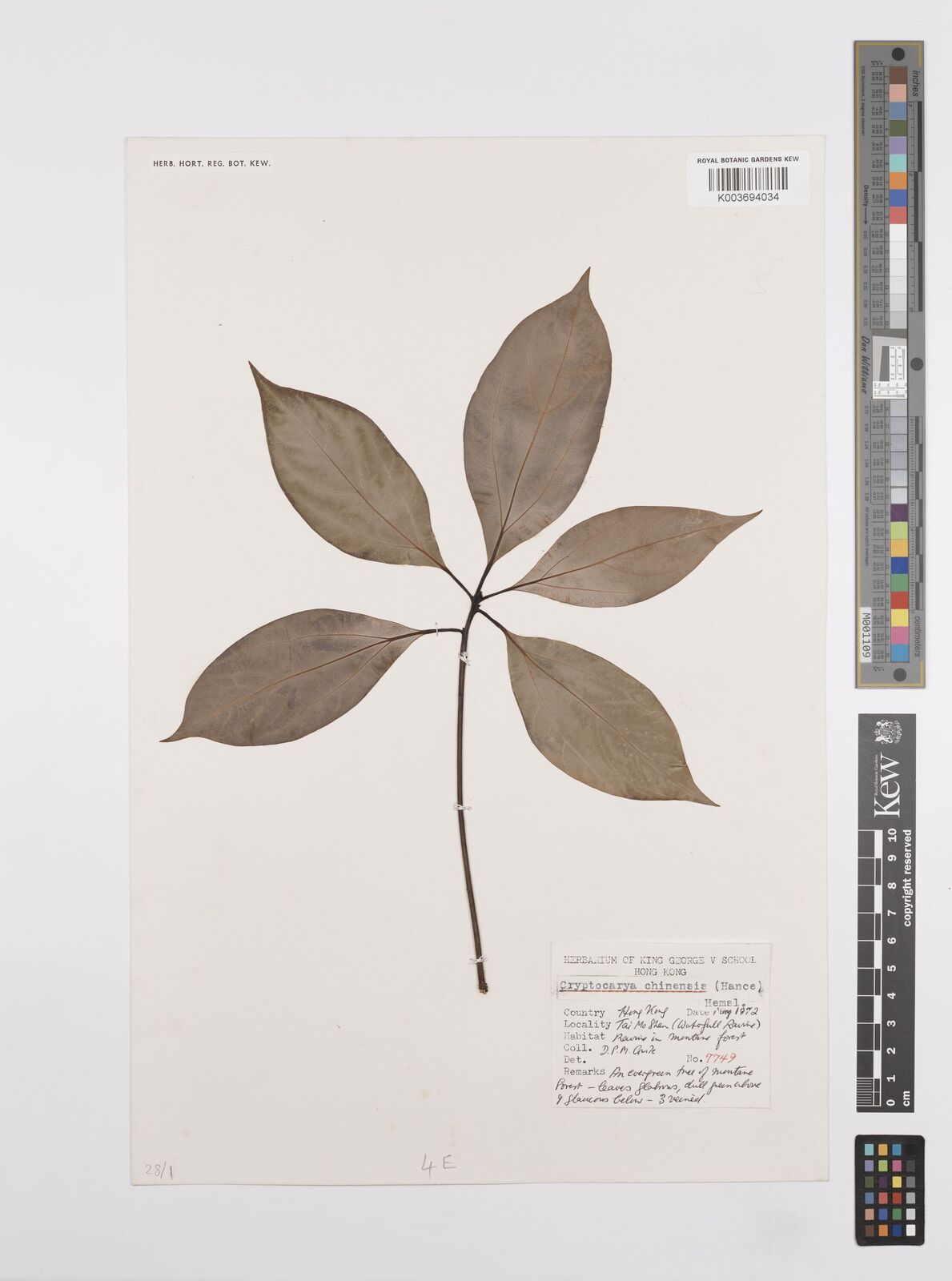
Cryptocarya chinensis
species of plant
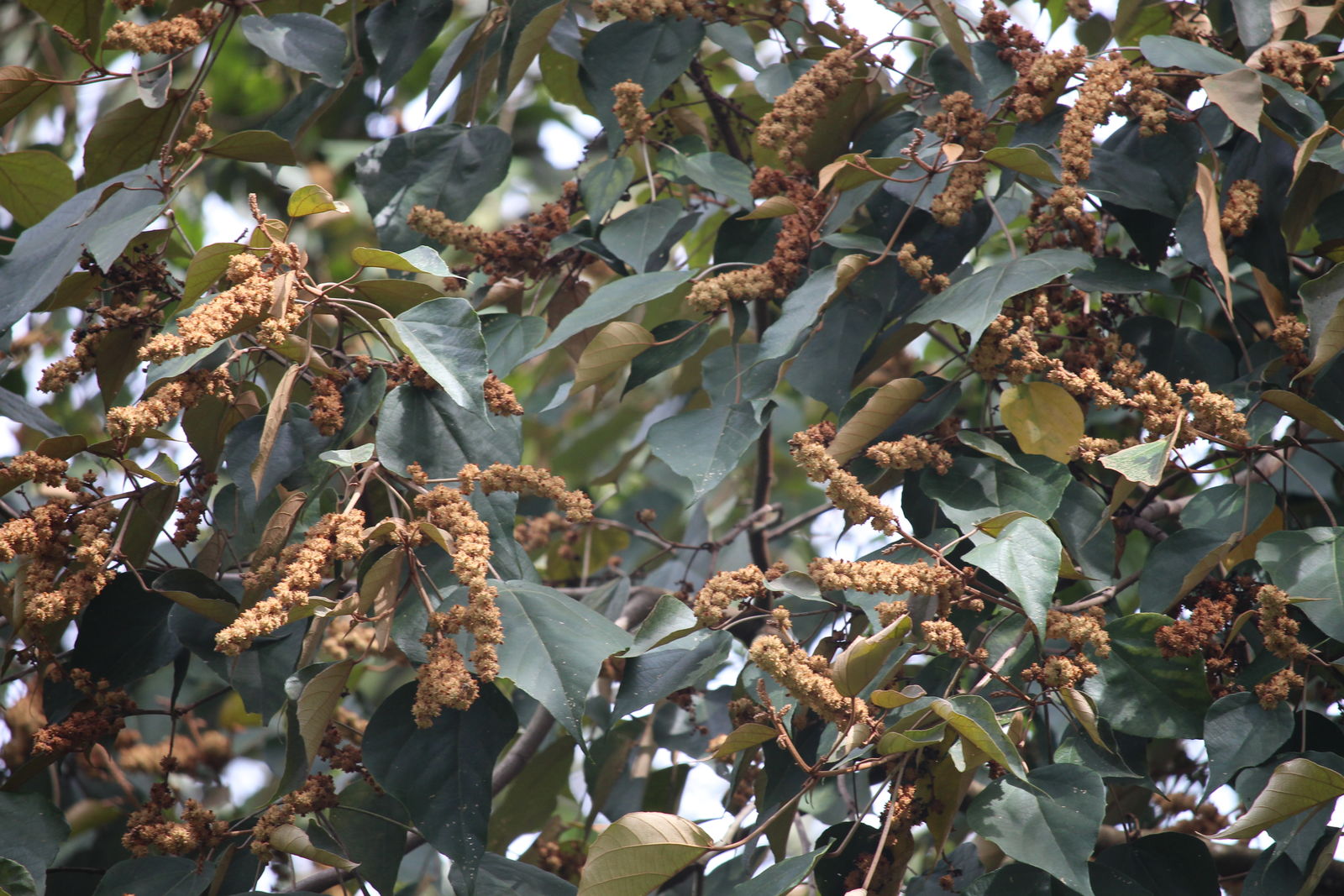
Mallotus tetracoccus
species of plant

Sassafras tzumu
species of plant
Goniothalamus chinensis
species of plant
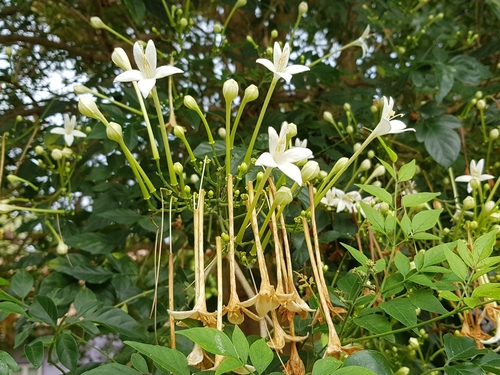
Millingtonia
Millingtonia hortensis, the tree jasmine or Indian cork tree, is the sole species in the genus Millingtonia, a tree native to South Asia and South East Asia.
Paulownia catalpifolia
species of plant
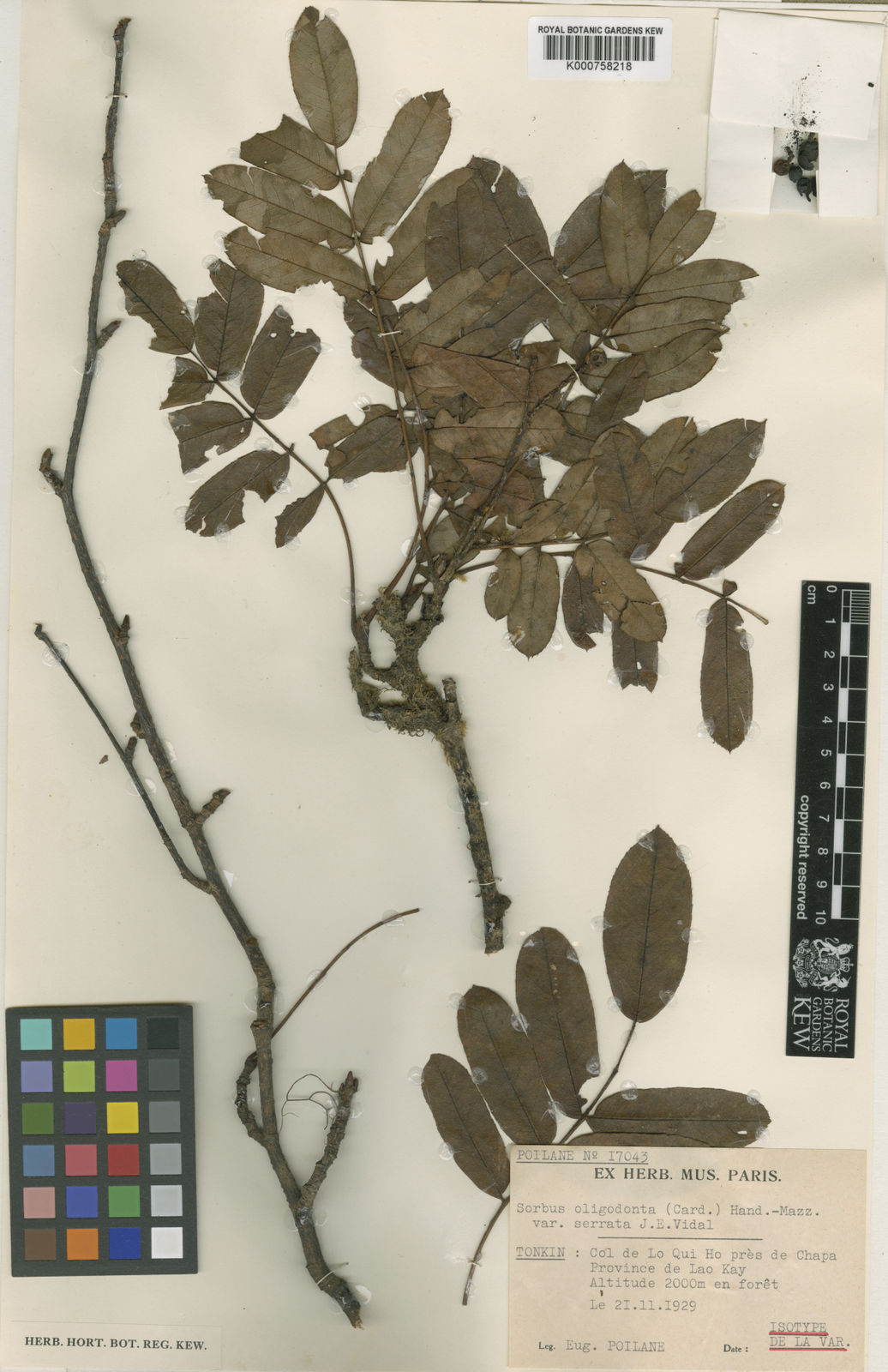
Sorbus oligodonta
species of plant
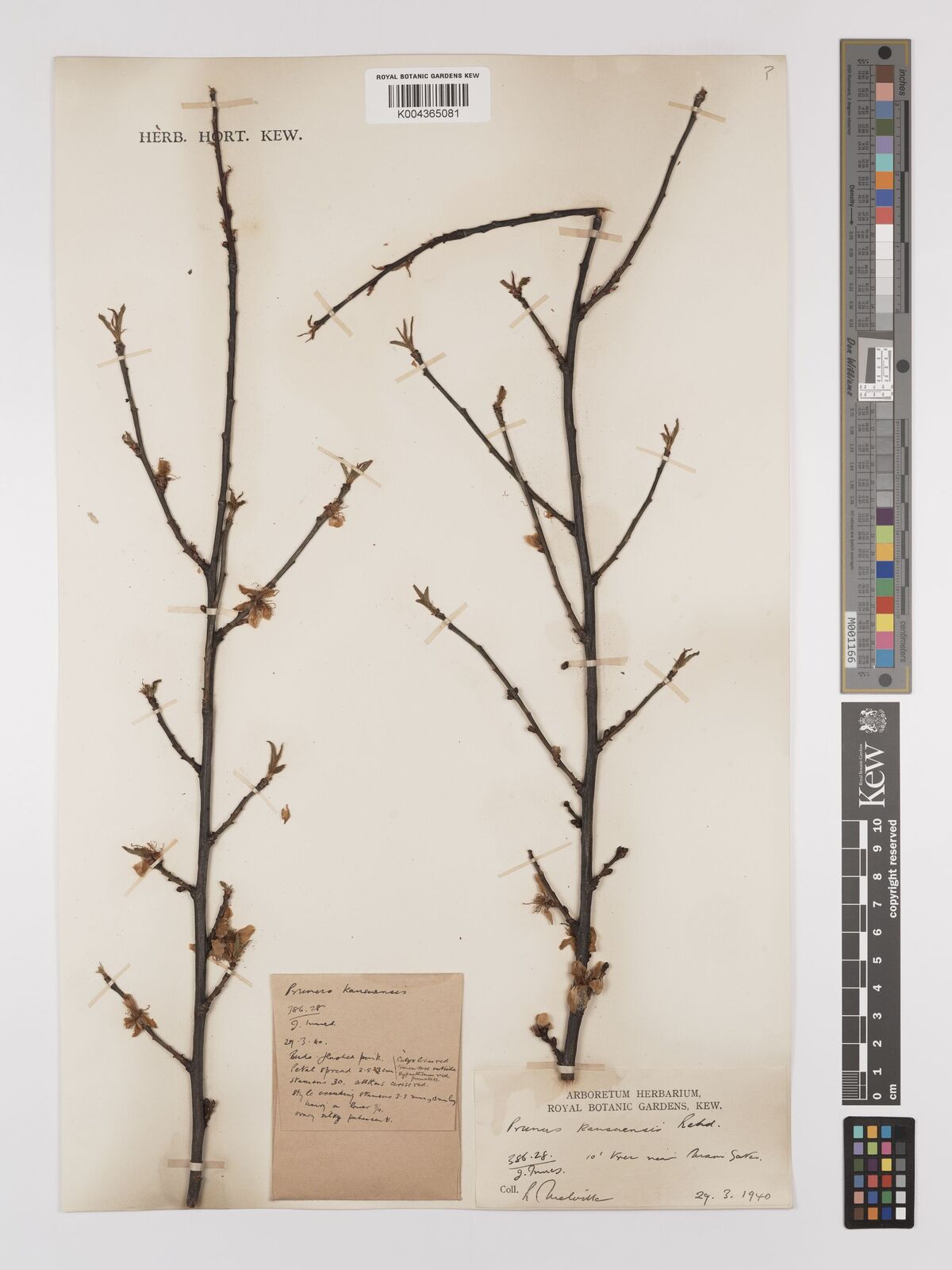
Prunus kansuensis
species of plant
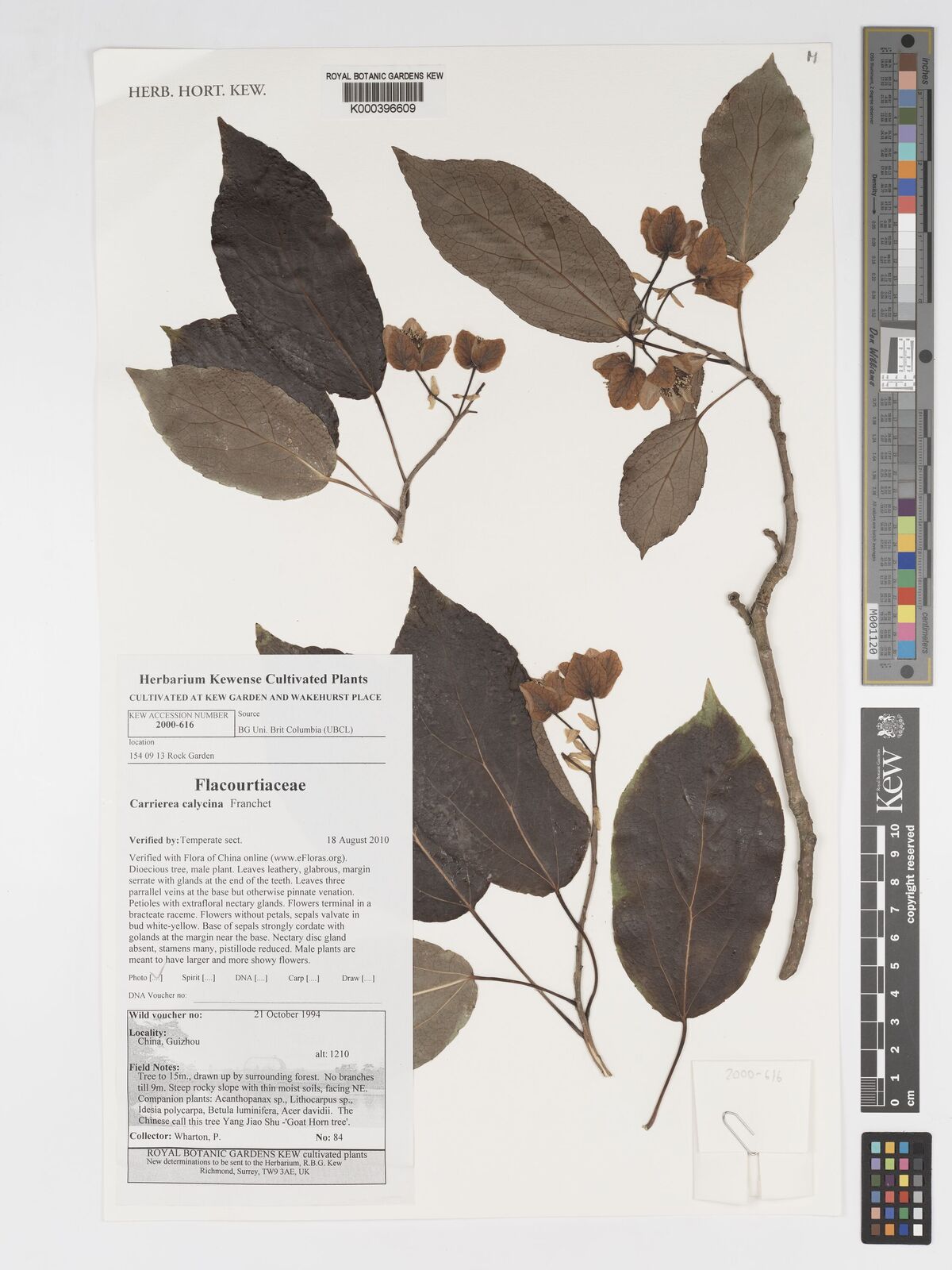
Carrierea calycina
species of plant
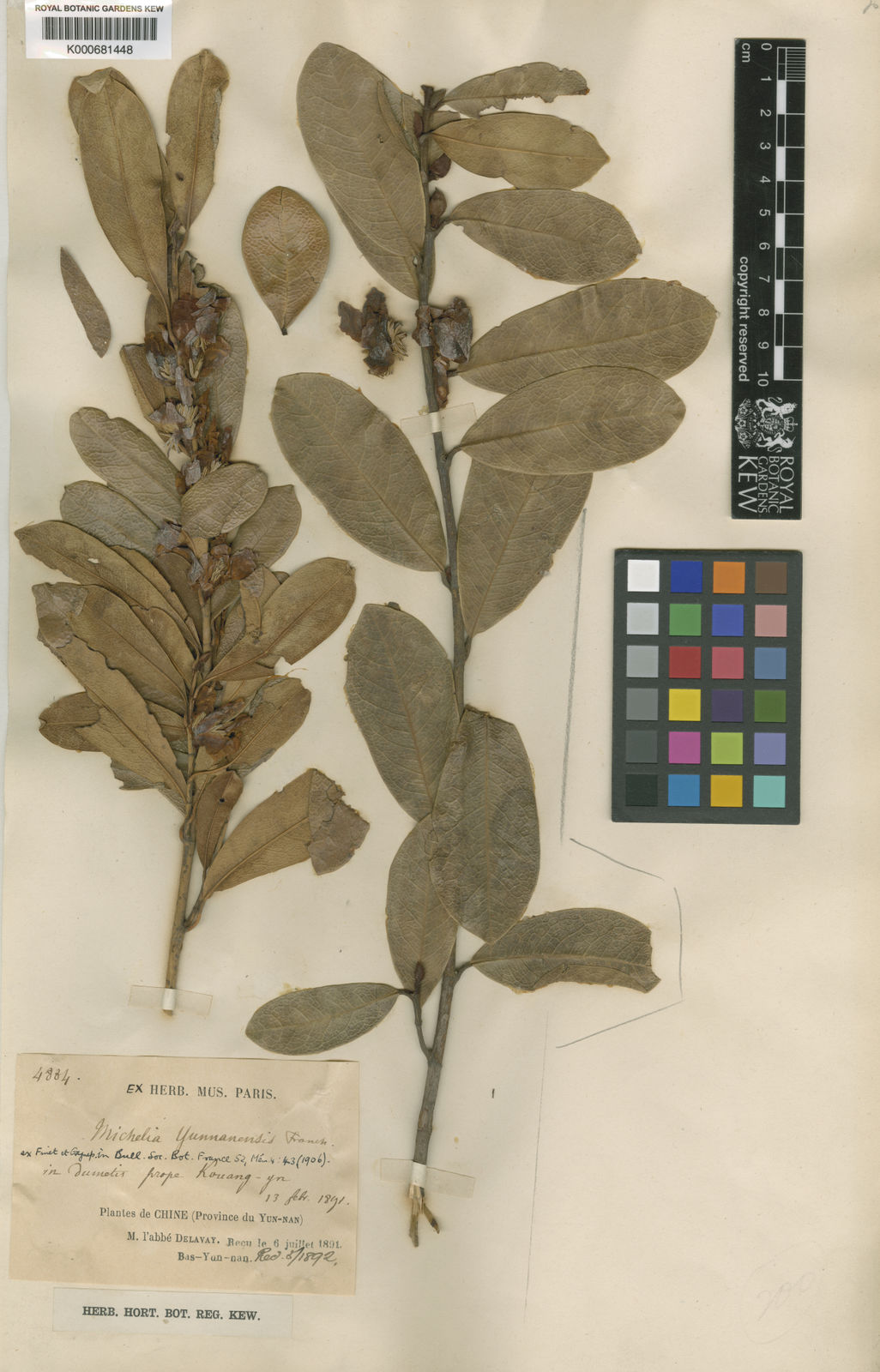
Magnolia ernestii
species of plant

Podocarpus subtropicalis
species of plant
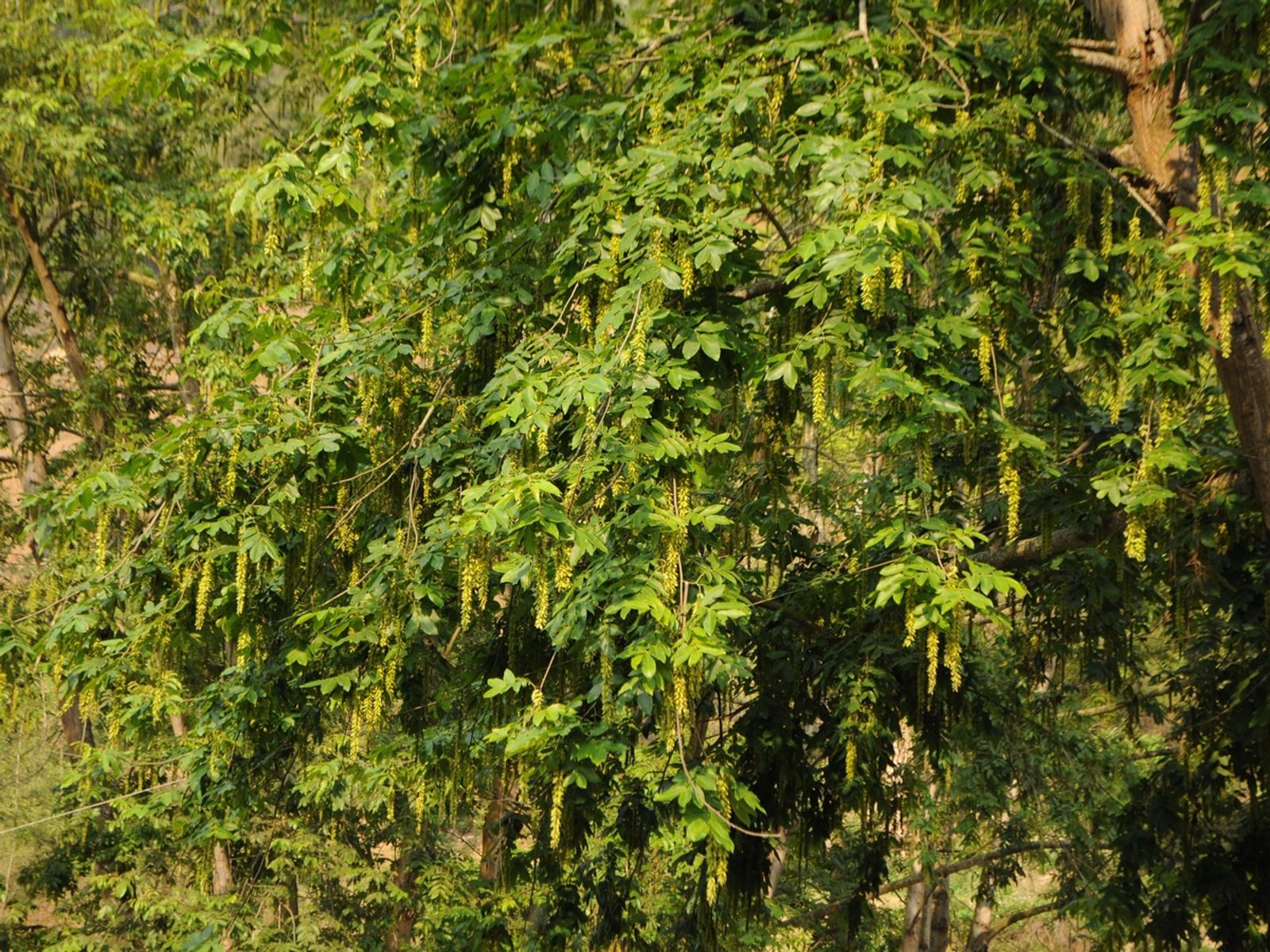
Pterocarya tonkinensis
species of plant
Magnolia xanthantha
species of plant

Ulmus davidiana var. japonica
variety of plants
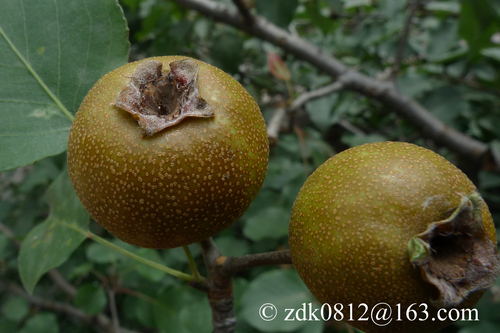
Pyrus xerophila
species of plant
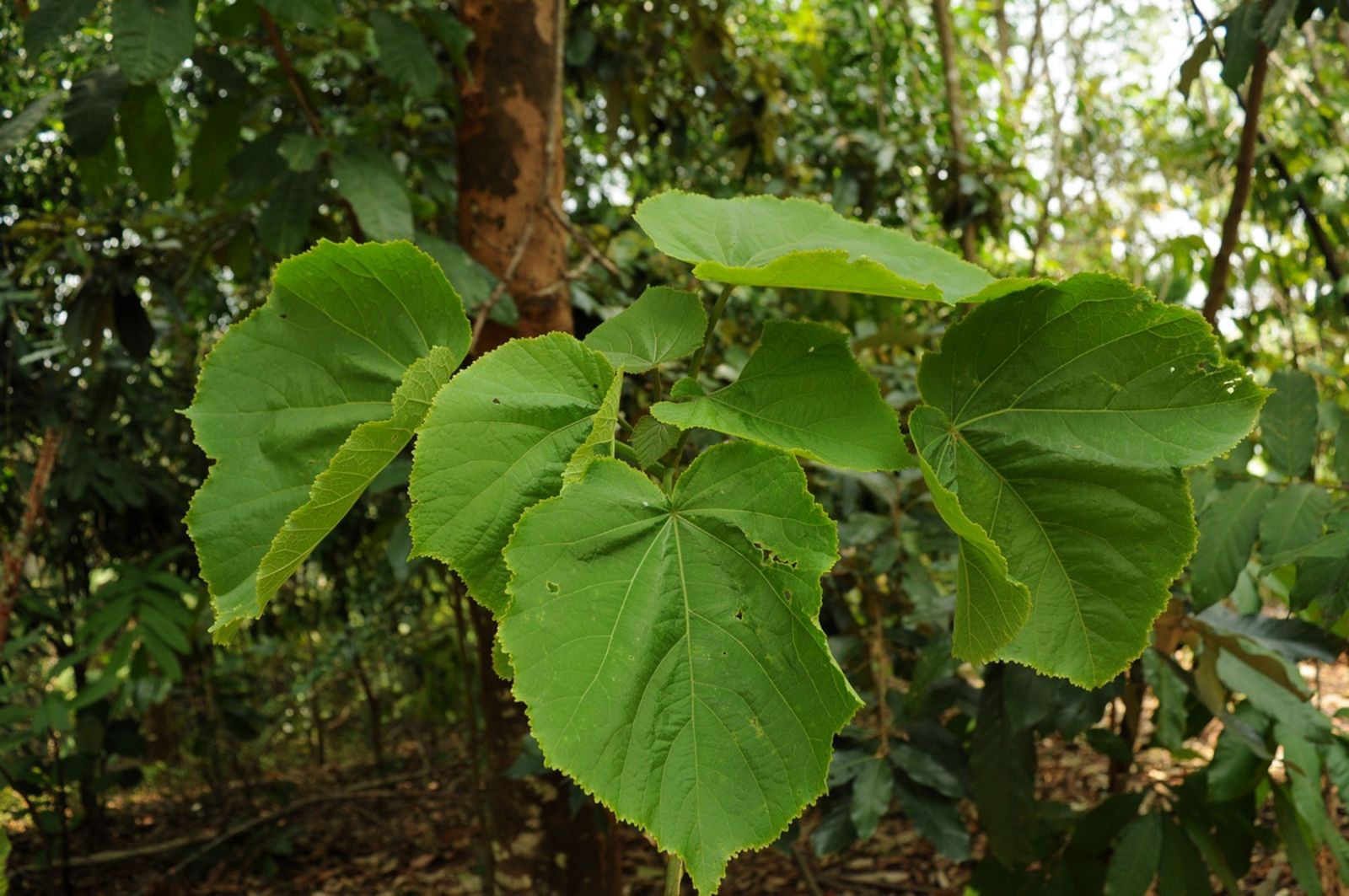
Tetrameles
Tetrameles is a genus of flowering plants in the family Tetramelaceae with one species, Tetrameles nudiflora. It grows as a large deciduous tree and is found across southern Asia from India through southeast Asia, Malesia, and into northern Australia.
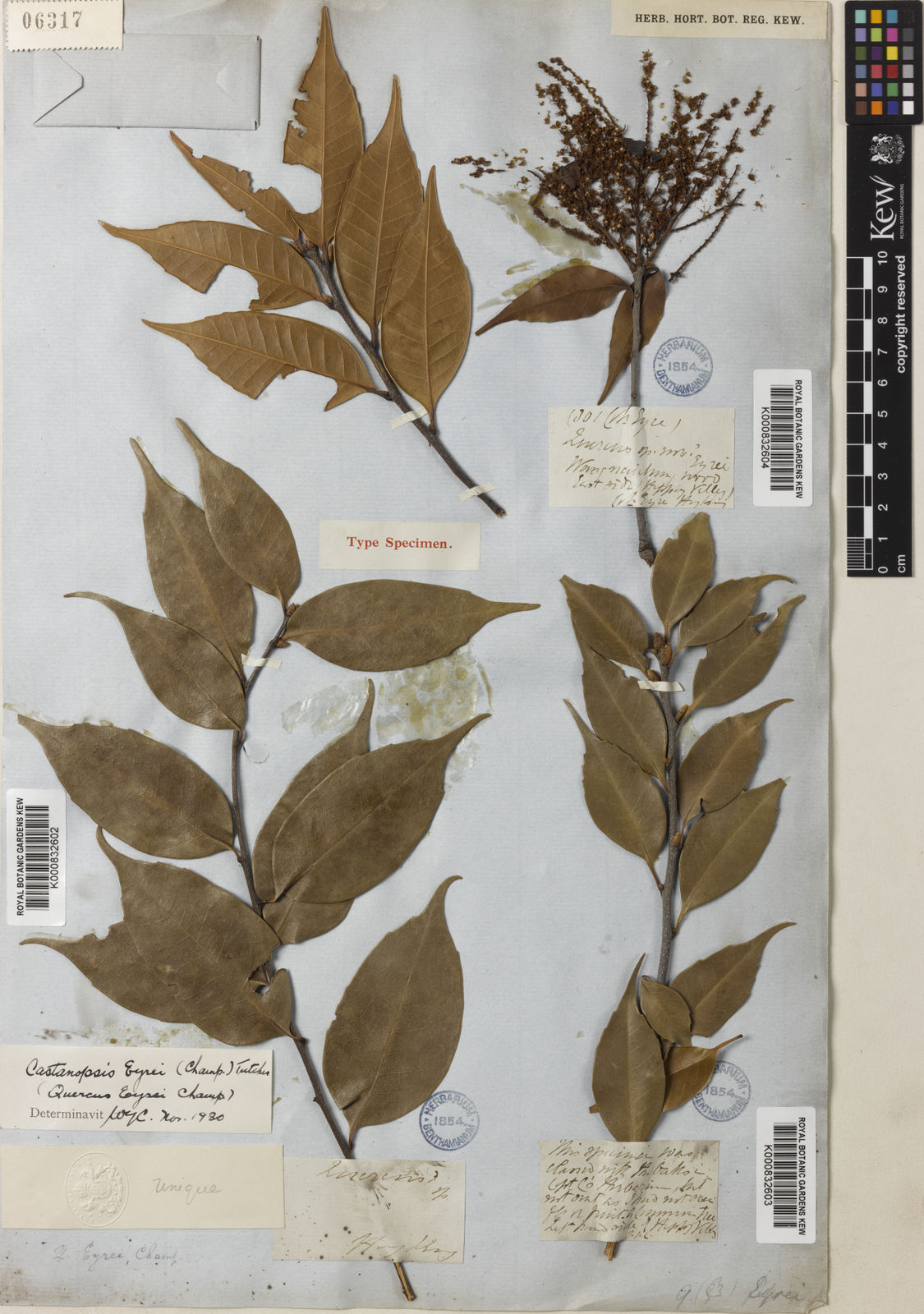
Castanopsis eyrei
species of plant
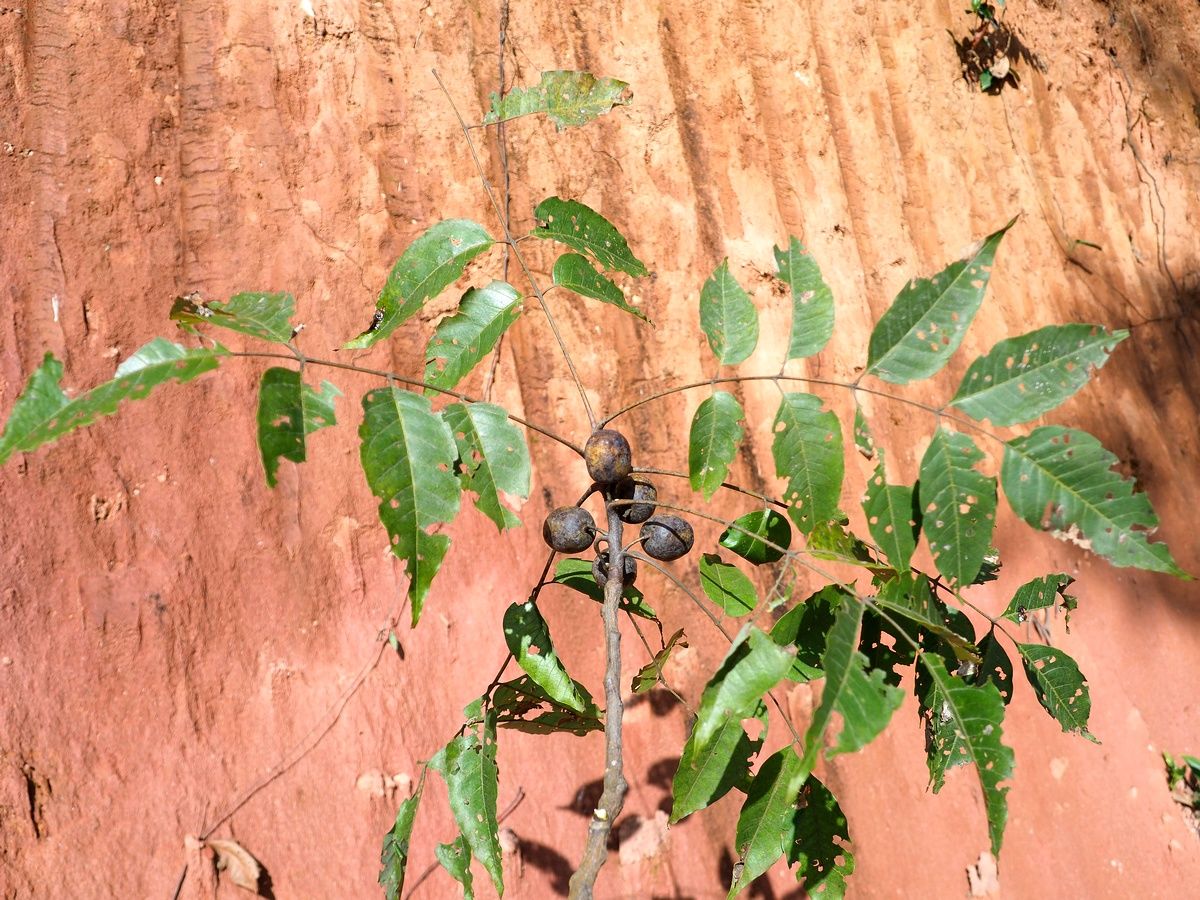
Choerospondias
Choerospondias axillaris, known in English as the Nepali hog plum, is a tree in the family Anacardiaceae. It is the sole species in genus Choerospondias. It is native to the Himalayas, Indochina, southern and north-central China, Taiwan, and Japan. It is a common fruit in Nepal and Bhutan, which is called lapsi (लप्सी) in Nepali, aamli in Newar, and phrumchung in eastern Bhutan.
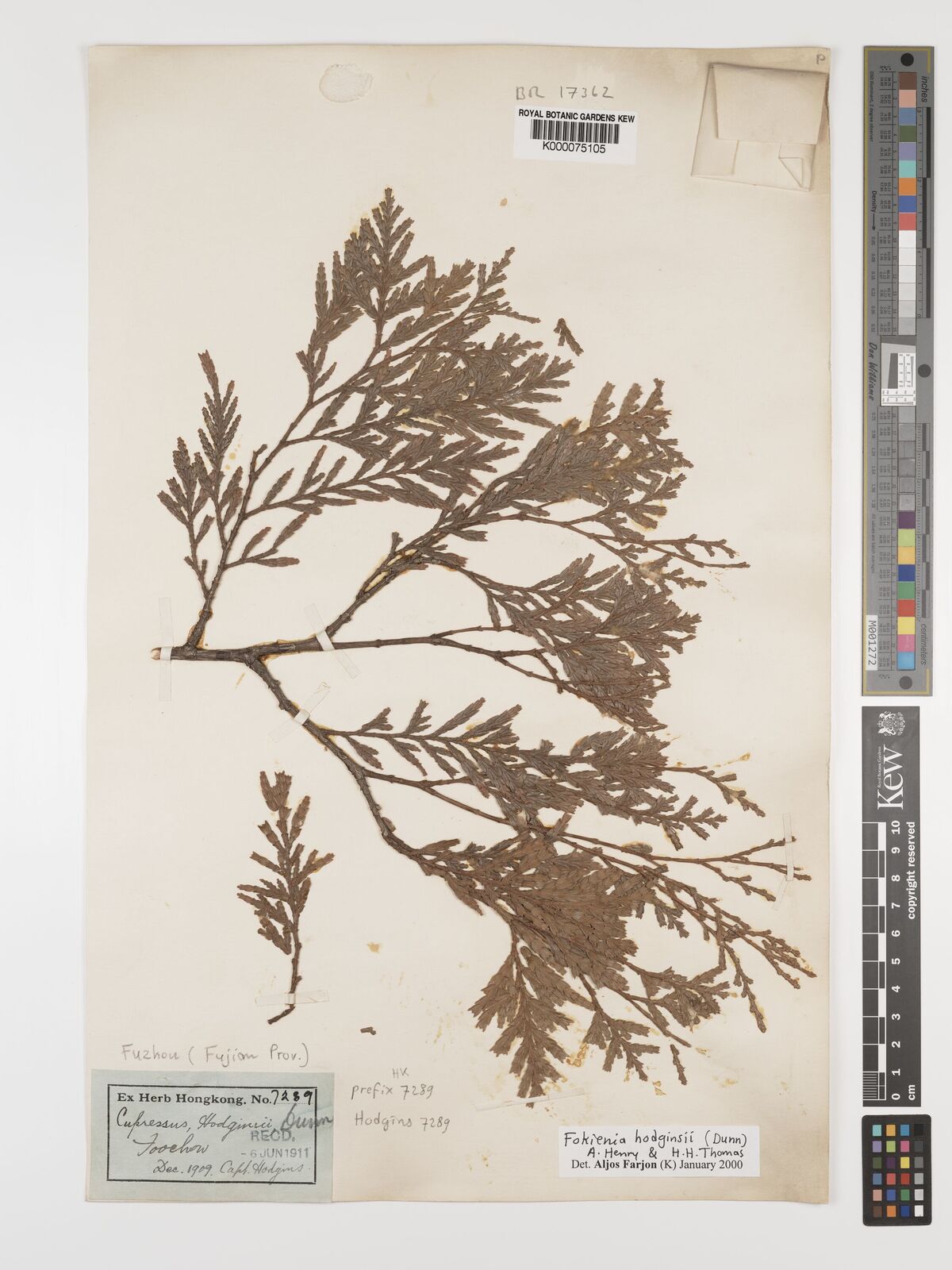
Fokienia
Fokienia is a genus of conifer tree belonging to the cypress family. In its characteristics, Fokienia is intermediate between the genera of Chamaecyparis and Calocedrus. Genetically Fokienia is much closer to Chamaecyparis, and not all researchers recognize Fokienia as a separate genus. The genus comprises only one living species, Fokienia hodginsii or Fujian cypress (; ), and one fossil species (Fokienia ravenscragensis).
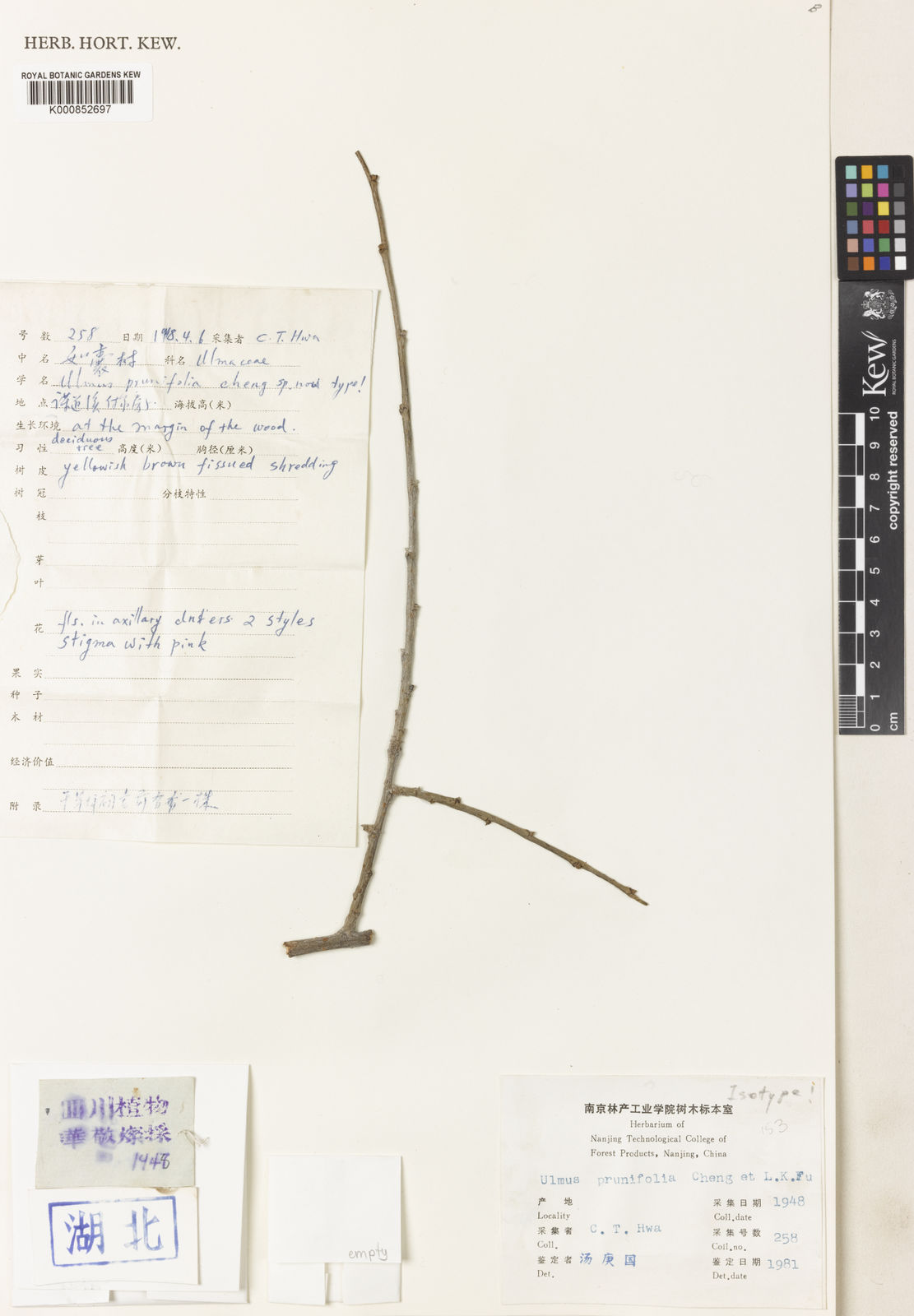
Ulmus prunifolia
species of plant

Crataegus kansuensis
species of plant
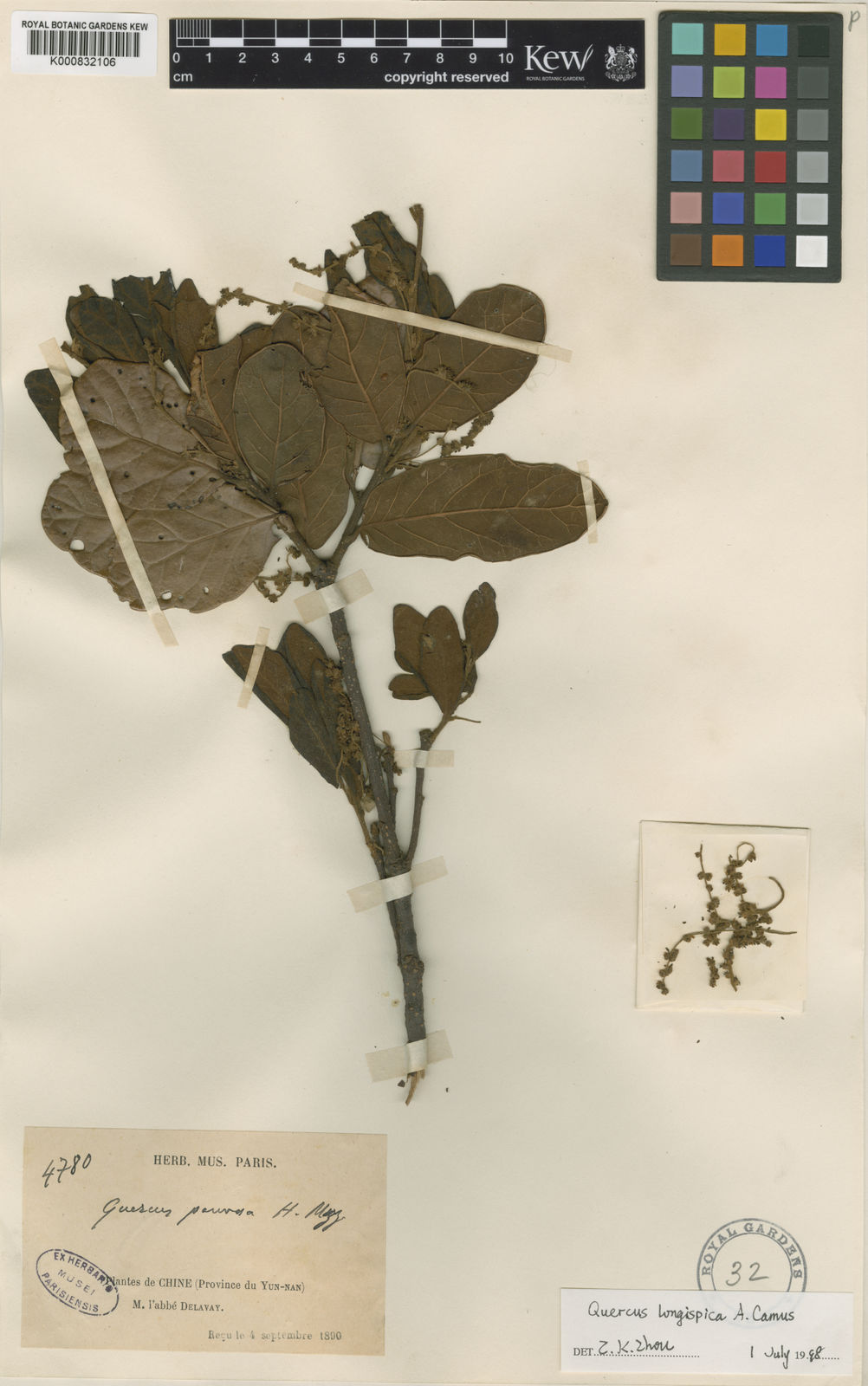
Quercus pannosa
species of plant
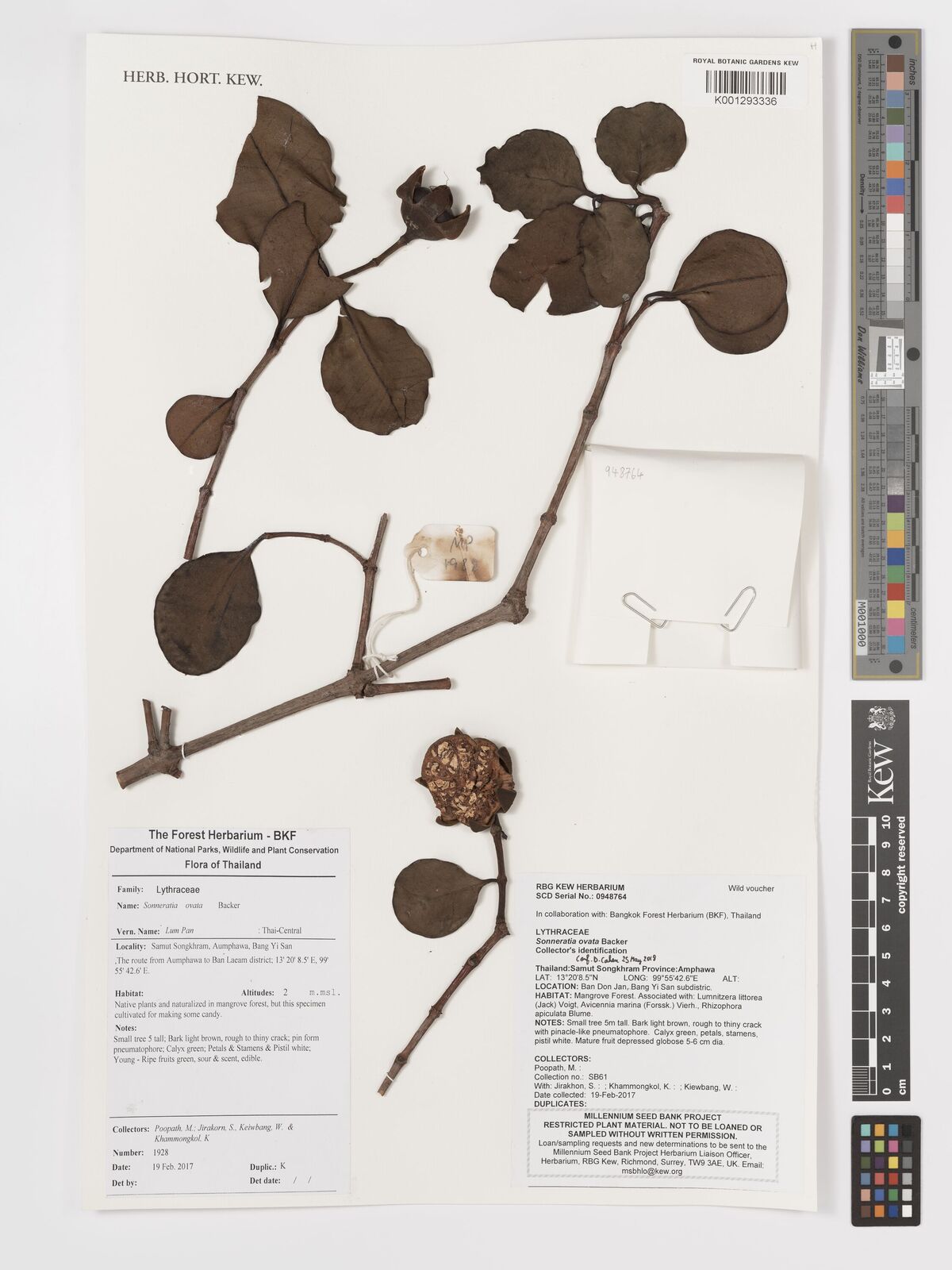
Sonneratia ovata
species of plant
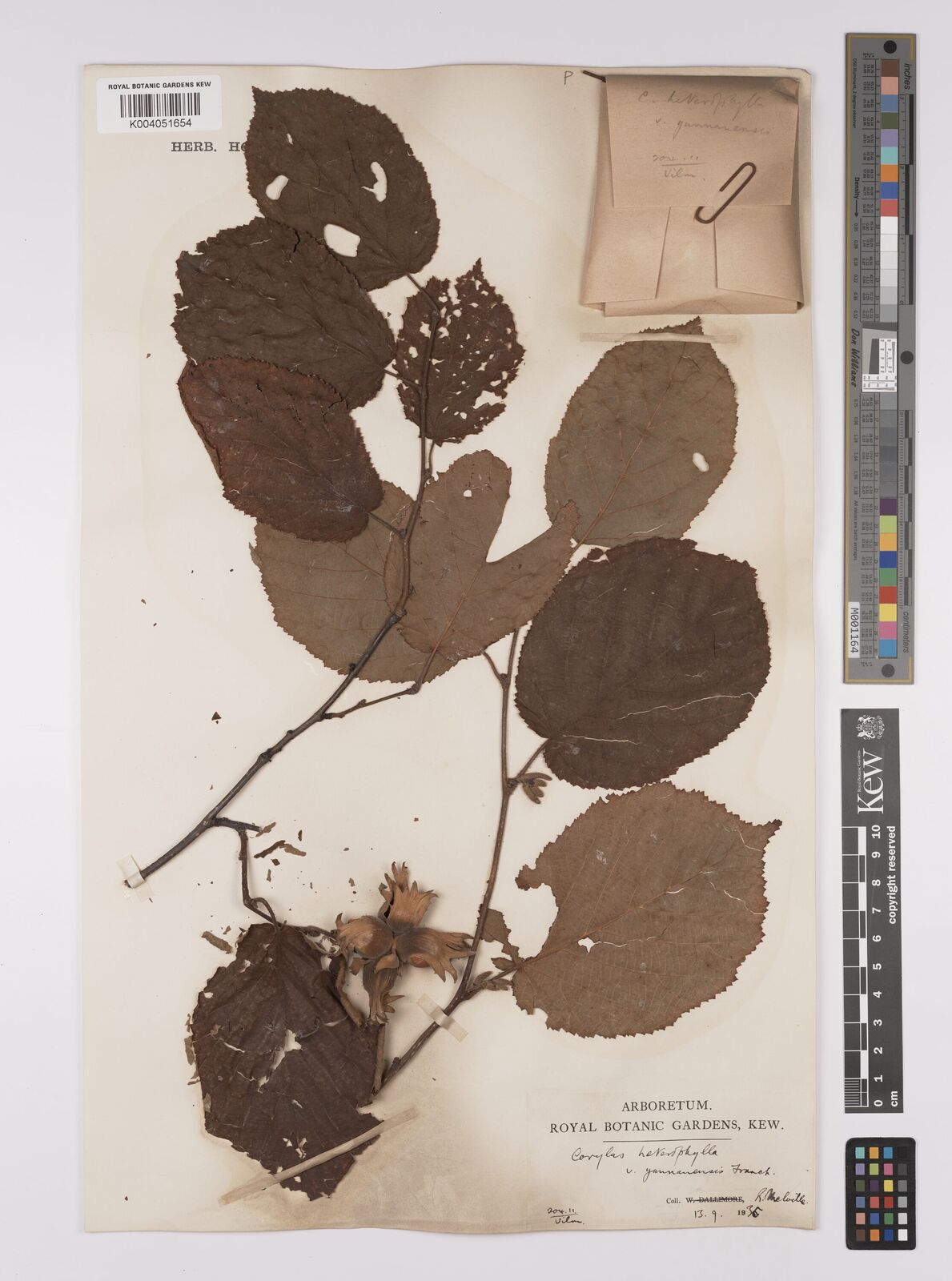
Corylus yunnanensis
species of plant
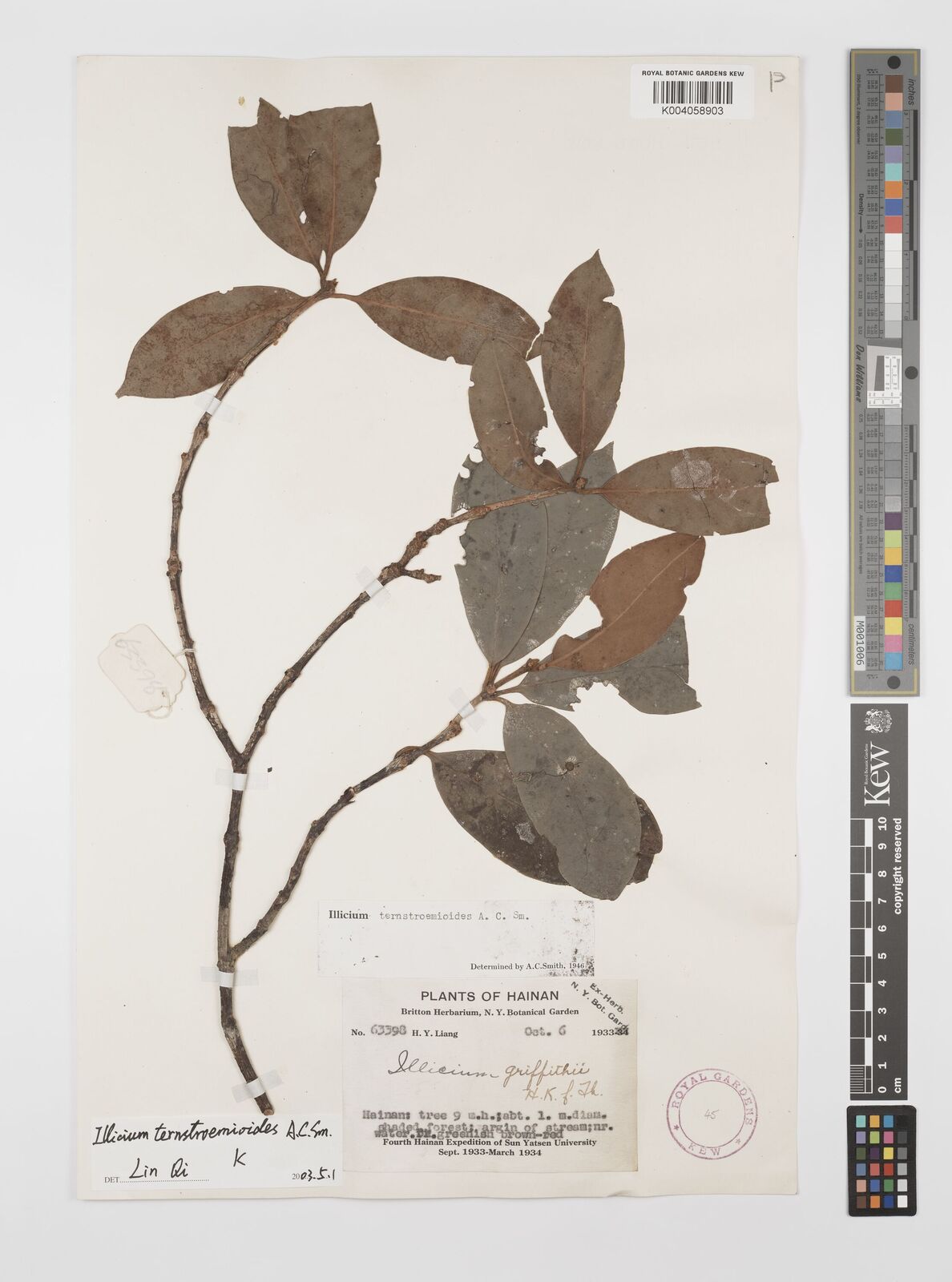
Illicium ternstroemioides
species of plant
Acer leptophyllum
species of plant
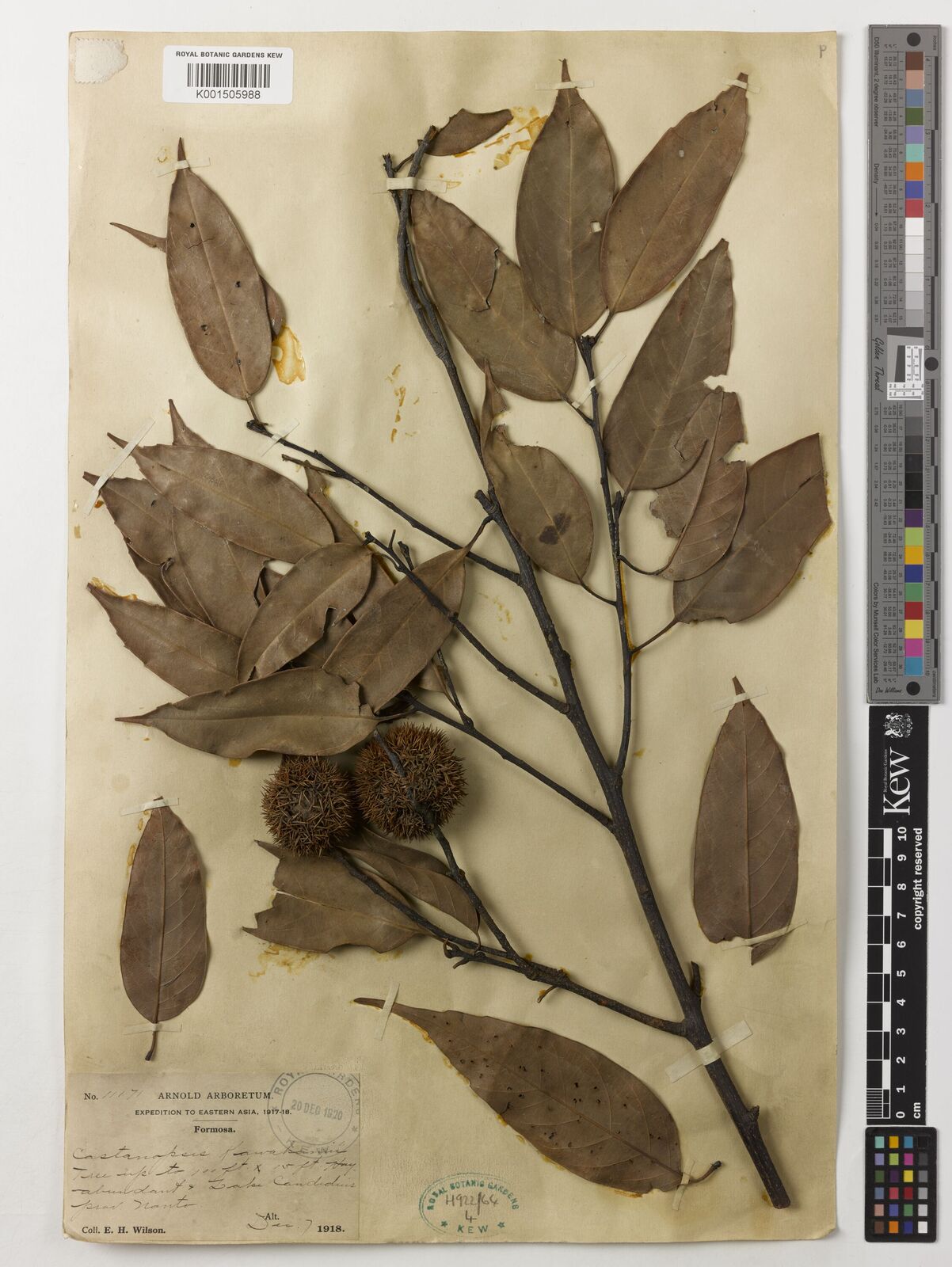
Castanopsis kawakamii
species of plant
Gynocardia
Gynocardia is a genus of dioecious evergreen tree belonging to the Achariaceae family, containing the sole species Gynocardia odorata. The trees grow up to 30 m tall. The species is found in moist forests of mountain valleys in South Asia - India, South-east Tibet and Yunnan in China, Bangladesh, Nepal, Bhutan and Myanmar.
thumb|left|160px|An illustration of the leaves and fruit from Roxburgh's Plants of the coast of Coromandel

Morus notabilis
species of plant
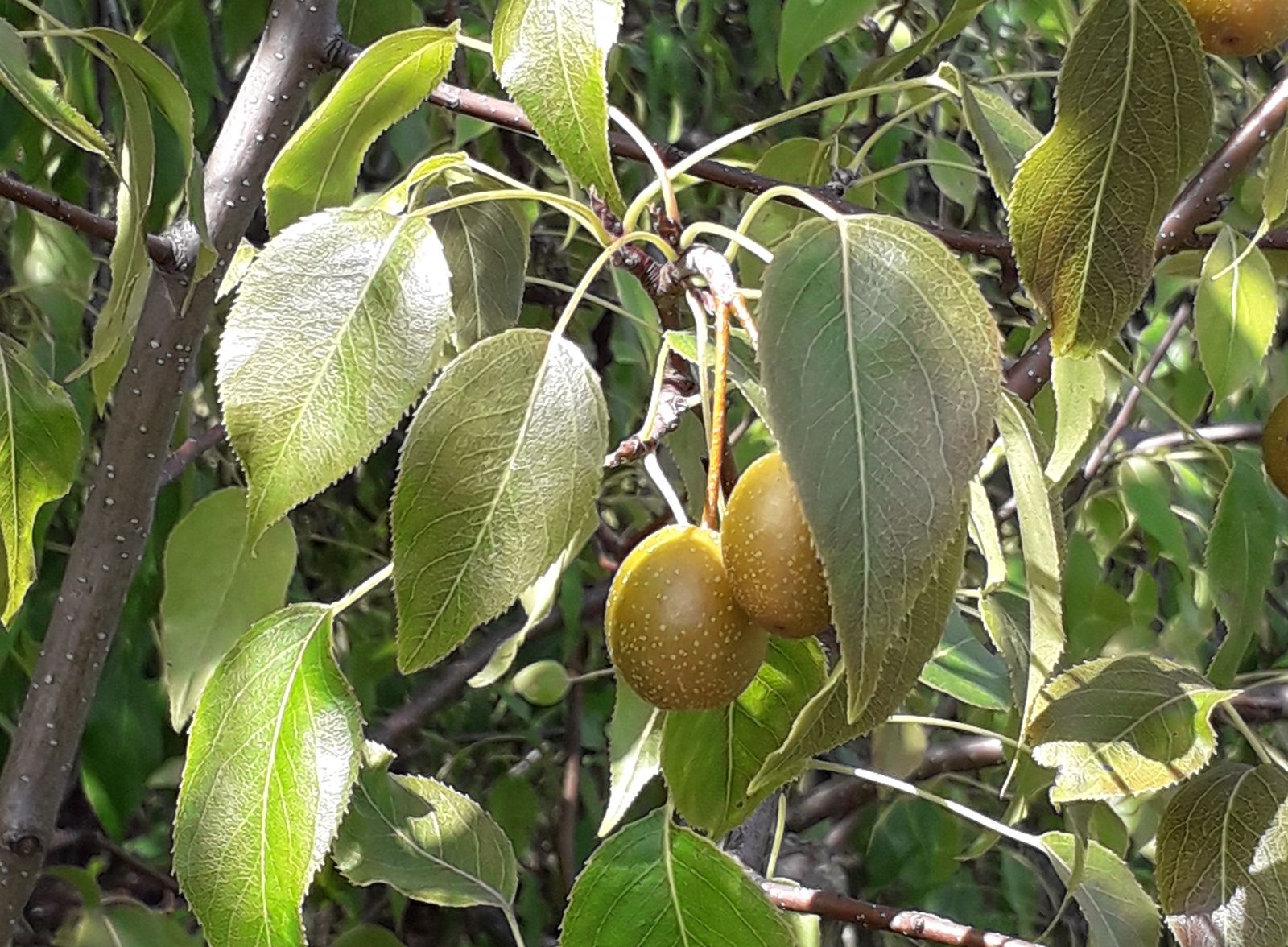
Pyrus phaeocarpa
species of plant
Magnolia macclurei
species of plant
Quercus yonganensis
species of plant

Phoebe bournei
species of plant
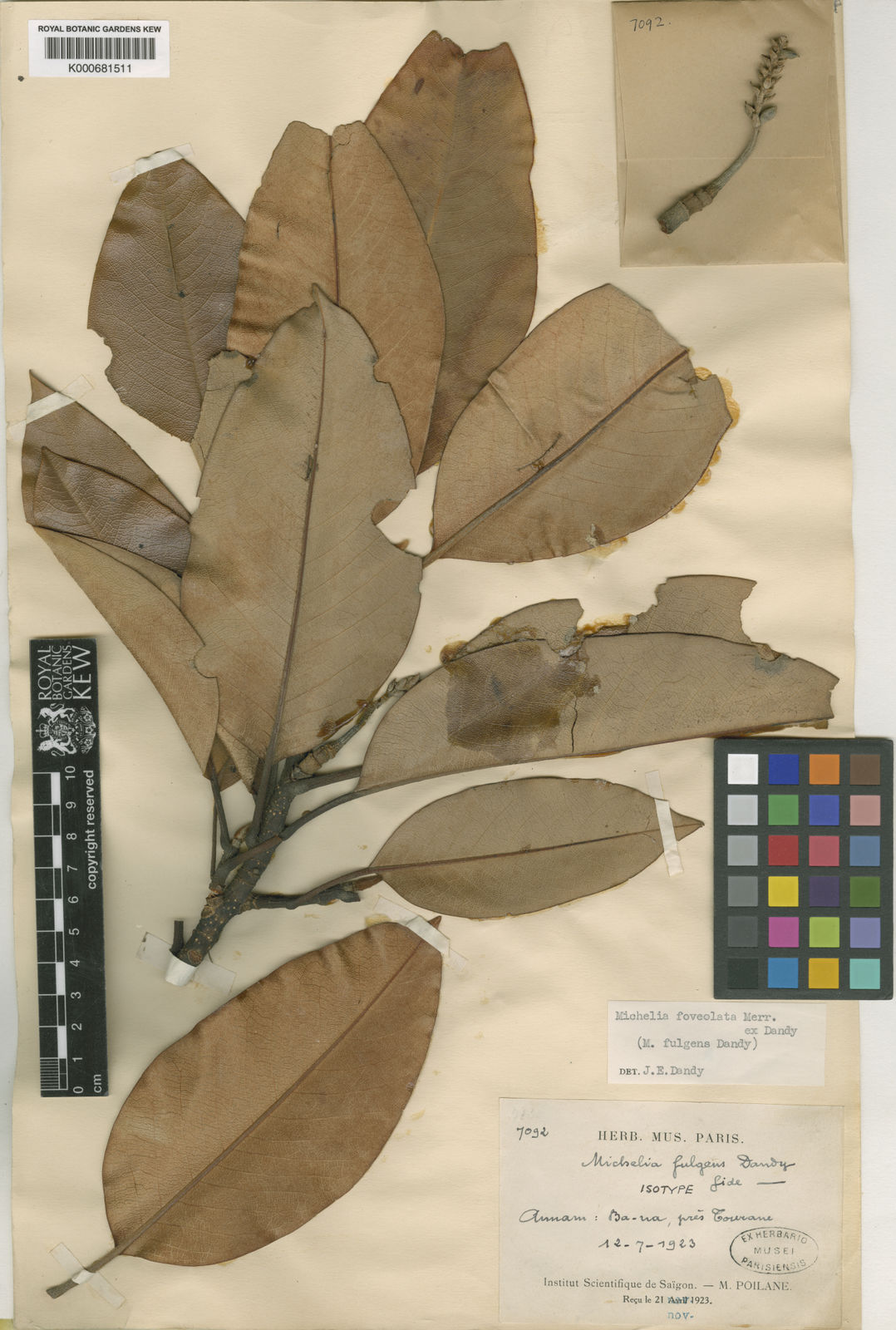
Magnolia foveolata
species of plant
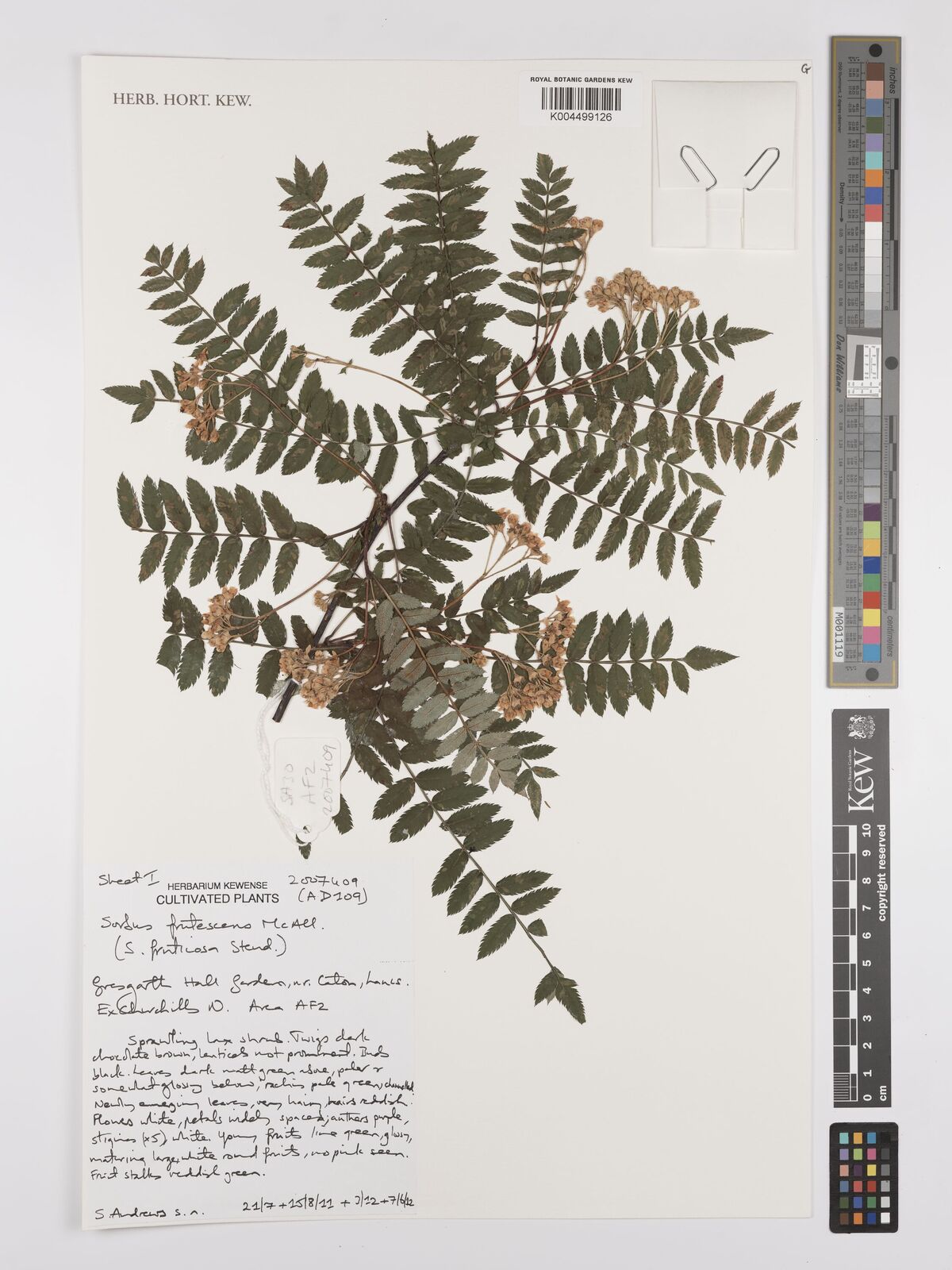
Sorbus frutescens
species of plant

Carya kweichowensis
species of plant
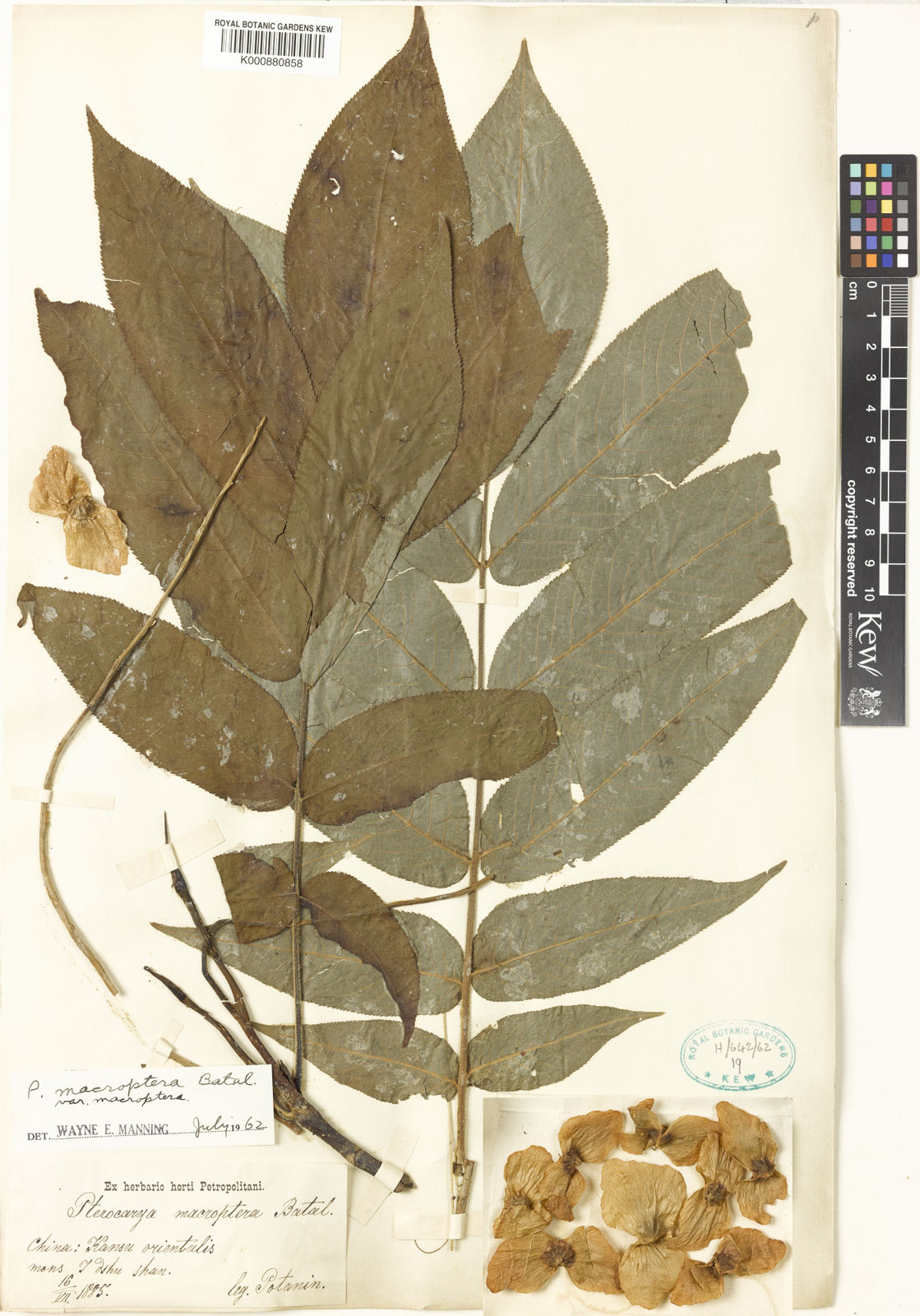
Pterocarya macroptera
species of plant
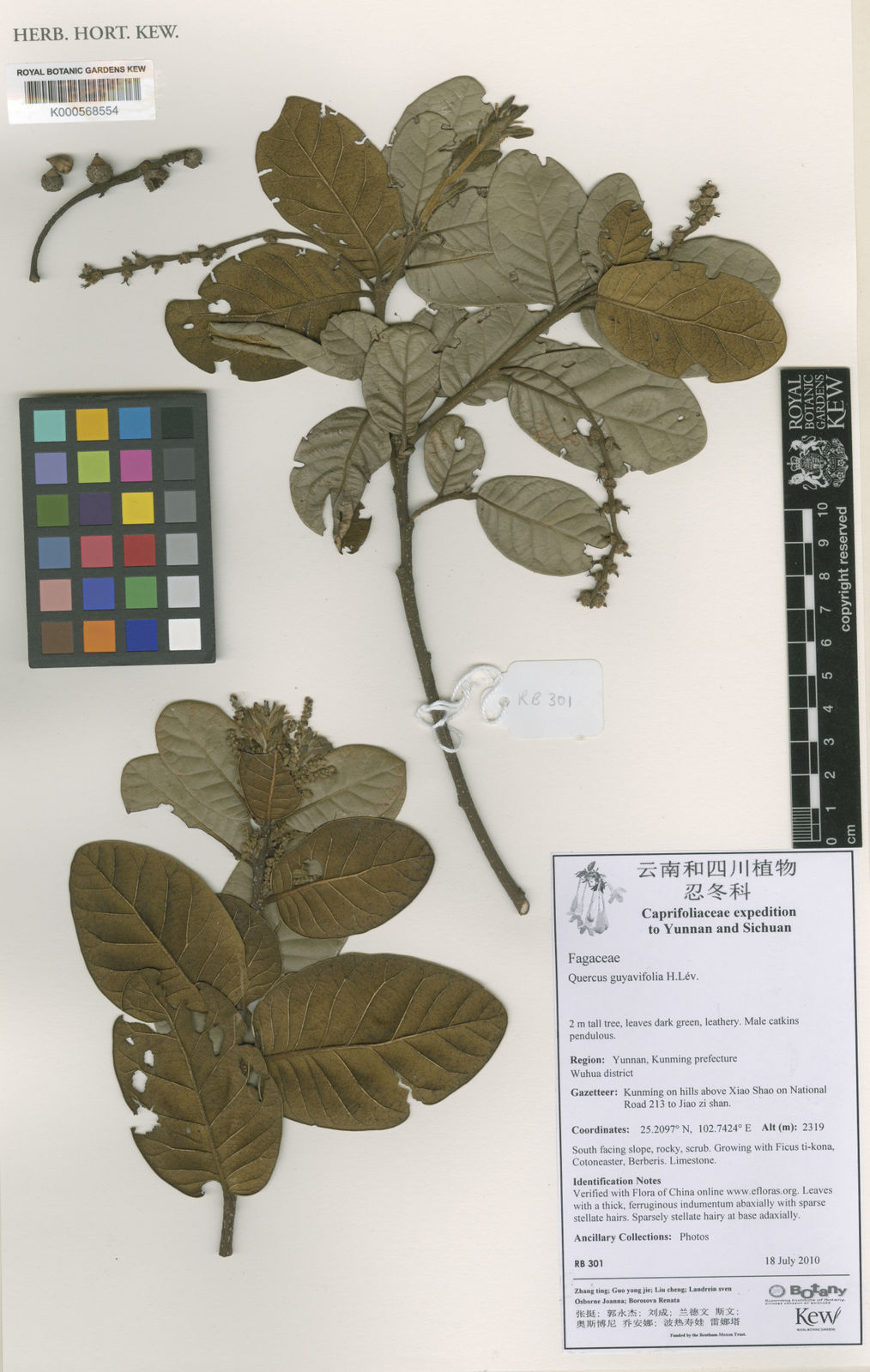
Quercus guyavifolia
species of plant
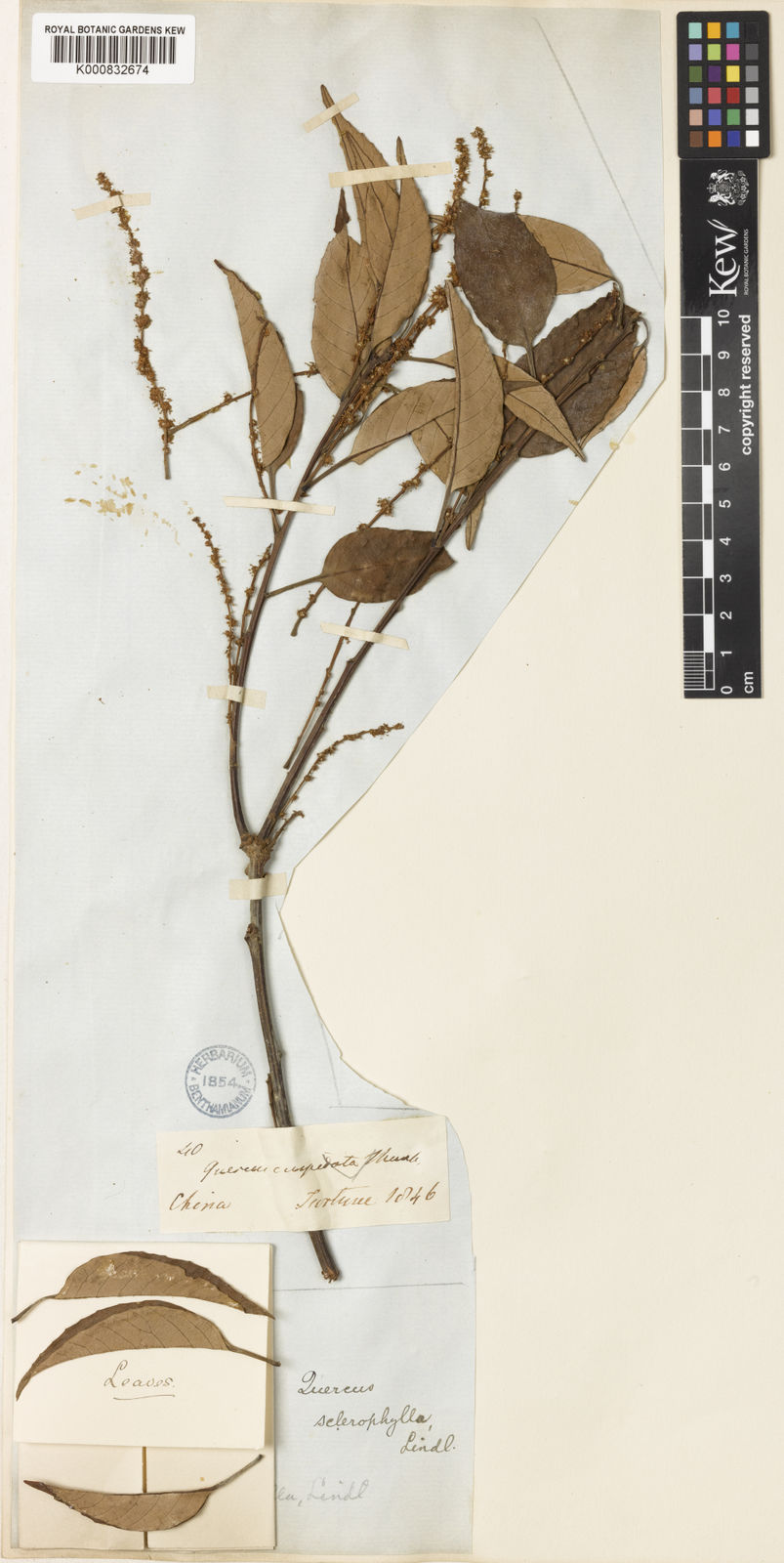
Castanopsis sclerophylla
species of plant
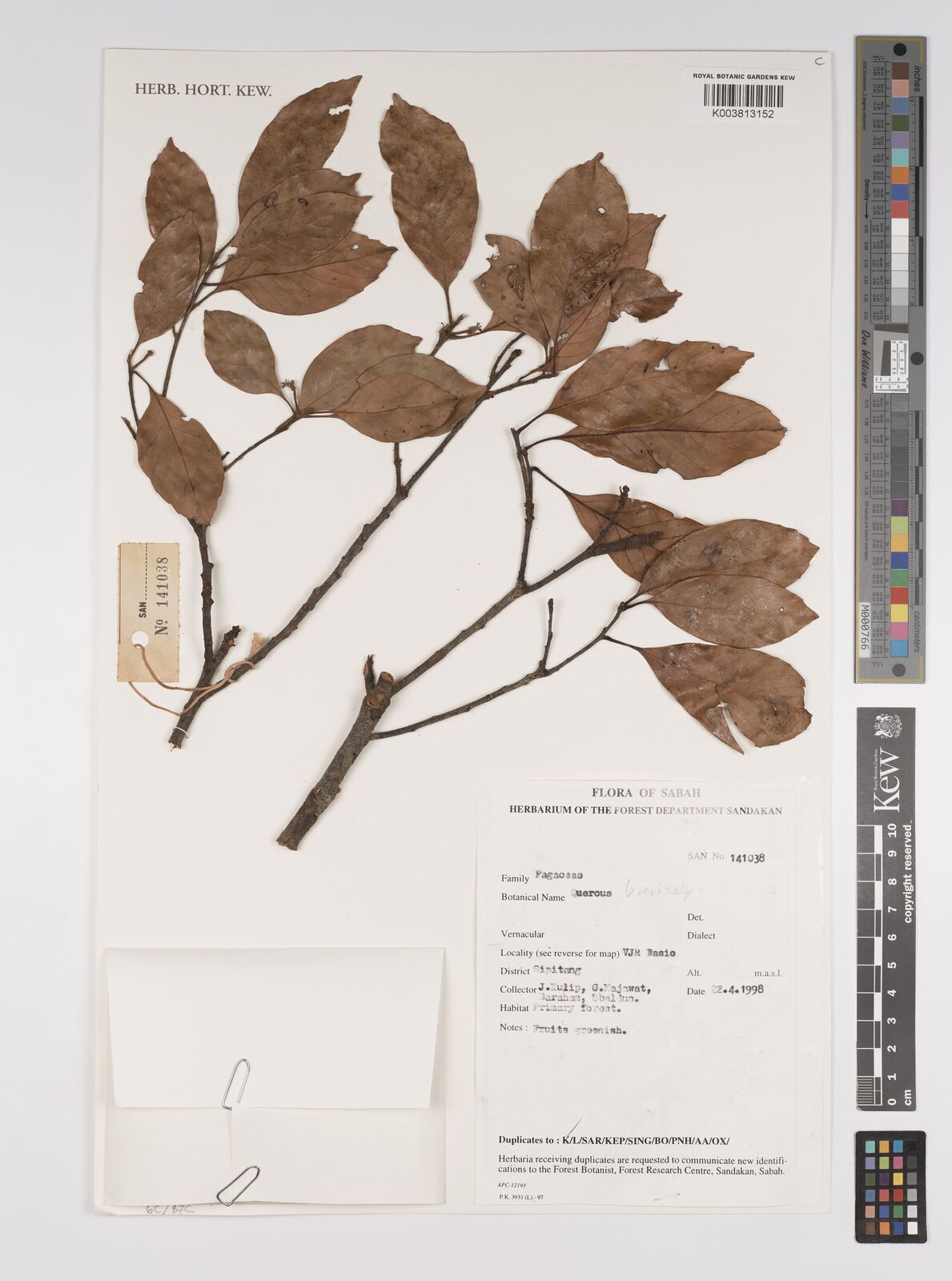
Quercus brevicalyx
species of plant
China 3 lychee
variety of lychee fruit
Phoebe formosana
species of plant

Cornus wilsoniana
species of plant
Quercus asymmetrica
species of plant
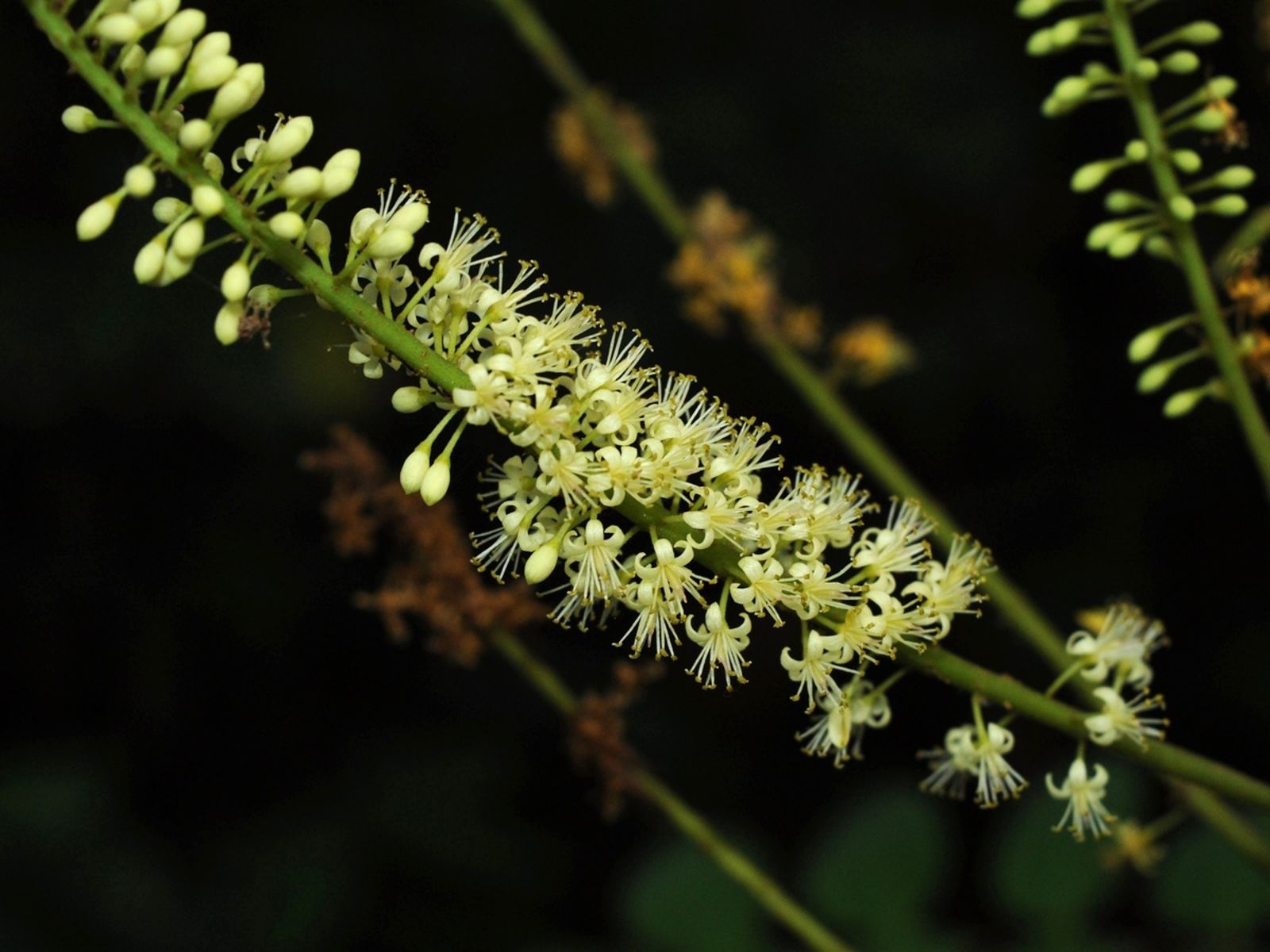
Adenanthera microsperma
species of plant
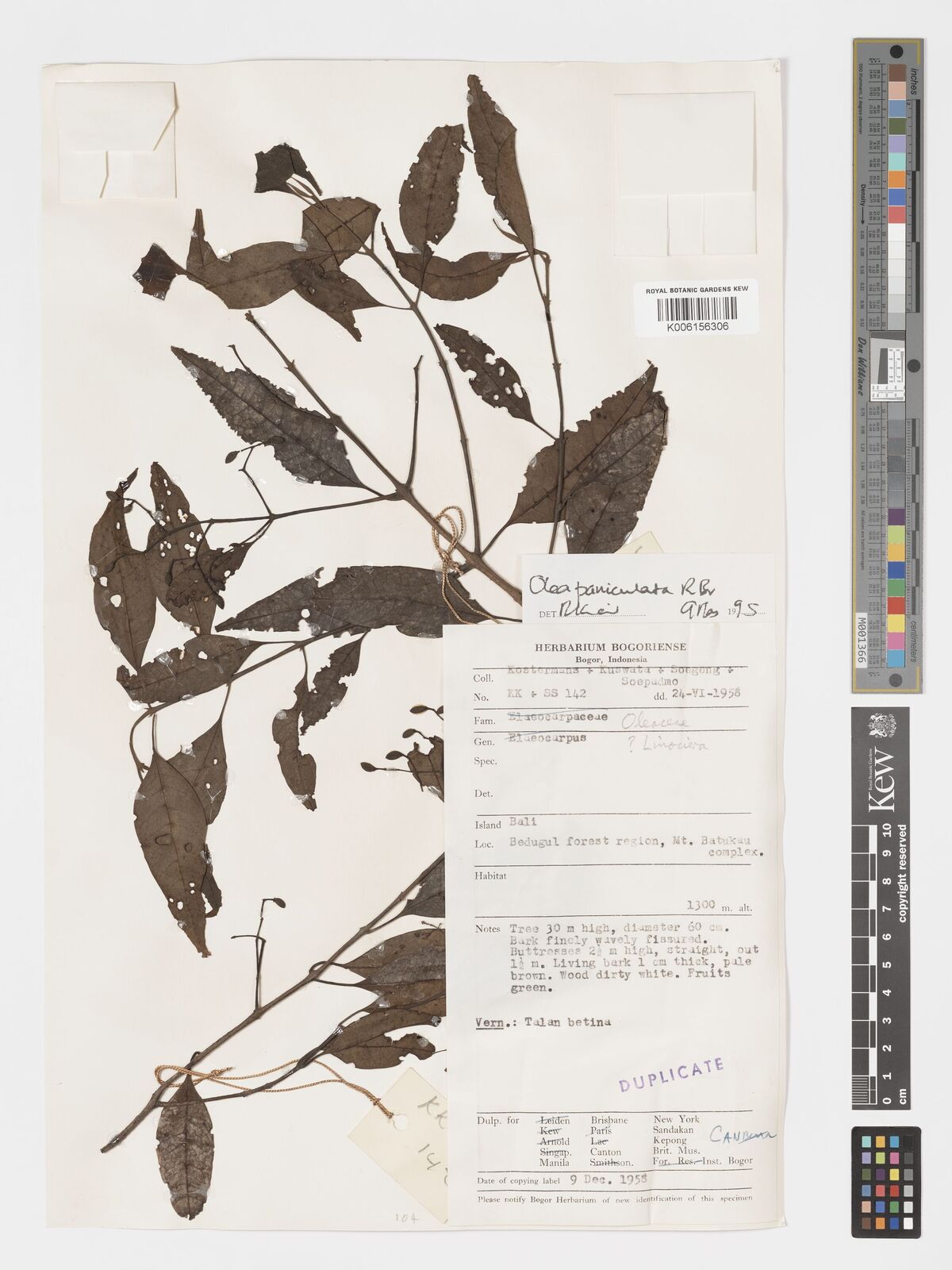
Olea paniculata
Plant Genius Olea species paniculata
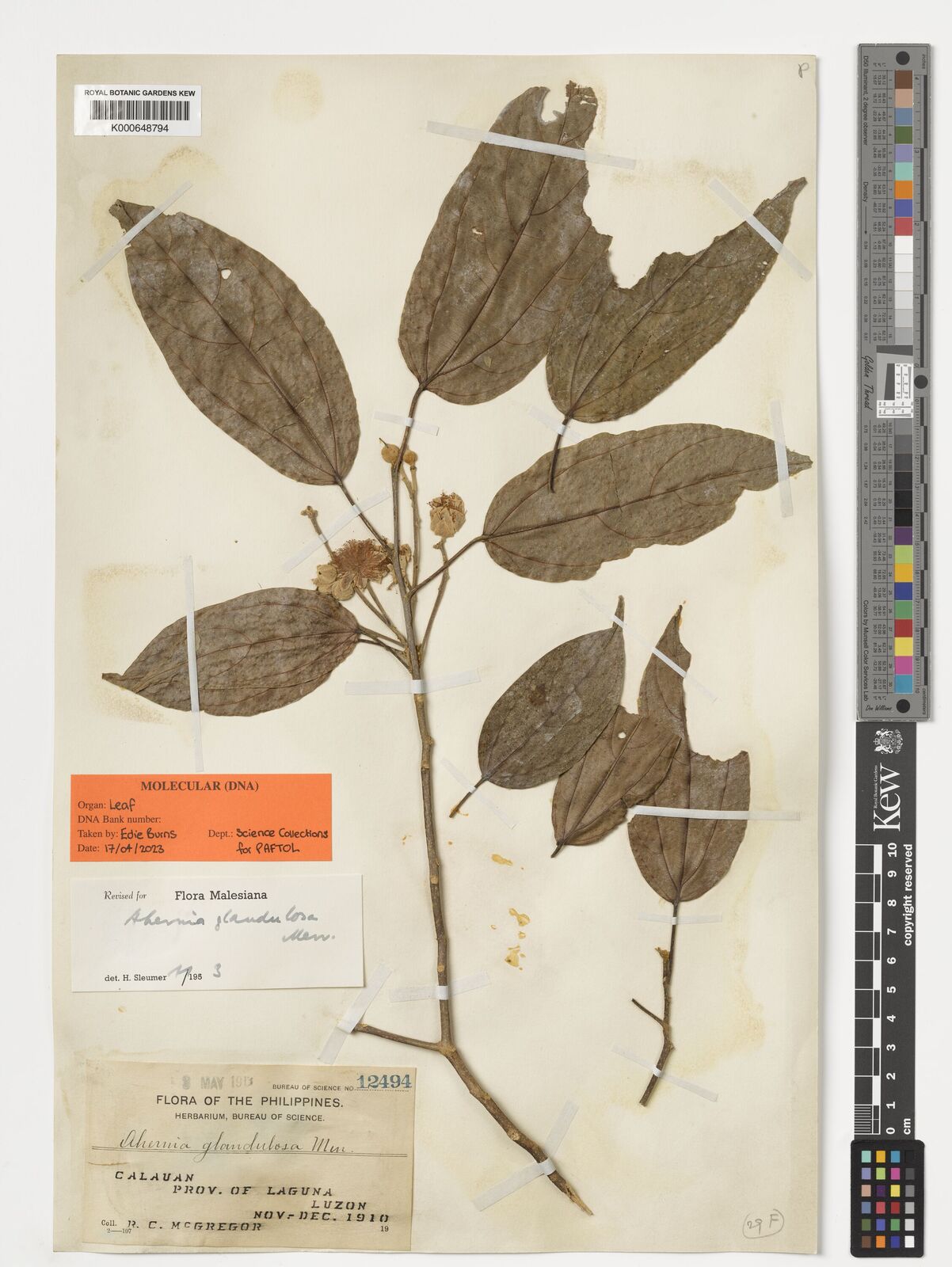
Ahernia
Ahernia is a genus of a single species, Ahernia glandulosa, a tree in the family Achariaceae, native to Hainan and Luzon island of the Philippines. Previously it was treated in the family Flacourtiaceae before being placed in Achariaceae. Ahernia is closely related to the American genera Hasseltia, Macrothumia, and Pleuranthodendron, but differs in its axillary racemes and more numerous (10–15) petals. Ahernia glandulosa is found in low elevation primary forests and is known in the Tagalog language as butun or sanglai. It grows tall.
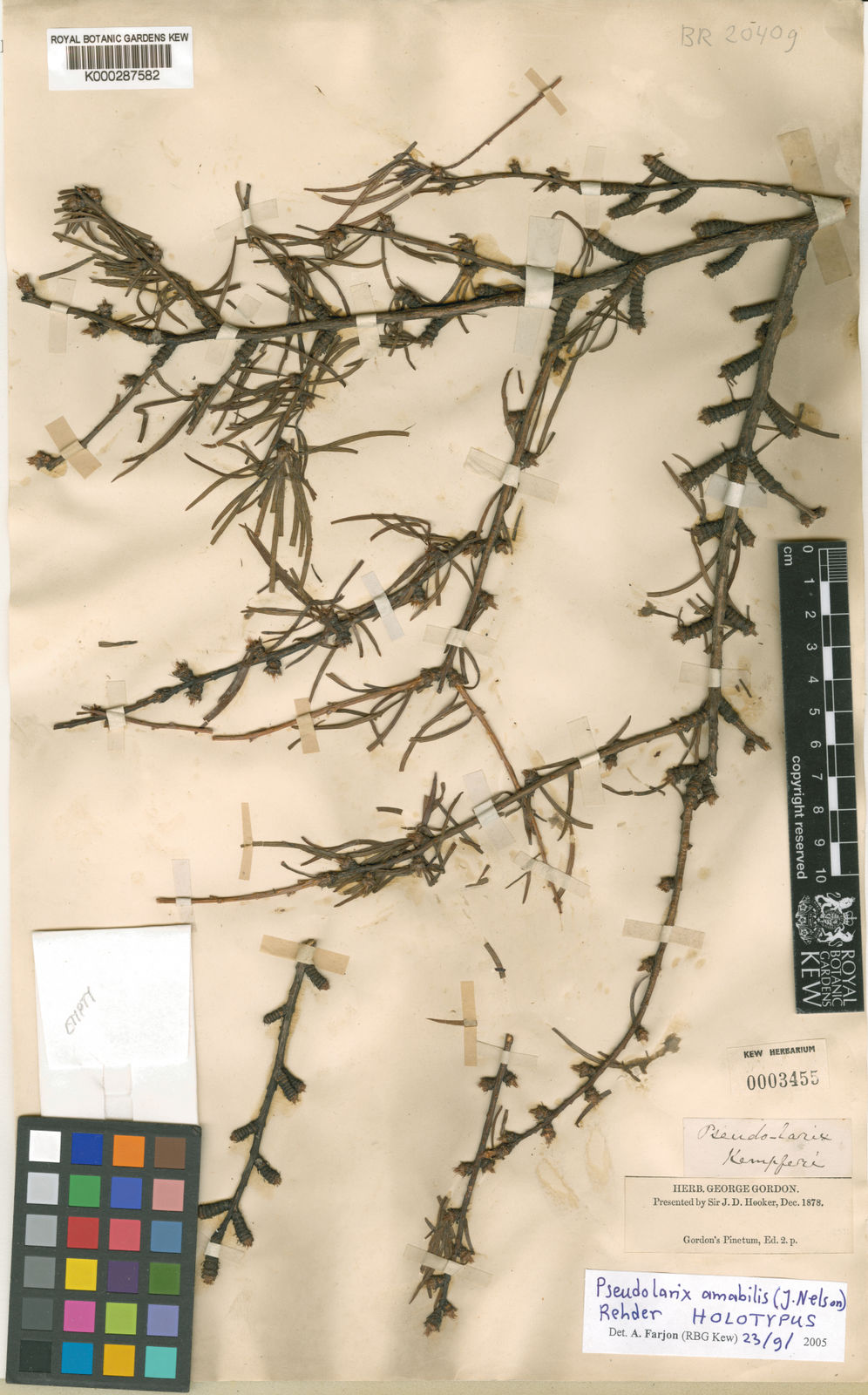
Pseudolarix
Pseudolarix is a genus of coniferous trees in the pine family Pinaceae containing three species, the extant Pseudolarix amabilis and the extinct species Pseudolarix japonica and Pseudolarix wehrii. Pseudolarix species are commonly known as golden larch, but are not true larches (Larix) being more closely related to Keteleeria, Abies and Cedrus. P. amabilis is native to eastern China, occurring in small areas in the mountains of southern Anhui, Zhejiang, Fujian, Jiangxi, Hunan, Hubei and eastern Sichuan, at altitudes of . P. wehrii is described from fossils dating to the Early Eocene (Ypresian)

Eucommia
Eucommia is a genus of small trees now native to China, with a fossil record that shows a much wider distribution. The single living species, Eucommia ulmoides, is near threatened in the wild, but is widely cultivated in China for its bark, and is highly valued in herbology such as traditional Chinese medicine.
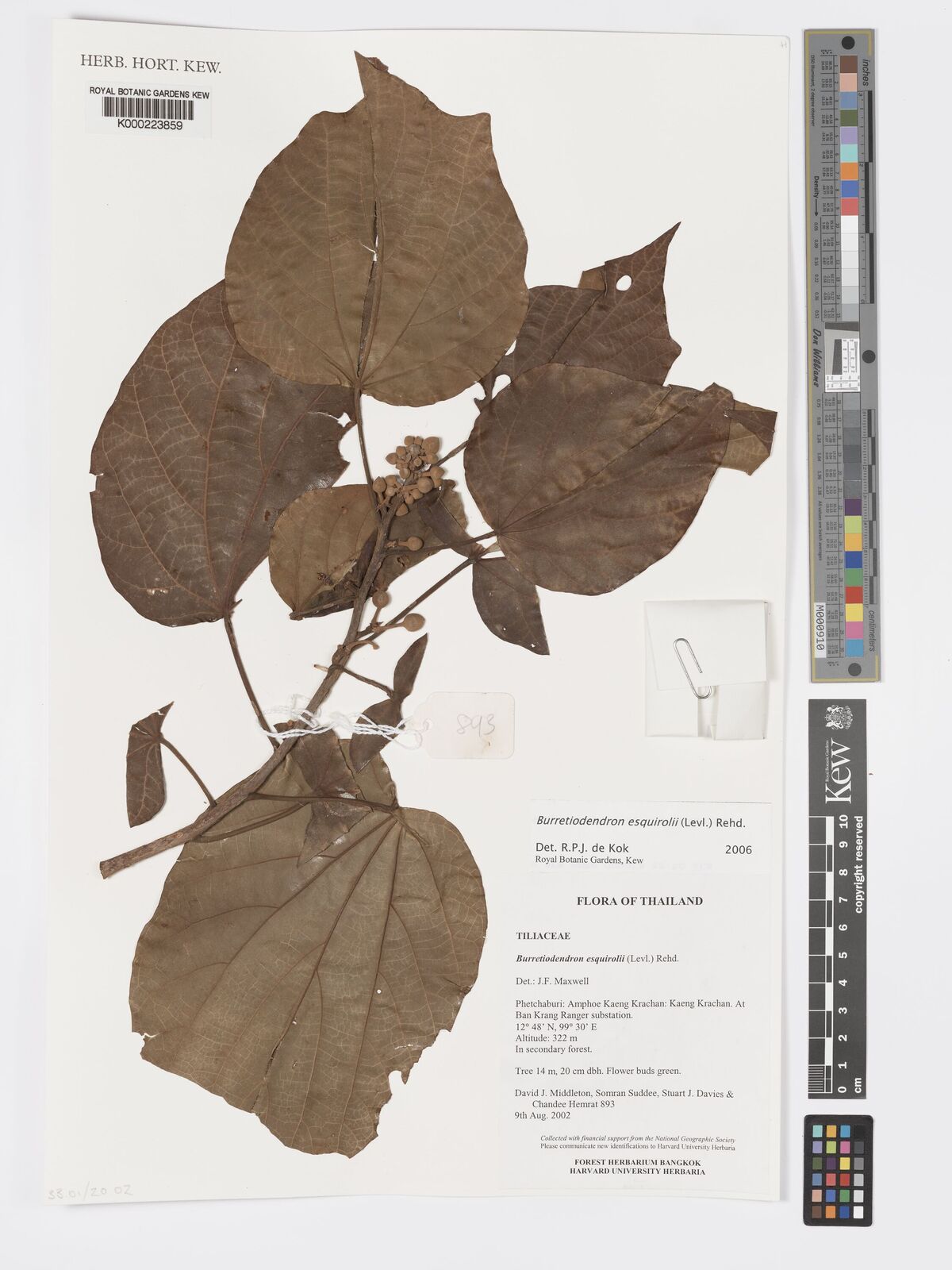
Burretiodendron esquirolii
species of plant

Prunus tangutica
species of plant
Magnolia coriacea
species of plant
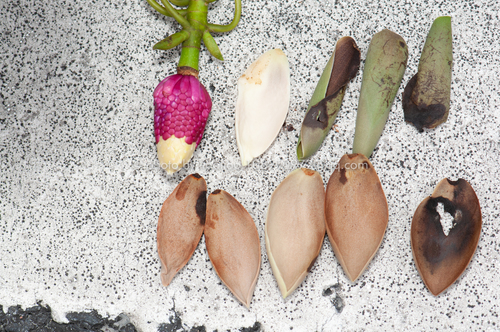
Magnolia lotungensis
species of plant
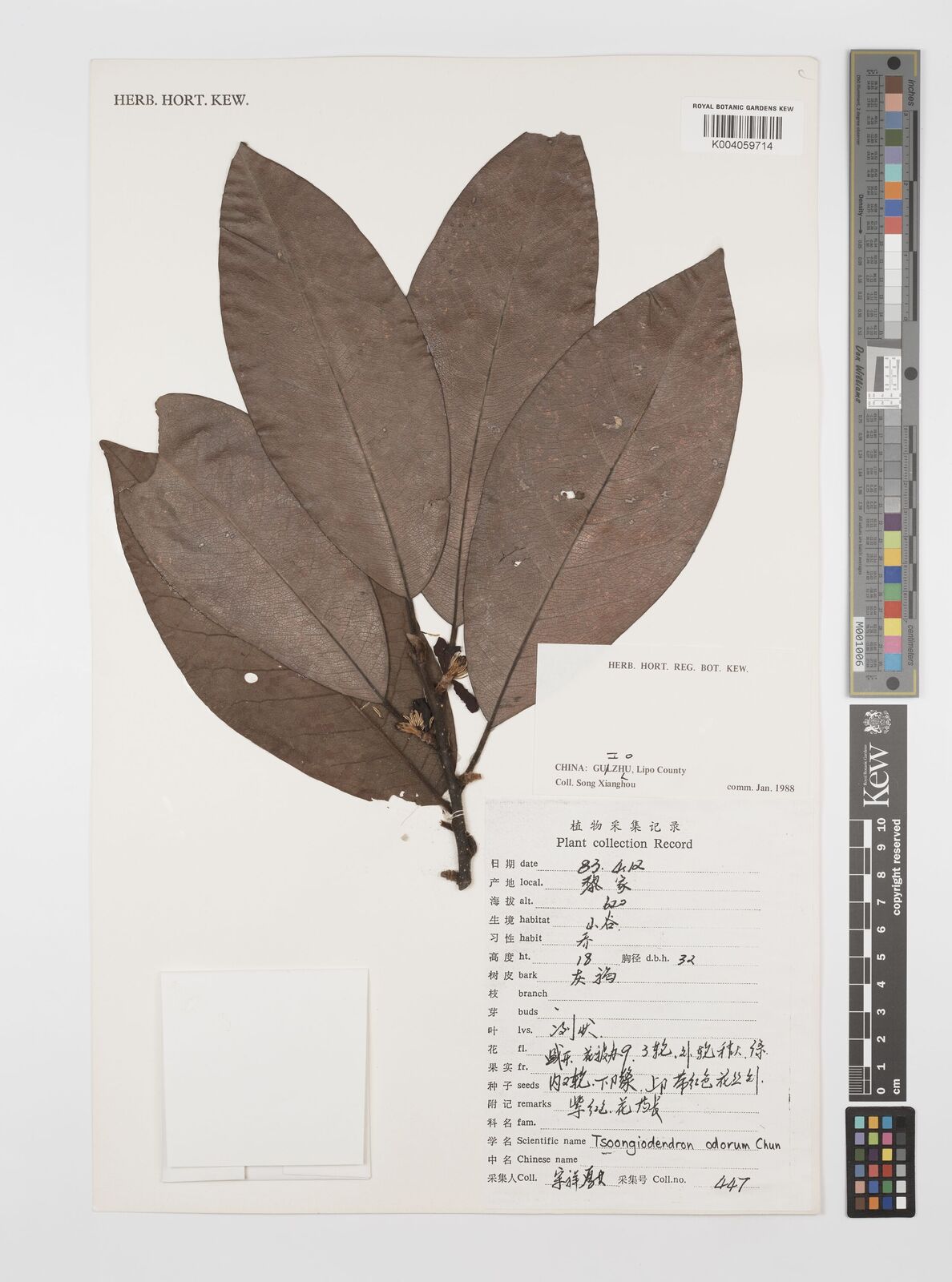
Magnolia odora
species of plant