Category
page 1Tsardom of Russia

Crimean Khanate
former state at the Crimean Peninsula until April 1783

Tsardom of Russia
Russian state from 1547 to 1721
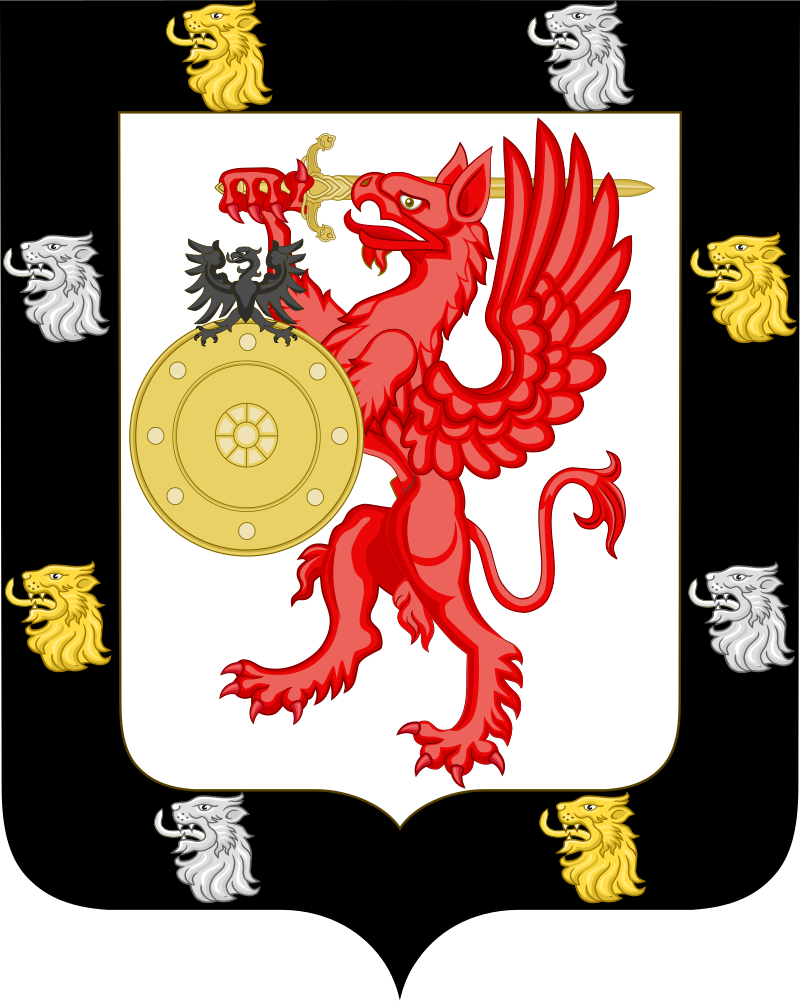
House of Romanov
imperial dynasty of Russia from 1613 to 1762
Zemsky Sobor
parliament of the Tsardom of Russia
Monomakh's Cap
relic of the Russian tsars and Grand Dukes
Tsarist autocracy
form of autocracy specific to Grand Duchy of Moscow and later Tsardom of Russia and Russian empire

prikaz
right|250px|thumb| In a Prikaz of the Muscovite Times, by Sergey Ivanov (painter)|Sergey Ivanov
thumb|250px|In the in Pskov (reconstruction)
A prikaz (; , plural: ) was an administrative, judicial, territorial, or executive office functioning on behalf of palace, civil, military, or church authorities in the Grand Duchy of Moscow and the Tsardom of Russia from the 15th to the 18th centuries. The term usually suggests the functionality of a modern "ministry", "office", "department", or "bureau"; however, in practice prikaz was historically applied to most governmental organizations regardless o
Okolnichy
Okolnichy (, ) was an old Russian court official position. According to the Brockhaus and Efron Encyclopedic Dictionary, directives on the position of okolnichy date back to the 14th century. Judging by the Russian records from the 16th and 17th centuries, okolnichy were entrusted with the same business in administration as boyars, with the only difference that they were placed second to boyars everywhere. While lower than boyars, it was one of the highest ranks (or positions) close to the tsar in the courts of the Moscow rulers until the government reform undertaken by Peter the Great.
dyak
historical Russian bureaucratic occupation

Bride-show
thumb|250px|Modern representation of a Byzantine bride-show, with Theophilos (emperor)|Theophilos choosing Theodora to be his empress
thumb|250px|1882 painting of Tsar Alexis of Russia choosing his bride in 1648. Painting by [[Grigory Sedov.]]
Siberian River Routes
Polish–Lithuanian–Muscovite Commonwealth
proposed state merger
Muravsky Trail
Historical trail in southern Russia and Ukraine
Lost Library of the Moscow Tsars
Historical library in Russia
Izyumsky Trail
Historical trail in southern Russia and Ukraine
Regalia of the Russian tsars
insignia of tsars and emperors of Russia
Rynda
thumbnail|right|Depiction of two ryndy in the 16th and 17th centuries
A rynda (, ) was a bodyguard or squire of the Russian grand princes and tsars in the 16th and 17th centuries; the position was abolished by Peter I in 1698.
podyachy
thumb|Ivan Cherkasov started his career as a podyachy
A podyachy or podyachiy (; from ) was an office (bureaucratic) occupation in prikazes (local and upper governmental offices) and lesser local offices of Russia in the 15th to 18th centuries. The podyachyes were classified into junior, middle and senior. A senior podyachy (старший подьячий) could be a deputy to a dyak and helped him in some duties. Junior and middle ones were usually employed only as scribes.
Serving Tatars
Tatar people serving as state servants
Dyachok
Dyachok is a colloquial name for a category of church worker in Ukrainian and Russian history. The official name was , literally "psalm person". They were laymen, not included in the official hierarchy of church offices. Their duties included giving readings and leading the congregation in song during mass. Their other duties include that of clerk in the church.
Boyar scions
rank of Russian gentry
Siberian Prikaz
Russian government agency for managing Siberia, 1637-1763 (prikaz until 1708)