Category
page 1Tutankhamun

TutanKhamun
Tutankhamun or Tutankhamen (; ), was the thirteenth pharaoh of the Eighteenth Dynasty of ancient Egypt, who ruled . Born Tutankhaten, he instituted the restoration of the traditional polytheistic form of ancient Egyptian religion, undoing a previous shift to the religion known as Atenism. Tutankhamun's reign is considered one of the greatest restoration periods in ancient Egyptian history, and his tomb door proclaims his dedication to illustrative constructions of the ancient Egyptian gods.

Akhenaten
Akhenaten (pronounced ), also spelled Akhenaton, Echnaton, and Khuenaten ( ʾŪḫə-nə-yātəy, , meaning 'Effective for the Aten'), was an ancient Egyptian pharaoh reigning or 1351–1334 BC, the tenth ruler of the Eighteenth Dynasty. Originally named Amenhotep IV (, meaning "Amun is satisfied", Hellenized as Amenophis IV), in the fifth year of his reign he adopted the name "Akhenaten".

Howard Carter
British egyptologist (1874–1939)

top
toy designed to spin rapidly on the ground, the motion of which causes it to remain precisely balanced on its tip because of its rotational inertia

Horemheb
Horemheb, also spelled Horemhab, Haremheb or Haremhab (, meaning "Horus is in Jubilation"), was the last pharaoh of the 18th Dynasty of Egypt (1550–1292 BC). He ruled for at least 14 years between 1319 BC and 1292 BC. He had no relation to the preceding royal family other than by marriage to Mutnedjmet, who is thought (though disputed) to have been the daughter of his predecessor, Ay; he is believed to have been of common birth.

Ankhesenamun
thumb|Sculpture fragment believed to be of Ankhesenamun, Brooklyn Museum, United States
thumb|Ring Bezel, with the name of Princess Ankhesenpaaten
Ankhesenamun (, "Her Life Is of Amun"; or – after 1322 BCE) was an ancient Egyptian queen who lived during the 18th Dynasty of Egypt. Born Ankhesenpaaten (, "she lives for the Aten"), she was the third of six known daughters of the Egyptian Pharaoh Akhenaten and his Great Royal Wife Nefertiti. She became the Great Royal Wife of Tutankhamun. The change in her name reflects the changes in ancient Egyptian religion during her lifetime after her father'

tomb of Tutankhamun
Tomb of Tutankhamun

George Herbert, 5th Earl of Carnarvon
British aristocrat (1866-1923)
Curse of the pharaohs
alleged curse believed by some to be cast upon any person who disturbs the mummy of an Ancient Egyptian person, especially a pharaoh
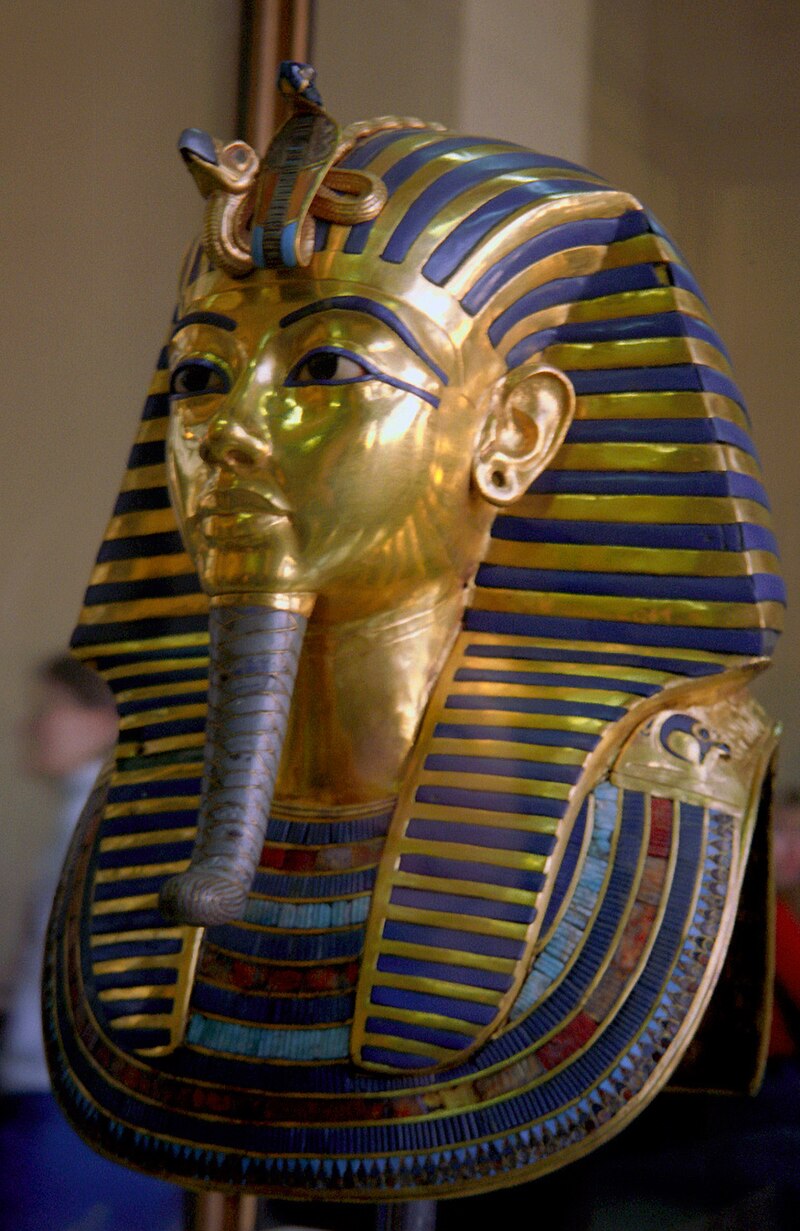
mask of Tutankhamun
gold mask of the Egyptian pharaoh Tutankhamun
The Younger Lady
mummy identified as the mother of the Pharaoh Tutankhamun
Tutankhamun's trumpets
oldest operational trumpets
KV54
Tomb KV54 is located in the Valley of the Kings, in Egypt. It was originally excavated by Edward R. Ayrton on behalf of the American lawyer Theodore M. Davis, who funded the work.
Book of the Heavenly Cow
ancient Egyptian mythology about the fall of Man
Tutankhamun's meteoric iron dagger blade
ancient Egyptian tomb artifact
Arthur Cruttenden Mace
British Egyptologist (1874-1928)
Template:Tutankhamun
Wikimedia template
Lotus chalice
Artifact found in the tomb of Tutankhamun
Anubis Shrine
part of the grave goods of the Egyptian pharaoh Tutankhamun
317a and 317b mummies
daughters of Tutankhamun

Alfred Lucas
British chemist
Sennedjem
high Ancient Egyptian official living under king Tutankhamun at the end of the 18th Dynasty
discovery of Tutankhamun's grave
excavation of Egyptian tomb in 1922
Arthur Callender
British engineer and architect
Tutankamon 44
Tutankhamun's Mummy
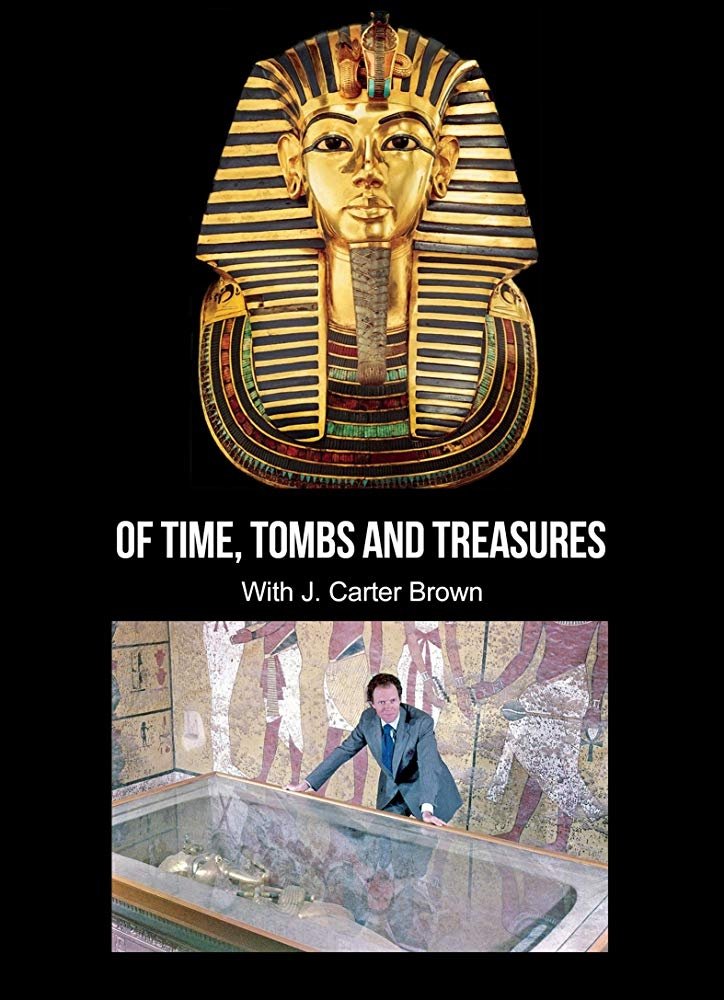
Of Time, Tombs and Treasures
1977 film
Albert Lythgoe
American Egyptologist (1868–1934)