Category
page 1Types of malware
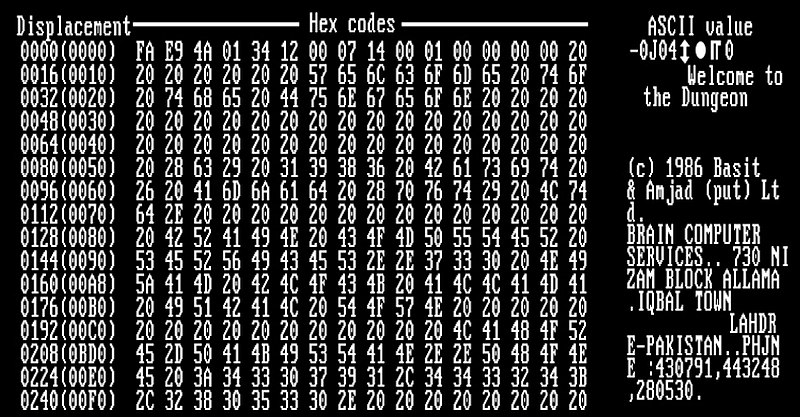
computer virus
type of computer program that, when executed, replicates itself by modifying other computer programs and inserting its own code

ransomware
Ransomware is a type of malware that encrypts the victim's personal data until a ransom is paid. Difficult-to-trace digital currencies such as paysafecard or Bitcoin and other cryptocurrencies are commonly used for the ransoms, making tracing and prosecuting the perpetrators difficult. Sometimes the original files can be retrieved without paying the ransom due to implementation mistakes, leaked cryptographic keys or a complete lack of encryption in the ransomware.

computer worm
standalone malware computer program that replicates itself in order to spread to other computers

spyware
Spyware (a portmanteau for spying software) is any malware that aims to gather information about a person or organization and send it to another entity in a way that harms the user by violating their privacy, endangering their device's security, or other means. This behavior may be present in other malware and in legitimate software. Websites may engage in spyware behaviors like web tracking. Hardware devices may also be affected.
adware
Adware, often called advertising-supported software by its developers, is software that generates revenue by automatically displaying online advertisements in the user interface or on a screen presented during the installation process. In some cases, it can track online behavior to display personalized ads.

rootkit
A rootkit is a collection of computer software, typically malicious, designed to enable access to a computer or an area of its software that is not otherwise allowed (for example, to an unauthorized user) and often masks its existence or the existence of other software. The term rootkit is a compound of "root" (the traditional name of the privileged account on Unix-like operating systems) and the word "kit" (which refers to the software components that implement the tool). The term "rootkit" has negative connotations through its association with malware.

keylogger
program that records the keys struck on a keyboard
backdoor
backdoor is a hidden way to bypass security and gain unauthorized access to a system
zero-day
cyberattack that utilizes a recently-publicized computer software vulnerability on systems which are yet to be mitigated
pop-up ad
digital advertisement medium consisting of the opening of an unsolicited new window displaying an ad
pharming
Pharming is a cyberattack intended to redirect a website's traffic to another, fake site by installing a malicious program on the victim's computer in order to gain access to it. Pharming can be conducted either by changing the hosts file on a victim's computer or by exploitation of a vulnerability in DNS server software. DNS servers are computers responsible for resolving Internet names into their real IP addresses. Compromised DNS servers are sometimes referred to as "poisoned". Pharming requires unprotected access to target a computer, such as altering a customer's home computer, rather tha
logic bomb
piece of code intentionally inserted into a software system that will set off a malicious function when specified conditions are met
zip bomb
malicious archive file designed to crash or render useless the program or system reading it
dialer
A dialer (American English) or dialler (British English) is an electronic device or software that connects to a telephone line to monitor dialed numbers and automatically modify them for seamless access to services requiring long national or international access codes. It inserts or alters numbers based on the time of day, country, or area code, enabling users to connect through service providers offering the best rates. For example, it might use one provider for international calls and another for mobile networks. This technique is known as prefix insertion or least-cost routing. A line-power

scareware
thumb|right|An example of a scareware popup
Scareware is a form of malware which uses social engineering to cause shock, anxiety, or the perception of a threat in order to manipulate users into buying unwanted software (or other products). Scareware is part of a class of malicious software that includes rogue security software, ransomware and other scam software that tricks users into believing their computer is infected with a virus, then suggests that they download and pay for fake antivirus software to remove it. Usually the virus is fictional and the software is non-functional or malware i
code injection
class of exploits in which a vulnerable computer program misinterprets data as code
browser hijacking
form of unwanted software
polymorphic code
self-modifying program code designed to defeat anti-virus programs or reverse engineering
rogue security software
form of malicious software and internet fraud that misleads users into believing there is a virus on their computer and aims to convince them to pay for a fake malware removal tool
crimeware
Crimeware is a class of malware designed specifically to automate cybercrime.
dropper
trojan software that installs malware on a computer system
Wiper
type of malware that deletes data and files from computers and devices it infects

malvertising
thumb|An example of a malicious advertisement, claiming that the computer is infected
Malvertising (a portmanteau of "malicious software (malware) advertising") is the use of online advertising to spread malware. It typically involves injecting malicious or malware-laden advertisements into legitimate online advertising networks and webpages. Because advertising content can be inserted into high-profile and reputable websites, malvertising provides malefactors an opportunity to push their attacks to web users who might not otherwise see the ads, due to firewalls, more safety precautions, or th
cyberweapon
Cyberweapons are commonly defined as malware agents employed for military, paramilitary, or intelligence objectives as part of a cyberattack. This includes computer viruses, trojans, spyware, and worms that can introduce malicious code into existing software, causing a computer to perform actions or processes unintended by its operator.
watering hole attack
Computer attack strategy
potentially unwanted program
computer software which can be perceived as unwanted and/or harmful, such as adware or spyware
infostealer
In computing, infostealers are a form of malicious software created to breach computer systems to steal sensitive information, such as login details, financial information, and other personally identifiable information. The stolen information is then packaged, sent to the attacker, and often traded on illicit markets to other cybercriminals.

virus hoax
message warning the recipients of a non-existent computer virus threat
fleeceware
Fleeceware is a type of malware mobile application that come with hidden, excessive subscription fees. These applications also take advantage of users who do not know how to cancel a subscription to keep charging them long after they have deleted the application. As of 2020, more than 600 million users installed Android fleeceware apps from the Play Store. The term was coined in 2019 by British researchers.
Polymorphic engine
type of computer program
Riskware
Riskware, a portmanteau of risk and software, is a word used to describe software whose installation and execution poses a potential risk to a host computer. Relatively normal programs can often fall into the category of riskware as some applications can be modified for another purpose and used against the computer user or owner.
Form grabbing
web-based malware tactic