Category
page 1Ubiquitous computing
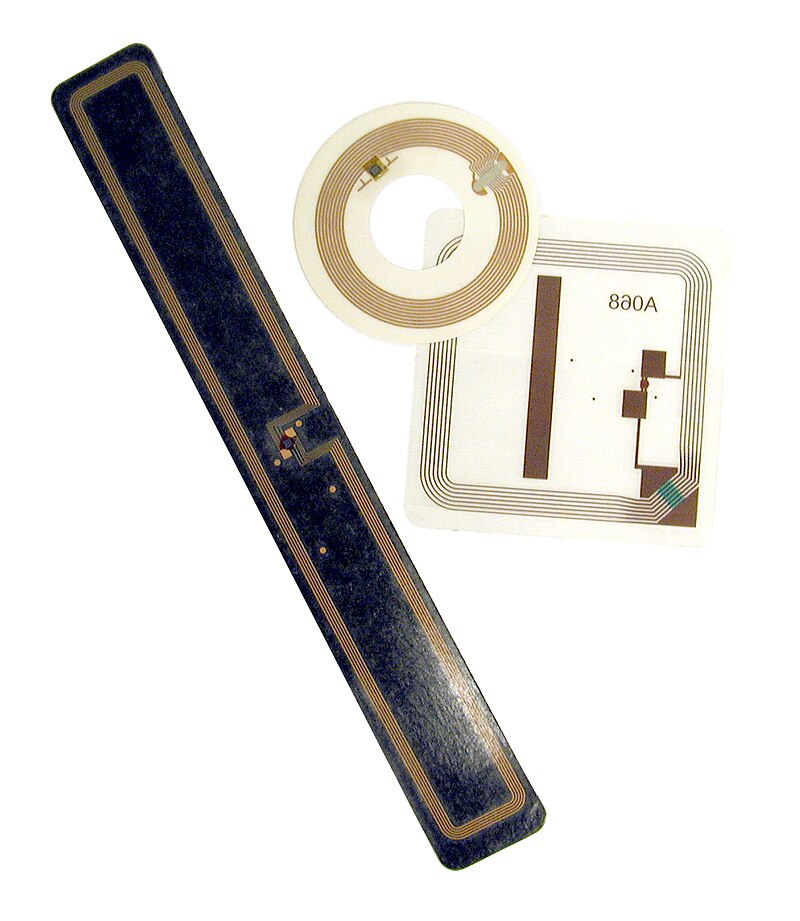
radio-frequency identification
technology using electromagnetic fields to automatically identify and track tags attached to objects

smartwatch
thumb|A Samsung Galaxy Watch
A smartwatch is a portable wearable computer that resembles a wristwatch. Most modern smartwatches are operated via a touchscreen, and rely on mobile apps that run on a connected device (such as a smartphone) in order to provide core functions.
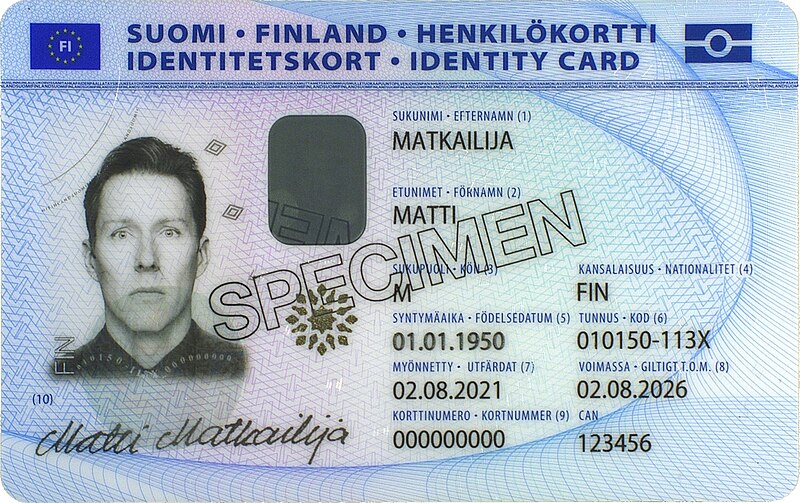
smart card
pocket-sized card with embedded integrated circuits for security-related functions
Bluetooth Low Energy
wireless personal area network technology designed and marketed by the Bluetooth Special Interest Group aimed at novel applications
wearable computer
small computing devices (nowadays usually electronic) that are worn under, with, or on top of clothing

smartglasses
thumb|upright=1.2|The touch pad built on the side of the 2013 [[Google Glass can communicate with the user's phone via Bluetooth]]
thumb|Man wearing a 1998 EyeTap Digital Eye Glass
ubiquitous computing
concept in software engineering and computer science
wearable technology
clothing and accessories incorporating computer and advanced electronic technologies
ambient intelligence
electronic environments that are sensitive and responsive to the presence of people
.jpg)
iBeacon
thumb|Smartphone detecting an iBeacon transmitter
iBeacon is a protocol developed by Apple and introduced at the Apple Worldwide Developers Conference in 2013.
Various vendors have since made iBeacon-compatible hardware transmitters – typically called beacons – a class of Bluetooth Low Energy (BLE) devices that broadcast their identifier to nearby portable electronic devices. The technology enables smartphones, tablets and other devices to perform actions when in proximity to an iBeacon.
contactless smart card
contactless credential whose dimensions are credit-card size
multilateration
navigation based on the measurement of the distances to two stations at known locations
smart ring
wearable electronics device with advanced mobile components that combine features of mobile devices with innovative features useful for mobile or handheld use

indoor positioning system
network of devices used to wirelessly locate objects inside a building
tracking system
technology system enabling tracking of persons or objects on the move and supplying a timely ordered sequence of location data for further processing
Ken Sakamura
Japanese computer scientist
spatial computing
term regarding augmented reality
SUBE card
card system for public transport in Argentina
Smart environment
computing environment involving multiple devices
ubiquitous commerce
uninterrupted communication and exchange of data and information anywhere at any time