Category
page 1Urological conditions

kidney stone disease
formation of one or more mineral calculi (stones) in the urinary tract
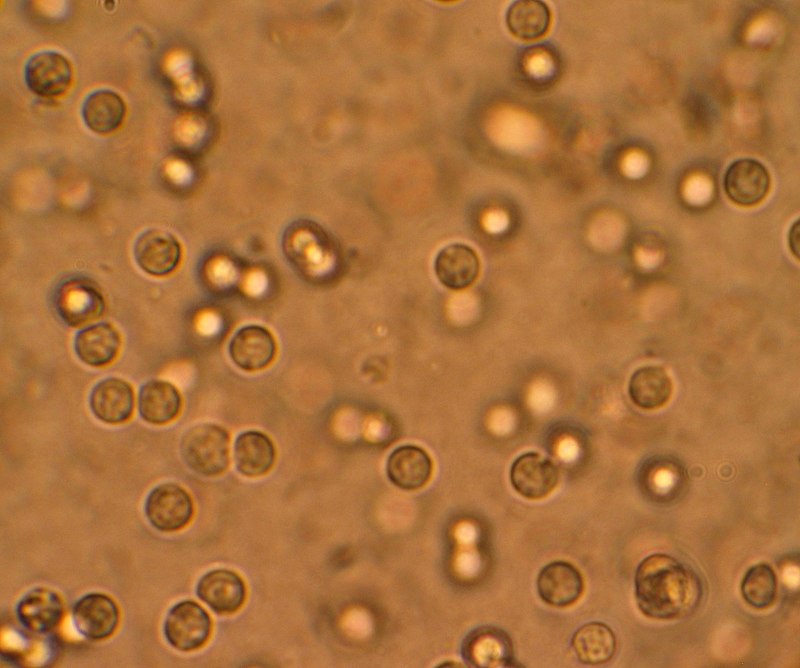
urinary tract infection
infection that affects part of the urinary tract

hydrocele
A hydrocele is an accumulation of serous fluid in a body cavity. A hydrocele testis, the most common form of hydrocele, is the accumulation of fluids around a testicle. It is often caused by fluid collecting within a layer wrapped around the testicle, called the tunica vaginalis, which is derived from peritoneum. Provided there is no hernia present, it goes away without treatment in the first year. Although hydroceles usually develop in males, rare instances have been described in females in the canal of Nuck.
Fournier gangrene
type of necrotizing fasciitis or gangrene affecting the external genitalia and/or perineum
renal colic
symptom
Peutz-Jeghers syndrome
autosomal dominant genetic disorder characterized by the development of benign hamartomatous polyps in the gastrointestinal tract and hyperpigmented macules on the lips and oral mucosa (melanosis)

paruresis
Paruresis, also known as shy bladder syndrome, is a type of phobia in which a person is unable to urinate in the real or imaginary presence of others, such as in a public restroom. The analogous condition that affects bowel movement is called parcopresis or shy bowel.
Zellweger syndrome
congenital disorder of nervous system
bladder calculus
stone found in the urinary bladder
retroperitoneal fibrosis
progressive condition characterized by deposition of fibrous tissue in the retroperitoneal space
malakoplakia
Malakoplakia (from Greek Malako "soft" + Plako "plaque") is a rare inflammatory condition which makes its presence known as a papule, plaque or ulceration that usually affects the genitourinary tract. However, it may also be associated with other bodily organs. It was initially described in the early 20th century as soft yellowish plaques found on the mucosa of the urinary bladder. Microscopically it is characterized by the presence of foamy histiocytes (called von Hansemann cells) with basophilic inclusions called Michaelis–Gutmann bodies.
lower urinary tract symptoms
group of clinical symptoms
urinary system disease
disease of the urinary system
purple urine bag syndrome
medical sign
pneumaturia
Pneumaturia is the passage of gas or "air" in urine. This may be seen or described as "bubbles in the urine".
obstructive uropathy
blockage of urine flow
prostate calculus
Human disease
enuresis
Enuresis is a repeated inability to control urination. Use of the term is usually limited to describing people old enough to be expected to exercise such control. Involuntary urination is also known as urinary incontinence. The term "enuresis" comes from the .