Category
page 1Vaccines

vaccine
A vaccine is a biological preparation that provides active acquired immunity to a particular infectious or malignant disease. The safety and effectiveness of vaccines has been widely studied and verified. A vaccine typically contains an agent that resembles a disease-causing microorganism and is often made from weakened or killed forms of the microbe, its toxins, or one of its surface proteins. The agent stimulates the immune system to recognize the agent as a threat, destroy it, and recognize further and destroy any of the microorganisms associated with that agent that it may encounter in the

BCG vaccine
vaccine primarily used against tuberculosis

measles vaccine
vaccine used against the disease measles
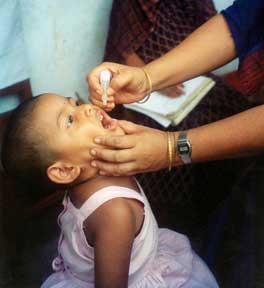
polio vaccine
vaccine to prevent poliomyelitis
cholera vaccine
vaccine that is effective at preventing cholera

HPV vaccine
class of vaccines against human papillomavirus

rabies vaccine
group of vaccines against infection of humans and animals with the rabies virus

mumps vaccine
vaccine which prevents mumps

pertussis vaccine
vaccine protecting against whooping cough
tetanus vaccine
vaccines used to prevent tetanus
diphtheria vaccine
vaccine against Corynebacterium diphtheriae, the bacterium that causes diphtheria
COVID-19 drug development
preventative and therapeutic medications for COVID-19 infection
rubella vaccine
vaccine used to prevent rubella
typhoid vaccine
vaccines that prevent typhoid fever
yellow fever vaccine
vaccine that protects against yellow fever
DPT vaccine
vaccine against diphtheria, pertussis, and tetanus
Hib vaccine
vaccine
Japanese encephalitis vaccine
any of several vaccines against Japanese encephalitis
varicella vaccine
vaccine to prevent chickenpox
pneumococcal vaccine
vaccine to prevent infection by the bacterium Stretococcus pneumoniae
rotavirus vaccine
type of vaccine
tick-borne encephalitis vaccine
preventive medicine
dengue vaccine
vaccine used to prevent dengue fever in humans
conjugate vaccine
type of vaccine
subunit vaccine
vaccine consisting of one or more antigens that stimulate a strong immune response
International Certificate of Vaccination
vaccination record modelled by the World Health Organization
plague vaccine
vaccine used against Yersinia pestis
immunogen
An immunogen is any substance that generates B-cell (humoral/antibody) and/or T-cell (cellular) adaptive immune responses upon exposure to a host organism. Immunogens that generate antibodies are called antigens ("antibody-generating"). Immunogens that generate antibodies are directly bound by host antibodies and lead to the selective expansion of antigen-specific B-cells. Immunogens that generate T-cells are indirectly bound by host T-cells after processing and presentation by host antigen-presenting cells.
adenovirus vaccine
vaccine against adenovirus
Vaccine diplomacy
use of vaccines
Ebola vaccine
vaccine to prevent Ebola
respiratory syncytial virus vaccine
vaccine against respiratory syncytial virus (RSV)
anthrax vaccine
vaccine
timeline of vaccines
Chronology of most common vaccines
caries vaccine
vaccine to prevent and protect against tooth decay
Hantavirus vaccine
vaccine that protects humans against hantavirus infections
hexavalent vaccine
single vaccine protecting against six individual diseases
non-specific effect of vaccines
as effects from vaccines other than those on the targeted disease
pneumococcal polysaccharide vaccine
pneumococcal vaccine
ACAM2000 smallpox vaccine
thumb|Smallpox vaccine needle
ACAM2000 is a smallpox vaccine and an mpox vaccine manufactured by Emergent Biosolutions. It provides protection against smallpox for people determined to be at high risk for smallpox infection. ACAM2000 is a live replicating vaccinia virus vaccine.
Schistosomiasis vaccine
vaccine against Schistosomiasis
cAd3-ZEBOV
cAd3-ZEBOV (also known as the NIAID/GSK Ebola vaccine or cAd3-EBO Z) was an experimental vaccine for two ebolaviruses, Ebola virus and Sudan virus, developed by scientists at GlaxoSmithKline (GSK) and tested by National Institute of Allergy and Infectious Disease (NIAID). This vaccine is derived from a chimpanzee adenovirus, Chimp Adenovirus type 3 (ChAd3), genetically engineered to express glycoproteins from the Zaire and Sudan species of ebolavirus to provoke an immune response against them. Simultaneous phase 1 trials of this vaccine commenced in September 2014, being administered to volunt
tumor antigen vaccine
On Immunity: An Inoculation
book by Eula Biss
DTwP-HepB-Hib vaccine
combination vaccine
typhus vaccine
vaccines developed to protect against typhus
synthetic vaccine
synthetic peptides that mimic surface antigens of pathogens and are immunogenic, or vaccines manufactured with the aid of recombinant DNA techniques
Autogenous vaccines
bacterial vaccine prepared from non-pathogenic, autologous bacteria of human origin