Category
page 1Visionary poems

The Divine Comedy
Italian narrative poem by Dante Alighieri
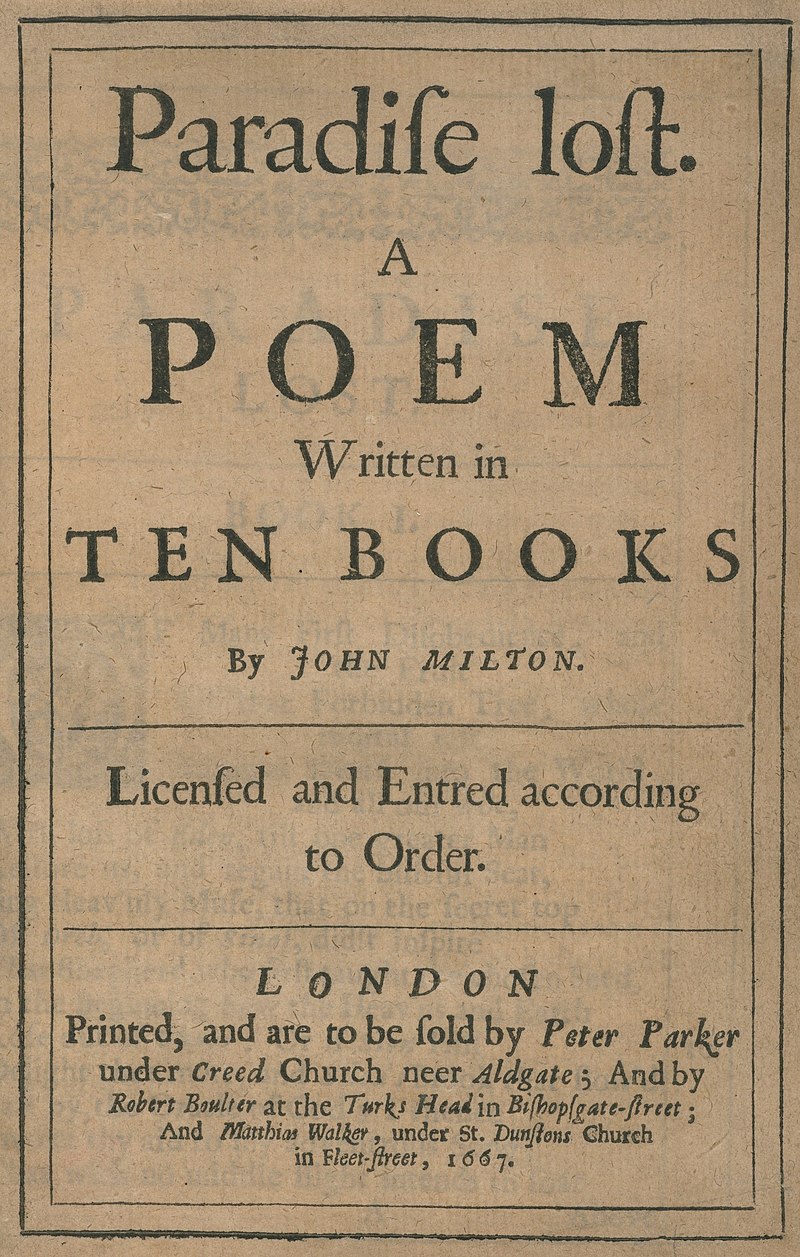
Paradise Lost
epic poem by John Milton
Inferno
first part of Dante Alighieri's "Divine Comedy"

Le Roman de la Rose
medieval French poem

Purgatorio
Purgatorio (; Italian for "Purgatory") is the second part of Dante's Divine Comedy, following the Inferno and preceding the Paradiso; it was written in the early 14th century. It is an allegorical telling of the climb of Dante up the Mount of Purgatory, guided by the Roman poet Virgil—except for the last four cantos, at which point Beatrice takes over as Dante's guide. Allegorically, Purgatorio represents the penitent Christian life. In describing the climb Dante discusses the nature of sin, examples of vice and virtue, as well as moral issues in politics and in the Church. The poem posits the

Paradiso
third and final part of Dante Alighieri's "Divine Comedy"

Piers Plowman
Middle English allegorical narrative poem by William Langland
Book of Arda Viraf
Zoroastrian religious text of the Sasanian era Middle Persian, that describes the dream-journey of the devout Wīrāz through the next world (influences, not fully demonstrated, transmitted through Islam, may have been exerted on Dante’s Divine Comedy)

Pearl
Middle English poem by an unknown author
Dream of the Rood
Old English poem from the Vercelli Book
Draumkvedet
"Draumkvedet" (; NMB 54, TSB B 31) is a Norwegian visionary poem, probably dated from the late medieval age. It is one of the best known medieval ballads in Norway. The first written versions are from Lårdal Municipality and Kviteseid Municipality in Telemark in the 1840s.

The Legend of Good Women
Middle English poem by Chaucer
The Book of Urizen
book by William Blake

The House of Fame
Middle English poem by Geoffrey Chaucer

The Book of the Duchess
book by Geoffrey Chaucer
Sólarljóð
The Sólarljóð (The Song of the Sun) is an Old Norse poem, written in Iceland ca 1200. It is written in the traditional metric style of the Poetic Edda, but with content from Christian visionary poems.
Parlement of Foules
Middle English poem by Chaucer