Category
page 1Western United States
California
California () is a state in the Western United States that lies on the Pacific Coast. It borders Oregon to the north, Nevada and Arizona to the east, and shares an international border with the Mexican state of Baja California to the south. With almost 40million residents across an area of , it is the largest state by population, third-largest state by area and the largest state economy in the U.S., with a GDP of approximately $4.3 trillion.
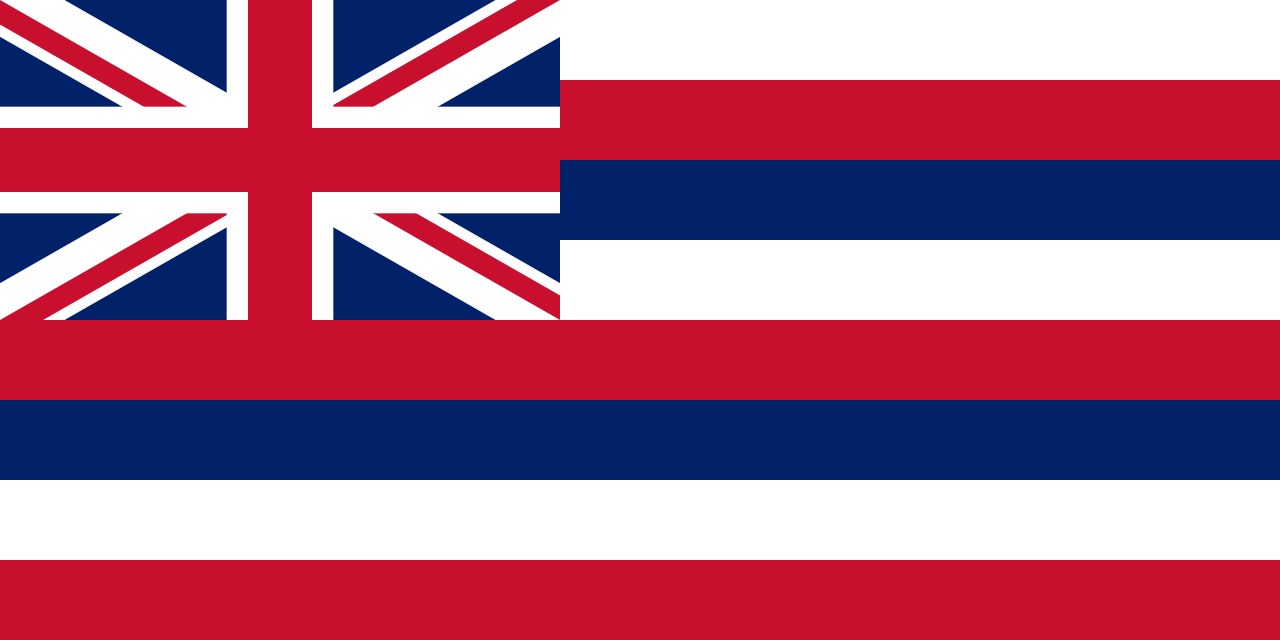
Hawaii
Hawaii ( ; ) is an island state of the United States, in the Pacific Ocean about southwest of the U.S. mainland. One of the two non-contiguous U.S. states (along with Alaska), it is the only state not on the North American mainland, the only state that is an archipelago, the only state south of the Tropic of Cancer, one of only two states, along with Florida, with regions that have a tropical climate, and one of the two U.S. states, along with Texas, that were internationally recognized sovereign countries before becoming U.S. states.

Alaska
Alaska ( ) is a non-contiguous U.S. state located in the northwestern regions of North America. Part of the Western United States region, it is one of the two non-contiguous U.S. states, alongside Hawaii. Alaska is considered to be the northernmost, westernmost, and, longitudinally, the easternmost state in the United States. It is a semi-exclave of the U.S., bordering the Canadian territory of Yukon and the province of British Columbia to the east. It shares a western maritime border in the Bering Strait with Russia's Chukotka Autonomous Okrug, and is closer to another continent (Asia) than a

Arizona
Arizona is a landlocked state in the Southwestern United States, sharing the Four Corners region with Colorado, New Mexico, and Utah. It also borders Nevada to the northwest and California to the west, and shares an international border with the Mexican states of Sonora and Baja California to the south and southwest. Its capital and largest city is Phoenix, which is the most populous state capital and fifth-most populous city in the United States. Arizona is divided into 15 counties.

Colorado
Colorado is a landlocked state in the Mountain West subregion of the Western United States. It is one of the Mountain states, and part of the Southwestern United States, sharing the Four Corners region with Arizona, New Mexico, and Utah. It is also bordered by Wyoming to the north, Nebraska to the northeast, Kansas to the east, and Oklahoma to the southeast. Colorado is noted for its landscape of mountains, forests, high plains, mesas, canyons, plateaus, rivers, and desert lands. It encompasses most of the Southern Rocky Mountains, as well as the northeastern portion of the Colorado Plateau an
.png)
Nevada
Nevada ( ; ) is a landlocked state in the Western United States. It is also sometimes placed in the Mountain West and Southwestern United States. It borders Oregon to the northwest, Idaho to the northeast, California to the west, Arizona to the southeast, and Utah to the east. Nevada is the seventh-most extensive and the 31st-most populous U.S. state. Nearly three-quarters of Nevada's population live in Clark County, which contains the Las Vegas–Paradise metropolitan area. Nevada's capital is Carson City. Las Vegas is the largest city in the state.

Utah
Utah is a landlocked state in the Mountain West subregion of the Western United States. It is one of the Four Corners states, sharing a border with Arizona, Colorado, and New Mexico. It also borders Wyoming to the northeast, Idaho to the north, and Nevada to the west. In comparison to all the U.S. states and territories, Utah, with a population of just over three million, is the 13th-largest by area, the 30th-most populous, and the 11th-least densely populated. Urban development is mostly concentrated in two regions: the Wasatch Front in the north-central part of the state, which includes the

Idaho
Idaho (, ) is a landlocked state in the Pacific Northwest and Mountain West subregions of the Western United States. It borders Montana and Wyoming to the east, Nevada and Utah to the south, and Washington and Oregon to the west; the state shares a small portion of the Canada–United States border to the north with the Canadian province of British Columbia. Idaho's state capital and largest city is Boise. With an area of , Idaho is the 14th-largest state by land area. The state has a population of approximately two million people; it ranks as the 13th-least populous and the seventh-least densel
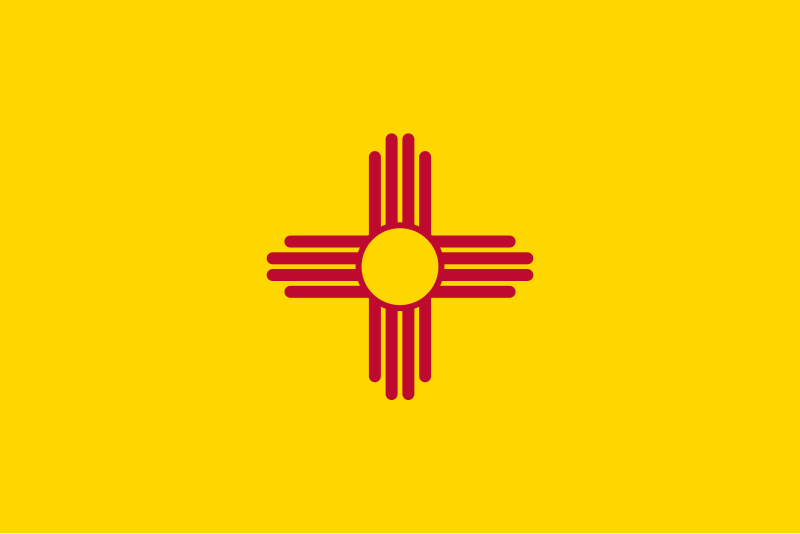
New Mexico
state of the United States of America
Wyoming
Wyoming ( ) is a landlocked state in the Mountain West subregion of the Western United States. It borders Montana to the north and northwest, South Dakota and Nebraska to the east, Idaho to the west, Utah to the southwest, and Colorado to the south. With an estimated population of 587,618 as of 2024, Wyoming is the least populous state despite being the tenth-largest by area, and it has the second-lowest population density. The state capital and most populous city is Cheyenne.
Montana
Montana ( ) is a landlocked state in the Mountain West subregion of the Western United States. It is bordered by Idaho to the west, North Dakota to the east, South Dakota to the southeast, Wyoming to the south, and the Canadian provinces of Alberta, British Columbia, and Saskatchewan to the north. It is the fourth-largest state by area, but the eighth-least populous state and the third-least densely populated state. Its capital is Helena, while the most populous city is Billings. The western half of the state contains numerous mountain ranges, particularly the Rocky Mountains, while the easter

Western United States
region comprising the westernmost states of the United States

West Coast of the United States
term for the westernmost coastal states of the United States, located near the North Pacific Ocean
Four Corners
region of the United States consisting of the southwestern corner of Colorado, northwestern corner of New Mexico, northeastern corner of Arizona and southeastern corner of Utah
chinook wind
warm, dry wind in North America
Great Migration
movement of African Americans out of the rural Southern United States
.png)
Laramidia
thumb|North America during the Campanian
Laramidia was an island continent that existed during the Late Cretaceous period (99.6–66 Ma), when the Western Interior Seaway split the continent of North America in two. In the Mesozoic era, Laramidia was an island land mass separated from Appalachia to the east by the Western Interior Seaway. It was home to many dinosaurs including ankylosaurs, ceratopsians, and tyrannosaurs. The seaway eventually shrank, split across the Dakotas, and retreated toward the Gulf of Mexico and the Hudson Bay. The masses joined, forming the continent of North America.
Plains Indians
Native Americans/First Nations peoples of the Great Plains of North America
Jeffersonian democracy
American political persuasion of the 1790s until the 1820s
Indigenous peoples of the Great Basin
Native Americans of the northern Great Basin, Snake River Plain, and upper Colorado River basin

buffalo jump
cliff formation of Native American historical importance used to hunt plains bison
Second Great Migration
migration of African Americans from the Southern U.S. after World War II
Jo Mora
American artist, photographer and writer (1876-1947)
arborglyph
thumb|Tree carving in Bielinek (Bellinchen), [[Pomerania, immediately east of the Oder. It reads, in Russian, "March 1945, Death to the Germans."]]
Arborglyphs, dendroglyphs, silvaglyphs, or modified cultural trees are carvings of shapes and symbols into the bark of living trees. Although most often referring to ancient cultural practices, the term also refers to modern tree-carving.

Pisco punch
alcoholic beverage
Open range
rangeland where cattle roam freely regardless of land ownership