Category
page 1Writing systems without word boundaries
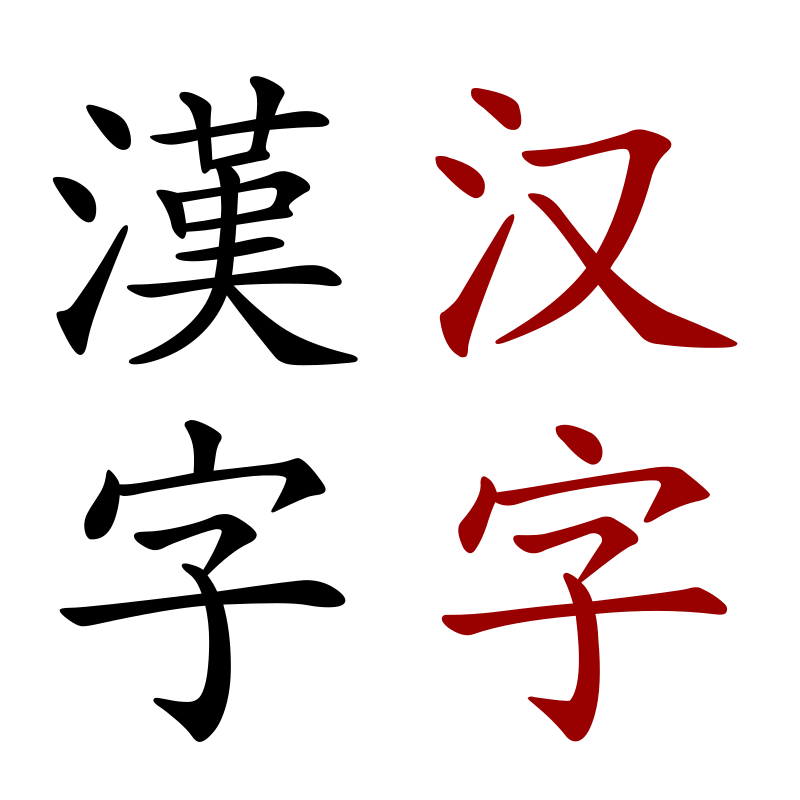
Chinese characters
logographic writing system with Han origin used in the Sinosphere for Chinese, Japanese, Korean and traditional Vietnamese languages

Hanja
Hanja (; ), alternatively spelled Hancha, are Chinese characters used to write the Korean language. After characters were introduced to Korea to write Literary Chinese, they were adapted to write Korean as early as the Gojoseon period.

Tibetan alphabet
abugida writing system used to write certain Tibetic languages
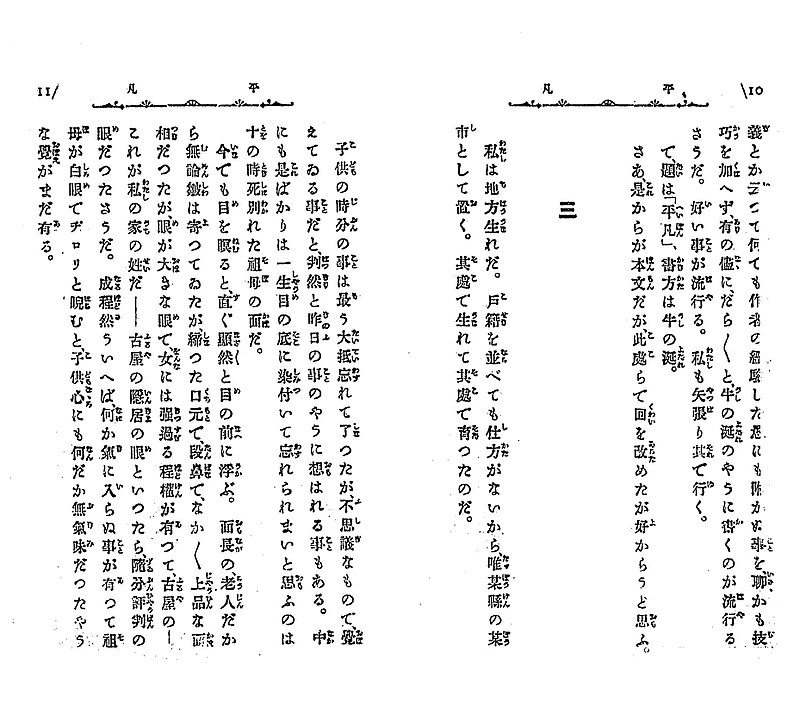
Japanese writing system
various writing systems used Japanese, using or mixing Hiragana, Katakana and Kanji characters, inherited or derived from Chinese ideographic characters

Thai script
a type of abugida writing system used to write Thai, Southern Thai and many other languages spoken in Thailand
Vietnamese alphabet
modern writing system of Latin script for writting Vietnamese language

Khmer
abugida script for the Cambodian (Khmer) language
Burmese alphabet
abugida used for writing Burmese
Lao
abugida script for the Lao language
Javanese script
writing system used for Javanic languages
chữ Nôm
former logographic writing system for the Vietnamese language using Han ideographs
Balinese
indigenous script of Balinese used in Bali
ʼPhags-pa
Tibeto-Mongol alphasyllabary/abugida used in China during Yuan Dynasty
chữ Hán
Chinese characters used in the Vietnamese traditional writing system

Sawndip
'''''' (Sawndip: ; ) are Chinese characters used to write the Zhuang languages in the Chinese provinces of Guangxi and Yunnan. is a Zhuang word that means "immature characters". The Zhuang word for Chinese characters used in the Chinese languages is ( 'Han characters'); gun is the Zhuang term for the Han Chinese. Even now, in traditional and less formal domains, Sawndip is more often used than alphabetical scripts.
Tai Tham
abugida script
scriptio continua
style of writing without spaces between words
Rasm
thumb|500px|Early written Arabic used only rasm (in black). Later Arabic added diacritics (examples in red) so that homographic consonants, for example these two letters , could be distinguished. Short vowels are indicated by harakat diacritics (examples in blue) which is used in the Qur'an but not in most written Arabic.