Category
page 1Zhou dynasty philosophers

Confucius
Confucius (), born Kong Qiu, was a Chinese philosopher of the Spring and Autumn period who is traditionally considered the paragon of Chinese sages. Much of the shared cultural heritage of the Sinosphere originates in the philosophy and teachings of Confucius. His philosophical teachings, called Confucianism, emphasized personal and governmental morality, harmonious social relationships, righteousness, kindness, sincerity, and a ruler's responsibilities to lead by virtue.

Laozi
Laozi (, ; ), formerly Latinized as Laocius, was a legendary Chinese philosopher considered to be the author of the Tao Te Ching (Pinyin: Dào Dé Jīng), one of the foundational texts of Taoism. Modern scholarship generally regards his biographical details as later inventions and his opus a collaboration of various writers, with the name Laozi, literally meaning 'Old Master', likely intended to portray an archaic anonymity that could converse with Confucianism. Traditional accounts addend him as , born in the 6th-centuryBC state of Chu during China's Spring and Autumn period (). Serving as the r
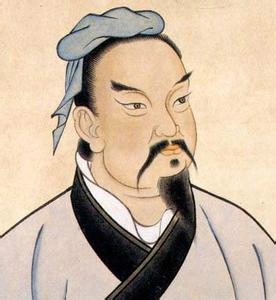
Sun Tzu
6th century BCE Chinese general and military strategist

Mencius
Mencius (孟子, Mèngzǐ, ; ), born Meng Ke (), was a Chinese Confucian philosopher, often described as the Second Sage () to reflect his traditional esteem relative to Confucius himself. He was part of Confucius's fourth generation of disciples, inheriting his ideology and developing it further. Living during the Warring States period, he is said to have spent much of his life travelling around the states offering counsel to different rulers. Conversations with these rulers form the basis of the Mencius, which would later be canonised as a Confucian classic.

Zhuang Zhou
Chinese Taoist philosopher (c. 369–286 BC)

Han Fei
Chinese Legalist, 280–233 BCE

Xunzi
Chinese Confucian philosopher (c. 310 – after 238 BCE)

Mozi
Mozi, personal name Mo Di,

Li Si
Chinese politician of the Qin Dynasty
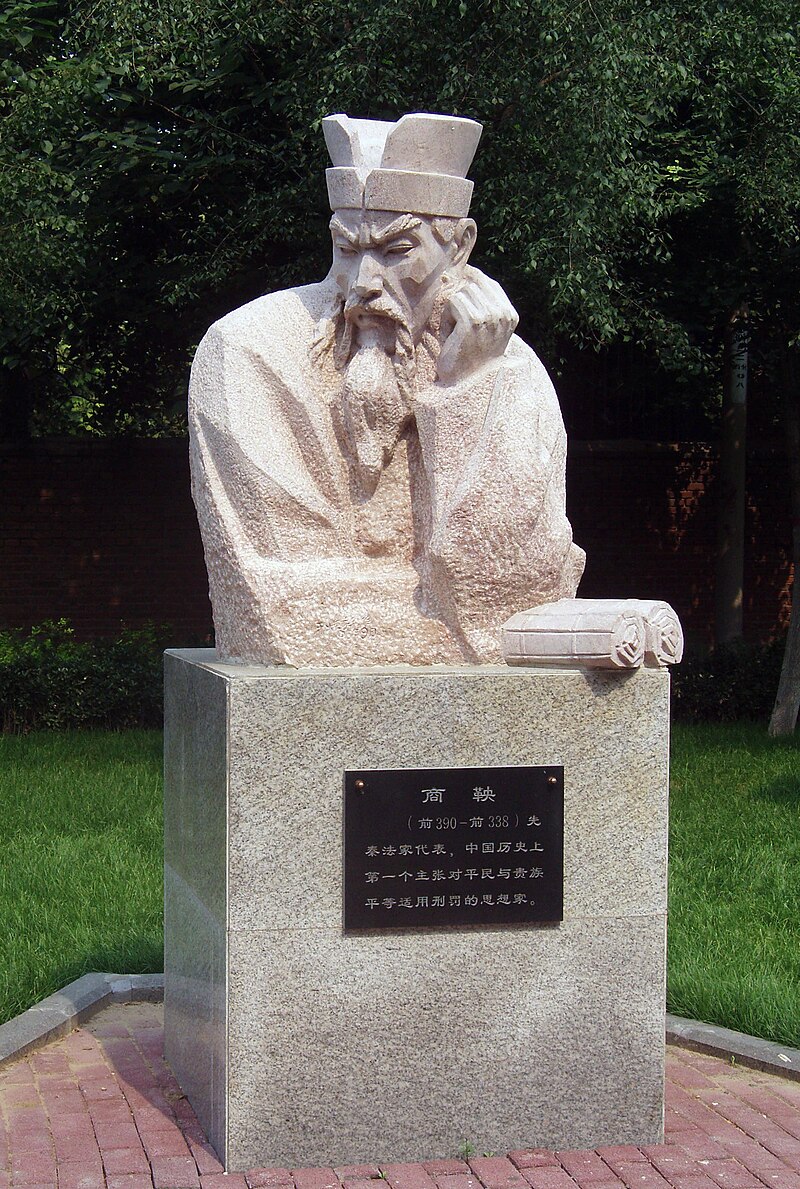
Shang Yang
Qin State statesman, chancellor and reformer (c. 390–338 BC)
Yang Zhu
Chinese founder of Yangist philosophy (440–c.360 BC)
Guan Zhong
Chinese chancellor and reformer (c. 720–645 BC)

Zisi
Zisi (), born Kong Ji, was a Chinese philosopher and the grandson of Confucius.
Gongsun Long
Chinese philosopher of the 3rd century BCE of the School of Names
Wu Qi
Chinese general (440–381 BC)
Lie Yukou
4th-century BCE Chinese philosopher and author
Zou Yan
Zhou Dynasty philosopher
Shen Buhai
Chinese philosopher and politician (c.400–c.337 BC)
Li Kui
Chinese philosopher
Hui Shi
4th century BCE Chinese philosopher of the School of Names

Su Qin
Chinese political strategist in the Warring States period
Bu Shang
5th-century BC prominent disciple of Confucius
Shen Dao
Chinese legalist theoretician (c.350–c.275 BC)
Zhang Yi
Chinese prime minister

Zichan
thumb|Portrait of Zichan from Sancai Tuhui
Yan Ying
ancient Chinese philosopher and politician from the state of Qi in the 6th century BC
Deng Xi
Chinese philosopher and rhetorician (c.545–501 BCE)
Duanmu Ci
Important disciple of Confucius (520–456 BC)
Ximen Bao
4th-century BC Chinese philosopher and engineer
Four Sages
group of 4 eminent Chinese Confucian philosophers: Yan Hui, Zengzi, Zisi, Mencius
Gaozi
Gaozi (; ca. 420-350 BCE), or Gao Buhai (), was a Chinese philosopher during the Warring States period.
Gaozi's teachings are no longer extant, but he was a contemporary of Mencius (ca. 372-289 BCE), and most of our knowledge about him comes from the Mencius book (6) titled "Gaozi".
Yin Wen
philosopher of the School of Names

Chunyu Kun
Chinese philosopher