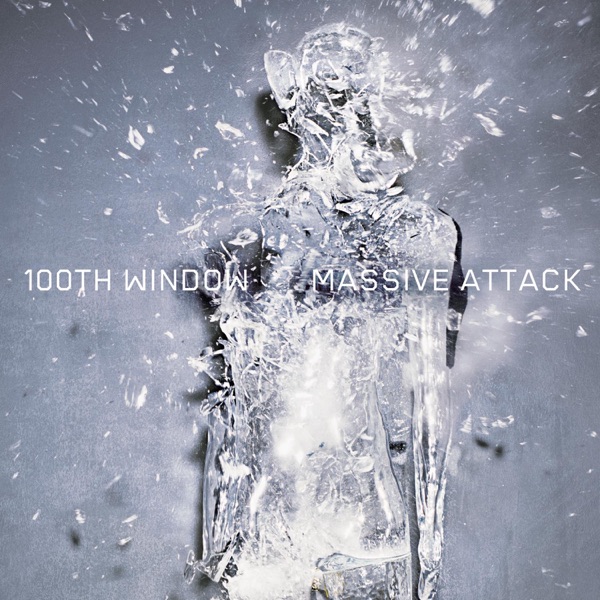
iTunes — Massive Attack · ℗ 2003 Virgin Records Limited
OverviewAI-generated
100th Window is a studio album by Massive Attack, released in the United Kingdom. The work is presented in the English language and falls under the genres of electronic music, including ambient dub, ambient pop, ambient techno, downtempo, and electronica. It was produced by Robert Del Naja and Neil Davidge.
The album was first released in December 2002, with a subsequent release date of February 10, 2003. It was distributed via compact disc, LP record, music download, and music streaming. The record was published by Virgin Records and contains nine tracks.
Synthesized by Vinony from 22 facts across 4 sources: Wikidata, MusicBrainz, Itunes, Last.fm. Generated from structured data (not the Wikipedia text) and checked against those facts — may still contain errors.
Release · MusicBrainz

- Type
- Album
- Artist
- Massive Attack
- First released
- 2002-12
via MusicBrainz · CC0
Listeners · Last.fm
- Listeners
- 64
- Total plays
- 374
<a href="https://www.last.fm/music/100th+Window">Read more on Last.fm</a>
Wikidata facts
- Instance of
- album
- Genre
- electronic music
- Producer
- Neil Davidge
- Duration
- 4432
- Performer
- Massive Attack
- Record label
- Virgin Records
- Distribution format
- music streaming
Show 5 more facts
- publication date
- 2003-02-10
- language of work or name
- English language
- form of creative work
- studio album
- title
- 100th Window
- place of publication
- United Kingdom
Sources (2)
via Wikidata · CC0
Article · Français
100th Window est le quatrième album du groupe anglais Massive Attack, sorti en 2003. La musique jouée par le groupe, mené sur cet album seulement par Robert Del Naja (Grant Marshall n'ayant pas participé à l'album, et Andrew Vowles ayant quitté le groupe après Mezzanine), est ici plus orientée sur les synthétiseurs et la programmation que sur l'usage de samples, ceux-ci étant quasiment totalement absents. L'influence jazz, soul et hip hop, à travers les divers samples, des opus précédents est également beaucoup moins présente. En résulte un son plus synthétique et froid.
Abstract from DBpedia / Wikipedia · CC BY-SA