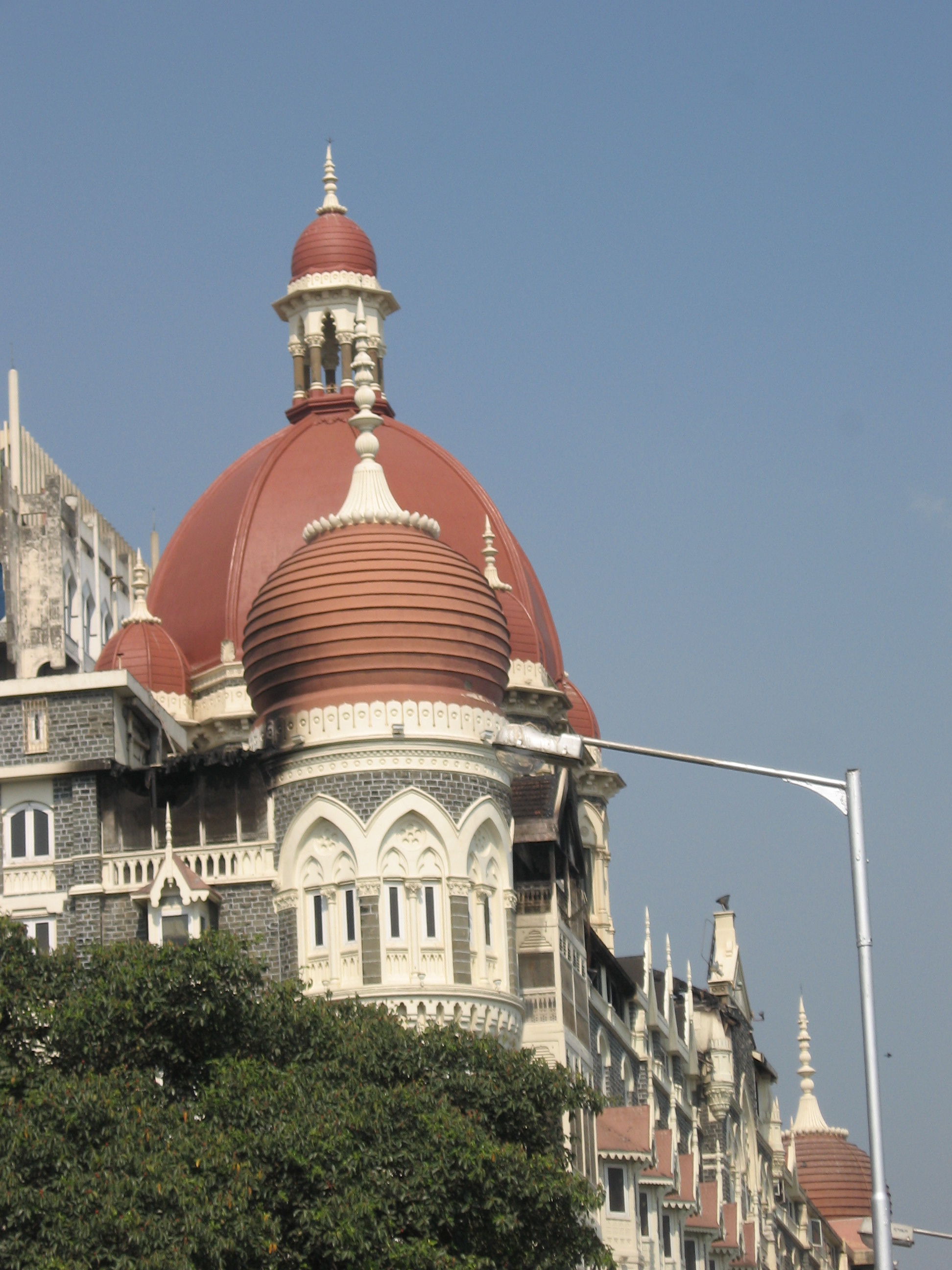
2008 Mumbai attacks
Sign in to saveAlso known as 26/11, Mumbai attacks, 26 November 2008 Mumbai attacks, Mumbai 26/11 attacks, Mumbai Terrorist Attacks, Mumbai, India, 2008
The 2008 Mumbai attacks, also known as 26/11, were a series of twelve coordinated Islamic terrorist attacks carried out in Mumbai, Maharashtra, India, from 26 to 29 November 2008 by ten members of Lashkar-e-Taiba, a Pakistani Islamic terrorist organisation. A total of 175 people died, including nine of the attackers, and more than 300 were injured.
The 2008 Mumbai attacks were a series of coordinated terrorist attacks that took place over four days in November 2008, killing 175 people and injuring over 300, carried out by members of a Pakistani militant organization. The attacks matter because they were a major terrorist incident that had significant impacts on casualties, international relations, and security policy in India.
AI-generated from the Wikipedia summary — may contain errors.
Wikipedia views (30d)
109,554 totalvia Wikimedia Pageviews API
Described at
2008 Mumbai Attacks (Mumbai, India | November 26-29, 2008) – Rewards For Justice
rewardsforjustice.net →Rewards for Justice is offering a reward of up to $5 million for information on the 2008 Mumbai attacks. Beginning November 26, 2008, and continuing through November 29, 2008, 10 individuals trained by Lashkar-e Tayyiba (LeT), a U.S.-designated Foreign Terrorist Organization, carried out a series of coordinated terrorist attacks against multiple targets in Mumbai, India, killing 166 people. Six Americans were killed during the three-day siege: Ben Zion Chroman, Gavriel Holtzberg, Sandeep Jeswani, Alan Scherr, Naomi Scherr, and Aryeh Leibish Teitelbaum. Key members of this heinous plot remain at large, and the investigation remains ongoing. David Coleman Headley and Tahawwur Rana were indicted in U.S. federal court for their support of LeT’s terrorist operations. In March 2010, Headley, a U.S. citizen, pleaded guilty to 12 counts that were brought against him following his arrest in October 2009. In January 2013, Headley was sentenced to 35 years in prison for federal terrorism crimes relating to his role in planning the Mumbai attacks and a subsequent proposed attack on a newspaper in Denmark. Rana, a Canadian citizen and longtime friend of Headley, was sentenced to 14 years in prison for conspiracy to provide material support to the Denmark terror plot and providing material support to LeT. Sajid Mir, project manager for the November 2008 attacks, who directed the attacks; Major Iqbal, a resident of Pakistan, who participated in planning and funding attacks carried out by LeT; Abu Qahafa, a resident of Pakistan and LeT associate, who trained others in combat techniques used in terrorist attacks; and Mazhar Iqbal, also known as Abu al-Qama, a resident of Pakistan and a LeT commander. Do your part. Secure a safer world and a brighter future. Click to learn about Rewards for Justice’s tip reporting options. You may choose from multiple platforms and contact us in numerous languages. To process your information efficiently, we ask you to state your information as succinctly as possible, provide your name, location, and preferred language, and upload all relevant files such as photographs, videos, and documents to support your information. An RFJ representative will soon contact you. Please be patient, as RFJ reads every tip we receive.
Excerpt from a page describing this subject · 4,070 chars · not written by Vinony
Wikidata facts
- Part of
- terrorism in India
- Country
- India
- Located in
- Mumbai
- Time zone
- Indian Standard Time
- Location
- Mumbai
- Image
- Mumbai attacks vinu image02.jpg
- Number of deaths
- 241
- Number of injured
- 308
- Participant
- Lashkar-e-Taiba
Show 9 more facts
- Commons category
- November 2008 Mumbai attacks
- topic's main category
- Category:2008 Mumbai attacks
- start time
- 2008-11-26
- end time
- 2008-11-29
- point in time
- 2008-11-26
- armament
- hand grenade
- number of perpetrators
- 10
via Wikidata · CC0
~40 min read
Encyclopedic overview
The 2008 Mumbai attacks, colloquially known as 26/11, were a coordinated series of twelve Islamic terrorist attacks carried out in Mumbai, Maharashtra, India, from 26 to 29 November 2008, by ten members of the Lashkar-e-Taiba. A total of 175 people died, including nine of the attackers, and more than 300 were injured.
The attackers arrived in Mumbai via the Arabian Sea. They departed from Karachi on a Pakistani cargo vessel, hijacked an Indian fishing trawler on the way, and ended their journey to South Mumbai's coastline on inflatable boats. Eight of the attacks were mass shootings in South Mumbai at Chhatrapati Shivaji Terminus, Trident Hotel, Taj Mahal Palace Hotel, Leopold Cafe, Cama Hospital, Nariman House, Metro Big Cinemas, and in a lane behind St. Xavier's College and the headquarters of The Times of India. In addition to the mass shootings, an explosion occurred at Mazagaon, in Mumbai's port area, and in a taxi at Vile Parle. By the early morning of 28 November, all sites except for the Taj Hotel had been secured by the Mumbai Police and security forces. On 29 November, India's National Security Guards conducted Operation Black Tornado to flush out the remaining terrorists; it culminated in the death of the last remaining terrorists at the Taj Hotel and ended the attacks.
Excerpted from Wikipedia’s “2008 Mumbai attacks” article, available under the CC BY-SA 4.0 licence.
Gallery (13)
On the map
10 mapped locations