Aaargh! · RAWG · Courtesy of RAWG
Game data
- Released
- 1987-01-01
- User rating
- 0.00 / 5
- Genres
- Arcade, Action
- Platforms
- PC, Apple II, Commodore / Amiga, Atari ST
via RAWG
Game details · IGDB
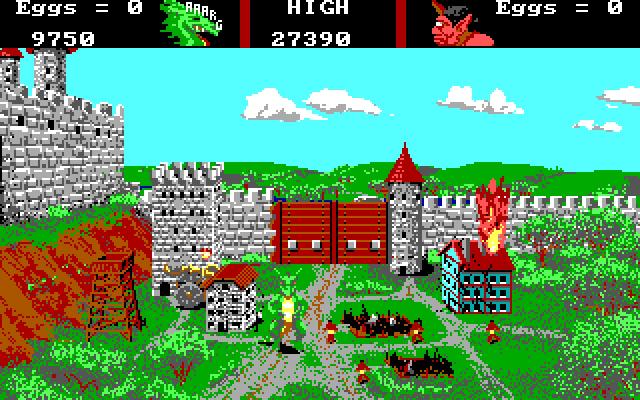
In each city you need to destroy the buildings until you find the Roc's egg. There is an egg hidden in most but not all of the cities. You will need to punch the buildings to demolish them, or flame them to set them on fire, while fighting off the other creatures on the screen. Watch out for the hornets that fly across the screen and sting you. Be wary of the weapons the humans try to bring to bear. You will need to destroy these before they destroy you.
- Released
- 1987
- Genres
- Fighting, Hack and slash/Beat 'em up, Arcade
- Platforms
- Arcade, Apple IIGS, Commodore C64/128/MAX, ZX Spectrum, Atari ST/STE, DOS, Amiga, Amstrad CPC, MSX
- Game modes
- Single player, Multiplayer
- Developer
- Arcadia Systems, Arcadia Systems, Binary Design
- Publisher
- Arcadia Systems, Melbourne House, Arcadia Systems
Wikidata facts
- Instance of
- video game
- Genre
- action game
- Country of origin
- United States
- Publisher
- Krome Studios Melbourne
- Platform
- Classic Mac OS
- Game mode
- co-op mode
- Height
- 24
- Length
- 32
- Has parts of class
- level
Show 6 more facts
- does not have part
- end
- publication date
- 1988-00-00
- title
- Aaargh!
- language of work or name
- English language
- characters
- dragon
- inspired by
- Rampage
Sources (6)
via Wikidata · CC0
Article · Italiano
Aaargh! è un videogioco arcade pubblicato nel 1987 da Arcadia Systems, che realizzava macchine con BIOS basato sull'hardware Amiga. I protagonisti sono due mostri giganti, un ciclope (un orco secondo i manuali) e un lucertolone bipede, che distruggono villaggi umani appartenenti a diverse civiltà storiche. Vennero pubblicate conversioni per diversi home computer, in molti casi da Melbourne House, che all'epoca come la Arcadia era una sussidiaria della Mastertronic. La critica generalmente giudicò in modo negativo le versioni Commodore 64 e ZX Spectrum.
Abstract from DBpedia / Wikipedia · CC BY-SA