Français
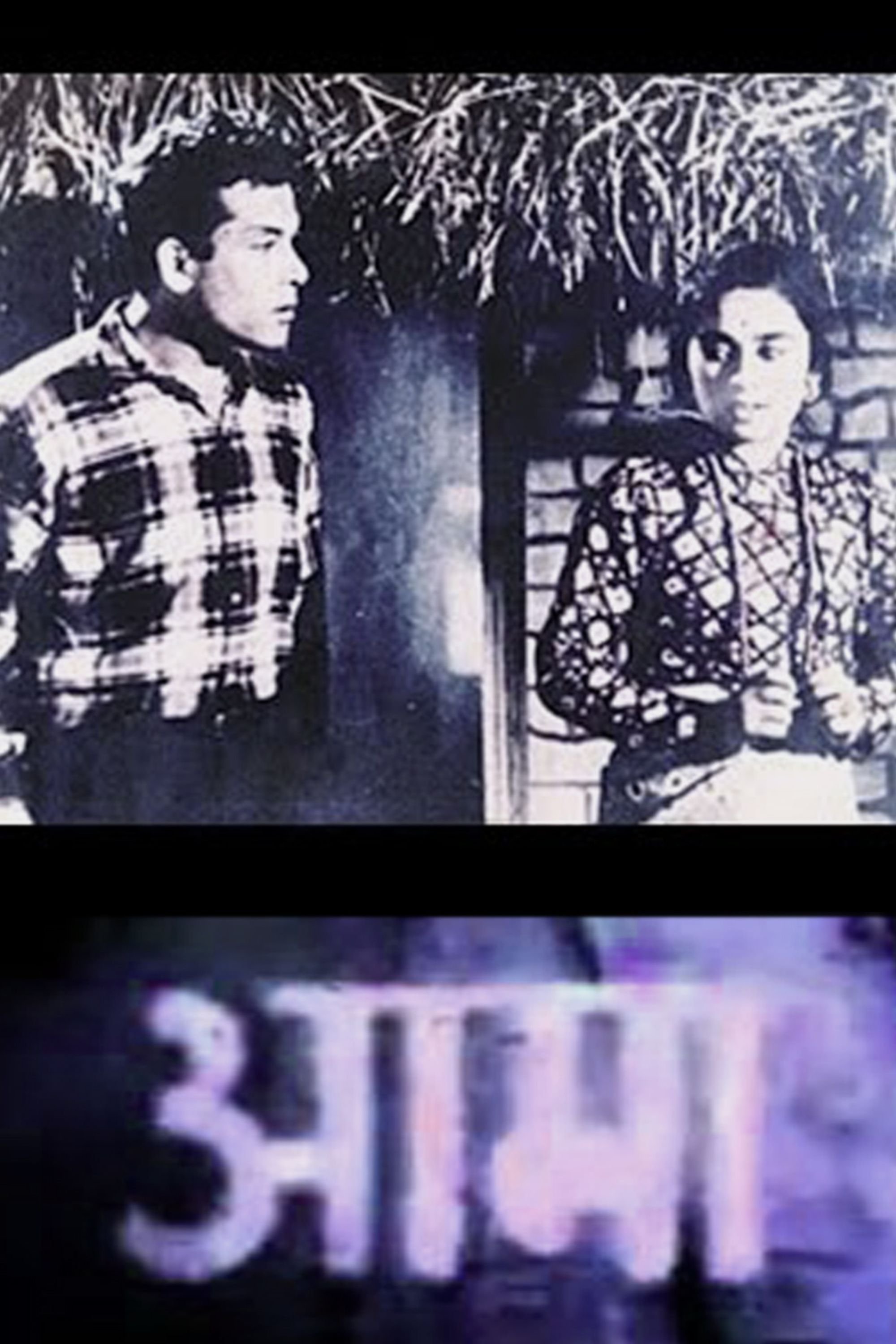
Poster from TMDB
Aama
Sign in to savefilm népalais de Hira Singh Khatri sorti en 1964
Film · TMDB
0.0The story revolved around a typical household of a Nepalese village where a desperate young boy flees home to earn money and to alleviate agony of his poor widow mother. He served in a foreign army for a couple a years, returns home as a grown-up, energetic young man but only to find that his mother has died. The elders of the village persuade him to stay behind in the village and serve the community, reiterating the saying that “service to the motherland is equally virtuous as service to a mother.
Cast
- Shiva Shankar
- Bhuwan Thapa Chand
- Bhim Bahadur
- Basundhara Bhusal
- Chaitya Devi
- Bimala Kumari
Themes
- mother
- nepal
This product uses the TMDB API but is not endorsed or certified by TMDB.
Wikidata facts
Show 3 more facts
- publication date
- 1964-01-01
- title
- आमा
- different from
- Aama
Sources (3)
via Wikidata · CC0
Article · Français
Aama (आमा (aama), « mère ») est un film népalais de 1964 réalisé par au début de sa carrière. Le film a été écrit par Durga Shrestha et Chaitya Devi. Aama a été produit par le roi Mahendra Bir Bikram Shah sous la direction du Département de l'Information du gouvernement du Népal. Les acteurs principaux sont et , avec , et dans les rôles secondaires. La trame du film s'intéresse à un jeune homme qui retourne chez lui après avoir servi dans l'armée de son pays. Mahendra Bir Bikram Shah a demande au réalisateur Hira Singh Khatrito de réaliser Aama. La post-production du film et le tournage des scènes d'intérieur à Kolkata, en Inde. Le film est sorti 7 octobre 1964. Aama est le premier film népalais à avoir été produit au Népal. Après la sortie du film au Népal, il devient vite très populaire. À la suite du succès d'Aama, Khatri a réalisé les films (1967) et (1971) pour le gouvernement népalais, qui ont été utilisés pour développer le patriotisme des citoyens népalais. Aama est perçu comme un des films les plus importants dans l'histoire du cinéma népalais.
Abstract from DBpedia / Wikipedia · CC BY-SA