Encyclopedia of Life · EOL (see source)
Amischotolype
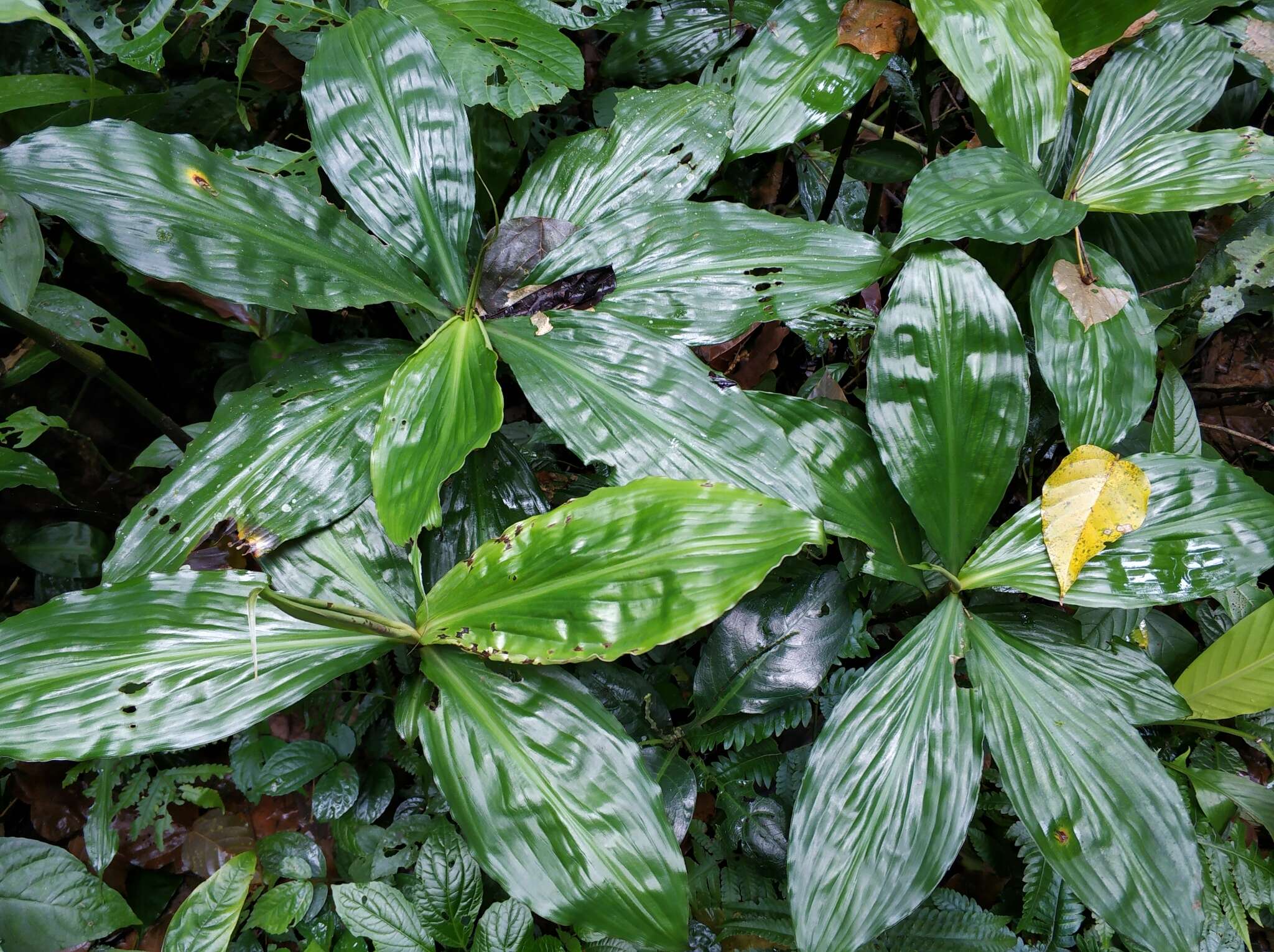
Sign in to saveAmischotolype is a genus of perennial monocotyledonous flowering plants in the Commelinaceae. It is found in Central Africa and from India through Southeast Asia to New Guinea, with the great majority or species found in Asia.
Species
GENUS
- KingdomPlantae
- PhylumTracheophyta
- ClassLiliopsida
- OrderCommelinales
- FamilyCommelinaceae
穿鞘花属(学名:Amischotolype)是鸭跖草科下的一个属,为直立草本植物。该属共有20种,分布于非洲及亚洲的热带地区。
via GBIF · Kew POWO
Museum specimens
- Specimen records
- 146
- With media
- 142
- Family
- Commelinaceae
- Collections
- US, MICH, GH, A, BRIT, UTEP
- Recorded in
- Indonesia, Philippines, Thailand, Papua New Guinea, Malaysia
Wikidata facts
- Instance of
- taxon
- Image
- Amischotolpe cf monosperma HabitusInflorescences BotGardBln0906.JPG
Show 7 more facts
- Commons category
- Amischotolype
- taxon name
- Amischotolype
- taxon rank
- genus
- topic's main category
- Category:Amischotolype
- Commons gallery
- Amischotolype
- taxon common name
- 穿鞘花属
Sources (2)
via Wikidata · CC0
~3 min read
Encyclopedic overview
2 sectionsContents
- Species
- References
Amischotolype is a genus of perennial monocotyledonous flowering plants in the Commelinaceae. It is found in Central Africa and from India through Southeast Asia to New Guinea, with the great majority or species found in Asia.
The name is derived from the Ancient Greek words αμισχος, meaning 'unstalked', and τολυπη, meaning 'tangle'. The genus is characterised by its rather compact inflorescences which are composed on two or more cincinni that pierce through the base of the leaf sheath, and also by its seeds that are embedded in red arils. Flowers are actinomorphic, and anthers release their pollen either through a pore at the tip or slits down the sides. They are typically encountered in forest understories. The genus Porandra, which consists of three Asian species, is considered by Robert Faden, a leading authority on the family, to be "doubtfully distinct" from Amischotolype, and Plants of the World Online considers it a synonym. Analysis of DNA sequences has shown that Amischotolype is most closely related to the genus Coleotrype, while these two are in turn most closely related to the genus Cyanotis plus its synonym Belosynapsis. These four genera form a clade that is found only in the Old World, while all of its immediate ancestors are present only in the New World.
Excerpted from Wikipedia’s “Amischotolype” article, available under the CC BY-SA 4.0 licence.
Gallery (3)
Available in 11 languages
via Wikidata sitelinks · CC0