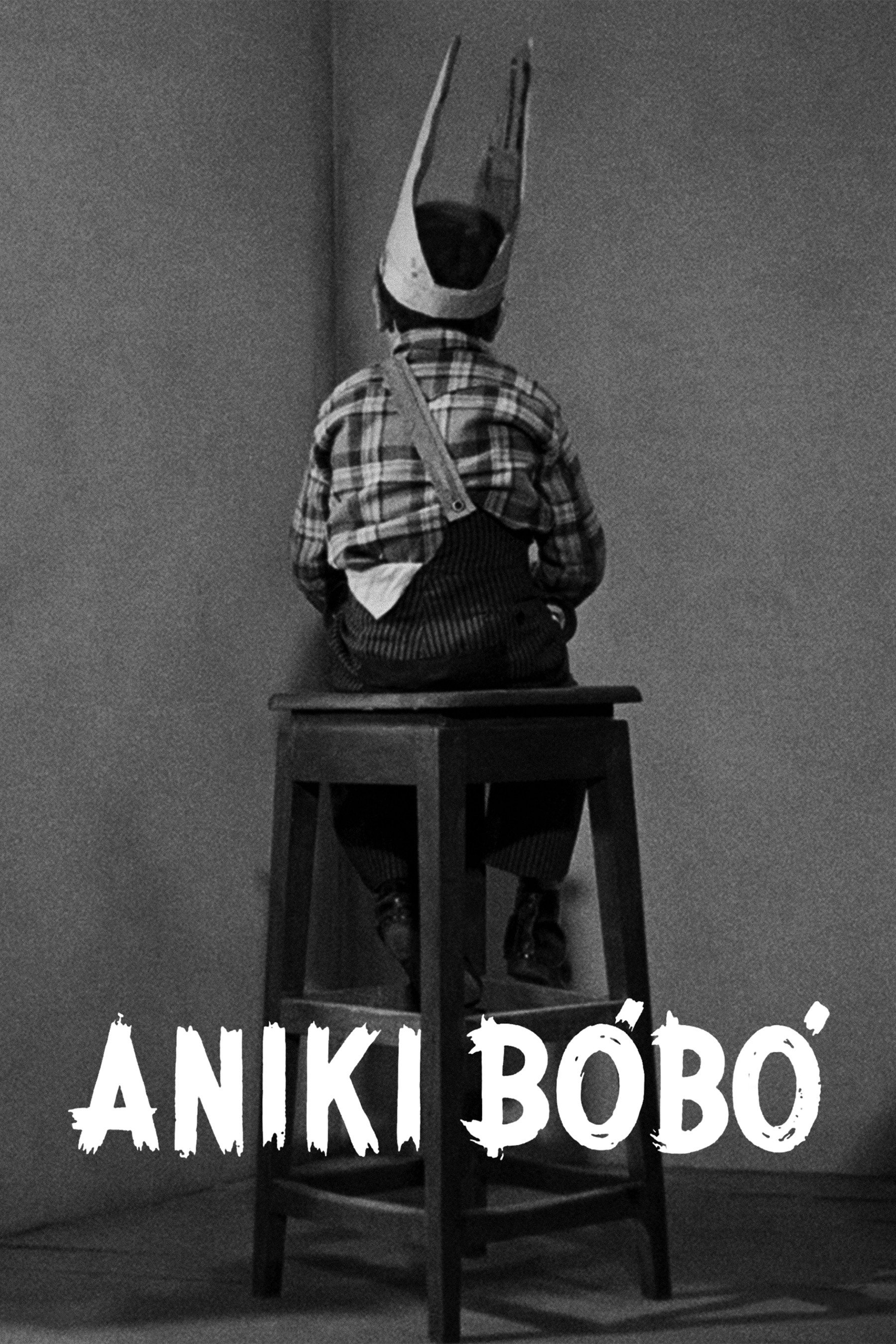
Poster from TMDB
Aniki-Bóbó
Sign in to saveAlso known as Aniki-Bobo
Aniki-Bóbó is a 1942 Portuguese film directed by Manoel de Oliveira. It is his first feature-length film. The actors are mostly children from Oliveira's hometown, Porto. The script was adapted by Manoel de Oliveira from a short story by , Meninos Milionários (lit. Millionaire Children). 'Aniki-Bóbó' is a rhyme from a children's game, akin to Eeny, meeny, miny, moe.
Film · TMDB
7.6Two schoolboys, Carlitos and Eduardo, fight for the affection of a girl, Teresinha.
Cast
- Horácio Silva as Carlitos
- Fernanda Matos as Terezinha
- António Santos as Eduardo
- Nascimento Fernandes as Shopkeeper
- Vital dos Santos as Teacher
- António Palma as Shop Customer
Themes
- porto
This product uses the TMDB API but is not endorsed or certified by TMDB.
Wikidata facts
- Instance of
- film
- Genre
- drama film
- Country of origin
- Portugal
- Original language
- Portuguese
- Director
- Manoel de Oliveira
- Screenwriter
- Manoel de Oliveira
- Producer
- António Lopes Ribeiro
- Filming location
- Porto
- Duration
- 71
- FilmAffinity ID
- 639769
Show 4 more facts
- publication date
- 1942-01-01
- title
- Aniki Bóbó
- color
- black-and-white
- film editor
- Manoel de Oliveira
Sources (4)
via Wikidata · CC0
~1 min read
Encyclopedic overview
4 sectionsContents
- Reception
- References
- Sources
- External links
Aniki-Bóbó is a 1942 Portuguese film directed by Manoel de Oliveira. It is his first feature-length film. The actors are mostly children from Oliveira's hometown, Porto. The script was adapted by Manoel de Oliveira from a short story by , Meninos Milionários (lit. Millionaire Children). 'Aniki-Bóbó' is a rhyme from a children's game, akin to Eeny, meeny, miny, moe.
== Reception == The film was not very well received, but with time it gained recognition and was finally accepted as one of the most important Portuguese films of its time. In several respects, this film seems to anticipate Italian neorealism. It would be 21 years before Oliveira directed his next feature film.
Excerpted from Wikipedia’s “Aniki-Bóbó” article, available under the CC BY-SA 4.0 licence.