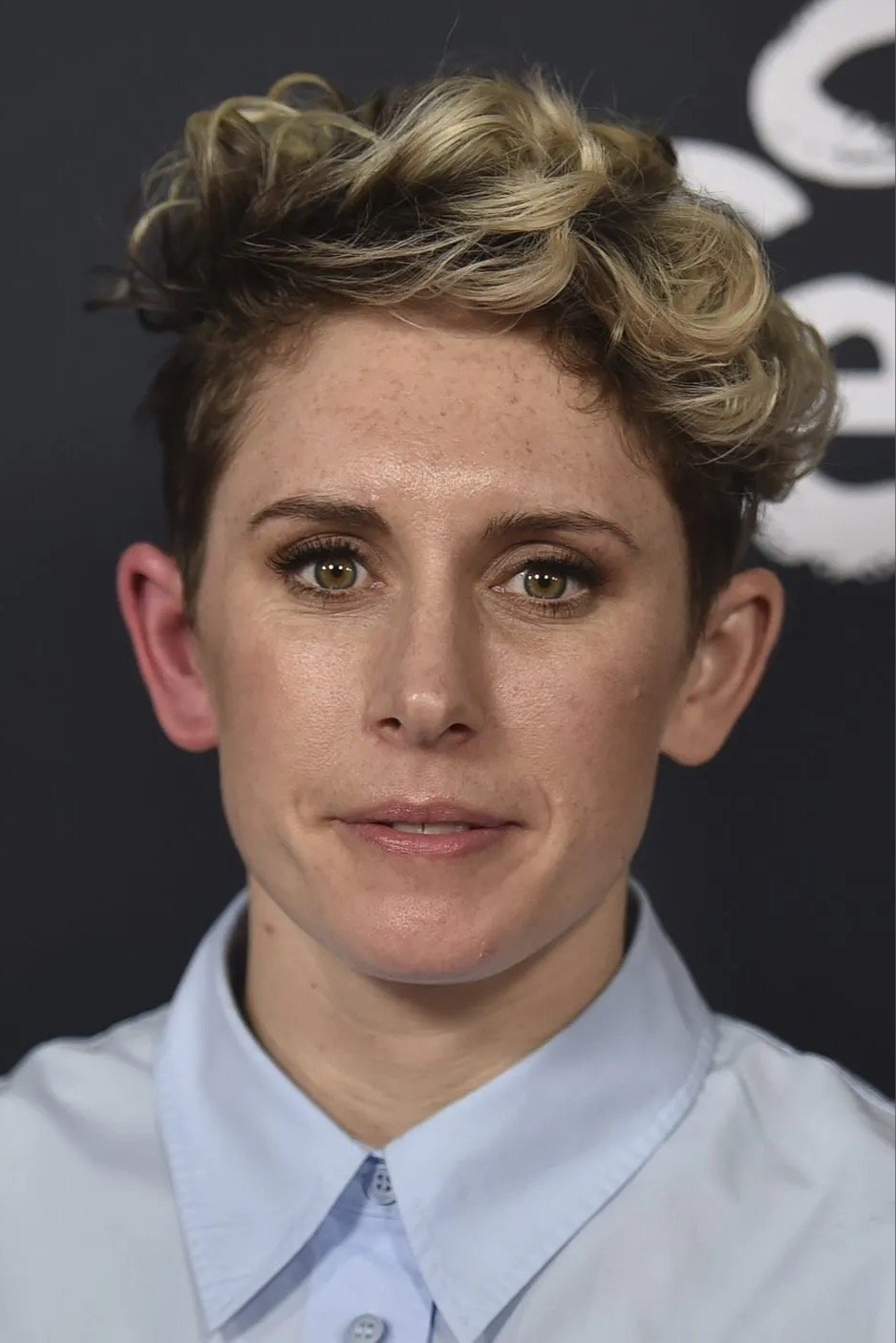
Profile via TMDB · Courtesy of TMDB
Ari Wegner
Sign in to saveUK-based cinematographer from Australia
Film & TV
Melbourne, Victoria, Australia
Ari Wegner, ACS, ASC (born 3 May 1984) is an Australian cinematographer. Her work includes films such as Lady Macbeth (2016), True History of the Kelly Gang (2019), and Zola (2020). In 2021, she served as cinematographer on The Power of the Dog, for which she received widespread critical acclaim, including an Academy Award nomination for Best Cinematography, becoming only the second woman to do…
Known for
- The Oscars — Self1953
via TMDB
Described at
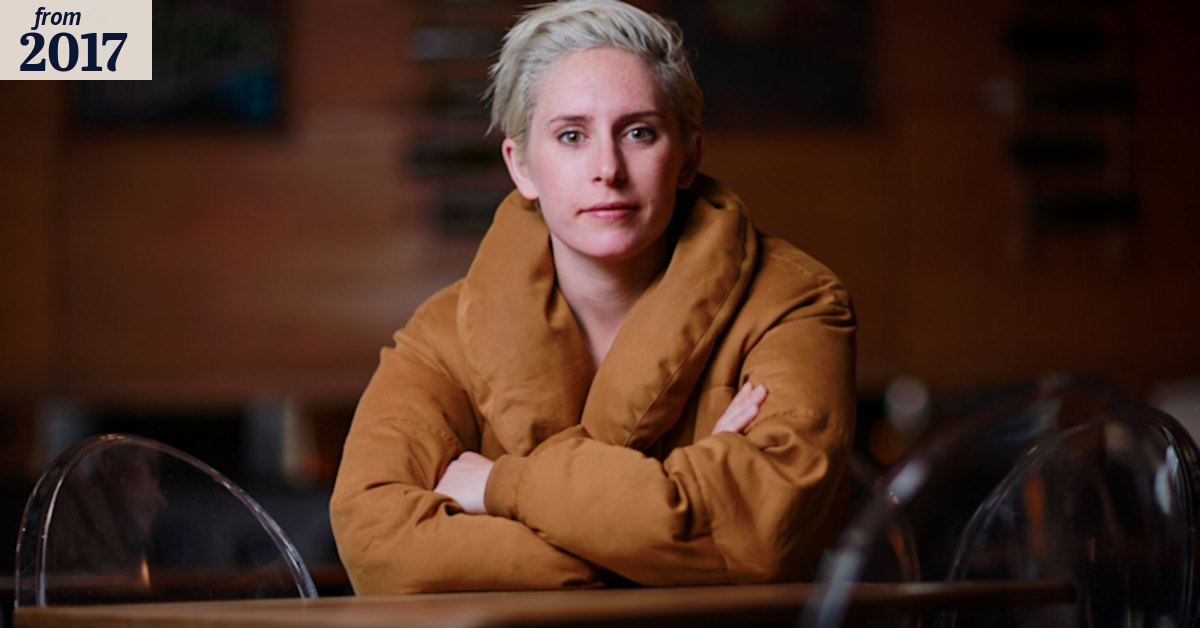
Through a woman's eye: Ari Wegner and the rise of our female cinematographers
Australia's female cinematographers are increasingly shaping the way we see the world.
smh.com.au →The UK-based agents of Australian cinematographer Ari Wegner often forward job offers via email. "We're just enquiring about his availability," they say. Nothing unusual in that – except Ari is a woman. "Ari isn't short for anything, it's just my name," says the Melbourne-raised director of photography, whose latest work, on the stunning low-budget period drama Lady Macbeth , is now on the big screen. "People always associate it with the [Arri] cameras. 'Oh, yeah, I haven't heard that one before'." This is a modal window. This modal can be closed by pressing the Escape key or activating the close button. Their numbers are small, but growing. The Australian Cinematographers Society has 272 accredited members, of whom just nine are women, but more than 13 per cent of student members are female. "That's still way too low," says the ACS' Warwick Field. "But it's going the right way." Ari Wegner is one of the youngest members of the group of Australian female cinematographers making a big mark in feature films both here and abroad.Wayne Taylor If it had never occurred to you that women were increasingly calling the shots behind the camera, don't worry too much. You're not alone. "It feels like there's a lot more of us now," says 40-year-old Katie Milwright, who shot Looking for Grace and has just wrapped Ben Elton's forthcoming rom-com Three Summers . "But when I say that, even this year I was out on a shoot and a bunch of people said, 'Wow, I've never worked with a woman doing this job before'. It's definitely not the case that every second DP is a woman." The first accredited female member of the ACS was Jan Kenny, admitted to the society in 1988. The second, Jane Castle, was accredited in 1993 and the third, Mandy Walker, in 1999 – slow progress indeed. Of course, women have been shooting movies since the earliest days of the Australian film renaissance. It's just that few people noticed, and even fewer remembered. They are far from household names, but what inspired Kerrigan to make her film was that few of the women in a filmmaking class she was teaching a few years ago had even heard of them. And as a result, none of them had even thought about becoming cinematographers. "They didn't really know why they'd never considered it," says Kerrigan, 48. "But there were no visible role models for them to suggest it was possible, because they just didn't know about that first wave of women." Katie Milwright on the set of Ben Elton's Three Summers.David Dare Parker Kerrigan says many of the pioneers have now left the industry, and few of them ever got the opportunity to work on big feature films. (For a variety of reasons, female DPs have tended to work more often in documentary, commercials and low-budget features.) She cites the case of Jane Castle, who shot videos for Prince in the early 1990s and made some feature films in the US (including the schlocky horror flick Leprechaun 2 ) before dropping out of the industry. Now, Castle is back, making a documentary about another Australian female cinematographer – her mother. Lilias Fraser knew early on that she wanted to be a director of photography but was told in no uncertain terms that it wasn't women's work. So she became a director instead. She made her first film in 1957, and is perhaps best remembered for directing the land rights documentary This is Their Land (1969). The notion that cinematography is not appropriate woman's work has largely subsided, say the women I spoke to for this story, though most had encountered it at some stage. "Film sets have changed since I started," says Bonnie Elliott, 40, who shot These Final Hours and the television series Seven Types of Ambiguity . "I very rarely see any real sexism on set, there's a very good culture to work in now. I haven't seen anything overt for a very long time, though there are always subtle things that go on around gender. But I try not to dwell on them too much because I feel there's a lot of positivity ab
Excerpt from a page describing this subject · 29,427 chars · not written by Vinony
Wikidata facts
- Instance of
- human
- Given name
- Ari
- Family name
- Wegner
- Gender
- female
- Citizenship
- Australia
- Place of birth
- Melbourne
- Occupation
- cinematographer
- Official website
- www.ariwegner.com
- Work location
- United Kingdom
Show 3 more facts
- date of birth
- 1984-00-00
- described at URL
- www.smh.com.au/entertainment/movies/through-a-womans-eye-ari-wegner-and-the-rise-of-our-female-cinematographers-20170630-gx232v.html
- nominated for
- Academy Award for Best Cinematography
via Wikidata · CC0