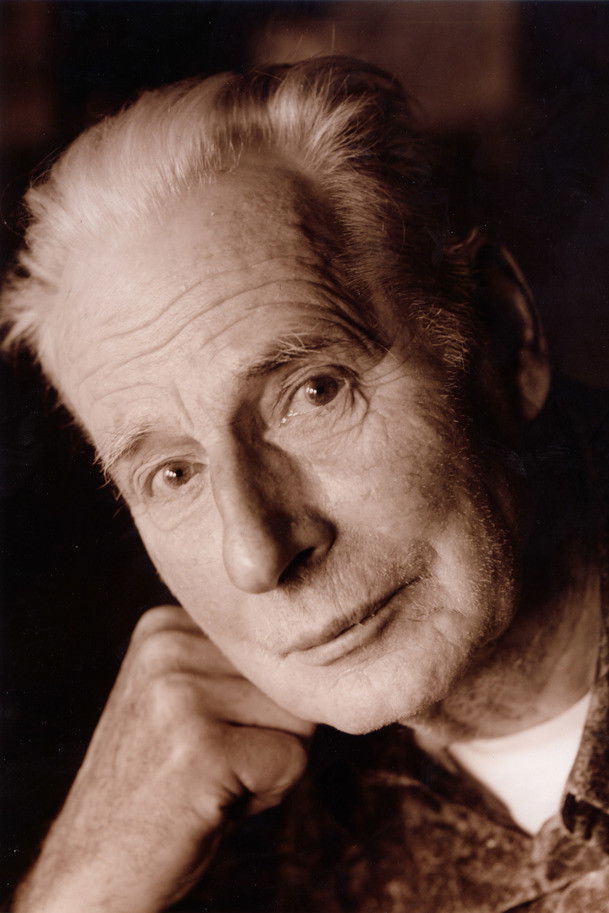
Profile via TMDB · Courtesy of TMDB
Arne Næss
Sign in to saveAlso known as Arne Dekke Eide Næss
Norwegian philosopher and mountain climber (1912-2009)
OverviewAI-generated
Arne Dekke Eide Næss was a Norwegian philosopher, professor, mountaineer, and writer. Born in Oslo on January 27, 1912, he worked at the University of Oslo, where he was also educated. He spoke Norwegian and specialized in the field of deep ecology. His notable works include *Gandhis politiske etikk*, *Økologi og filosofi*, *Platon-Aristoteles*, and *Hva er filosofi?*.
Næss received the Swedish Academy Nordic Prize and the Peer Gynt Literary Award. He was the sibling of Erling Dekke Næss and the relative of Arne Næss, Jr. He died in Oslo on January 12, 2009, and was buried at Vestre gravlund.
Synthesized by Vinony from 25 facts across 3 sources: Wikidata, Open Library, TMDb. Generated from structured data (not the Wikipedia text) and checked against those facts — may still contain errors.
Person · Open Library
- Works
- 52
Top works
- Wie fördert man heute die empirische Bewegung?
- Gandhis politiske etikk
- Økologi og filosofi
- Platon-Aristoteles
- Hva er filosofi?
via Open Library + Wikidata
Film & TV
Oslo, Norway
Arne Dekke Eide Næss was a Norwegian philosopher who coined the term "deep ecology", an important intellectual and inspirational figure within the environmental movement of the late twentieth century, and a prolific writer on many other philosophical issues.
Known for
- Loop2005
- The Call of the Mountain — Self1997
- Tirich Mir til topps — Self1952
via TMDB
Key facts
- Born
- Arne Dekke Eide Næss , ( 1912-01-27 ) 27 January 1912, Slemdal , Oslo , Norway
- Died
- 12 January 2009 (2009-01-12) (aged 96), Oslo, Norway
- Era
- 20th-century philosophy
- Region
- Western philosophy
- School
- Environmental philosophy
- Main interests
- Environmental philosophy , environmental ethics
- Notable ideas
- Deep ecology , ecosophy
via Wikipedia infobox
Wikidata facts
- Instance of
- human
- Given name
- Arne
- Gender
- male
- Citizenship
- Norway
- Place of death
- Oslo
- Sibling
- Erling Dekke Næss
- Occupation
- environmentalist
- Educated at
- University of Oslo
- Employer
- University of Oslo
- Languages spoken
- Norwegian
- Field of work
- deep ecology
- Sport
- mountaineering
- Image
- Arne Næss, 2003 (cropped) (cropped).jpg
Show 6 more facts
- date of birth
- 1912-01-27
- date of death
- 2009-01-12
- place of burial
- Vestre gravlund
- Commons category
- Arne Næss
- name in native language
- Arne Dekke Eide Næss
- relative
- Arne Næss, Jr.
via Wikidata · CC0
~14 min read
Encyclopedic overview
Arne Dekke Eide Næss (/ˈɑːrnə ˈnɛs/ AR-nə NESS; Urban East Norwegian: [ˈɑ̂ːɳə ˈdɛ̂kːə ˈæ̂ɪdə ˈnɛsː]; 27 January 1912 – 12 January 2009) was a Norwegian philosopher who coined the term "deep ecology", an important intellectual and inspirational figure within the environmental movement of the late twentieth century, and a prolific writer on many other philosophical issues. Næss cited Rachel Carson's 1962 book Silent Spring as being a key influence in his vision of deep ecology. Næss combined his ecological vision with Gandhian nonviolence and on several occasions participated in direct action.
Næss averred that while western environmental groups of the early post–World War II period had raised public awareness of the environmental issues of the time, they had largely failed to have insight into and address what he argued were the underlying cultural and philosophical background to these problems. Næss believed that the environmental crisis of the twentieth century had arisen due to certain unspoken philosophical presuppositions and attitudes within modern western developed societies which remained unacknowledged.
Excerpted from Wikipedia’s “Arne Næss” article, available under the CC BY-SA 4.0 licence.