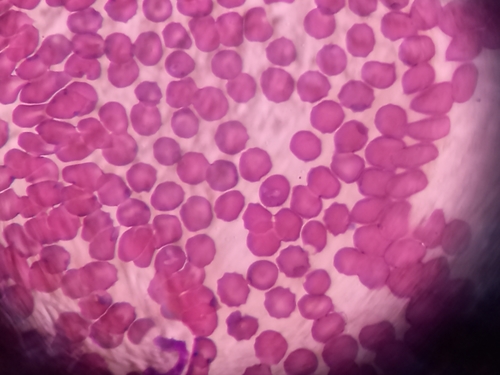
(c) Gareth Bain, some rights reserved (CC BY-NC), uploaded by Gareth Bain · cc-by-nc
Babesia
Sign in to saveAlso known as Nuttallia, Texas fever
Species
Biliary Fever
species
巴倍虫属(Babesia)是一种血液细胞梨形蟲目的單細胞寄生虫,其統稱為巴倍蟲或焦蟲,依赖宿主生存。。这类寄生虫的形状为圆形、杆形或不规则形,并且没有可运动的结构,如纖毛或鞭毛。 巴倍虫生命周期图 该属有很多种,其中部分能感染人类。这些不同的种类可以在红细胞、淋巴细胞、组织细胞和其他血液细胞中发现。由巴倍虫造成的寄生虫病在美國纽约(尤其是长岛)、马萨诸塞州马萨葡萄园岛和楠塔基特很常见,但是对人类没有致命性。
via
Research
7,669 papers- Babesia in North America: An Update.The Veterinary clinics of North America. Small animal practice · 2022
- Babesia Life Cycle - When Phylogeny Meets Biology.Trends in parasitology · 2019
- Babesia--a historical overview.Veterinary parasitology · 2006
- Deciphering Babesia-Vector Interactions.Frontiers in cellular and infection microbiology · 2017
- Babesia: a world emerging.Infection, genetics and evolution : journal of molecular epidemiology and evolutionary genetics in infectious diseases · 2012
via PubMed
Wikidata facts
- Instance of
- taxon
- Image
- Babiesa spp.jpg
Show 6 more facts
- taxon rank
- genus
- Commons category
- Babesia
- taxon name
- Babesia
- topic's main category
- Category:Babesia
- taxonomic type
- Babesia bovis
- has effect
- Babesiosis
Sources (2)
via Wikidata · CC0
~21 min read
Encyclopedic overview
19 sectionsContents
- Classification
- History
- Genetics
- Genomics
- Lifecycle
- Seasonality
- Temperature
- Humidity
- Transmission
- Epidemiology
- Disease
- In humans
- Diagnostic tests
- Morphology
- Treatment
- Prevention in animals
- Prevention in humans
- References
- External links
Babesia, also called Nuttallia, is an apicomplexan parasite that infects red blood cells and is transmitted by ticks. Originally discovered by Romanian bacteriologist Victor Babeș in 1888; over 100 species of Babesia have since been identified.
Babesia comprises more than 100 species of tick-borne parasites that infect erythrocytes (red blood cells) in many vertebrate hosts.
Excerpted from Wikipedia’s “Babesia” article, available under the CC BY-SA 4.0 licence.