Described at
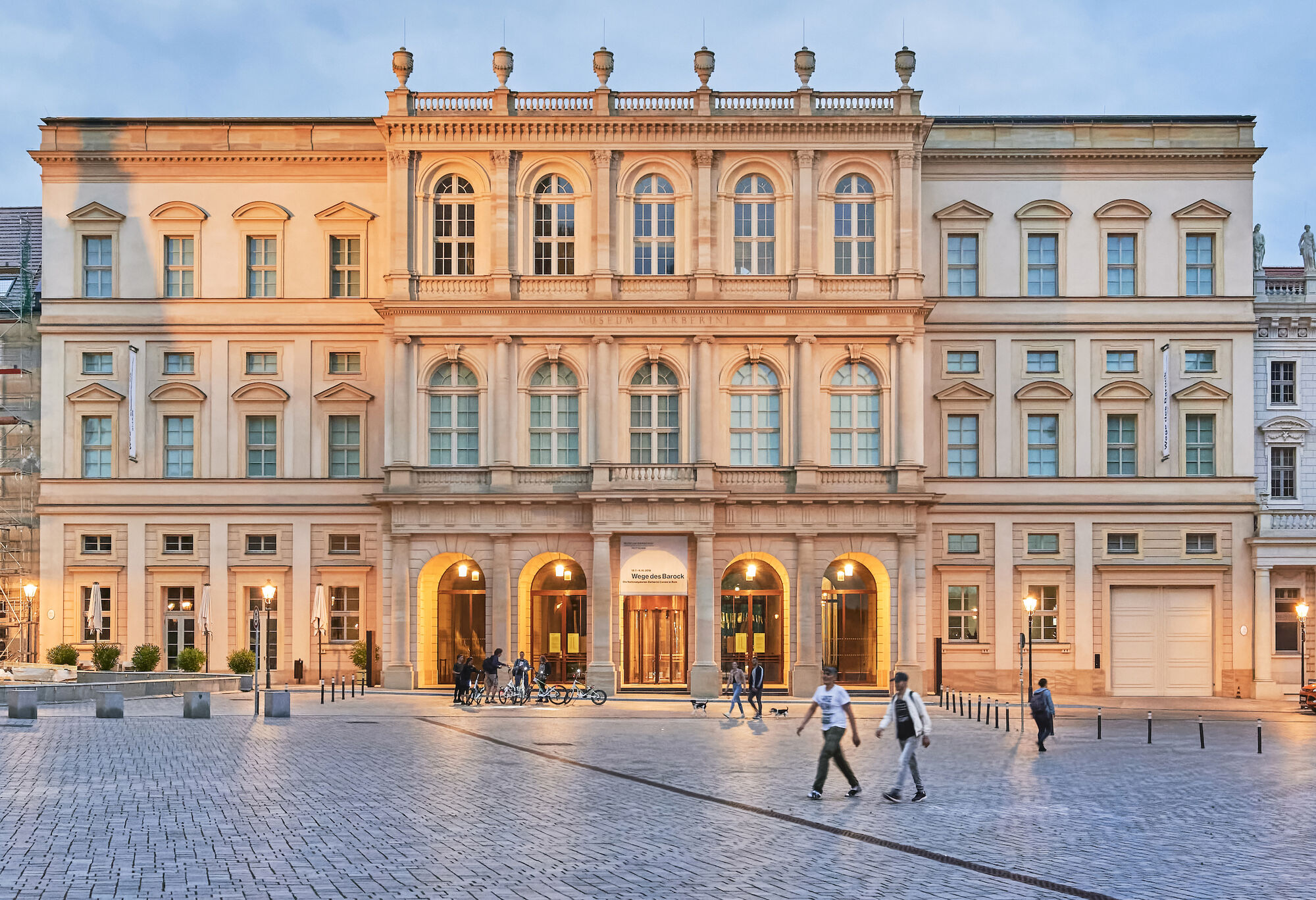
About the Museum - Museum - Museum Barberini
museum-barberini.de →Located in Potsdam’s historic center, the Museum Barberini is an art museum that was initiated by Hasso Plattner, the founder of the German software company SAP and a patron of the arts. Since its opening in 2017, the Barberini has established itself as one of the most popular art museums in Germany with international exhibitions and an extraordinary collection of Impressionist paintings. In addition to its special exhibitions, the Museum Barberini permanently showcases the extensive collection of Impressionist and Post-Impressionist paintings of the museum’s founder, Hasso Plattner, including masterpieces by Claude Monet, Pierre-Auguste Renoir, Berthe Morisot, Gustave Caillebotte, and Paul Signac. 115 works by 23 artists present the history of French Impressionism—from its beginnings in the nineteenth century to its further development through the Pointillists and Fauves in the early twentieth century. With 40 paintings by Claude Monet, there is no venue in Europe outside of Paris that shows more works by this artist. This makes Potsdam one of the most important centers of Impressionism in the world. The exhibitions are accompanied by an extensive program of events and education, including symposia, readings, tours, concerts, film evenings, and workshops that encourage a lively artistic discourse. In a similar way, with changing online resources, Barberini Digital brings the museum’s works and their stories to the digital realm, opening up new approaches to art. The experience is completed by the museum shop and the Barberini cafés that offer panoramas of the old market square with its Italian flair and the so-called Freundschaftsinsel on the river Havel. In addition to its offerings of art, culture, and history, Potsdam also gives visitors an opportunity to enjoy nature. We recommend that you explore the historic city center, the numerous palaces and extensive gardens of the former royal residence, as well as the idyllic landscape surrounding the Havel on the outskirts of Potsdam. Over 250 years ago, Frederick the Great built the Palais Barberini on the old market square, Alter Markt, in the historic center of Potsdam. The Baroque building, which the citizens of Potsdam referred to as a “palace” well into the twentieth century, had an eventful history—from a building used for housing and cultural events to one serving municipal administrative functions until it was destroyed at the end of World War II. Since the building was reconstructed in 2017, the Museum Barberini, through its art exhibitions, returns the site to its original purpose as a venue for culture. The Barberini Palace was built in 1771–72 under Frederick the Great as a grand townhouse in close proximity to the City Palace or Stadtschloss. Along with the Church of St. Nicholas and the Old City Hall, this ensemble on the old market square, Alter Markt, was long the centerpiece of the royal seat of the Prussian kings. Designed by the architects Georg Christian Unger and Carl von Gontard, the palace was modeled after the Baroque Palazzo Barberini in Rome. The building was modified and remodeled in the mid-nineteenth century under King Frederick William IV. Two wings on the backside created new living spaces, and both upper floors contained stately rooms that were intended for use by cultural institutions in Potsdam. Since the mid-nineteenth century the Palais Barberini on the banks of the river Havel provided centrally located housing for the people of Potsdam as well as a stage for public life, art, and culture. In addition to many exhibitions, art lotteries, and readings, great artists such as Clara Schumann, Anton Rubinstein, and Wilhelm Furtwängler gave concerts here. Later, even films were shown here in the city’s first cinema, Clou Potsdams. Until well into World War II, there was a library here, as well as a youth hostel and a registry office for civil unions. The building was destroyed in April 1945 during an Allied air attack, and the ruins were tor
Excerpt from a page describing this subject · 8,566 chars · not written by Vinony
Wikidata facts
- Named after
- Palazzo Barberini
- Country
- Germany
- Located in
- Potsdam
- Image
- Palast Barberini 1907.jpg
Show 10 more facts
- architect
- Carl von Gontard
- Commons category
- Palast Barberini (Potsdam)
- commissioned by
- Frederick II of Prussia
- inception
- 1770-00-00
- architectural style
- Grand Siècle
- street address
- Humboldtstraße 5/6
- inspired by
- Palazzo Barberini
- dissolved, abolished or demolished date
- 1948-00-00
- structure replaced by
- Museum Barberini
- described at URL
- www.museum-barberini.de/de/museum/695/ueber-das-museum
Sources (2)
via Wikidata · CC0